Quick Summary: Discover proven unique nail art ideas that are surprisingly easy to create yourself! From minimalist geometric patterns to dazzling abstract swirls and charming character art, these designs offer fresh ways to express your style, all achievable with basic tools and a little creativity. Let’s make your nails stand out!
Ever scroll through nail art inspiration and feel a little… uninspired? You see those intricate designs and wonder if they’re even possible outside of a professional salon. Or maybe you’re looking for something truly different, a way to make your manicure a conversation starter like never before. It’s totally understandable! The world of nail art can seem a bit overwhelming at first, but here at Nailerguy, we believe everyone can create stunning looks. Forget those complicated tutorials; we’re diving into unique nail art ideas that are not only visually striking but also surprisingly beginner-friendly. Get ready to unleash your inner artist and transform your nails into tiny masterpieces. We’ll guide you through everything you need to know!
Why Unique Nail Art Matters

Nails are more than just a beauty accessory; they’re a canvas for self-expression. In a world where trends come and go, choosing unique nail art is a fantastic way to showcase your personality, creativity, and individuality. It’s about stepping away from the ordinary and embracing something that truly speaks to you. Sometimes, a simple touch of unique design can elevate your entire look and boost your confidence. Plus, with so many simple yet effective techniques available, you don’t need to be a professional artist to achieve salon-worthy results at home.
The beauty of embracing unique nail art is that it opens up a world of possibilities. You can adapt designs to match your mood, your outfit, or even the season. Whether you’re a fan of minimalist chic or bold and vibrant statements, there’s a unique design waiting for you. And the best part? Many of these unique ideas are rooted in simple techniques that are easy to master with a little practice. So, let’s get started on exploring some of these amazing designs that are sure to turn heads!
Essential Tools for Beginner Nail Art
Before we dive into the dazzling world of unique nail art, let’s talk about the tools that will be your best friends. You don’t need a massive collection to start; a few key items will get you going. Having the right tools makes the process smoother, more enjoyable, and helps achieve those crisp, clean lines and intricate details we all love.
Here are some must-have tools for any aspiring nail artist:
- Base Coat & Top Coat: These are non-negotiable! A good base coat protects your natural nails from staining and helps polish adhere better. A top coat seals your design, adds shine, and prevents chips, making your art last longer.
- Nail Polish in Various Colors: Start with a few of your favorite shades, plus black and white for accents and base colors.
- Dotting Tools: These are lifesavers for creating perfect dots, small flowers, and delicate patterns. They come in various sizes, which is super handy!
- Thin Striping Brush: Perfect for drawing fine lines, geometric shapes, and adding tiny details. Look for brushes with synthetic bristles that hold their shape well.
- Regular Nail Art Brushes: A couple of small, flat brushes can be great for filling in areas or creating broader strokes.
- Tweezers: Essential for picking up small embellishments like glitter, rhinestones, or tiny studs.
- Nail Polish Remover & Cotton Swabs/Pads: For cleaning up mistakes and removing polish. Cotton swabs are great for detailed clean-ups around the nail edge.
- Lightweight Acrylic Paints (Optional but Recommended): These dry faster than nail polish and can offer more vibrant colors for detailed work. You can dilute them with water for a watercolor effect.
- Dotting Swirl Tool (Optional): A tool with a rubber tip that’s excellent for blending colors or creating marbled effects.
Where to Find Quality Nail Art Tools
Many beauty supply stores carry a good range of these items. Online retailers like Amazon, dedicated beauty websites, and even larger drugstores are also great places to stock up. For those interested in professional-grade brushes, exploring art supply stores can sometimes yield surprising finds, as fine art brushes can often be repurposed for nail art. Remember to check product reviews to ensure you’re getting good quality that will last.
Unique Nail Art Ideas: Proven Designs for Beginners

Ready to get creative? These unique nail art ideas are designed with beginners in mind. They leverage simple techniques and offer a fresh take on common themes. We’ll break down how to achieve these looks step-by-step, so you can feel confident as you try them!
1. Gradient Ombre Nails with a Twist
Ombre is popular, but let’s add a unique spin! Instead of just two colors blending, let’s think about unexpected color combinations or adding a subtle texture. This can be done with a sponge or even a brush, and it looks way more complex than it is.
How to Create:
- Start with a clean nail and apply your base coat. Let it dry completely.
- Paint your base color (this will be the lightest shade). Let it dry.
- On a makeup sponge (a clean, dry one works best), apply two or three shades of polish in stripes next to each other.
- Quickly but gently dab the sponge onto your nail. You might need to reapply polish to the sponge and dab a few times to build up the color and blend.
- The Twist: After the ombre is dry, use a fine-tip brush and a contrasting or metallic polish to add a thin, straight line just above the cuticle, or a few tiny dots scattered across the gradient.
- Finish with a clear top coat to smooth out the sponged texture and seal the design.
Why it’s Unique:
Adding the subtle line or dots breaks up the typical smooth gradient, adding a modern and artistic touch that’s unexpected. Think a fiery sunset ombre with a thin black line at the base, or a soft pastel ombre with tiny gold dots.
2. Geometric Micro-Designs
Forget oversized geometric patterns. Think small, precise, and intriguing. This involves using very fine lines and simple shapes like tiny triangles, squares, or intersecting lines on a single nail or strategically placed on a few.
How to Create:
- Apply your base color and let it dry thoroughly.
- Using a very fine striping brush and a contrasting color (black, white, or metallic are great), carefully paint your chosen geometric shapes. You can create a single small triangle in a corner, a tiny cross, or a few thin parallel lines.
- For a truly unique look, try placing these micro-designs on the outer edge of the nail near the free edge, or just off-center.
- Clean up any mistakes with a cotton swab dipped in nail polish remover.
- Seal with a clear top coat.
Why it’s Unique:
The subtlety is key here. It’s not about a bold statement, but a delicate detail that draws you in. It’s sophisticated and looks like it took a lot of precision, even though it’s quite simple to execute with the right brush.
3. Abstract Swirls and Splatters
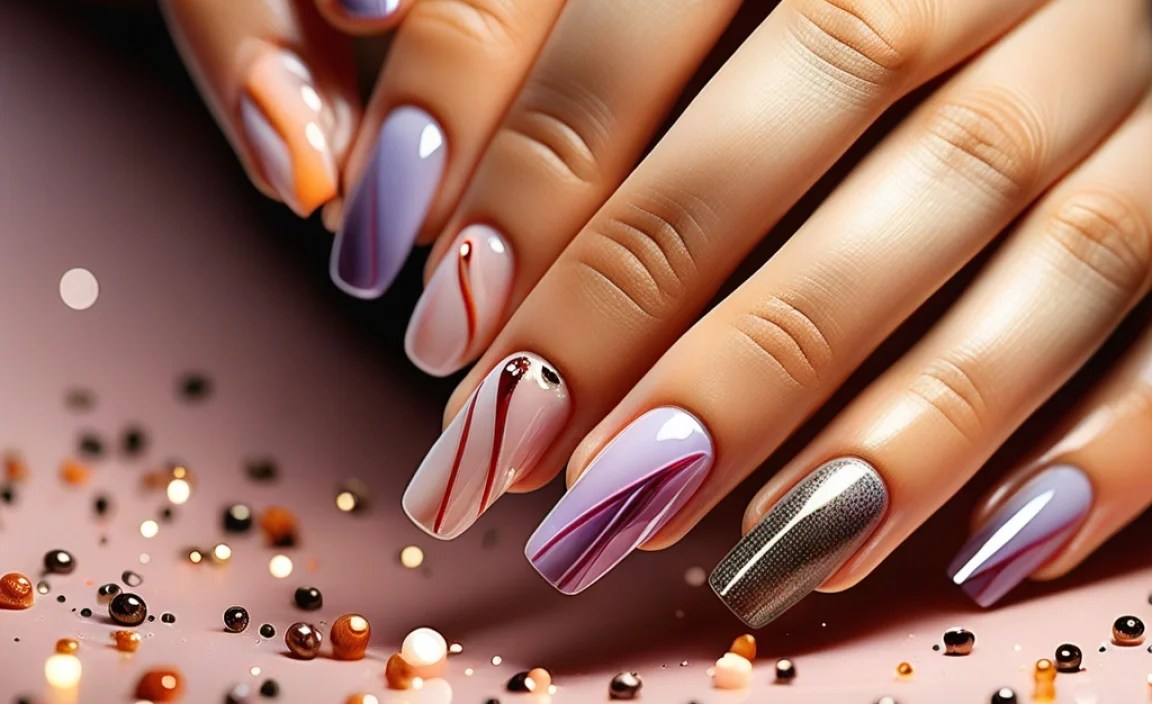
Embrace controlled chaos! Abstract designs are forgiving and can look incredibly artistic. We’re talking about freeform swirls, delicate splatters, or even marbled patterns that aren’t perfectly balanced.
How to Create:
- Paint your nails with a solid base color (a nude, black, or white works well).
- Once dry, take a dotting tool or a thin brush and create fluid, irregular swirls with a contrasting color. Don’t overthink it – let your hand move freely!
- For Splatters: Load a stiff-bristled brush (an old toothbrush or a stiff art brush works well) with a tiny amount of polish. Hold it a few inches above your nail and gently flick the bristles with your finger to create small splatters. Do this sparingly for a polished look.
- You can also use a toothpick or needle to gently drag the wet polish into abstract stringy patterns.
- Apply a top coat once everything is completely dry.
Why it’s Unique:
Each abstract design is one-of-a-kind. It celebrates spontaneity and organic shapes, moving away from rigid patterns. Combining swirls with a few well-placed splatters can give a modern, painterly effect.
4. Minimalist Nature-Inspired Line Art
Inspired by nature – think delicate leaves, flower outlines, or even simple abstract branches. The key is to use thin lines and negative space to keep it feeling light and minimalist, yet distinctly inspired.
How to Create:
- Start with a sheer or neutral base color, or even a clean, bare nail (with a good base coat, of course!).
- Using a fine striping brush and a contrasting polish (black, white, or a deep green/burgundy), draw simple outlines of leaves, thin branches, or minimalistic flower shapes.
- Focus on single elements on one or two nails for a subtle effect. For example, a single delicate leaf outline on the cuticle, or a few thin lines extending from the tip.
- The beauty is in the simplicity and the negative space.
- Seal with a clear top coat.
Why it’s Unique:
It’s a subtle nod to nature without being overly literal or intricate. The use of negative space makes it feel modern and chic, and it’s incredibly versatile with different color palettes.
5. Subtle Texture Play
This is all about adding a tactile element that’s unexpected. Think about adding a bit of grit with sugar-effect polish or a matte top coat over a glossy design.
How to Create:
- Paint your nails with a base color and let it dry.
- Option A (Matte over Glossy): Apply a glossy top coat over one or two nails. While the top coat is still wet, use a detail brush to paint a simple design (like dots, stars, or a thin line) with a different color. Once dry, apply a matte top coat over all nails. The contrast between the matte background and the subtle glossy design will be striking.
- Option B (Subtle Glitter/Flakes): Apply your base color. While it’s still slightly tacky, gently press a small amount of fine glitter or iridescent flakes onto specific areas of the nail, like the tips or just along the cuticle. Seal with a clear top coat.
- Option C (Sand/Sugar Effect): Apply your base color. While wet, sprinkle fine craft sand or “sugar effect” nail powder onto the nail. Gently pat it down. Remove excess. Seal with a top coat, being careful not to flatten the texture too much (this can slightly reduce the sandiness).
Why it’s Unique:
It engages another sense – touch. The subtle difference in finish or texture makes people look twice. A matte finish can make a simple design look incredibly sophisticated, while a touch of sand or glitter adds an unexpected dimension.
6. Reverse French Manicure with a Color Pop
The classic French manicure gets an update by focusing on the cuticle line instead of the tip. It’s a chic and modern twist that’s surprisingly simple to achieve.
How to Create:
- Start with a clean nail and apply your base coat. Let it dry.
- Paint your entire nail with a base polish. Your favorite nude, sheer pink, or even a bold color works here. Let it dry.
- Now, take a fine-tip brush or a precision applicator. Dip it into a contrasting polish color.
- Carefully paint a thin, arched line along your cuticle line. The goal is to mimic the shape of your nail bed.
- Clean up any wobbly lines with a fine brush dipped in nail polish remover.
- Seal everything with a high-shine top coat.
Why it’s Unique:
It flips the traditional French on its head, creating a modern, almost architectural look. Choosing a metallic or neon color for the cuticle line can make it even more striking against a neutral background. This technique is also great for making nails look longer.
7. Dot Placement Art
Dots are a classic for a reason, but let’s get creative with where you put them. Instead of just random polka dots, try precise placements: a single dot at the tip, a diagonal row of decreasing dots, or scattered randomly but with intention.
How to Create:
- Apply your base color and let it dry.
- Using a dotting tool and a contrasting polish, create your dot design.
- Ideas:
- Single Tip Dot: Place one small dot right on the very free edge of the nail.
- Cuticle Line Cluster: Create a small cluster of 3-5 dots right at the base of your nail, along the cuticle.
- Diagonal Line: Use a large dotting tool and make a diagonal line of dots from one side of the nail to the other, making each dot slightly smaller as you move along the line.
- Random Scatter: Place dots in varying sizes all over the nail, but ensure they are not too close together.
- Clean up edges and seal with a top coat.
Why it’s Unique:
It’s about intentionality. While polka dots are lovely, specific placement turns simple dots into a deliberate design element. It’s a small detail that makes a big difference and looks very polished.
Putting It All Together: A Sample Design Walkthrough
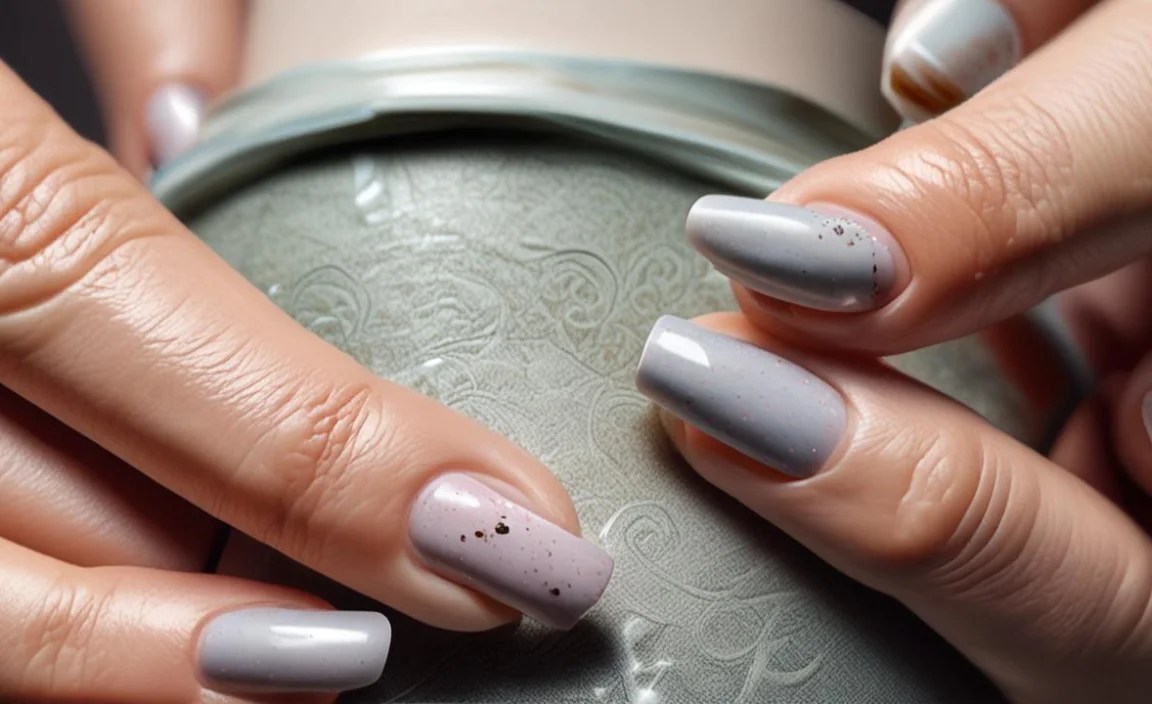
Let’s try a combination of a few techniques: Minimalist nature-inspired line art with a subtle texture twist. We’ll create a delicate leaf outline on a matte base.
Design: Matte Base with Delicate Gold Leaf Outline
Tools Needed:
- Base Coat
- Matte Top Coat
- A neutral nail polish (e.g., soft beige, pale grey, or milky white)
- Fine striping brush
- Gold metallic nail polish
- Nail polish remover and cotton swabs
- Regular Top Coat
Step-by-Step Guide:
- Prep Your Nails: Ensure nails are clean, dry, and shaped. Apply a base coat to all nails and let it dry completely. This protects your nails and helps polish adhere.
- Apply Base Color: Paint 1-2 thin coats of your chosen neutral polish onto each nail. Let each coat dry thoroughly. A smooth, opaque base is key for the matte effect to look its best.
- Apply Matte Top Coat: Once the base color is fully dry, apply a generous coat of your matte top coat over all your nails. Let this dry down completely. It will transform the shiny base into a soft, velvety finish.
- Draw the Leaf Outline: Take your fine striping brush and dip it into the gold metallic nail polish. You want just enough polish on the brush for control.
- Paint the Design: On one or two accent nails (like your ring finger or pinky), carefully draw a simple outline of a leaf. You can draw a single vein and then smaller veins branching off it, or just a simple curved outline. Think delicate and airy. Don’t be afraid to let the line be slightly imperfect; it adds to the hand-drawn charm.
- Clean Up: If any lines are messy, use a fine-tipped brush (or a toothpick/cotton swab) dipped in nail polish remover to gently clean up the edges and refine the design.
- Seal the Art: Once the gold polish is completely dry, apply a regular, glossy top coat only over the nails with the gold design. This single step preserves the matte finish on the other nails while protecting your artwork and adding a lovely contrast. (Alternatively, if you want all nails to be matte, you’d skip this and just let the gold dry, though a thin clear coat over the design is recommended for longevity).
Why This Combination Works
The matte finish of the neutral base gives an instant sophisticated and unique feel. The delicate gold leaf outline adds a touch of elegance and artistry without being overwhelming. It’s a perfect balance of subtle and striking, proving that unique doesn’t always mean loud or complicated.
Caring for Your Unique Nail Art

Once you’ve created your masterpiece, you want it to last! Proper care ensures your unique designs stay looking fresh and beautiful. Here are some tips:
- Avoid Harsh Chemicals: Wear gloves when doing dishes or cleaning. The chemicals can break down the top coat and polish, causing premature chipping and dullness.
- Moisturize Regularly: Keep your cuticles and hands hydrated! Dry skin can make even the most beautiful nails look less polished. Use a good cuticle oil daily.
- Reapply Top Coat: If you notice your top coat looking a bit dull after a few days, you can carefully reapply a thin layer to refresh the shine and add extra protection.
