Easily blend colors on your nails with simple, effortless techniques! Discover how to achieve stunning ombre, marbled, and gradient effects using basic tools and a touch of creativity. Get salon-worthy results at home with our genius beginner-friendly guide.
Ever admired those gorgeous, seamless color transitions on nails and thought, “There’s no way I can do that”? You’re not alone! Blending colors on nails, often called an ombre or gradient effect, can seem super complicated. But what if I told you it’s actually one of the most fun and surprisingly easy nail art tricks you can master? Forget tricky brushes and expensive tools; we’re going to unlock the secrets to effortless, beautiful blended nails that will make your manicure pop. Get ready to impress yourself and everyone else with your new skills!
Mastering the Art of Nail Color Blending: Your Effortless Guide

Hello, lovely nail enthusiasts! Lisa Drew here from Nailerguy, ready to demystify the magical world of blended nails. If you’re new to nail art, or just looking to up your game without the fuss, you’ve come to the right place. Blending colors on your nails isn’t just a trend; it’s a fantastic way to express your style, add a touch of sophistication, or just have some creative fun. We’ll cover everything from the essential tools to a few genius techniques that are so simple, you’ll be wondering why you didn’t try them sooner. Let’s dive in and make your nails look like a work of art!
Why Blend Colors on Your Nails?
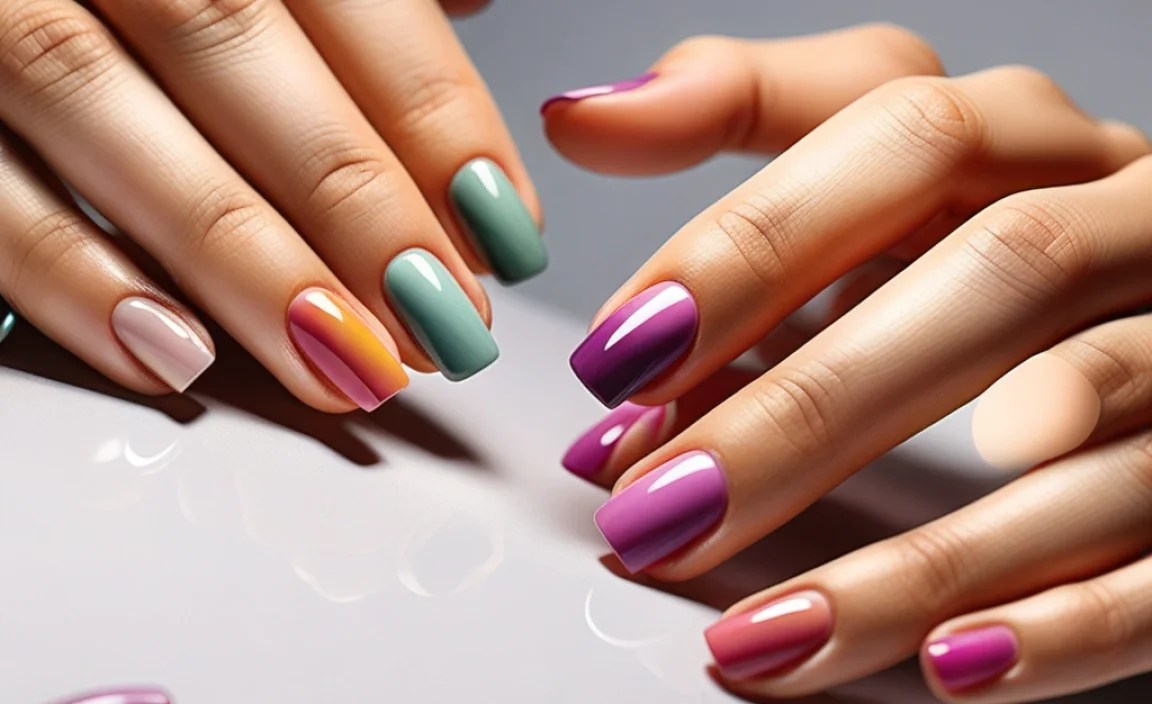
Blending colors on nails is more than just pretty; it offers a unique way to add depth, dimension, and personality to your manicure. It can mimic natural phenomena like sunsets or ocean waves, or create bold, abstract designs. For beginners, it’s a forgiving technique that allows for happy accidents and beautiful, unexpected results. It’s also an incredibly versatile skill that can be adapted to any color palette and occasion.
Essential Tools for Effortless Blending
Before we get our hands (and nails!) dirty, let’s gather our tools. The beauty of blending is that you don’t need a professional nail art studio. Many of these items are probably already in your home or easily accessible at a drugstore. Having the right tools makes all the difference, turning a potentially messy experiment into a smooth, enjoyable process.
The Must-Haves:
- Nail Polish: Choose at least two colors you love! For beginners, opt for creamy, opaque polishes that aren’t too sheer or too thick.
- Base Coat: Protects your natural nails and helps polish adhere better.
- Top Coat: Seals your masterpiece and adds shine.
- Sponge: A makeup sponge (new and dry!) or a cosmetic wedge is perfect. These create a textured surface for seamless color transition.
- Toothpicks or Dotting Tools: Useful for cleaning up edges and making minor adjustments.
- Nail Polish Remover: For those inevitable little spills and clean-ups.
- Cotton Swabs or Rounds: For precise cleaning around the nail.
- Clean-up Brush (Optional): A small, flat brush can be a game-changer for tidying up cuticles.
- Matte Top Coat (Optional): For a trendy, modern finish.
Technique 1: The Sponge Ombre (Your New Best Friend!)

This is hands-down the easiest and most popular method for achieving a beautiful blended look. It creates a soft, seamless gradient that looks incredibly professional, yet it takes just minutes to do.
Step-by-Step Sponge Ombre:
- Prep Your Nails: Start with clean, dry nails. Apply your base coat and let it dry completely. This protects your nails and creates a smooth canvas.
- Apply Your First Color: Paint the first color of your choice onto one section of your nail. For a typical ombre, this might be your cuticle area or one side. Let it dry for a minute or two.
- Apply Your Second Color: Next, apply your second color next to the first one on the same nail. Make sure the colors slightly overlap where they meet on your nail. You want a clean line of separation on your nail, but the polish should touch.
- Grab Your Sponge: Take your clean, dry makeup sponge or cosmetic wedge. Gently dab the sponge onto the area where the two colors meet on your nail. You’re essentially picking up the edge of each color and pressing them together onto the sponge.
- Start Blending!: Now, gently dab the sponge onto your nail, starting from the cuticle or edge where your first color is. Roll or press the sponge onto the nail, layering the colors and blending them together. You’ll see the colors start to melt into each other!
- Layer and Repeat: You might need to reapply the polish colors to your nail and dab with the sponge a few times to build up the intensity of the blend. Don’t press too hard; gentle dabbing is key. The more you dab, the smoother the transition will become.
- Clean Up: This is where your nail polish remover and cotton swabs/rounds come in handy! Carefully clean up any polish that got onto your skin or cuticles. A clean-up brush dipped in remover is excellent for precision.
- Add More Colors (Optional): Want a three-color blend? No problem! Apply your third color next to the second, and repeat the sponge dabbing process.
- Seal the Deal: Once you’re happy with your blend and all the clean-up is done, apply a generous layer of top coat. This smooths out any texture from the sponge and locks in your design. You can also use a matte top coat for a different vibe!
If the sponge technique feels a little tricky at first, don’t worry! It takes a little practice to get the pressure and dabbing motion just right. Remember, the goal is to blend, not to paint a perfect line. Embrace the slight texture the sponge might leave; it adds character!
Technique 2: The Dripping Brush or Water Marble Effect

This technique is a bit more advanced but results in stunning, almost abstract, marbled patterns. It involves using a brush and water to create swirling, interconnected colors. This method requires a bit more patience and a steady hand, but the results are truly unique.
Getting Started with Dripping Brush/Water Marble:
- Prepare a Water Basin: Fill a small cup or bowl with room-temperature water. Room temperature is important; too hot or too cold can make the polish behave unexpectedly.
- Your Color Palette: Choose 2-4 polishes you want to marble. Lighter colors tend to show up better against darker ones.
- The Magic Drip: Take your first polish and hold the brush above the water. Let a single drop of polish fall into the water.
- Continue Dripping: Immediately follow with drops of your other colors, letting them fall on top of or around the first drop. Try to create concentric circles or a pleasing pattern.
- Swirl It Up: Grab a toothpick or a fine-tipped tool. Gently swirl the colors together. Don’t over-swirl! Just a few gentle turns to create beautiful patterns.
- Prepare Your Nail: Before you dip, apply a thick layer of petroleum jelly or latex nail tape around your cuticle. This protects your skin from getting polish on it.
- The Dip: Carefully dip your nail into the swirling polish design. Angle your nail slightly to capture the pattern effectively.
- Remove Excess Polish: As you pull your nail out, use the edge of the cup to skim off the excess polish on the water’s surface. This prevents a thick, messy layer from getting onto your skin.
- Clean Up: Now, very carefully use your cotton swabs and nail polish remover to clean up the edges around your nail. This is where the petroleum jelly or tape really helps!
- Top Coat: Once your nail is clean and the polish is dry, apply a clear top coat to seal and protect the design.
“Water marbling is a technique that has been around for a while,” says professionals from the International School of Nail Technology. “With practice and the right polishes, you can create breathtaking, one-of-a-kind designs that resemble precious stones or intricate fabrics.”
Technique 3: The Brush-Stroked Gradient
This method uses a thin nail art brush to create a more controlled gradient effect. It’s great for cleaner lines and more defined color transitions than the sponge method, but still very manageable for beginners.
Achieving a Brush-Stroked Gradient:
- Base Coat: Apply your base coat and let it dry.
- First Color: Paint your first color onto your nail. This could be the entire nail or just a section.
- Apply Second Color: While the first color is still slightly wet (or you can reapply a thin layer if it’s dry), take your thin nail art brush. Dip the brush into your second color.
- Gentle Blending: Gently brush the second color onto your nail, overlapping the first color slightly. Use light, sweeping motions. Think of it like softly blending pastels.
- Wipe and Repeat: Wipe any excess polish from your brush on a paper towel before picking up more polish. This prevents muddiness. Clean your brush with nail polish remover if you switch colors or if it gets too clumpy.
- Build the Blend: Continue adding layers or colors as desired, using the brush to gently blend where the colors meet.
- Clean Up: Tidy up your cuticles and skin with nail polish remover.
- Top Coat: Finish with a top coat for shine and protection.
The key here is to use a very light touch. Don’t try to force the colors together. Let the brush do the work with gentle strokes. This technique is fantastic for creating more subtle, sophisticated gradients.
Choosing Your Colors: A Beginner’s Guide
Picking the right color combinations can make a huge difference in your blended manicure. Here are some ideas to get you started:
Color Combo Inspiration:
- Classic Ombre: Two shades of the same color family (e.g., light pink to dark pink, baby blue to navy). This is foolproof and always chic.
- Sunset Vibes: Yellow, orange, and pink or red. Blend them together for a dreamy sunset effect on your nails.
- Ocean Breeze: Shades of blue and green, perhaps with a touch of white or teal. Think mermaid scales or tropical waters.
- Monochromatic Magic: Use different shades and finishes of the same color. For example, a matte black blended into a metallic black.
- Bold & Bright: Contrasting colors like purple and yellow, or teal and orange. These make a statement!
A helpful tip:
- Don’t be afraid to experiment! Even colors you wouldn’t normally pair can look stunning when blended together.
- Start with 2-3 colors max if you’re a total beginner. That keeps it simple and manageable.
Common Blending Challenges and How to Fix Them
Even with the easiest techniques, you might run into a few hiccups. Don’t fret! Most blending “mistakes” are easily fixable. Here’s a look at common issues and their solutions:
| Problem | Cause | Solution |
|---|---|---|
| Colors look muddy or dull | Polishes mixed too much on the sponge/brush; colors are too similar and lack contrast. | Wipe your sponge/brush clean more often. Ensure good contrast between colors. For sponge blends, try dabbing the colors ONCE in the center of the nail before feathering out. For brush blends, use lighter, more distinct strokes. |
| Sponge texture too visible | Pressing too hard with the sponge; polish is too thick or too thin. | Use a lighter touch with the sponge. Apply thinner coats of polish. If the polish is too thin, try a second coat of just the base color before blending. If too thick, try another lighter dab with the sponge. |
| Uneven or streaky blend | Uneven application of polish to the sponge/nail; not enough blending time. | Ensure polish is applied evenly to the sponge. Dab gently and repeatedly until you achieve a smooth transition. For brush blends, ensure even strokes and re-apply colors as needed. |
| Polish on skin/cuticles | Messy application; not enough clean-up time. | This is normal! Use a cotton swab dipped in nail polish remover for clean-up. A small, stiff brush (like an old eyeliner brush) dipped in remover is amazing for precision around the cuticle. Always do this before applying top coat. |
| Colors not blending at all | Polish is too dry; wrong type of polish (e.g., glitter polish can be tricky). | Work quickly while the polish is still wet. For glitter or metallic polishes, try applying them to the sponge or brush in a slightly more concentrated area and gently tapping them onto the nail where you want the transition. |
Remember that your first few attempts might not be perfect, and that’s completely okay! The beauty of nail art is that it’s a process of learning and discovery. Each manicure is an opportunity to refine your technique and express your unique style. The external resource Nails Magazine also offers great tips for salvaging common nail art mishaps, which can be super helpful when you’re experimenting.
Tips for Long-Lasting Blended Nails
Once you’ve achieved your stunning blended masterpiece, you’ll want it to last! Here are a few tips to maximize the lifespan of your manicure:
- Always use a base coat. This prevents staining and creates a better surface for polish adherence, which can help prevent chipping.
- Apply thin coats of polish. Thick coats are more prone to chipping and don’t dry as well.
- Cap your free edge. This means running your top coat (and sometimes even your colored polish) along the very tip of your nail. It seals the edge and significantly reduces chipping.
- Use a quality top coat. A good top coat adds shine and protects your nail art from daily wear and tear. Consider a gel-like top coat for extra durability.
- Don’t pick or peel! Resist the urge to pick at any lifting polish. This will only cause more damage and lead to early removal.
- Wear gloves for chores. When washing dishes, cleaning, or gardening, wear gloves to protect your nails from harsh chemicals and excessive moisture.
Frequently Asked Questions (FAQs)
Q1: Can I blend any type of nail polish?
While most creamy, opaque polishes blend beautifully, glitter, metallic, and very sheer polishes can be trickier. Start with cream finishes for the easiest experience.
Q2: How do I make the colors appear more vibrant?
Ensure your base is opaque. For very sheer colors, you might want to apply a solid coat of a white or nude polish first, let it dry, and then create your blended design on top. Also, don’t be afraid to apply a second layer of your blended design if needed.
Q3: My blended nails look textured. How can I make them smooth?
This is common with the sponge method! A generous application of a good quality top coat will smooth out most texture. You might need two coats of top coat to achieve a perfectly smooth finish.
Q4: How long does a blended manicure typically take?
For beginners using the sponge method, you can expect to spend about 15-30 minutes per hand, including clean-up and top coat. The water marble technique can take longer due to the precision required.
Q5: Can I use acrylic paints for blending?
Yes, you can! If you’re using acrylic paints (often done over a dried polish base), clean-up is even easier. They dry quickly and offer vibrant colors. Just ensure you seal them with a water-based top coat first, then follow with your regular top coat.
Q6: Is the sponge method good for short nails?
Absolutely! The sponge method works perfectly for all nail lengths. For shorter nails, you’ll simply use less of the sponge and focus the blending on a smaller area.
