To price custom nail art, combine material costs, your time, complexity, and desired profit margin. A beginner-friendly strategy involves setting a base price for your service and adding tiered charges for intricate designs, precious materials, and extra time.
Getting your nails done should be a fun way to express yourself! Sometimes, you dream up the perfect nail art design, only to be a little unsure how much it should cost. We’ve all been there, wondering if a gorgeous hand-painted floral accent nail is the same price as a full set of sparkly, gem-encrusted masterpieces. It can feel tricky, right? Don’t worry, figuring out a fair and sensible price for custom nail art is simpler than you think. This guide will break it down so you can feel confident about pricing your stunning creations.
Why Pricing Custom Nail Art Can Be Tricky

Pricing custom nail art isn’t as straightforward as a standard manicure. It’s because every design can be wonderfully unique! You might be painting tiny portraits, embedding delicate charms, or using special, rare pigments. This means a one-size-fits-all price tag just won’t do. Many nail artists struggle with this, either undercharging and feeling overworked, or overcharging and potentially scaring away clients. The goal is to find that sweet spot: valuing your skills and materials while making your art accessible.
Understanding the Core Components of Nail Art Pricing

Think of pricing your custom nail art like building blocks. Each element adds to the final cost, ensuring you’re compensated fairly for your effort and the beautiful work you create.
1. Material Costs: The Building Blocks of Beauty
Every brushstroke, every tiny gem, every drop of polish adds up! You need to account for everything that goes onto the nails.
Polishes and Gels: Standard colors are one thing, but what about specialty polishes like chrome powders, magnetic gels, cat-eye effects, or even hand-mixed custom shades? These often cost more.
Embellishments: Think rhinestones, pearls, studs, glitter, foils, charms, dried flowers, and even 3D sculpted elements. The price and quantity of these can significantly impact costs. For example, a single Swarovski crystal will cost more than a handful of basic rhinestones scattered across one nail.
Tools and Supplies: While not directly applied to every nail art set, consider the cost of specialized brushes, dotting tools, fine-tip pens, stencils, and even good quality nail glue or builder gel for applying 3D elements or intricate accents. You need to factor in their wear and tear or replacement cost.
Prep and Finish Products: While often standard, don’t forget top coats, base coats, primers, and nail cleansers. If you use high-end brands or special finishing products for longevity or a unique shine, these can add up.
A good practice is to keep a small spreadsheet or notebook where you track the cost of your most-used specialty materials. This way, when a client requests a specific effect, you can quickly check what it cost you. Resources like GemSelect.com can give you an idea of gemstone pricing, which can be a reference point for understanding the value of small, intricate embellishments.
2. Your Time: The Most Valuable Ingredient
This is perhaps the most crucial, and often undervalued, part of pricing. Your skill, precision, and creativity are what make the nail art unique.
Execution Time: How long does it actually take you to create the design? Be honest! This includes not just painting but also curing gel, applying embellishments, and ensuring everything is perfectly placed.
Complexity of Design: A simple polka dot pattern takes less time and skill than an intricate floral scene or a detailed portrait. Highly detailed work demands more focus and often requires specialized techniques.
Consultation and Prep: Don’t forget the time spent discussing the design with your client, sketching if necessary, and preparing the nails properly.
Clean-up and Final Touches: The time spent cleaning up cuticles, applying a perfect top coat, and ensuring the overall finish is salon-ready is also part of your service.
Many artists use an hourly rate for their time. For beginners, this might start lower, while experienced artists with a strong portfolio can command higher rates.
3. Skill Level and Experience: The Expert Factor
Your expertise is what clients are paying for! The more skilled and experienced you are, the more you can charge.
Beginner: Just starting out? It’s okay to price more conservatively. Focus on building your portfolio and gaining experience.
Intermediate: You’ve honed your basic skills and are now comfortable with a wider range of techniques. Your pricing can reflect this growing confidence and proficiency.
Advanced/Professional: You have a strong portfolio, a reputation, and can execute complex designs with speed and precision. You can charge premium prices for your mastery.
4. Overhead Costs: The Unseen Expenses
Even if you work from home, there are costs associated with running your nail art business.
Salon Space (if applicable): Rent, utilities, insurance.
Supplies & Inventory: Replenishing polishes, gels, brushes, lamps, etc.
Education & Training: Courses, workshops to improve your skills.
Marketing & Advertising: Website, social media ads, business cards.
Tools & Equipment: Upgrading nail lamps, investing in new tools.
Software & Admin: Booking systems, accounting software.
While you might not add a specific dollar amount for each of these to every single nail art set, understanding your overall business expenses helps you set prices that ensure profitability.
5. Profit Margin: Growing Your Passion
After covering costs, you want to make a profit! This is what allows you to reinvest in your business, take a well-deserved break, and grow as an artist. A typical profit margin can range from 20% to 50% or more, depending on your business model and goals.
A Genius Pricing Strategy: The Tiered System
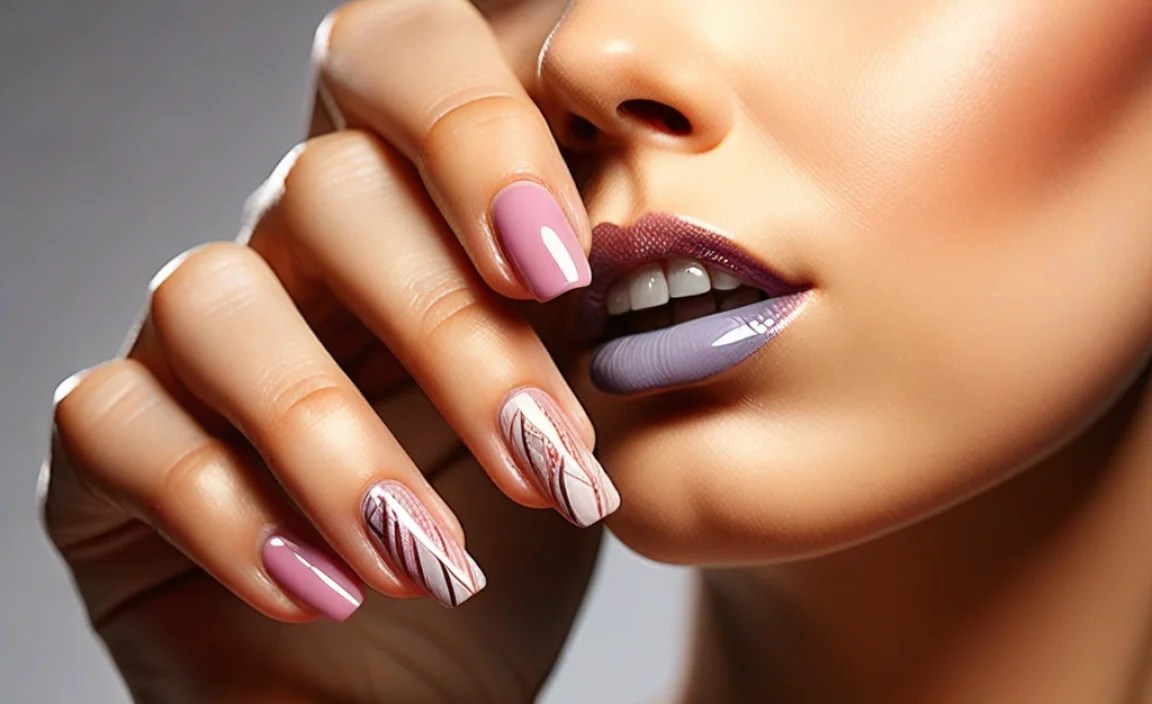
This strategy is beginner-friendly and scales perfectly as your skills and client base grow. It breaks down pricing into easily understandable tiers, making it simple for clients to choose and for you to implement.
Step 1: Calculate Your Base Manicure Price
This is the cost of a standard, plain manicure (e.g., one color gel polish, file, and shape).
Formula: (Cost of basic supplies + Your minimum hourly wage x Time taken for standard manicure) / (1 – desired profit margin percentage)
Example:
Let’s say your basic supplies for a plain gel manicure (base, top, color) cost $2. You want to pay yourself at least $20/hour, and a plain manicure takes 30 minutes. Your desired profit margin is 30%.
Time Cost: $20/hour 0.5 hours = $10
Total Cost: $2 (supplies) + $10 (labor) = $12
Base Price: $12 / (1 – 0.30) = $12 / 0.70 = $17.14. We can round this up to $18 for a plain gel manicure.
Step 2: Create Nail Art Tiers Based on Complexity and Materials
Now, build upon your base price with distinct tiers. These tiers should clearly communicate what clients are getting for their money.
Here’s a breakdown of a popular tiered system:
Tier 1: Accent Nail Art (Simple)
Description: This includes simple designs on one or two accent nails. Think dots, simple stripes, basic ombre, a single glitter gradient, or a small decal.
Pricing: Add a small surcharge to the base price for each accent nail.
Example: Base Price + $3 – $7 per accent nail.
When it’s good: Perfect for clients who want a touch of flair without a full art experience.
Tier 2: Full Nail Art (Moderate Complexity)
Description: This tier covers designs that extend across all fingers but maintain a moderate level of complexity. Examples include French tips (classic or colored), simple floral patterns, marble effects, or full nail glitter application.
Pricing: A flat rate added to the base price for the whole set, or a per-nail price that’s slightly higher than Tier 1.
Example: Base Price + $20 – $40 for the full set, OR $5 – $10 per nail.
When it’s good: Great for clients who want a noticeable design on every nail.
Tier 3: Detailed & Intricate Art (High Complexity)
Description: This is for designs that are time-consuming, require advanced techniques, and often involve detailed hand-painting, fine lines, intricate patterns, 3D elements, or the application of premium embellishments like crystals or charms. Think portraits, detailed landscapes, complex geometric patterns, or full-coverage hand-painted designs.
Pricing: This tier often moves towards an hourly rate for the art portion, or a higher flat fee. It’s crucial to estimate the time involved accurately.
Example: Base Price + $15 – $30+ per nail, depending on the detail, OR an hourly rate for art time (e.g., $30-$60/hour).
When it’s good: For the most elaborate and personalized nail art dreams.
Tier 4: Premium & Embellished Art (Luxury)
Description: This tier is for designs that use premium materials like Swarovski crystals, bespoke charms, or involve extensive 3D sculpting and intricate placement of multiple embellishments. This can also include extremely detailed, time-intensive art that uses specialized pigments or techniques.
Pricing: This should definitely be priced per nail, factoring in the high cost of materials and extended time.
Example: Base Price + $10 – $100+ per nail, depending on the embellishment and complexity.
When it’s good: For clients seeking a show-stopping, luxurious finish for special occasions.
Step 3: Integrate Material Costs into Your Tiers
For higher tiers, especially with premium embellishments, you need to factor in the actual cost of those specific materials.
Small Embellishments (e.g., fine glitter, micro-beads): Often included in the tier pricing or a small additional charge per nail ($1-$3).
Larger/Premium Embellishments (e.g., charms, gems, larger crystals): Price these per piece, or add a significant surcharge per nail.
Example: A custom charm might add $5-$15 per nail. A strip of small crystals could add $10-$20 to the nail. Full coverage with individual gems is where hourly rates become essential. A Gemological Institute of America (GIA) resource can help you understand the value and quality of gemstones if you deal with higher-end stones.
Step 4: Factor in Design Complexity and Time Estimates
This is where your artistic judgment comes in!
Simple: 5-15 minutes per nail (Tier 1)
Moderate: 15-30 minutes per nail (Tier 2)
Detailed: 30-60+ minutes per nail (Tier 3)
Premium: Can be several hours for a full set of elaborate designs (Tier 3/4)
Pro-Tip: Always add a small buffer to your time estimate! It’s better to finish early than to run over and feel rushed.
Putting It All Together: Example Pricing Scenarios
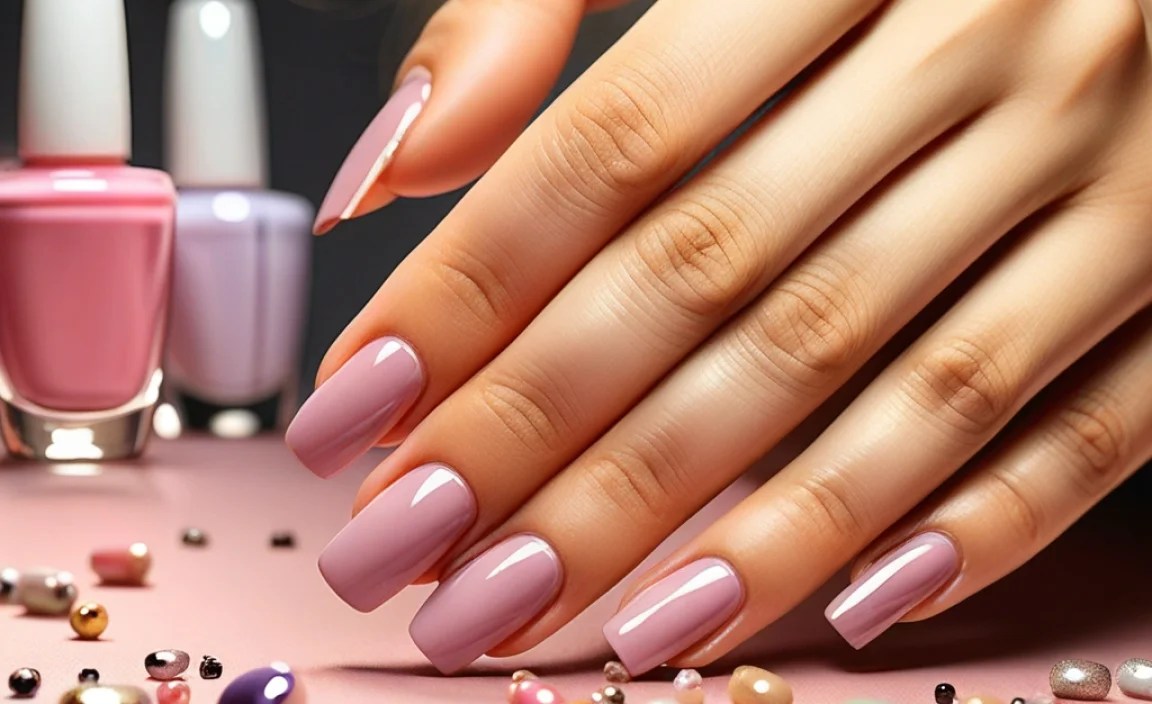
Let’s see how this works with a few examples, assuming our base price for a plain gel manicure is $50.
Scenario 1: Subtle Sparkle
Client wants a classic French tip on all nails, plus a light glitter fade on the ring finger of each hand.
Base Manicure: $50
Full nail French tips (Tier 2): +$30
Glitter fade accent (Tier 1, using standard glitter): +$5 per nail x 2 nails = +$10
Total: $90
Scenario 2: Blooming Elegance
Client wants a hand-painted floral design on the ring finger of each hand, with a different simple floral on the other accent nails, and all other nails are a solid color.
Base Manicure: $50
Solid color nails: Included in base for remaining nails.
Intricate floral ring finger (Tier 3, estimate 30 mins per nail): +$20 per nail x 2 nails = +$40
Simple floral accent nails (Tier 2, estimate 15 mins per nail): +$8 per nail x 2 nails = +$16
Total: $106
Scenario 3: Diamond Dream
Client wants full coverage with small crystals on the ring finger of each hand, delicate crystal accents on the index fingers, and a full chrome finish on all other nails.
Base Manicure: $50
Full Chrome finish (Tier 2): +$25
Small crystal accents (Tier 4, moderate estimate): +$10 per nail x 2 nails = +$20
Full crystal coverage on ring fingers (Tier 4, high estimate for material & time): +$50 per nail x 2 nails = +$100
Total: $195 (Note: This price reflects high-level design and premium materials. Ensure your client understands what this entails.)
Pricing Made Easy: A Quick Reference Table
Here’s a simplified table to help visualize the tiered pricing structure.
| Service Type | Description | Pricing Structure Example (Based on $50 Base) | Estimated Time Per Hand/Nail |
|---|---|---|---|
| Base Manicure | Solid color gel polish, file, shape. | $50 | 25-30 min total |
| Tier 1: Accent Nail (Simple) | Dots, stripes, single glitter nail, basic ombre on 1-2 nails. | Base + $3-$7 per nail | 5-15 min per nail |
| Tier 2: Full Nail (Moderate) | French tips, marble, simple florals, full glitter, basic cow print on all nails. | Base + $20-$40 for set OR $5-$10 per nail | 15-30 min per nail |
| Tier 3: Detailed & Intricate | Hand-painted detailed designs, portraits, complex geometry, significant 3D elements. | Base + $15-$30+ per nail OR hourly rate ($30-$60+/hr) for art | 30-60+ min per nail |
| Tier 4: Premium & Embellished | Luxury crystals (Swarovski), custom charms, intricate 3D sculpting, full stone coverage. | Base + $10-$100+ per nail (material cost + time) | 45 min – 2+ hours per set |
Tips for Communicating Your Pricing Clearly
Transparency is key to happy clients and a smooth business.
Have a Clear Price List: Make sure your pricing structure, including your base service and art tiers, is readily available. You can display it in your salon, on your website, or in your booking system.
Use Visual Examples: Show pictures of what each tier generally looks like. This helps clients understand the difference between “simple accent” and “intricate detail.”
Provide a Consultation: Before starting, always discuss the design with your client. Show them your inspiration pictures, discuss their vision, and give them a price estimate based on their choices.
Discuss Material Costs Upfront: If a client requests specific expensive gems or charms, clearly state the additional cost per piece or per nail.
Be Confident: Don’t apologize for your prices. You’ve calculated them based on your skill, time, and the quality of materials you use. Present them professionally.
Offer Options: If a client loves a complex design but it’s outside their budget, offer a scaled-down version or suggest a similar but simpler design that fits their price range.
Common Pricing Pitfalls to Avoid
Even with a great strategy, beginners can stumble. Watch out for these:
Undercharging: This is the most common mistake. It leads to burnout, resentment, and devalues your skill. Remember, your artistry is valuable!
Not Accounting for Time: Estimating too quickly or underestimating how long intricate work takes is a fast track to working for less than minimum wage.
Forgetting Material Costs: Especially with specialty products and embellishments, if you don’t track their cost, you’ll lose money.
Inconsistent Pricing: Pricing the same design differently for different clients. Consistency builds trust.
Fear of Charging for Complexity: Clients expect to pay more for more detailed work. Don’t be afraid to ask for it!
As a beginner, it’s helpful to look at what established artists in your area are charging, but don’t just copy them. Understand why they charge what they do – often it’s based on years of experience, a strong brand, and a proven reputation for quality. Understanding the cost of business.
