Mastering negative space geometric nail designs is easier than you think! This guide offers simple tips and tricks to create chic, modern manicures at home. Learn about essential tools, easy techniques, and creative ideas to elevate your nail art game with clean lines and stunning empty space.
Ever look at those effortlessly cool geometric nails and think, “There’s no way I can do that”? It’s totally understandable! Negative space manicures, with their clean lines and artful use of unpolished areas, can seem intimidating. But what if I told you it’s actually quite achievable, even for beginners? The secret lies in understanding a few key principles and having the right approach. Forget complicated dotting tools or fancy brushes for a moment; sometimes, the simplest designs pack the biggest punch. We’re about to break down how to create stunning negative space geometric nail art that looks professionally done, right from your own home. Get ready to unleash your inner nail artist!
What is Negative Space Nail Art?
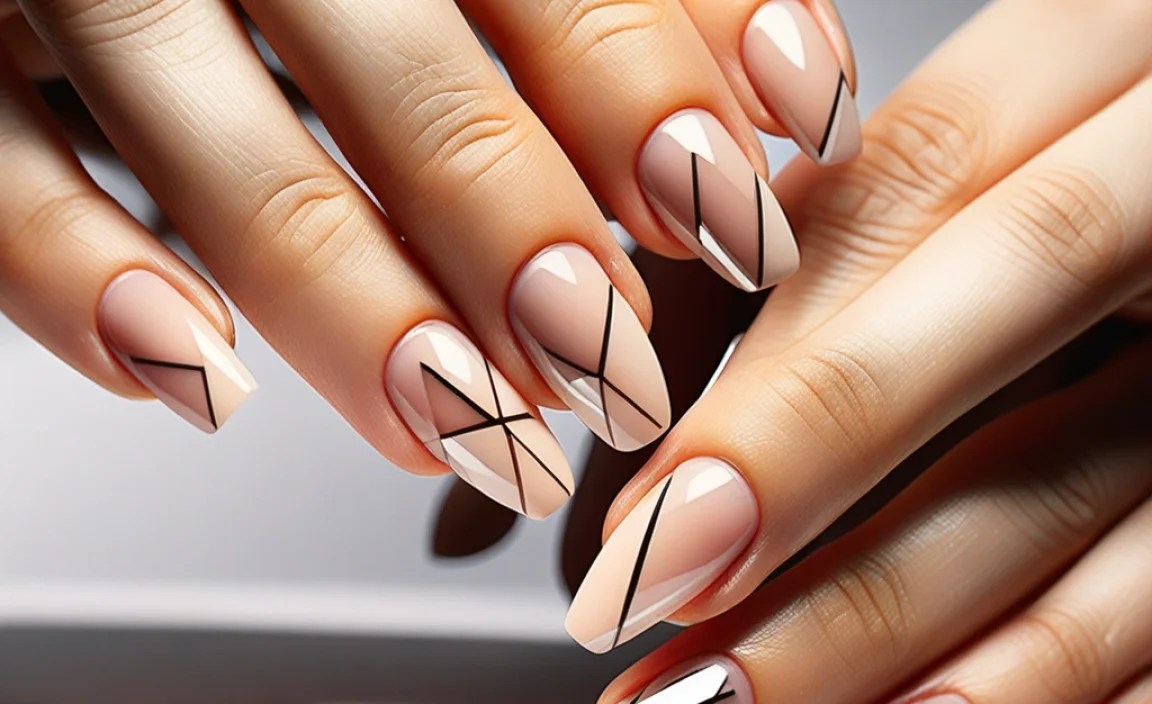
Negative space nail art is a design technique that intentionally leaves parts of the nail bare, or unpolished. Instead of covering the entire nail bed with color, you strategically use the natural nail or a sheer base coat as part of the design. Think of it like a sketch where the white of the paper is just as important as the lines drawn on it. This creates a sophisticated, modern, and often minimalist look.
Geometric nail art, when combined with negative space, plays with shapes like lines, triangles, squares, and abstract forms. The unpolished areas help these shapes stand out, giving the design depth and a unique visual appeal. It’s a fantastic way to experiment with color and pattern without overwhelming your nails.
Why Try Negative Space Geometric Designs?
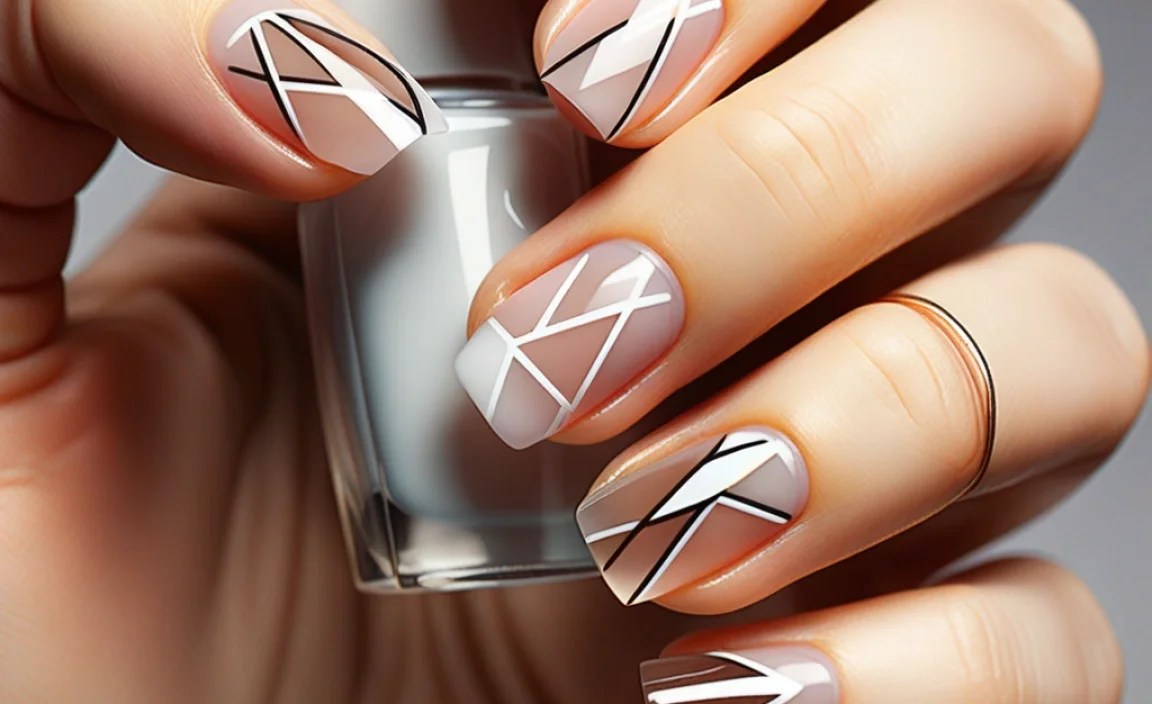
There are so many reasons why this trend has captured our hearts (and fingertips!):
- Chic & Modern Aesthetic: It instantly elevates your look with a sophisticated, minimalist vibe.
- Versatile: These designs work for any occasion, from everyday wear to special events.
- Easy to Customize: You can play with different color palettes, shapes, and patterns to match your personal style.
- Beginner-Friendly: Many negative space designs require simpler techniques than full-coverage art.
- Less is More: It can be a great way to have stylish nails without needing a lot of polish or time.
- Durability: Often, these designs can last longer as they don’t always involve chipping color at the cuticle.
Essential Tools for Negative Space Geometric Nail Art
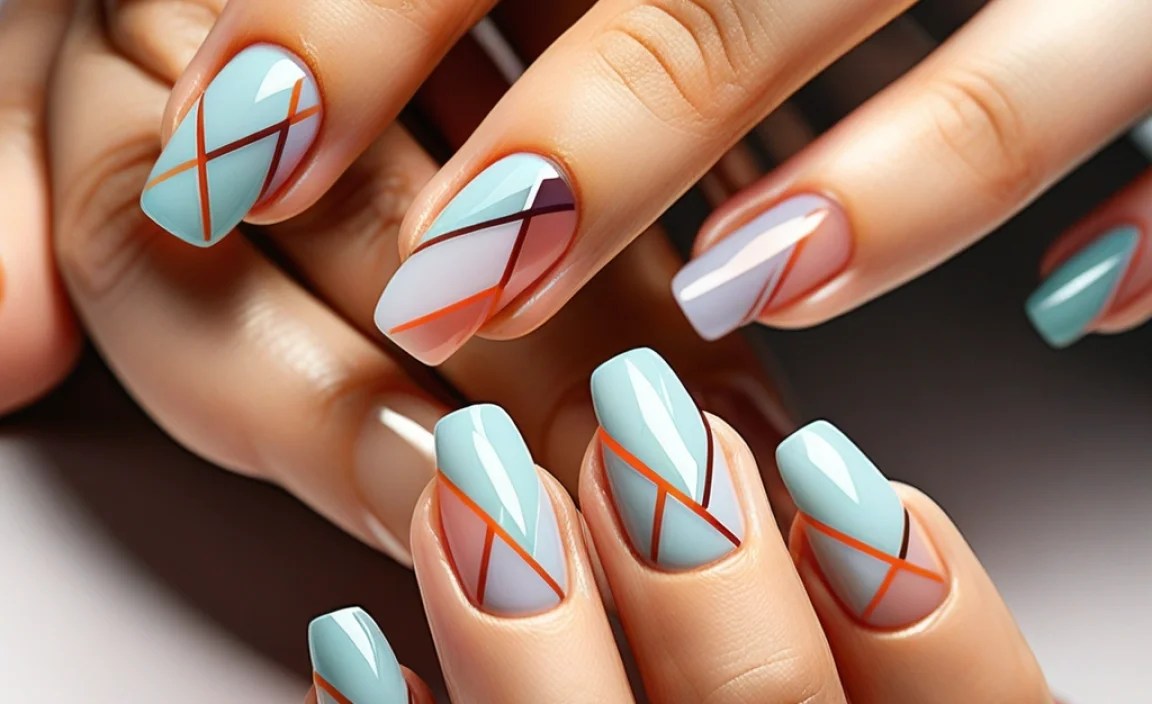
You don’t need a professional salon setup to create beautiful geometric negative space nails. Here are the key tools that will make your DIY manicure a breeze:
Polishes & Base Essentials
- Base Coat: Crucial for protecting your natural nail and helping polish adhere better. Look for one that offers a smooth finish.
- Top Coat: Seals your design, adds shine, and protects against chipping. A good quick-dry top coat is a lifesaver!
- Your Chosen Polish Colors: Think about your palette! Contrasting colors often work well with negative space, but monochromatic looks can be equally stunning.
- Clear Polish: Sometimes, you just need a clear polish to act as an adhesive for glitter or to create subtle glossy accents.
Application & Precision Tools
- Fine-Tip Nail Art Brushes: These are your best friends for drawing clean, precise lines. Having a few different sizes can be helpful. You can find great options from brands like. Born Pretty, which offers a variety of styles.
- Painter’s Tape or Nail Stencils: For perfect straight lines and sharp geometric shapes, tape is invaluable. You can also use specialized nail art tape for intricate patterns.
- Tweezers: Handy for precisely placing tape or stencils.
- Cuticle Pusher or Orangewood Stick: To clean up any polish mistakes around your nail edges.
- Nail Polish Remover Pads/Cotton Swabs: For quick cleanups.
Optional but Helpful
- A Peel-Off Base Coat: This can be a game-changer for intricate tape designs, making removal super clean and easy.
- Dotting Tools: While we’re focusing on geometric shapes, a dotting tool can add small accent dots if desired.
Getting Started: Prep is Key!
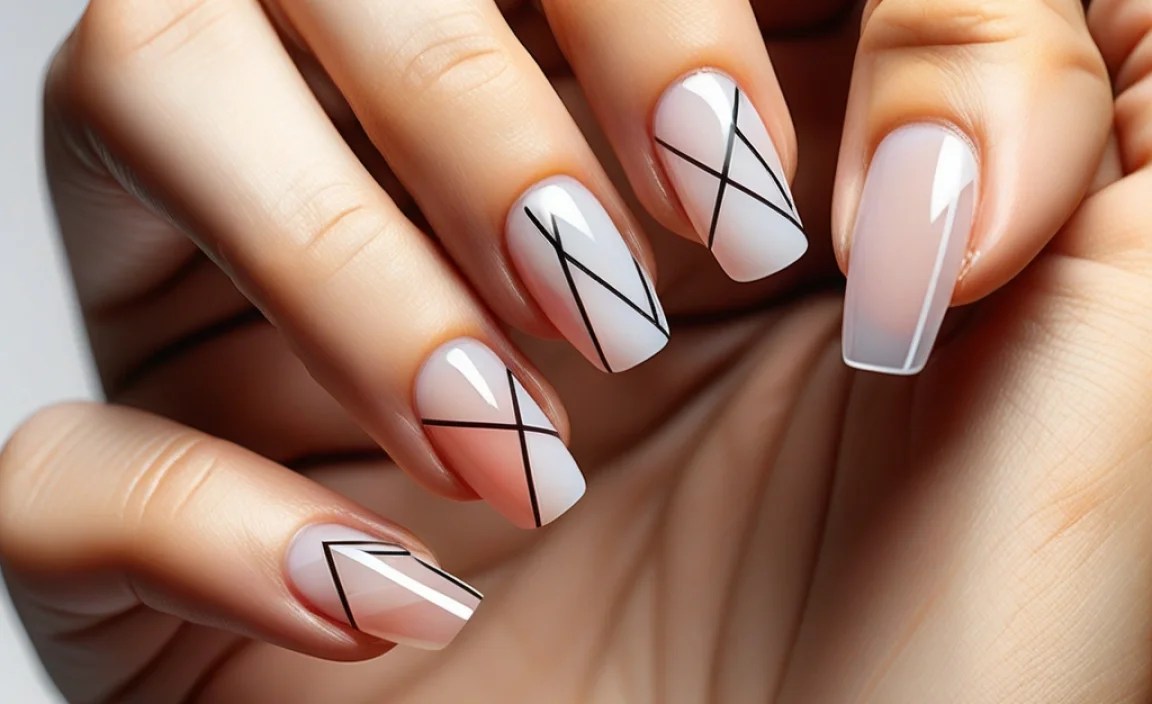
Before diving into any nail art, proper nail preparation is non-negotiable. It ensures your design lasts longer and looks its absolute best. Think of it as preparing a canvas before painting!
- Clean Your Nails: Start with clean, dry nails. Remove any old polish thoroughly.
- Shape Your Nails: File your nails to your desired shape. Aim for smooth, even edges.
- Push Back Cuticles: Gently push back your nail cuticles using an orangewood stick or a cuticle pusher. This creates a clean surface for your design and prevents polish from lifting.
- Buff (Optional): Lightly buff the surface of your nails to create a smooth, uniform canvas and remove any natural oils. Be gentle; you don’t want to thin your nail plate!
- Apply Base Coat: This is a vital step! A good base coat protects your nails from staining and helps your polish adhere. Let it dry completely.
Taking these few minutes for prep will make all the difference in the final look and longevity of your negative space geometric nail design.
Beginner-Friendly Negative Space Geometric Design Techniques
Let’s get to the fun part! Here are some simple ways to achieve amazing negative space geometric looks, perfect for those just starting out.
Technique 1: The Tape Method (For Straight Lines & Squares)
This is perhaps the easiest way to create sharp geometric lines and patterns. It relies on using painter’s tape or nail art tape to block off areas of your nail.
Steps:
- Apply Base Coat: Ensure your base coat is fully dry.
- Apply Your First Color (Optional): You can paint your entire nail with a sheer nude base or a subtle color if you like, or opt for pure negative space. Let it dry completely.
- Apply Tape: Carefully place strips of painter’s tape or nail art tape onto your nail to create your desired pattern. Think triangles, stripes, or partitioned sections. Press down the edges firmly to prevent polish from bleeding underneath.
- Paint Over the Tape: Apply your chosen polish color(s) over the taped areas. You might need two coats for opacity.
- Remove Tape While Polish is Wet: This is the crucial step for clean lines! As soon as you’ve finished applying your color over the tape, gently and carefully peel off the tape. If you wait for the polish to dry, it can peel off with the tape, leaving jagged edges. Use tweezers for a precise pull.
- Let Polish Dry: Allow the polish to dry completely.
- Apply Top Coat: Once everything is dry, seal your design with a clear top coat.
Pro Tip:
For an even cleaner finish, consider using a peel-off base coat before applying your colored polish and tape. Once your design is complete and dry, you can peel off the entire design cleanly, then apply a regular base coat and top coat to the natural nail.
Technique 2: The Freehand Line Method (For Minimalist Accents)
This technique is perfect for adding simple lines or subtle geometric accents to your nails.
Steps:
- Apply Base Coat: Start with a clean, prepped nail and a dry base coat.
- Apply Sheer or Nude Polish (Optional): A sheer or nude polish can serve as the perfect “negative space” canvas. Let one or two thin coats dry completely.
- Dip Your Brush: Dip a fine-tip nail art brush into your chosen polish color. Wipe off any excess polish on the side of the bottle or a palette so you have a controlled amount of polish on the brush – this is key for thin, crisp lines.
- Draw Your Lines: Gently draw your desired lines. You can create simple vertical, horizontal, or diagonal lines, or connect them to form minimalist shapes like chevrons or outlines of squares. Start with lighter pressure and build line thickness if needed.
- Repeat for More Lines/Shapes: Add more lines or shapes as desired, ensuring you let each line dry slightly before drawing another one that crosses it to avoid smudging.
- Let Fully Dry: Allow all drawn polish to dry completely.
- Apply Top Coat: Carefully apply a thin layer of top coat over the entire nail.
Pro Tip:
Practice drawing lines on paper first to get a feel for your brush and the amount of pressure needed. If you make a mistake, a fine-tipped cotton swab dipped in nail polish remover can carefully clean up the line before it dries.
Technique 3: Stencil & Negative Space Combo
Combine the precision of stencils with the trendy appeal of negative space for intricate designs.
Steps:
- Apply Base Coat: Start with your prepped nail and a dry base coat.
- Apply a Solid Color Base (Optional): You can paint the entire nail with one color, or just one section. Let it dry completely. This color will show through the stencil openings.
- Place Your Stencil: Carefully apply a nail art stencil (geometric patterns work best) onto your nail where you want the design. Ensure it’s pressed down firmly.
- Paint Over the Stencil: Apply your chosen polish color lightly over the stencil. Avoid flooding the stencil.
- Remove Stencil While Wet: Just like with the tape method, carefully and quickly lift the stencil away while the polish is still wet.
- Allow Polish to Dry: Let the painted areas dry completely.
- Create Negative Space Elements: Now, using either the tape method or freehand brushes, add your negative space lines or shapes around the stenciled elements. Paint these onto the parts of the nail that were left bare.
- Apply Top Coat: Finish with a protective top coat.
Pro Tip:
For very intricate stencils, consider dabbing the polish on with a makeup sponge for a more even application and less risk of bleed-through.
Creative Negative Space Geometric Design Ideas
Ready to get inspired? Here are some popular and easy-to-recreate negative space geometric designs:
1. The Half-Moon Accent
Concept: Paint only the top half or bottom half of your nail with a color, leaving the other half bare. You can make a clean line or a rounded “half-moon” shape.
How-To: Use painter’s tape to create a sharp dividing line or use a rounded stencil. Paint one section, let it dry, remove tape/stencil, and apply top coat.
2. The Minimalist Line Art
Concept: Draw thin, delicate lines across or around the bare nail. Think abstract lines, connecting dots, or simple geometric outlines.
How-To: Use a fine-tip brush and a contrasting polish color. Draw lines freehand on a clear or nude base. You can add a few thin lines horizontally, vertically, or diagonally.
3. The “Cut-Out” Shape
Concept: Create the illusion of a geometric shape being “cut out” from a solid color, revealing the bare nail underneath.
How-To: Paint your nail with a solid color. Once dry, use nail art tape to outline a geometric shape (like a square or triangle) on top of the colored polish. Carefully remove the tape. Then, color inside the taped shape with your chosen negative space color (clear or nude). Or, paint your nail with a solid color, then use tape to create the shape, and peel off the tape to create the “cut-out” effect.
4. The Gradient Negative Space
Concept: Combine a subtle nail polish gradient with negative space elements. The gradient can be at the tip, the cuticle, or a section of the nail.
How-To: Apply a gradient using a sponge, leaving a portion of the nail bare. Once dry, add freehand lines or geometric shapes over the gradient and negative space area.
5. The Outline Effect
Concept: Paint the entire nail with a sheer or nude polish, then use a contrasting color to “outline” geometric shapes or lines on the nail.
How-To: Apply your sheer base. Using a fine-tip brush, draw the outlines of squares, triangles, or interconnected lines.
Table: Negative Space Geometric Design Inspiration
Get inspired with these ideas that blend colors and bare nail beautifully:
| Design Name | Description | Primary Technique | Color Palette Suggestion |
|---|---|---|---|
| Sharp Angles | Bold diagonal lines meeting at sharp angles, creating a dynamic look on a bare nail. | Freehand Lines | Black and white; Metallic gold and nude |
| Peek-a-Boo Triangle | A solid color covers most of the nail, but a triangle section at the cuticle or tip is left bare or in a contrasting sheer color. | Tape Method / Stencil | Deep red and sheer pink; Navy and clear |
| Grid Work | A series of intersecting lines forming a grid pattern over a sheer nail, with some sections filled in with color. | Tape Method / Freehand Lines | Grey and white; Teal and light blue |
| Abstract Blocks | Irregularly shaped blocks of color placed on a bare nail, connected or separated by thin lines. | Tape Method / Freehand Lines | Mustard yellow and burnt orange on nude; Pastel pink and lavender |
| Chic Chevron | A V-shaped design, often created with tape, that either fills the V or leaves it as negative space. | Tape Method | Silver and black on clear; Rose gold and nude base |
Maintaining Your Negative Space Masterpiece
To keep your gorgeous negative space nails looking fresh:
- Apply a Good Top Coat: This is your first line of defense against chipping and dullness. Reapply every couple of days if needed.
- Be Gentle: Avoid using your nails as tools (like scraping or prying).
- Moisturize: Keep your cuticles and hands hydrated with cuticle oil and hand lotion. Dryness can lead to hangnails and damage, impacting the overall appearance of your nails.
- Touch-Ups: If a tiny edge lifts or a line smudges, a fine-tipped brush with nail polish remover can often fix it quickly.
Frequently Asked Questions (FAQ)
Q1: What is the best base polish for negative space designs?
A1: Sheer nudes, milky whites, or even a clear coat work wonderfully. They provide a smooth canvas that allows the geometric elements to pop without competing with a strong color. A good quality base coat is essential for nail health and polish longevity.
Q2: How do I get super clean lines without smudging?
A2: The key is patience! Ensure each layer of polish is completely dry before applying tape or stencils. When removing tape or stencils, do it slowly and carefully, ideally while the polish is still slightly wet, to prevent lifting. For freehand lines, use a brush with minimal polish and a steady hand.
Q3: Can I use regular household tape for nail art?
A3: While you can, painter’s tape or specialized nail art tape is highly recommended. Regular tape can be too sticky, potentially damaging your polish or leaving residue. Painter’s tape has a lower tack and is designed to adhere gently while still preventing polish bleed.
Q4: My lines are still bleeding under the tape. What am I doing wrong?
A4: Make sure you are pressing the edges of your tape down very firmly onto the nail. Any small gaps will allow polish to seep underneath. Also, try applying thinner coats of polish over the tape, which reduces the chance of it pooling and bleeding.
