Mastering checkerboard black and white nails is totally achievable! This guide breaks down essential designs and simple steps, perfect for beginners wanting a chic, classic mani. Get ready to rock this iconic look with confidence and ease.
Ever scrolled through nail inspo and dreamed of those impossibly chic checkerboard nails? Black and white is a timeless combo, and the checkerboard pattern is pure graphic art for your fingertips. But if the thought of creating those perfect squares feels a little daunting, don’t worry! You’re not alone. Many of us look at intricate nail art and think it’s out of reach. The good news? With a few simple tricks and the right approach, you can absolutely create stunning checkerboard black and white nails right at home. We’ll walk through everything you need to know, from picking your tools to mastering the design, so you can get that sophisticated, salon-worthy look.
Why We Love Checkerboard Black and White Nails
The checkerboard pattern isn’t just a trend; it’s a statement. It’s bold, graphic, and instantly recognizable. Why is this particular black and white version so beloved?
- Versatility: It effortlessly transitions from casual daytime chic to sophisticated evening glamour.
- Timeless Appeal: Black and white is a classic color pairing that never goes out of style.
- Graphic Impact: The bold contrast creates a striking visual that catches the eye.
- Customizable: While classic, there are tons of ways to put your own spin on it!
- Beginner-Friendly Potential: With the right techniques, it’s surprisingly approachable for DIYers.
Essential Tools for Your Checkerboard Mani
Before we dive into the designs, let’s gather your toolkit. Don’t worry if you don’t have everything right away; you can build your nail art collection over time! For checkerboard nails, a few key items will make your life much easier.
| Tool | Why You Need It | Beginner Tip |
|---|---|---|
| Base Coat | Protects your natural nails from staining and helps polish adhere better. | Always start with a good quality base coat. |
| Black & White Nail Polish | Your essential colors for the checkerboard pattern. Opt for good opacity. | Choose polishes that apply smoothly without being too streaky. |
| Thin Nail Art Brush (Liner Brush) | For drawing the intersecting lines of the checkerboard. | Look for brushes with fine, stiff bristles. A 00 or 000 brush is a great starting point. You can find quality nail art brushes online or at beauty supply stores. |
| Dotting Tool | Can be used for creating small dots or for strategic polish application. | A set with various tip sizes is handy for more than just this design! |
| Top Coat | Seals your design, adds shine, and prevents chipping. | A “quick-dry” top coat is a lifesaver for busy bees! |
| Nail Polish Remover & Cotton Swabs/Pads | For cleaning up any mistakes and tidying edges. | Use cotton swabs dipped in remover for precise clean-ups. |
| Optional: Stencils or Tape | Can help create clean lines and squares for a more precise look. | Painter’s tape or specialized nail stencils can guide your hand. |
| Optional: Gel Polish & UV/LED Lamp | For a more durable, long-lasting finish. | If opting for gel, ensure you have a compatible lamp and follow curing times precisely. For more on how gel polish works, check out resources like this guide from the U.S. Food & Drug Administration (FDA) on UV lamps. |
Genius Essential Checkerboard Designs for Beginners
The beauty of the checkerboard pattern is its adaptability. You don’t need to be a pro artist to achieve these looks. Here are some genius designs that are perfect for kicking off your checkerboard nail art journey!
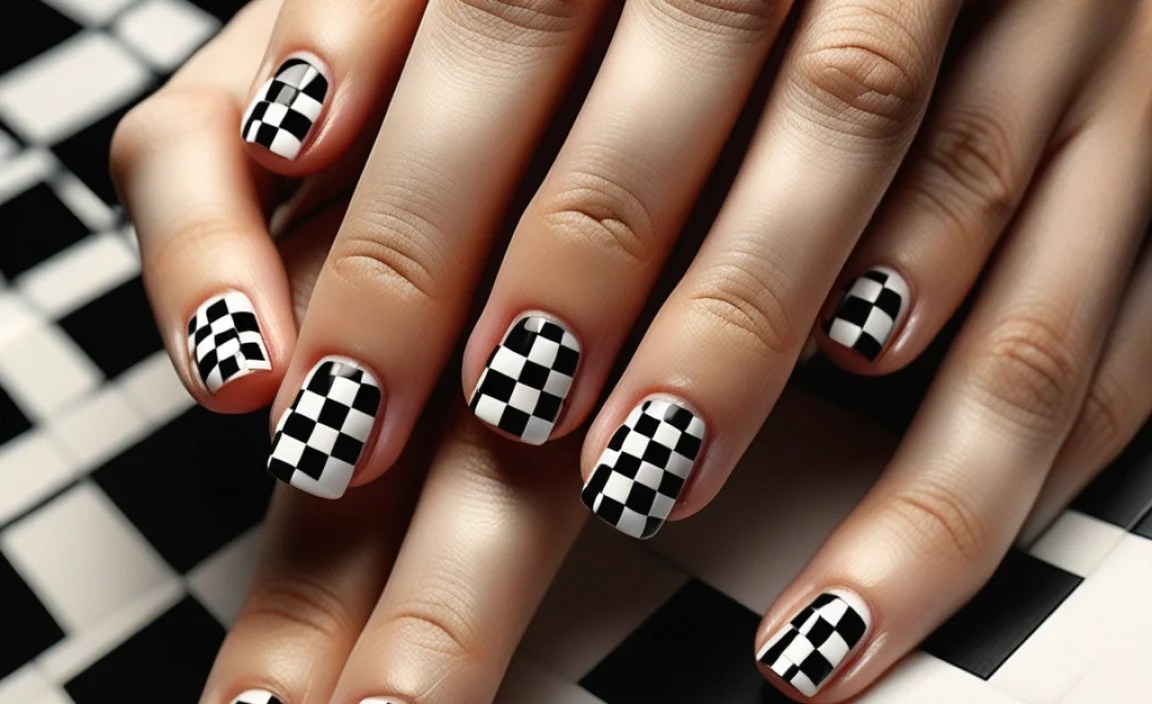
1. The Classic Full Checkerboard
This is the iconic look. Think of a chessboard – alternating squares of black and white. It sounds simple, but the execution is key!
How to Do It:
- Prep Your Nails: Start with clean, shaped nails. Apply your favorite base coat and let it dry completely.
- Apply Base Colors: Paint each nail with either black or white polish. Think of it like a pre-planned pattern: maybe index and ring finger white, middle and pinky black, thumb alternating. Let this dry thoroughly. You might need two coats for full opacity.
- Draw the Grid Lines: Using your ultra-fine nail art brush and the contrasting color, carefully draw horizontal and vertical lines to create a grid over each nail. Don’t aim for perfect ruler lines; slightly imperfect lines can look hand-painted and charming. A steady hand is your best friend here.
- Fill in the Blocks: Once your grid lines are dry, use the same fine brush to carefully fill in the opposite colored squares. For example, if you drew black lines on a white nail, you’ll now fill in the white squares with black polish.
- Clean Up: Dip a cotton swab in nail polish remover to clean up any stray lines or smudges around your cuticles and nail edges.
- Top Coat Essential: Apply a generous layer of top coat to seal everything in and add a beautiful shine.
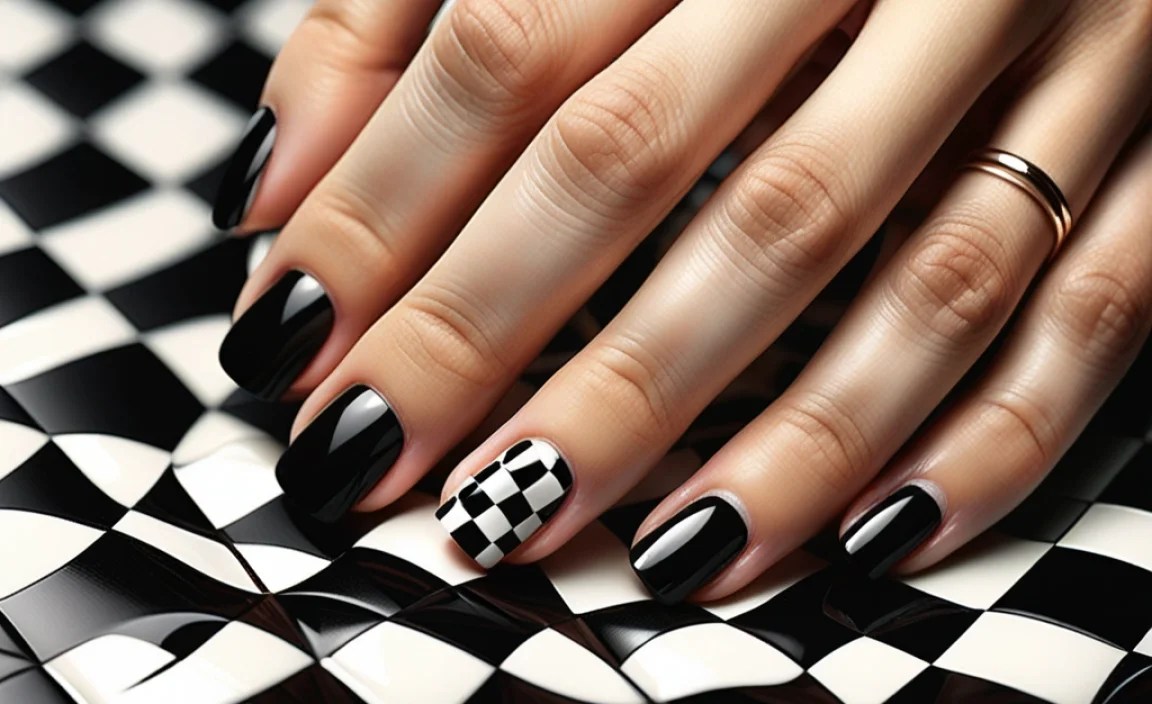
2. The Checkerboard Accent Nail
Feeling a little shy about a full checkerboard? Or maybe you want to add a touch of graphic flair without overwhelming your manicure? The accent nail is your answer!
How to Do It:
- Choose Your Base: Paint all but one of your nails in a solid color. This could be glossy black, crisp white, or even a nude shade for a softer look. Let these dry.
- Checkerboard Your Accent: On your chosen accent nail (usually the ring finger), create the full checkerboard pattern as described above.
- Keep it Simple: The beauty here is the contrast. The solid colored nails let the intricate checkerboard accent shine.
- Top it Off: Once everything is dry, apply your top coat to all nails for a unified finish.
3. Diagonal Checkerboard
This variation adds a dynamic twist! Instead of a traditional grid, the lines run diagonally, creating a sense of movement.
How to Do It:
- Start with Solid Colors: Paint each nail a solid black or white. Let dry completely.
- Freehand Diagonal Lines: Using your thin brush and the contrasting color, paint a series of diagonal lines across each nail. Think of it like drawing diagonal braces.
- Connect the Lines: Now, draw lines perpendicular to your first set. This will create diamond-like shapes instead of squares.
- Fill Carefully: Fill in the alternating diamond shapes with the opposite color. This might require a bit more precision.
- Clean and Seal: Clean up any mistakes with a remover-dipped swab and finish with a protective top coat.
4. The “Half-and-Half” Checkerboard
This design is super chic and surprisingly easy! It divides the nail into two halves, with each half featuring a different checkerboard section.
How to Do It:
- Apply Base Colors: Paint each nail half black and half white. You can do this vertically down the middle or horizontally across. A clean line is key here. Let it dry.
- Draw Checker Lines on Each Half: On the white half, use a black liner brush to draw a mini checkerboard pattern. On the black half, use a white liner brush to draw a mini checkerboard pattern.
- Fill in the Squares: Fill each tiny square on its respective half.
- Refine and Finish: Clean up the dividing line and edges if needed, then apply your top coat.
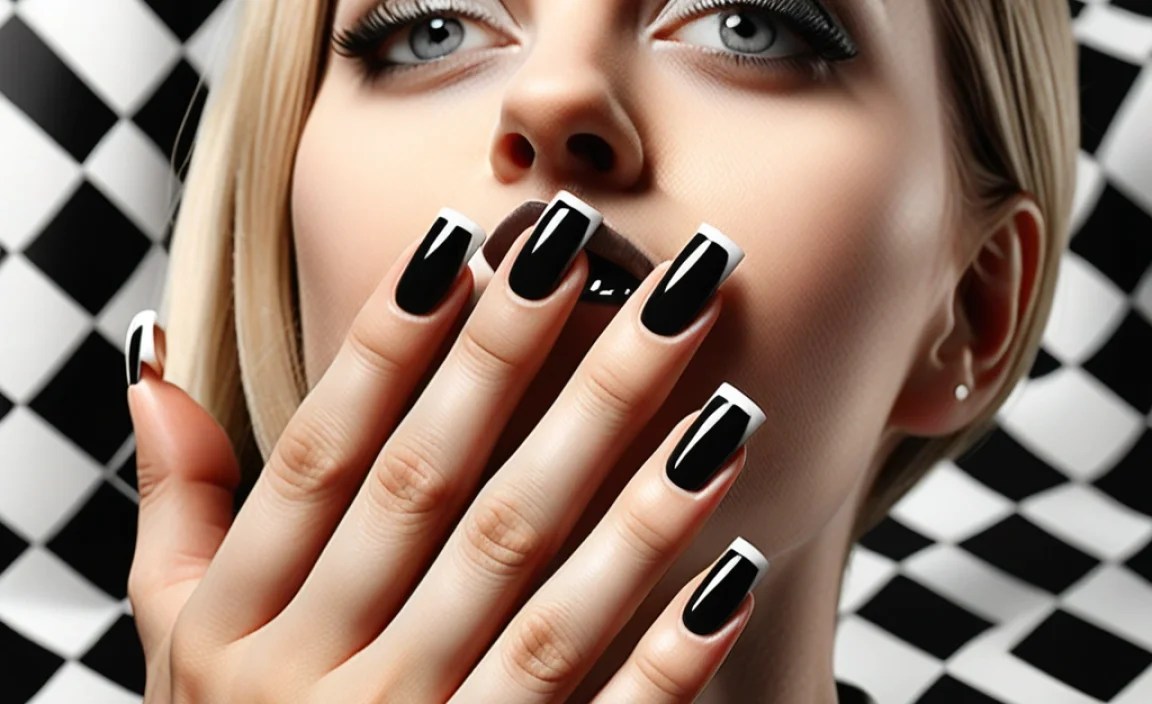
5. Checkerboard Tips
Focus the pattern on the tips of your nails for a modern, French-tip-inspired look.
How to Do It:
- Base Color: Paint all your nails a sheer nude or a milky white base. Let dry.
- Create the Tip Line: Using your fine brush, paint a crisp line of black polish across the tip of each nail, similar to where a French tip would start.
- Draw the Grid on the Tip: On this black tip line, carefully draw thin white lines to create a small checkerboard pattern just on the tip.
- Clean Up and Seal: Tidy the edges and apply a top coat. This looks incredibly sophisticated!
6. Using Tape for Precision
If freehand drawing feels too intimidating, tape is your best friend for crisp, clean squares.
How to Do It:
- Apply Base Polish: Paint your nails with your chosen base color (e.g., white). Let it dry completely.
- Apply Tape: Cut small strips of painter’s tape (or specialized nail tape) and carefully place them on your nails to create a grid pattern. Press down firmly to avoid polish bleeding underneath. Learn more about using painter’s tape successfully in art projects, which translates well to nail art.
- Paint Over the Tape: Paint the exposed sections with your contrasting color (black). You might need two coats.
- Remove Tape: While the polish is still slightly wet (but not gooey), very carefully peel off the tape using tweezers or a pointed tool. Removing it while wet prevents the polish from chipping.
- Touch Up and Seal: Once dry, use a fine brush dipped in remover to clean up any edges, and finish with a good top coat.
Pro Tips for Perfect Checkerboard Nails
Even with the best intentions, nail art can sometimes be frustrating. Here are some tips to help you achieve a flawless checkerboard look every time:
- Thin Coats are Key: Build up color with multiple thin coats rather than one thick, gloopy one. Thin coats dry faster and look cleaner.
- Patience, Grasshopper: Let each layer of polish dry completely before moving on to the next step. This is the #1 way to avoid smudging and lifting.
- Steady Your Hand: Rest your wrists on a stable surface. You can even brace your pinky finger on your table or your other hand.
- Practice on a Flat Surface: Before attempting on your nails, try drawing some grid lines on a piece of paper or even a plastic baggie to get a feel for your brush and polish consistency.
- Clean Your Brush: Wipe your detail brush clean with nail polish remover after each use and between colors to prevent muddying your shades.
- Don’t Fear the Cleanup: A tiny bit of nail polish remover on a fine-tipped brush or swab is your secret weapon for perfectly sharp edges.
- Consider a Gel Polish System: For ultimate durability and a professional finish, gel polish with a UV/LED lamp is a fantastic option. Curing the polish between steps ensures no smudging.
Checkerboard Variations to Explore
Once you’ve mastered the basics, why stop there? The checkerboard pattern is a springboard for endless creativity!
- Color Swaps: Who says it has to be black and white? Try navy and white, red and black, or even jewel tones like emerald and sapphire.
- Matte Finish: Swap your shiny top coat for a matte one for a sophisticated, velvety texture.
- Glitter Accents: Add a tiny bit of glitter to the center of a few squares, or use a glitter polish for the entire grid.
- Mixed Media: Combine checkerboard nails with solid colors, stripes, or even abstract art on different nails.
- 3D Elements: For the adventurous, consider adding small studs or rhinestones to the corners of the squares.
How to Care for Your Checkerboard Nails
To keep your beautiful checkerboard nails looking their best, follow these simple care tips:
- Wear Gloves: Protect your nails when doing chores, especially washing dishes or using cleaning supplies.
- Moisturize: Keep your cuticles and hands hydrated with cuticle oil and hand cream. Healthy cuticles make your nails look polished.
- Avoid Harsh Activities: Try not to use your nails as tools.
- Touch-Ups: If you notice a small chip, a tiny dab of top coat can often seal it. For more significant damage, it might be time for a refresh.
FAQ: Your Checkerboard Nail Questions Answered
Q1: Do checkerboard nails look good on short nails?
Absolutely! Checkerboard designs can look fantastic on short nails. The key is to keep the squares proportionate to your nail size. Smaller squares or a diagonal pattern often work wonderfully on shorter lengths.
Q2: Can I do checkerboard nails if I’m a total beginner?
Yes! While it might take a little practice, the designs recommended here, especially the accent nail or tape method, are very beginner-friendly. Start simple and build your confidence!
Q3: How long does it take to do checkerboard nails?
For a beginner, planning for the process to take about 30-60 minutes per hand is realistic, especially if you’re letting polish dry thoroughly between steps. Experienced nail artists can do it much faster.
Q4: How do I prevent polish from bleeding under tape?
Ensure your base layer is 100% dry before applying tape. Press the tape down firmly along all edges. When removing, do so when the painted layer is mostly dry but not fully hardened, as this helps prevent chipping and smudging.
Q5: What if my lines aren’t perfectly straight?
Don’t stress! Hand-painted nails often have a charming, imperfect quality. If you want ultra-straight lines, practice your steady hand, use tape, or explore nail stamping plates with checkerboard designs.
Q6: Can I use regular nail polish or do I need gel?
You can definitely use regular nail polish! It’s a great way to start. For a more durable, chip-resistant finish that lasts longer, gel polish and a UV/LED lamp are the way to go, but it’s not a requirement to achieve the look.
Conclusion: Your Checkerboard Nail Masterpiece Awaits!
See? Those iconic checkerboard black and white nails are well within your reach! Whether you opt for the full chessboard effect, a subtle accent nail, or a playful diagonal twist, this classic pattern is a fantastic way to elevate your nail game. Remember to gather your tools, embrace a little patience, and don’t be afraid to experiment. Your nails are a canvas for self-expression, and mastering checkerboard designs is a rewarding step in your nail art journey. So grab those polishes, take a deep breath, and get ready to create a manicure that’s both timeless and totally you. Happy painting!
