Stunning nail art is achievable by avoiding common beginner mistakes. Focus on preparation, proper technique, and quality tools for flawless results. Learn how to prevent smudges, chips, and uneven application to create salon-worthy designs at home.
Hey, nail lovers! Ever looked at stunning nail art online and thought, “I could never do that”? It’s totally normal to feel that way when you’re just starting out! Creating beautiful nail art at home can seem tricky, and little slip-ups can leave you feeling frustrated. But guess what? Most “mistakes” are actually super common and easy to fix with a few simple tips. I’m here to guide you through them, turning those “oops” moments into “wow” achievements. Get ready to be confident and creative with your manis!
Nail Art Mistakes to Avoid: Your Essential Guide
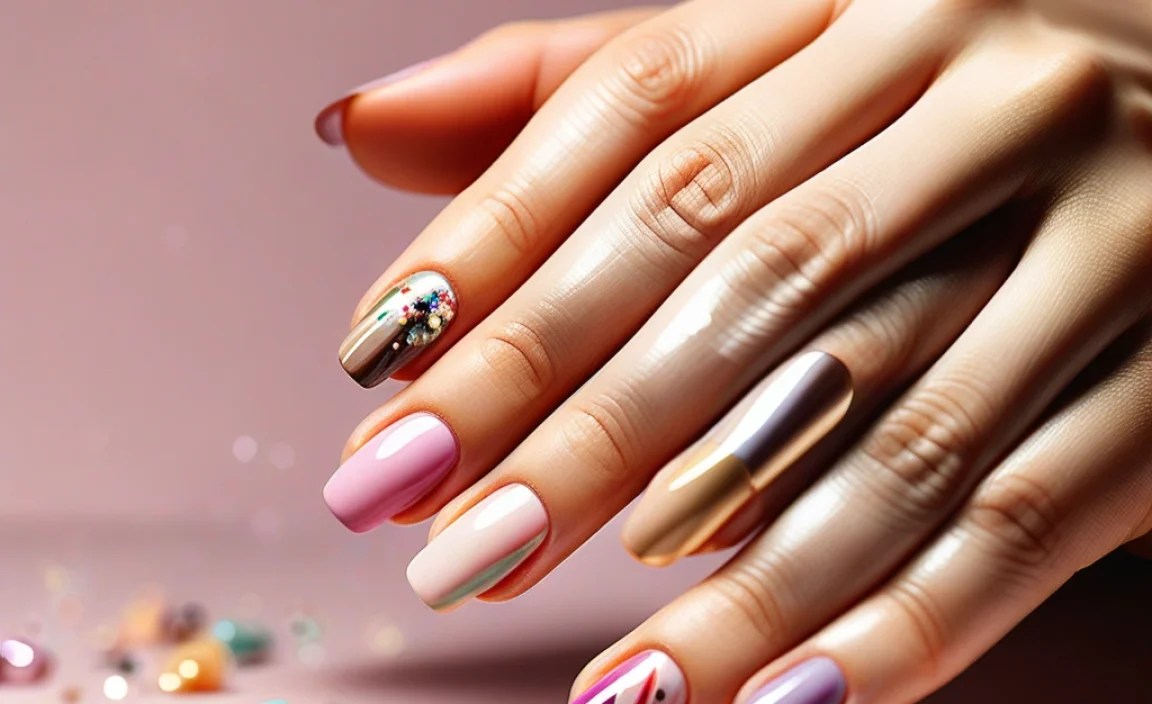
Welcome to the fun world of nail art! It’s a fantastic way to express yourself and add a little sparkle to your day. But, like any new skill, diving in can come with a few bumps. Don’t worry though – knowing what common pitfalls to steer clear of will make your nail art journey so much smoother and more enjoyable. Think of this as your friendly cheat sheet to fabulous nails, straight from someone who’s been there and learned the ropes!
1. Skipping the Nail Prep: The Foundation Faux Pas
This is probably the biggest mistake beginners make! You’re excited to get painting, but rushing this step means your beautiful art won’t last long. Proper nail prep is like building a strong foundation for your house; without it, everything else crumbles (or in this case, chips!).
Why Prep is Crucial:
- Removes Oils and Residue: Your nails naturally produce oils. Polish and polish won’t stick well to oily surfaces, leading to peeling and lifting.
- Smooths the Surface: A clean, smooth nail bed helps your polish go on evenly, preventing bumps and streaks.
- Prevents Infections: Cleaning and pushing back cuticles properly helps keep your nails healthy and reduces the risk of hangnails or infections.
Essential Prep Steps:
- Cleanse Your Nails: Start by washing your hands with soap and water. Make sure to get into all the nooks and crannies.
- Remove Old Polish: Use a good quality nail polish remover to get rid of any existing polish. Non-acetone removers are gentler if your nails are prone to dryness.
- Shape Your Nails: File your nails into your desired shape. Always file in one direction to prevent splitting. For shaping, consider using a gentle filing technique to avoid damaging the nail plate.
- Push Back Cuticles: Gently push back your cuticles with an orange stick or a cuticle pusher. Never cut your cuticles at home unless you’ve been professionally trained, as this can lead to infection.
- Buff (Optional): A light buff can create a smooth surface, but don’t overdo it, as it can thin your nails.
2. Using Old or Poor-Quality Polish: The Streaky Saboteur
We’ve all got that ancient bottle of polish hiding in the back of our drawer, right? While it might seem like a good idea to save money, old or cheap polish can be a nightmare to work with.
Signs of Bad Polish:
- Thick and Gloopy: If it’s hard to spread and leaves thick streaks, it’s past its prime.
- Separated Pigment: If you have to shake it furiously for ages and it still looks streaky, the formula might be breaking down.
- Poor Longevity: It peels or chips within a day or two, no matter how well you prepped.
What to Do Instead:
Invest in a few good quality polishes. They glide on smoothly, offer better color payoff, and last much longer. If your favorite polish becomes too thick, you can try adding 1-2 drops of nail polish thinner (not remover!), but usually, it’s time for a replacement.
3. Applying Polish Too Thickly: The Smudge Struggle
Impatience is a classic nail art enemy! Trying to get full opacity with one thick coat is a recipe for disaster. Thick polish takes ages to dry and is super prone to smudges and dents.
The Right Way to Apply Polish:
- Thin Coats are Key: Aim for two to three thin coats. This allows each layer to dry properly and creates a smoother, more professional finish.
- The Three-Stroke Method: A common technique is to use three strokes: one down the center, then one on each side. This ensures even coverage without overloading the brush.
- Wipe Excess Polish: Before applying, wipe most of the polish off the brush onto the neck of the bottle. You want just enough to coat the nail without drips.
4. Neglecting the Top Coat: The Chipping Catastrophe
The top coat is your best friend in the nail art world! It seals your design, adds shine, and protects against chips and wear. Skipping it is like sending your masterpiece out into the world without any protection.
Top Coat Essentials:
- Seals and Protects: It acts as a barrier, preventing your polish from chipping and fading.
- Adds Shine: A good top coat gives that glossy, salon-fresh look.
- Smooths Imperfections: It can help to even out slight bumps or streaks from your polish application.
- For Nail Art: Use a dedicated nail art top coat or a quick-dry top coat for speed.
Apply a generous layer of top coat over your dry polish, making sure to cap the free edge of your nail. This means swiping the brush along the very tip of your nail, which is a pro trick for preventing chips!
5. Not Capping the Free Edge: The Edge Evasion
Building on the top coat point, capping the free edge is a small but mighty step that makes a huge difference. The free edge is the tip of your nail that extends beyond your finger. It’s the part that gets the most wear and tear. Running your top coat (and even your color coats) along this edge creates a sealed finish.
Why Capping Works:
- Prevents Chipping: It seals the color and prevents the polish from lifting from the free edge, which is where chips often start.
- Creates a Uniform Look: It gives a clean, finished appearance to your manicure.
How to Cap:
After you’ve applied your final color coat and it’s dry enough, take your top coat and swipe it along the very edge of the nail tip. Do this for every nail. It might seem like a tiny detail, but trust me, it extends the life of your manicure significantly!
6. Rushing the Drying Time: The Smeary Scourge
Oh, the dreaded smudge! You’ve just spent precious time on a beautiful design, you think it’s dry, and then BAM! – you touch something, or worse, you accidentally bump your nail against something. This is usually because the polish wasn’t fully dry.
Understanding Drying Times:
Nail polish dries in layers. The surface might feel dry to the touch, but the layers underneath can still be soft and vulnerable. Full drying can take anywhere from 30 minutes to a couple of hours, depending on the polish thickness and environmental factors.
Tips for Faster, Better Drying:
- Use Thin Coats: As mentioned, thin coats dry much faster than thick ones.
- Quick-Dry Top Coats: These are a lifesaver! They help speed up the drying process for all layers.
- Cool Water Dip: After about 5-10 minutes of drying time, you can dip your nails into a bowl of cool (not ice cold) water for a few minutes. This can help harden the polish more quickly.
- Good Ventilation: Ensure you’re in a well-ventilated area.
- Avoid “Helper” Gadgets: Those mini fans that blow air can sometimes cause tiny bubbles or uneven drying if the polish isn’t ready for it.
A good rule of thumb: try not to do anything strenuous with your hands for at least an hour after your manicure, even if the polish feels hard.
7. Over-Complicating Designs Too Soon: The Overwhelmed Organizer
Starting with intricate, multi-layered nail art designs is like trying to run a marathon before you can walk. It’s easy to get discouraged when complex designs don’t turn out as planned.
Start Simple, Build Confidence:
- Master the Basics: Focus on perfect polish application first. Get comfortable with smooth, even coats and clean lines.
- One Accent Nail: Try doing an accent nail with a simple design (like dots or a single stripe) and keep the other nails a solid color.
- Simple Stamping: Nail stamping plates offer amazing designs that can look complex but are relatively easy to learn.
- Water Marbling: This technique can take a little practice, but the results are always unique and stunning.
- Dotting Tools: These inexpensive tools are fantastic for creating simple patterns like flowers or polka dots.
As you get more comfortable, you can gradually incorporate more detailed elements. Remember, creativity is a journey, not a race!
8. Using the Wrong Tools (or No Tools!) : The DIY Dilemma
While you can do a lot with just a polish bottle brush, specialized tools make a world of difference in achieving clean, professional-looking nail art. Trying to paint fine lines with a regular brush from your art kit is usually a messy experience.
Essential Beginner Nail Art Tools:
| Tool | Purpose | Why It Helps |
|---|---|---|
| Dotting Tools | Creating dots, small circles, and simple floral patterns. | Allows for precise placement and consistent dot sizes. Comes in various tip sizes for different looks. |
| Fine-Liner Brushes | Drawing thin lines, swirls, and intricate details. | Designed for nail polish, offering better control and a finer tip than regular craft brushes. Essential for detailed work. |
| Striping Tape | Creating clean, sharp lines and geometric patterns. | Applied to the nail and painted over, then removed to reveal crisp lines. Perfect for modern designs. |
| Nail Art Pens | Drawing fine lines and details directly onto the nail. | Similar to markers but with precision tips for nail polish. Great for quick details. |
| Clean-Up Brush | Erasing polish mistakes around the cuticle area. | A small, stiff brush (often angled) dipped in nail polish remover to tidy up edges for a crisp finish. |
| Dotting Swirls/Manicure Sticks | Creating various sized dots, swirl patterns, and applying small embellishments. | Versatile tools that offer different sized ball tips for diverse designs. |
Don’t feel like you need to buy everything at once! Start with a dotting tool set and a fine-liner brush. You’ll be amazed at what you can create.
9. Smudging During Cleaning or Drying: The Post-Manicure Panic
This is the moment of truth: you’ve finished your art, applied top coat, and now you’re cleaning up the edges or waiting for it to dry. It’s a super common time to ruin your hard work!
How to Avoid Post-Art Smudges:
- Clean Up Gently: Use a small brush dipped in remover (not soaking wet!) to carefully swipe away any polish that got onto your skin. Work slowly and deliberately.
- Use a Lint-Free Applicator: When applying remover, use a brush or a makeup wedge. Cotton swabs can leave fuzzy bits behind.
- Don’t Poke: Once your art is done, avoid touching things unnecessarily. If you need to interact with something, try to use the sides or backs of your fingers.
- Patience is Still Key: Even after the “quick-dry” top coat, give your nails ample time to fully harden before engaging in more active tasks.
10. Forgetting Nail Health: The Beauty Without Balance Blunder
It’s easy to get so caught up in creating amazing designs that we forget about our nails’ underlying health. Sometimes, repeated polish use, harsh removers, or improper application can leave nails looking and feeling unhealthy.
Prioritizing Nail Health:
- Use a Base Coat: Always apply a base coat before your colored polish. This protects your natural nail from staining (especially with dark colors) and provides a smoother surface for polish. Some base coats even have strengthening or nourishing properties.
- Moisturize Regularly: Keep your nails and cuticles hydrated with cuticle oil and a good hand cream. This prevents dryness, splitting, and hangnails.
- Take Breaks: Give your nails a break from polish every so often. Let them breathe and recover.
- Gentle Removers: Opt for acetone-free or soy-based removers when possible, as they are less drying.
- Healthy Diet: A balanced diet rich in vitamins and minerals also contributes to strong, healthy nails. For more on nail health, the American Academy of Dermatology offers excellent advice.
11. Not Letting Your Base Coat Dry: The Sticky Situation
Just like polish, your base coat needs time to dry before you apply color. If you apply polish over a wet base coat, you create a sticky, uneven surface.
Why Base Coat Drying Matters:
- Prevents Dragging: A dry base coat prevents the color from dragging or streaking as you apply it.
- Ensures Even Application: It creates a smooth canvas for your polish, leading to a better overall finish.
- Adhesion: A dry base coat adheres properly to the nail, helping your manicure last longer.
Give your base coat a minute or two to dry to the touch before starting with your color. It doesn’t need to be rock solid, but it shouldn’t feel wet or sticky.
12. Incorrectly Using Nail Stickers or Decals: The Peeling Problem
Nail stickers and decals can be a fun shortcut, but they have their own learning curve. Improper application can lead to lifting edges or a gummy appearance.
Tips for Flawless Sticker Application:
- Apply to Dry Polish: Ensure your base color and any polish layers are completely dry before applying stickers.
- Place Carefully: Position the sticker exactly where you want it. They can be tricky to reposition once stuck.
- Smooth Down Firmly: Use your finger or a cuticle pusher to press the sticker down firmly, ensuring there are no air bubbles.
- Seal with Top Coat: Apply a thin layer of top coat over the sticker. Be gentle so you don’t smudge the sticker design. Capping the edge with the top coat is also very important here!
Nail Art Mistakes: A Quick Reference Table
Here’s a handy table to quickly review those common nail art mistakes you’ll want to avoid:
| Mistake | Why It Happens | How to Avoid It |
|---|---|---|
| Skipping Prep | Rushing to apply color/art. | Clean, shape, and push back cuticles. Always start with a clean canvas. |
| Old/Bad Polish | Using polish that’s thickened or separated. | Invest in good quality polish; use thinner cautiously if needed. |
| Thick Polish Coats | Trying to get full coverage in one go. | Apply 2-3 thin coats. Use the three-stroke method. |
| Forgetting Top Coat | Thinking the color coat is enough. | Always apply a top coat for shine, protection, and longevity |
