Learn how to do ombre nails effortlessly at home with our easy-to-follow guide. Achieve a beautiful, blended color transition on your nails for a trendy, professional look without the salon price tag. Perfect for beginners wanting to up their nail art game!
Dreaming of those gorgeous, seamlessly blended nails you see everywhere? Ombre nails are a stylish way to add a pop of color and sophistication to your fingertips. But if you thought they were only achievable at a salon, think again! Many of us feel a little intimidated trying new nail art techniques, fearing we’ll end up with a mess instead of a masterpiece. The good news? Creating beautiful ombre nails at home is totally doable, even if you’re just starting out. We’re going to break it down into simple, fun steps that will have you rocking a salon-worthy look in no time. Get ready to impress yourself!
Unlock Effortless Ombre Nails: Your Step-by-Step Guide
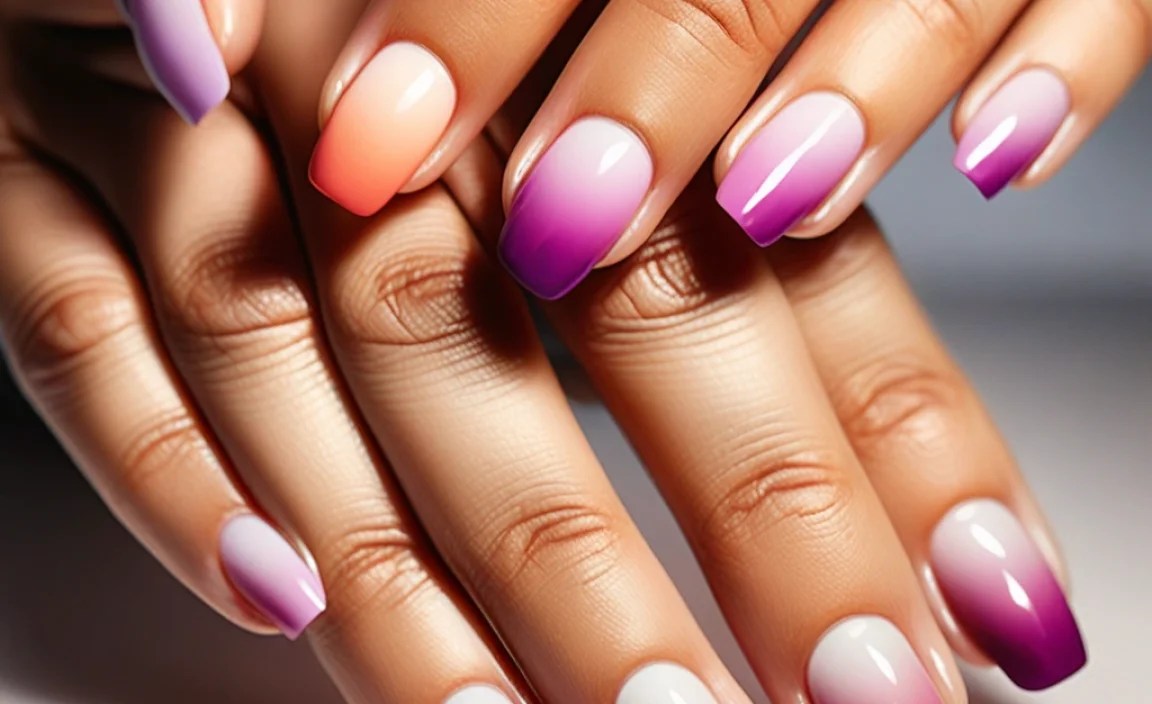
Ombre nails, also known as gradient nails, are all about that smooth transition from one color to another on a single nail. It’s a versatile trend that works with any color combination, from subtle nudes to vibrant neons. What makes it so appealing is its ability to look chic and sophisticated while being surprisingly easy to achieve once you know the tricks. Forget complicated tools or advanced techniques; we’re focusing on simplicity and beautiful results. Let’s dive into everything you need and how to make this trendy look happen right on your own nails!
Gather Your Ombre Nail Essentials
Before we start blending, let’s make sure you have all your supplies ready. Having the right tools makes the process so much smoother and more enjoyable. Think of this as your DIY ombre nail kit checklist:
- Base Coat: This protects your natural nails and helps your polish last longer.
- Top Coat: This seals your design, adds shine, and prevents chipping.
- Nail Polish Colors: At least two colors that complement each other. For a classic ombre, choose shades within the same color family (e.g., light pink to dark pink, or light blue to navy). You can also experiment with contrasting colors for a bolder statement!
- Cosmetic Sponge or Makeup Sponge: A regular makeup sponge or a specific nail art sponge works wonders for blending. Cut a sponge into small, manageable pieces.
- Small Dish or Piece of Foil: To put your nail polish colors on before dabbing with the sponge.
- Clean-up Brush or Cotton Swabs: An old, small paintbrush or cotton swabs dipped in nail polish remover are perfect for cleaning up any polish that gets on your skin.
- Nail Polish Remover: For those clean-up touch-ups.
- Optional: Dappen Dish or Small Cup: If you plan to use more than two colors, a dappen dish can be handy for mixing and applying.
Step-by-Step Guide: Creating Your Ombre Masterpiece
Now for the fun part! Follow these simple steps to create beautiful ombre nails. Remember, patience and a light touch are key to a flawless blend. Don’t worry if your first attempt isn’t perfect; practice makes perfect!
Step 1: Prep Your Nails
Just like any manicure, proper nail prep is crucial for a long-lasting and polished finish. Start by ensuring your nails are clean, dry, and free of any old polish. Gently push back your cuticles and use a nail file to shape them to your desired length and style. This foundation ensures your ombre design will look its best.
Step 2: Apply Your Base Coat
Apply a thin, even layer of your base coat to each nail. Let it dry completely. This step is vital as it prevents staining from darker polishes and provides a smooth surface for your colors to adhere to, helping your manicure last longer.
Step 3: Apply Your First Color (Lightest Shade)
Paint your nails with the lightest shade of polish you’ve chosen. Apply two thin coats for full opacity, allowing each coat to dry partially before applying the next. This lightest shade will be the base for your ombre effect and should cover the entire nail. Ensure you get even coverage for a smooth canvas.
Step 4: Prepare Your Color Palette on the Sponge
This is where the magic of blending begins! Take your small dish or piece of foil and apply two stripes of your chosen nail polish colors side-by-side. If you’re using three colors, apply them in order from lightest to darkest, or your desired gradient. Leave a tiny gap between the colors so they don’t completely mix on the palette.
Step 5: Dab the Sponge onto Your Nails
Now, take your prepared sponge piece and gently dab it onto the polish stripes on your palette. The sponge will pick up the colors. You might need to dab it a couple of times until you have a good amount of polish on the sponge. Immediately and lightly dab the sponge onto your nail, starting from the cuticle and working your way up to the tip. The goal is to transfer the blended colors onto your nail. For a more intense ombre, you can re-apply polish to the sponge and repeat this dabbing motion on your nail. Remember to use a light touch; pressing too hard can smudge the colors and create a muddier blend. Allow each nail to dry slightly before moving to the next.
Pro-Tip: Avoid over-saturating the sponge with polish, as this can make it difficult to control and lead to a clumpy texture. A little polish goes a long way!
Step 6: Repeat for Deeper Blending (Optional)
If you desire a more pronounced ombre effect or a deeper blend, you can repeat Step 5. Re-apply fresh stripes of polish to your palette, pick them up with the sponge, and gently dab them onto your nail, focusing on the areas where the colors meet. This layering technique helps to build up the blend and create a more seamless gradient. Some tutorials suggest a specific technique using a sponge where you lightly press the sponge onto the nail once to transfer color, then gently blot the very tip of the nail with the sponge to blend the transition smoothly. Experiment to see what works best for you!
Step 7: Clean Up the Edges
This is a crucial step for a professional finish. Once your polish is mostly dry, use your clean-up brush or cotton swab dipped in nail polish remover to carefully clean up any excess polish that has gotten onto your skin or cuticles. This sharpens the look of your manicure and makes a huge difference. Dip your brush or swab in remover and gently trace around the edge of your nail to remove stray polish. Be precise here!
Step 8: Apply Your Top Coat
Once you are happy with the ombre effect and all the edges are clean, it’s time for the final touch! Apply a generous layer of your top coat over your entire nail. This will seal in the colors, smooth out any texture from the sponge, and give your ombre nails a beautiful, glossy finish. A good top coat also helps protect your manicure from chipping. Let it dry completely to reveal your stunning, effortless ombre nails!
Tips for Achieving the Perfect Ombre Blend
Creating a flawless ombre is all about technique and a few smart tricks. Here are some essential tips to help you nail that perfect blend every time:
- Color Choice Matters: For your first few tries, stick to polishes within the same color family (like pale pink to rose, or sky blue to navy). This makes blending much more forgiving.
- Less is More with Sponge Polish: Don’t load too much polish onto your sponge. It’s better to add more color in thin layers than to have a thick, goopy mess.
- Dab, Don’t Swipe: Always dab the sponge onto your nail. Swiping will likely create streaks and uneven color.
- Work Quickly: Nail polish dries fast! Have your sponge and colors ready before you start applying polish to your nails.
- Gentle Pressure: Apply very light pressure when dabbing the sponge. Too much pressure can push the colors into each other too much, resulting in a muddy effect.
- Sponge Rotation: If you’re using a standard makeup sponge, it’s a good idea to rotate it to a clean side for each nail, or even use a fresh piece of the sponge, to avoid transferring too much of one color.
- Allow for Drying Time: While you don’t want the polish to dry completely on the sponge, allow a minute or two for the coats on your nail to set slightly before applying the next layer of dabbing. This helps build opacity without making the gradient too muddy.
- The “Clean Up” is Key: Seriously, don’t skip the clean-up step. It’s what elevates a DIY ombre from “homemade” to “professional.”
- Experimentation: Try different sponge textures! Some cosmetic sponges have finer pores, while others are coarser. Each will give a slightly different effect.
Ombre Nail Variations to Explore
Once you’ve mastered the basic two-color ombre, don’t be afraid to get creative! The ombre technique is incredibly versatile and can be adapted in many stunning ways:
- Three-Color Ombre: Use three shades of the same color family for a more dramatic gradient. Apply them in order on the sponge (lightest, medium, darkest) and dab onto the nail.
- Horizontal Ombre: Instead of blending vertically from cuticle to tip, apply the colors horizontally across the nail. This can create a beautiful sunset or rainbow effect.
- Glitter Ombre: After applying your base colors and blending them, add a touch of glitter polish to the tips or a gradient of glitter down the nail for extra sparkle.
- Reverse Ombre: Blend from the tip of the nail towards the cuticle, with the darkest color at the tip and the lightest at the base.
- “Dip” Ombre Effect: This isn’t true ombre but a shortcut that mimics the look. Apply one color all over, then use your sponge with a lighter color to lightly dab towards the tips, creating a subtle lightening effect.
- Accent Nail Ombre: Try ombre on just one or two accent nails for a subtle yet trendy touch.
For those looking for color inspiration, the Pantone Color of the Year often provides fantastic color palettes that can be adapted into beautiful ombre designs. For instance, vibrant magenta and softer supporting tones can create a stunning gradient.
Understanding Nail Polish Ingredients and Safety
It’s always a good idea to be aware of what you’re putting on your nails. Many traditional nail polishes contain chemicals like formaldehyde, toluene, and dibutyl phthalate (DBP), often referred to as the “big three” or “toxic three.” These can cause brittle nails, irritation, and allergic reactions for some individuals. Looking for “3-free,” “5-free,” or “10-free” polishes means they are formulated without these and other potentially harmful ingredients. For a safer and often more eco-friendly option, consider brands that advocate for natural or sustainable ingredients. Resources from reputable health organizations, such as those detailing the health effects of cosmetics, can provide more in-depth information on common ingredients and their impact.
When using nail polish, ensure you are in a well-ventilated area to avoid inhaling fumes for extended periods. As mentioned earlier, a good base coat is essential to protect your natural nails from potential staining or damage, especially when using vibrant colors or multiple layers for ombre effects.
Troubleshooting Common Ombre Nail Problems
Even with the best intentions, you might encounter a few hiccups. Here’s how to fix common ombre nail issues:
Problem: Colors look muddy or mixed together.
Solution: This usually happens when the colors mix too much on the sponge or when you apply too much pressure. Try dabbing more lightly and quickly, and ensure you’re using fresh sections of the sponge. Also, make sure your colors are distinct enough; very similar shades can blend into a duller tone.
Problem: Streaky finish.
Solution: Streaks often occur from uneven dabbing or if the polish on the nail starts to dry too much before you add the next layer. Try to dab more consistently and ensure you dampen the sponge sufficiently but not too much. Re-apply polish to the sponge and gently dab over the streaky areas.
Problem: Polish on skin and cuticles.
Solution: This is precisely why the clean-up step is so important! Use a small brush or cotton swab dipped in nail polish remover to carefully wipe away any polish on your skin before applying the top coat. For easier clean-up, some people apply a liquid latex or a thin layer of white glue around their nails before starting the ombre process.
Problem: Not enough color payoff or blending.
Solution: You might need to re-apply polish to your sponge and dab more layers onto your nail. Don’t be afraid to build up the color gradually. Also, ensure your base (lightest color) is fully opaque and dry before you start sponging.
Problem: Sponge leaves behind a rough texture.
Solution: This can happen if the sponge is too coarse or if you used too much polish. A good layer of shiny top coat will often smooth this out. If the texture is very prominent, you might need to gently buff the nail after the color is dry but before the top coat, though be very careful not to buff through the color.
Ombre Nails vs. Other Nail Trends
Ombre nails offer a unique aesthetic compared to other popular nail trends. While a classic solid color manicure is timeless, ombre provides dimension and a sophisticated blend. French manicures focus on a clean, defined tip. Glitter or chrome nails emphasize shine and metallic finishes. Ombre’s appeal lies in its ability to be customized with an infinite range of color combinations and gradients, offering a softer, more artistic look than solid colors and often more subtle than full glitter or chrome.
A great comparison for the visual effect of ombre can be seen up close in the way a skilled artist blends pigments. For DIYers, understanding how different tools affect texture is key. For instance, the difference between using a dense sponge for a sharp blend versus a softer sponge for a diffused gradient can be likened to choosing between a fine-tipped brush and a blending tool in other art forms.
A Table of Ombre Nail Color Combinations
To spark your creativity, here are some popular and visually appealing ombre nail color combinations:
| Theme | Colors (Lightest to Darkest) | Vibe |
|---|---|---|
| Classic Romance | Pale Pink > Soft Rose > Mauve | Elegant, feminine, soft |
| Ocean Breeze | Baby Blue > Turquoise > Navy | Calm, refreshing, serene |
| Sunset Glow | Pale Yellow > Peach > Coral | Warm, vibrant, uplifting |
| Berry Bliss | Light Lavender > Fuchsia > Deep Purple | Playful, bold, chic |
| Earthy Neutrals | Cream > Beige > Taupe | Sophisticated, understated, modern |
| Midnight Sky | Sheer Grey > Charcoal > Black (with subtle blue undertones) | Mysterious, dramatic, cool |
| Tropical Punch | Light Orange > Hot Pink > Lime Green | Fun, energetic, daring |
| Monochrome Moody | White > Light Grey > Medium Grey | Sleek, sophisticated, minimalist |
Frequently Asked Questions About Ombre Nails
Q1: How long do ombre nails last?
A: When done correctly with a good base and top coat, ombre nails can last as long as a regular manicure, typically 7-14 days. Proper nail prep and avoiding harsh chemicals can extend their lifespan.
Q2: Can I do ombre nails with gel polish?
A: Yes, absolutely! Gel polish creates a beautiful, durable ombre. The process is similar, but you’ll “cure” each layer under a UV/LED lamp. The blending is often done with a brush designed for gel polish, or you can carefully sponge gel colors onto a tacky layer of gel. Always follow your specific gel brand’s instructions.
Q3: What is the best way to clean up around the nails?
A: For traditional polish, the best way is to dip a small, stiff-bristled brush (like an old fine-tipped eyeshadow brush or a dedicated clean-up.
