Minimalist nude line nails offer a chic, understated way to elevate your manicure. This guide provides simple DIY designs, essential tools, and easy tips for creating a sophisticated look that’s perfect for any occasion. Let’s get your nails looking fabulous!
Ever stare at your nails and wish for something effortlessly chic, something that screams sophisticated without shouting? You’re not alone! That’s precisely where minimalist nude line nails come in. They’re the perfect blend of subtle elegance and modern style, fitting seamlessly into any outfit or event. But how do you achieve that polished, almost-effortless look at home, especially if you’re new to nail art? Don’t worry, this guide is here to help! We’ll break down everything you need to know to create stunning nude line nail designs, making your DIY manicure dreams a reality. Get ready to discover just how easy and fun it can be!
What Exactly Are Minimalist Nude Line Nails?
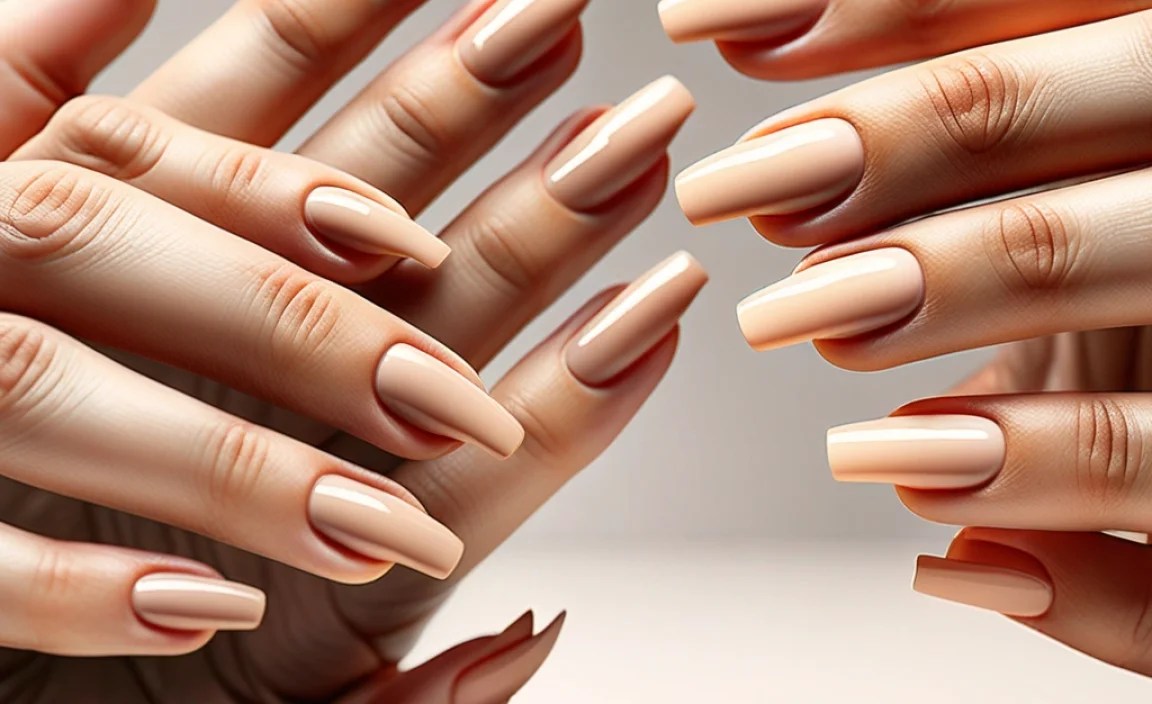
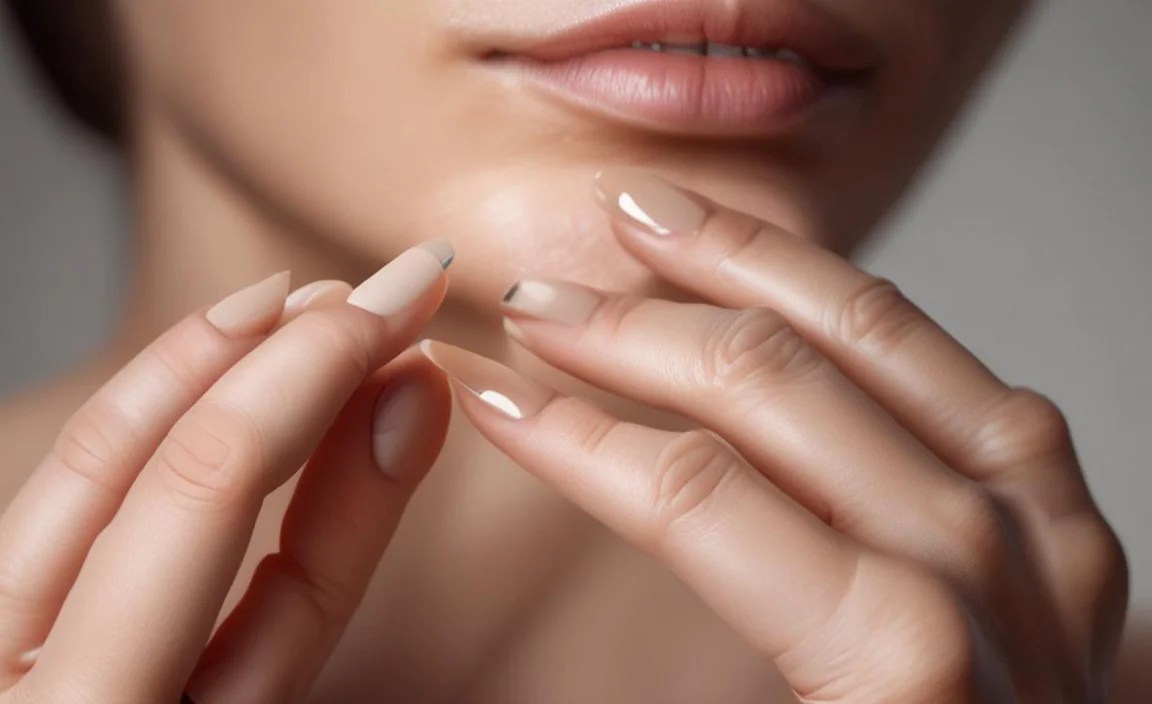
Minimalist nude line nails are a sophisticated nail art trend characterized by a neutral or nude base polish adorned with simple, clean lines. Think of it as the little black dress of manicures – versatile, timeless, and always in style. The “nude” aspect refers to the base color, which can range from pale beige and soft pinks to warmer caramels and tan shades, chosen to complement your skin tone. The “line” element is where the magic happens, featuring delicate, precise lines in contrasting colors like black, white, gold, silver, or even a slightly darker nude. These lines can be straight, curved, geometric, or abstract, adding a touch of artistic flair without being overwhelming. The overall aesthetic is clean, modern, and incredibly chic.
Why Are They So Popular?
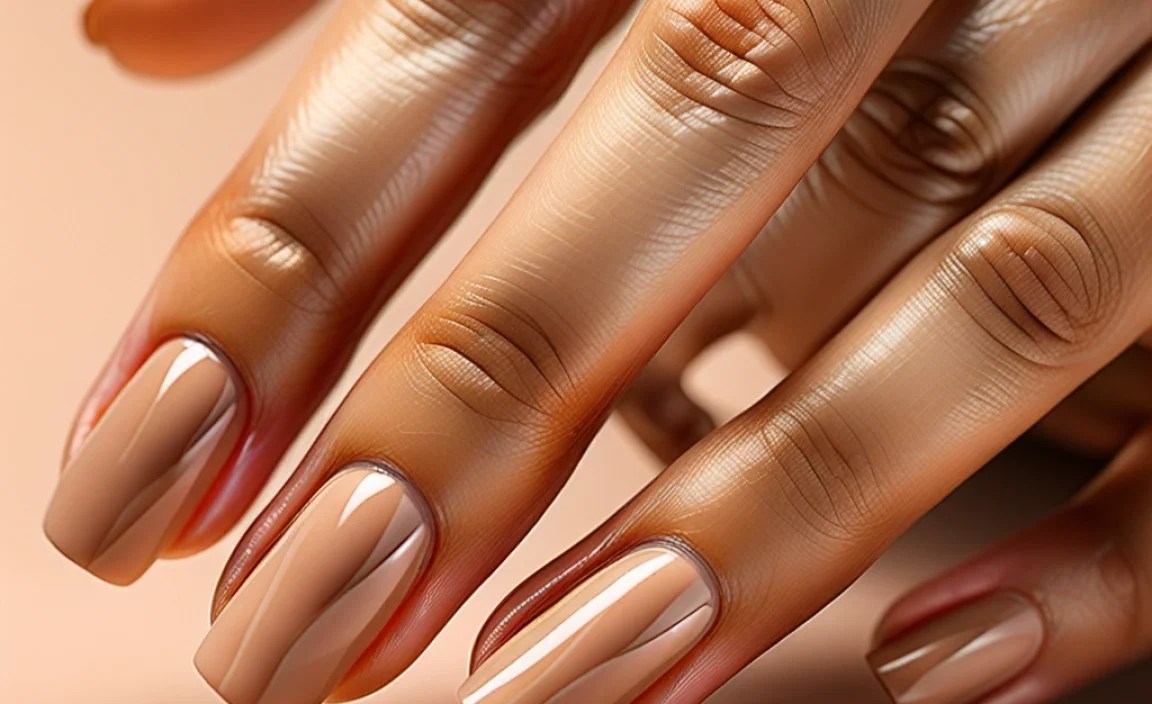
The popularity of minimalist nude line nails stems from several key factors:
- Versatility: They are the ultimate chameleon of manicures. Whether you’re heading to a job interview, a casual brunch, or a formal evening event, these nails fit right in. They’re understated enough for professional settings but stylish enough to make a statement.
- Effortless Chic: The minimalist approach means they look sophisticated without trying too hard. This “effortless” vibe is incredibly appealing in today’s fast-paced world.
- Flattering Base: Nude shades are universally flattering. Finding the right nude polish can enhance your natural nail bed and skin tone, making your hands look more polished and elegant.
- Easy to DIY: Compared to intricate nail art, simple lines are much more manageable for at-home application, even for beginners.
- Modern Aesthetic: The clean lines and neutral palette align perfectly with current fashion trends that favor subtlety and refined elegance.
- Customizable: While minimalist, there’s still plenty of room for personalization. You can play with line thickness, color, placement, and the type of nude base to create a look that’s uniquely yours.
Getting Started: Essential Tools and Supplies
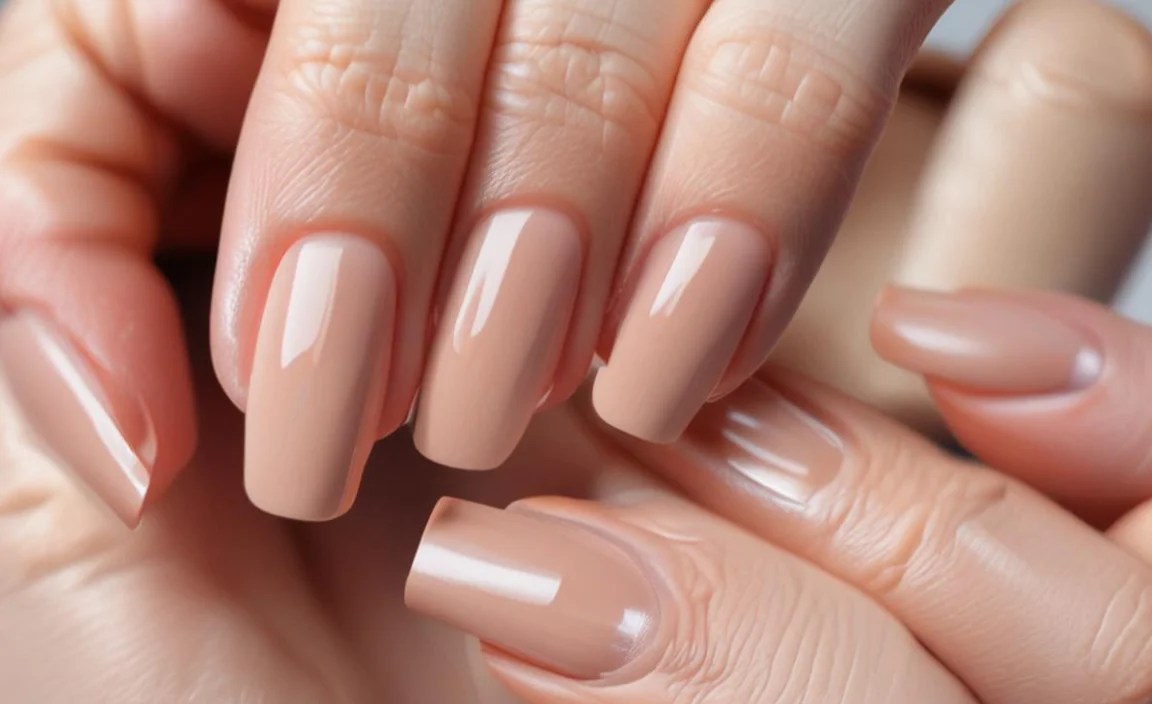
Before we dive into the fun designs, let’s gather what you’ll need. The good news is you don’t need a nail salon’s worth of equipment!
The Must-Haves:
- Nude Base Polish: Choose a shade that complements your skin tone. A good nude polish is a staple in any nail lover’s collection!
- Line Polish: Black, white, gold, or silver are classic choices for creating contrast and definition.
- Base Coat: Crucial for protecting your natural nails from staining and helping your polish adhere better.
- Top Coat: Seals your design, adds incredible shine, and prolongs the life of your manicure.
- Nail Polish Remover: For any oopsies or when it’s time for a change.
- Cotton Pads or Balls: For applying remover.
Tools for Precision Lines:
This is where the magic for your lines happens!
- Fine-Tip Nail Art Brush: The most common tool. Look for brushes with very thin, precise bristles. Many sets come with various sizes, which is great for experimentation.
- Dotting Tool: While primarily for dots, the tip can be used to draw very fine lines with control.
- Striping Tape: Adhesive tape that comes in very thin strips. You paint over it and peel it off while the polish is still wet to reveal a crisp line. This is fantastic for beginners! You can find this at most beauty supply stores or online.
- Thin Striper Polish: These polishes come with their own ultra-fine brush built into the cap, perfect for drawing straight lines.
Optional but Helpful:
- Nail File and Buffer: For shaping and smoothing your nails.
- Cuticle Pusher/Orange Stick: To tidy up your cuticles for a clean canvas.
- Quick-Dry Drops: To speed up the drying process between coats.
Choosing Your Perfect Nude Base
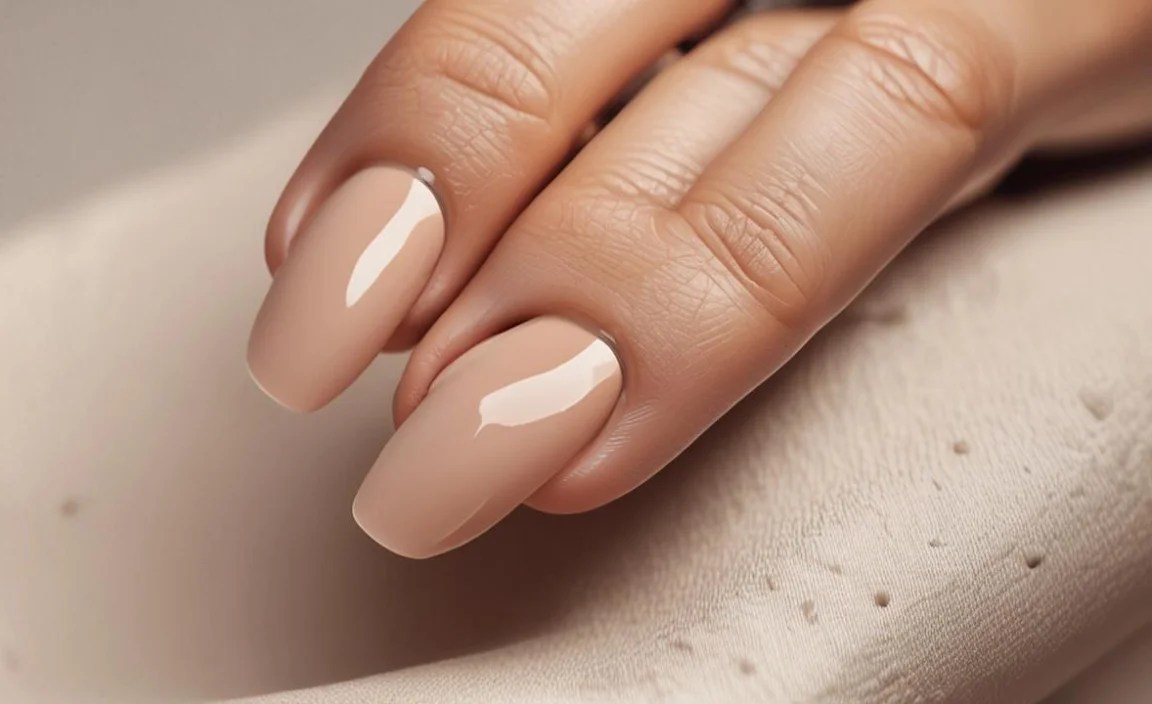
Selecting the right nude polish is key to making your line art pop. It’s all about finding a shade that harmonizes with your natural skin tone. Here’s a quick guide:
| Skin Tone | Recommended Nude Shades | Why They Work |
|---|---|---|
| Fair/Light Cool Undertones | Pale Pink, Soft Beige with Pink Undertones | These shades avoid looking stark or ashy, complementing cooler complexions beautifully. |
| Fair/Light Warm Undertones | Creamy Beige, Peachy Nudes | These add a touch of warmth without clashing; they look natural and subtly enhance the skin. |
| Medium/Olive Undertones | Caramel, Taupe, Warm Beige with Yellow Undertones | These richer nudes provide depth and prevent a washed-out look, blending seamlessly. |
| Deep/Dark Undertones | Deep Tan, Chocolate Brown, Nude with Red Undertones | These shades offer a rich, luxurious base and create a striking contrast with lighter line art. |
Don’t be afraid to swatch! Hold the bottle up to your wrist or nail bed to see how it looks against your skin. Remember, the goal is a polish that looks like your nails, but better!
Beginner-Friendly Nude Line Nail Designs

Ready to create some magic? Let’s start with designs that are super achievable:
Design 1: The Classic Single Line
This is the epitome of minimalist elegance. It’s simple, chic, and incredibly effective.
- Prep your nails: Start with clean, filed nails. Apply a base coat and let it dry completely.
- Apply nude polish: Paint two thin coats of your chosen nude shade. Ensure each coat is fully dry before applying the next.
- Paint the line: Using your fine-tip brush or a thin striper polish in a contrasting color (black, white, gold), carefully paint a single, straight line across the nail. You can place it horizontally near the tip, vertically down the center, or diagonally from a corner.
- For precision: If using a brush, steady your hand by resting your pinky finger on a stable surface. Dip your brush into the polish sparingly to avoid excess.
- Seal the deal: Once the line is completely dry, apply a generous layer of top coat. This will smooth out any texture and protect your artwork.
Design 2: The Half-Moon Outline
This design adds a subtle graphic element by outlining the cuticle area or the tip.
- Prep and base: Apply your base coat and nude polish as usual. Let it dry thoroughly.
- Create the curve: Using your fine-tip brush or a striper polish, carefully paint a curved line following the natural shape of your cuticle. Alternatively, you can create this curve along the free edge of your nail, mimicking a French tip but as an outline.
- Patience is key: Go slow and steady. It’s okay to do this in two very thin layers if needed for opacity, allowing the first layer to dry slightly before adding the second.
- Finishing touch: A layer of top coat will give it that smooth, salon-perfect finish.
Design 3: The Geometric Accent
This involves simple geometric shapes like a square, triangle, or a few stacked lines on one or two accent nails.
- Prep and base: Base coat and nude polish are your foundation. Ensure they are bone dry.
- Draw shapes: On one or two nails (e.g., your ring finger), use your fine-tip brush to draw simple geometric shapes. A small triangle at the cuticle, a few parallel lines across the nail, or a slim rectangle near the tip are great starting points.
- Use tape for crispness (optional): For perfectly straight lines or shapes, use striping tape. Apply the tape where you don’t want polish, paint over it, and then carefully peel the tape off while the polish is still slightly wet. Refer to guides on using nail striping tape for detailed techniques.
- Final Coat: Cap it off with a protective, glossy top coat.
Design 4: Subtle Dots and Dashes
This playful yet minimal design uses a dotting tool or the tip of your brush for tiny details.
- Prep and nude: Apply base coat and two coats of your nude polish. Let it dry completely.
- Add details: Using a dotting tool or the very tip of a fine brush, create a few small dots along the cuticle line or near the tip of the nail. You can also create tiny dashes or tiny “plus” signs.
- Placement matters: Keep the placement sparse and intentional. A few carefully placed details are more impactful than clutter.
- Top it off: A final layer of top coat seals everything in and provides that beautiful shine.
Tips for Perfect Application
Even simple designs benefit from good technique. Here are some tricks to elevate your DIY game:
- Work in thin coats: This is the golden rule of nail polish. Thin coats dry faster, are less prone to smudging, and look smoother.
- Clean your brush/tool: After dipping your brush in polish or after applying a line, clean the tip of your brush or tool on the edge of the bottle neck to remove excess polish. This prevents globs and helps with precision.
- Steady your hand: Rest your wrists and fingers on a flat surface. This provides stability and reduces wobbles.
- Don’t rush drying time: Allow each coat of polish (base, nude, line color, top coat) to dry sufficiently before moving to the next. This is crucial to avoid smudges and dragging. Quick-dry drops can be a lifesaver here!
- Clean up carefully: For any stray lines or polish spills, dip a small, flat brush or an orange stick into nail polish remover and carefully clean up the edges around your nail.
- Practice makes progress: Don’t be discouraged if your first few attempts aren’t perfect. The more you practice drawing lines and handling your tools, the better you’ll become.
Advanced Techniques (For the More Adventurous!)
Once you’re comfortable with the basics, you might want to try these slightly more involved techniques:
Using Striping Tape
Striping tape is a game-changer for achieving super sharp, straight lines and geometric patterns. Learn more about its versatility from reputable sources like Nailpro’s guide.
- Apply nude base: Paint your nude base color and ensure it is completely dry. This is vital to prevent the tape from lifting the polish.
- Place the tape: Carefully lay down strips of thin nail striping tape in your desired pattern. Press down firmly to ensure a good seal around the edges.
- Paint over: Apply one or two thin coats of your contrasting line color (or even another nude shade for a tonal effect) over the tape.
- Peel carefully: While the final polish coat is still slightly wet, gently peel off the striping tape using tweezers or your fingers. If you wait until it’s completely dry, the tape might pull the polish with it.
- Seal: Once fully dry, apply your top coat.
Ombre Lines
This involves creating a gradient effect with your lines.
- Base and Outline: Start with your nude base. Then, using two shades of your line color (e.g., dark gray and light gray, or deep blue and sky blue), draw lines that blend into each other.
- Blending: Apply the darker shade first. While it’s still wet, use a clean, slightly damp brush to gently feather the edge of the darker line into the lighter shade. Alternatively, use a makeup sponge to gently dab gradient colors over a taped section for a smooth transition.
- Top Coat Magic: A good top coat will further help to meld the colors together.
Negative Space with Lines
This popular modern design leaves parts of your natural nail showing through.
- Prep: Apply base coat.
- Tape Placement: Use striping tape to section off areas of your nail where you want the nude polish to be. The uncovered areas will be your “negative space.”
- Apply Nude Polish: Paint your nude polish over the taped sections.
- Remove Tape: Remove the tape while the polish is still wet.
- Add Lines: Once dry, use your fine-tip brush to draw delicate lines over the nude polish or even across the negative space.
Maintaining Your Minimalist Manicure
To keep your beautiful nude line nails looking fresh:
- Avoid harsh chemicals: Wear gloves when doing dishwashing or cleaning. Chemicals can break down the polish and dull the shine.
- Moisturize: Keep your hands and cuticles hydrated with a good cuticle oil and hand cream. This prevents dryness and keeps your nails healthy.
- Touch-ups: If you notice a small chip or wear, you can often touch it up with a bit of nude polish and a carefully placed line.
- Reapply Top Coat: Adding an extra layer of top coat every few days can help refresh the shine and protect the design.
Frequently Asked Questions (FAQ)
Q: How long do minimalist nude line nails typically last?
A: With proper application and care, including a good base and top coat, these manicures can last anywhere from 7 to 14 days. The longevity often depends on your daily activities and how well you protect your nails.
Q: Can I use regular nail polish for the lines, or do I need special polish?
A: You absolutely can use regular nail polish! The key is to have a polish that has a smooth consistency and to use a very fine brush or a thin striper polish. Some artists prefer dedicated striper polishes because they have a built-in fine brush, making application easier.
Q: What if my lines are wobbly or not perfectly straight?
A: Don’t worry! Wobbly lines can add to the homemade charm. If you want them straighter, try using striping tape for perfectly crisp lines. Also, practice makes perfect; steadying your hand by resting your pinky finger on the table can significantly help. You can also use nail polish remover on a small brush to clean up any mistakes.
