Layered foil over sheer base nails creates a dazzling, multi-dimensional effect by strategically placing iridescent foil pieces over a translucent polish base. This guide provides a beginner-friendly, step-by-step approach to mastering this popular and chic nail art trend.
Hey nail lovers! Are you ready to add some serious sparkle and depth to your manicure game? We’re diving into a super trendy technique that looks incredibly complex but is surprisingly doable: layered foil over sheer base nails. Have you ever seen those stunning nails that shimmer and shift with every movement, with a hint of color peeking through? That’s often the magic of layered foil! It can feel a little intimidating at first, especially if you’re new to nail art, but don’t worry. By the end of this guide, you’ll have all the tips and tricks to create this beautiful effect yourself. Let’s get ready to make your nails shine! We’ll walk through everything you need to know, step by simple step.
Why Layered Foil Over Sheer Base Nails Are a Must-Try

This nail art technique has taken the beauty world by storm, and for good reason! It offers a unique blend of ethereal elegance and eye-catching shimmer. Unlike solid foils that cover the entire nail, this method uses sheer polishes as a canvas, allowing light to pass through and interact with the foil in a mesmerizing way. This creates depth and dimension, making your nails look like they’re holding a secret shimmer. It’s perfect for adding a touch of magic to everyday looks or for making a statement at special events. Plus, it’s incredibly versatile, allowing for endless color combinations and foil placements.
The Allure of Iridescent Shimmer
The magic of colored foils, especially iridescent ones, lies in their ability to catch and reflect light from different angles. When layered over a sheer base, this effect is amplified. The sheer polish acts as a diffused light source, allowing the foil’s colors to appear softer and more nuanced. This creates a beautiful, almost holographic effect that is both sophisticated and fun. It’s a fantastic way to experiment with color and texture without committing to a fully opaque, bold look.
Versatility for Every Occasion
One of the best things about layered foil over sheer base nails is their adaptability. Want a subtle hint of shimmer for a professional setting? A light sheer pink with a few delicate silver foil pieces is perfect. Heading to a party and want to go all out? Try a deep sheer berry with multi-colored holographic foils for a show-stopping effect. This technique can be as understated or as dramatic as you desire, making it a go-to for any mood or event. It’s all about how you choose to layer and combine your colors and foils.
Essential Tools and Materials
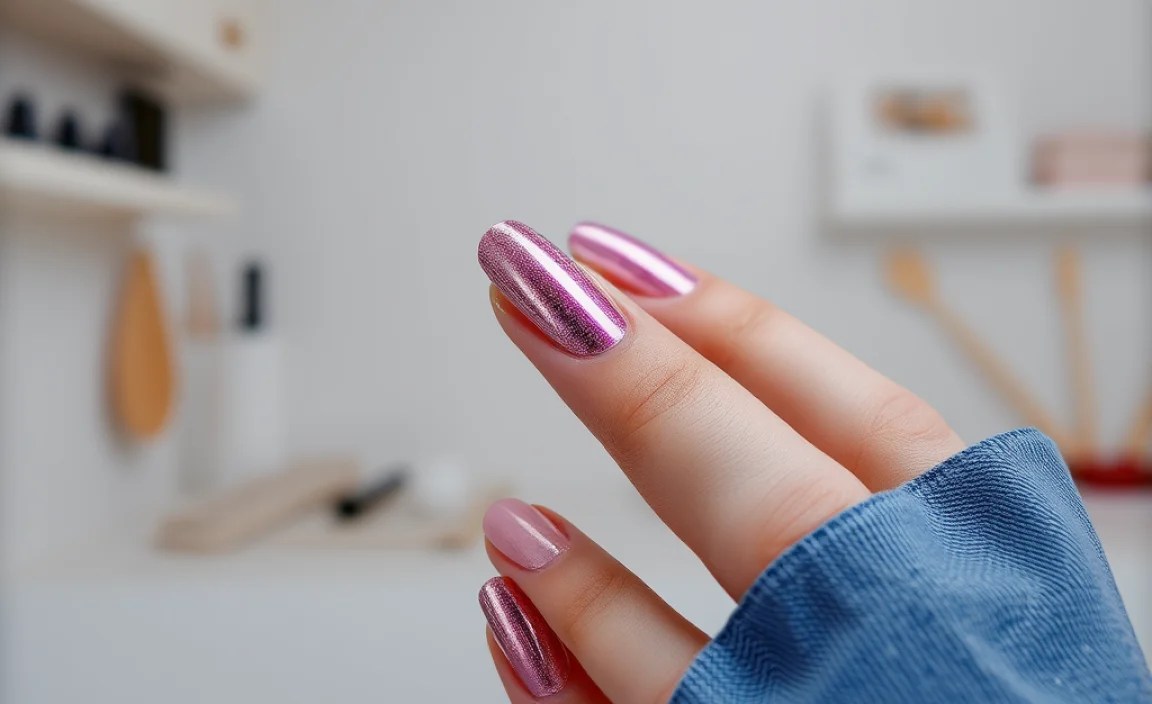
Before we get our hands (and nails!) dirty, let’s gather everything we need. Having the right tools makes the process so much smoother and guarantees better results. Think of this as your nail art prep station!
Here’s what you’ll need:
- Base Coat: A good quality base coat is crucial for protecting your natural nails and helping your polish adhere better.
- Sheer Nail Polish: This is your canvas! Choose one or more sheer polishes in colors you love. Think milky whites, soft pastels, or even sheer nudes.
- Transfer Foil Glue: This specialized glue is designed to create a sticky surface for your foil to adhere to.
- Nail Art Foils: You’ll want a selection of colorful and holographic transfer foils. Look for ones that are designed for nail art.
- Tweezers or Dotting Tool: For picking up and placing small pieces of foil precisely.
- Cuticle Pusher or Orangewood Stick: To gently press down foil pieces and ensure good adhesion.
- Rubbing Alcohol or Foil Glue Remover: To clean up any stray glue or residue.
- Top Coat: A durable, high-shine top coat will seal everything in and give your nails that flawless finish.
- Optional: Cleanup Brush: A small, stiff brush (like an old, clean makeup brush or a dedicated nail cleanup brush) can help tidy up edges.
Understanding Your Foils
Nail art foils come in various types, but for this technique, we’re focusing on transfer foils. These are thin, metallic or holographic sheets with a backing that allows them to be transferred onto a sticky surface. They are designed to be pressed onto special nail foil glue or sometimes even tacky top coat. The key is that the foil has a pattern or color that adheres to the sticky layer, leaving the clear backing behind.
You can find foils in a vast array of colors, finishes, and patterns. For layered sheer base nails, iridescent and holographic foils are particularly stunning because they offer a dynamic, color-shifting effect. Explore different types to see what speaks to your style!
Step-by-Step Guide to Layered Foil Over Sheer Base Nails

Alright, let’s get crafting! Follow these steps carefully, and you’ll be rocking gorgeous layered foil nails in no time. Don’t rush; take your time, especially when placing the foil.
Step 1: Nail Preparation
Start with clean, dry nails. Gently push back your cuticles using a cuticle pusher or orangewood stick. If you have any old polish on, remove it completely with nail polish remover. For a smoother canvas, you can lightly buff your nails, but avoid over-buffing, which can weaken them. Ensure your nails are free of oils and lotions, as this can prevent the base coat and glue from adhering properly.
Step 2: Apply Base Coat
Apply a thin, even layer of your favorite base coat. This protects your natural nails from staining and provides a good foundation for your polish. Let it dry completely. A good base coat is the unsung hero of a long-lasting manicure!
Step 3: Apply Sheer Polish
Now it’s time for your sheer base color. Apply one or two thin coats of your chosen sheer nail polish. Remember, you want the polish to be translucent. If you apply too many thick coats, you’ll lose the sheer effect. Allow each coat to dry until it’s no longer tacky but still has a little grip. This is important for the foil to adhere well in the next step.
Tip: If you’re layering multiple sheer shades, apply them one after another while the previous layer is still slightly tacky. This can create subtle color blends.
Step 4: Apply Transfer Foil Glue
This is where the magic starts to happen! Apply a thin, even layer of specialized transfer foil glue over the entire nail where you want the foil to adhere. Make sure to cover the areas where you plan to place your foil. Some glues are clear, while others have a faint color. Pay attention to the instructions on your specific glue, as drying times can vary. You’re looking for the glue to become completely transparent and slightly tacky. If it’s still wet or milky, the foil won’t transfer properly. If it’s too dry, the foil won’t stick.
Drying Time Tip: Most foil glues need about 30-60 seconds to dry to a tacky consistency. You can gently wave your hands or use a nail fan to speed this up slightly. Avoid touching the glued surface!
How to Test for Tackiness
A simple way to test if your foil glue is ready is to gently touch it with the back of your finger (not the fleshy part). If it feels sticky and lifts slightly onto your finger but doesn’t fully adhere like wet glue, it’s perfect. If it pulls off a lot of glue, it needs more time to dry. If it feels completely dry and non-sticky, you might need to reapply a thin layer.
Step 5: Apply the Foil
Cut or tear your chosen nail art foil into smaller pieces. This is where the “layered” effect comes in! You don’t need full-nail transfers here; think of smaller, irregular shapes. Place the foil, colored side up, onto the tacky glue. Gently press it down with your fingertip, a cuticle pusher, or an orangewood stick. Start from one edge and work your way across to ensure there are no air bubbles. The foil will transfer its color and pattern onto the sticky glue. Work in small sections, overlapping pieces as desired to create depth and interest.
Pro Tip: Don’t aim for perfect, uniform coverage. The beauty of this technique is in the organic, layered look. Some areas can have more foil, while others have less, allowing the sheer base color to really shine through.
Step 6: Remove the Foil Backing
Once you’ve pressed the foil down, gently peel away the clear backing from the foil. The color or pattern should be left behind on your nail. If some areas didn’t transfer well, you can try pressing the foil back down, or even applying a tiny bit more glue to those specific spots and reapplying foil. Repeat this process with different foil pieces and colors until you achieve your desired layered look. You can use a variety of foils – holographic, iridescent, solid colors – to build complexity.
Important Note: If you’re using different types of foils or intricate patterns, it’s a good idea to experiment with how they layer together on a piece of paper first to visualize the effect.
Step 7: Clean Up Edges
Use a small cleanup brush dipped in rubbing alcohol or nail polish remover to gently clean up any excess foil bits or stray glue around your cuticles and sidewalls. This step is crucial for that polished, professional finish. Be careful not to disrupt the foil on the nail bed.
Step 8: Apply Top Coat
Once you are happy with the foil placement and have cleaned up the edges, apply a generous layer of high-quality top coat. This seals the foil in, prevents chipping, and adds a beautiful, glossy finish. Make sure to cap the free edge of your nail by sweeping the top coat along the tip. Apply a second layer of top coat if needed for extra durability and shine, especially over the textured foil areas.
Top Coat Application Tip: For textured foils, sometimes a thicker, glossy top coat works best to smooth out any bumps and create a glass-like finish. Gel top coats are excellent for this if you’re working with gel polish.
Creative Variations and Design Ideas
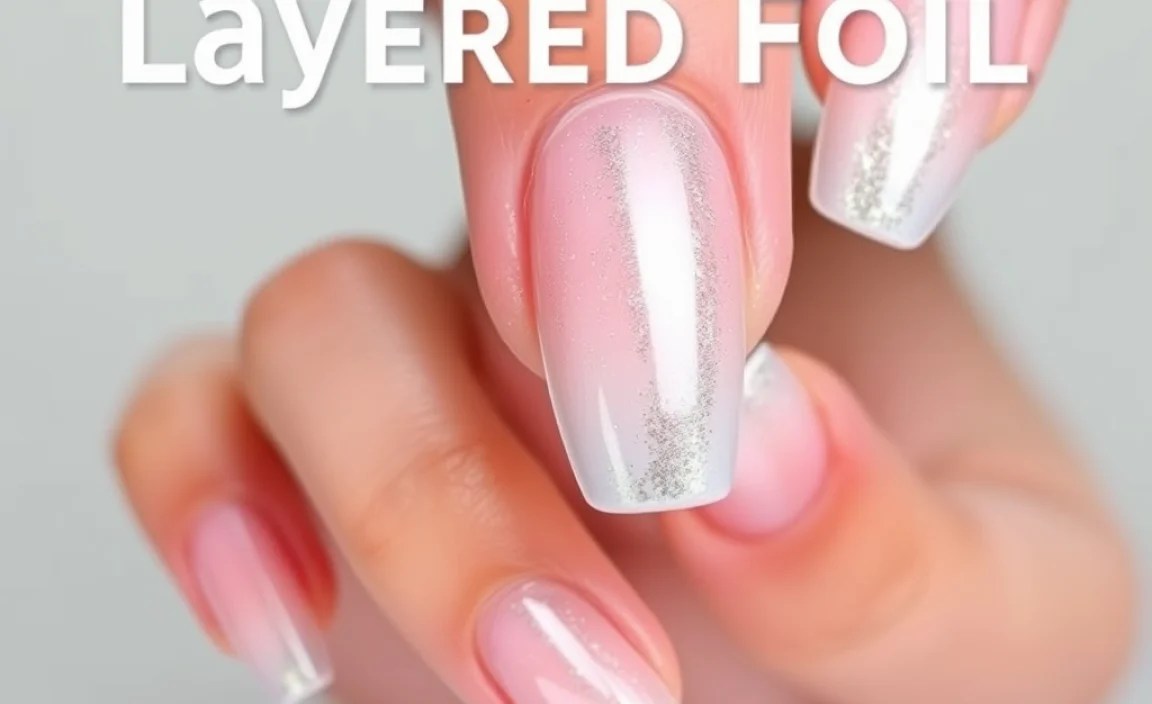
Now that you’ve mastered the basic technique, let’s explore some ways to elevate your layered foil over sheer base nails. The possibilities are truly endless!
Ombre Foil Effect
Instead of a solid sheer base, create a sheer ombre effect with two complementary sheer polishes. Apply the lighter shade at the cuticle and blend it into the darker shade towards the tip. Then, apply your foil over this blended base for a seamless, multi-tonal shimmer.
Strategic Foil Placement
Don’t feel like you have to cover the whole nail. Try placing foil pieces only on the tips for a French-style shimmer, or along the cuticle line for a modern accent. You can also create patterns by applying glue in specific shapes and then transferring foil over those areas.
Under-the-Foil Accents
Before applying the foil, you can add tiny dots, lines, or even a very thin layer of glitter polish over your sheer base. The foil will then layer over these accents, creating a complex, multi-dimensional look that’s truly unique.
Mixing Foil Textures and Colors
Combine different types of foils on the same nail or even across different nails. For instance, use a subtle iridescent foil on some nails and a bolder holographic foil on others. You can even layer a smaller, more detailed foil piece over a larger, more abstract one.
Match Your Outfit or Accessories
This is a fantastic way to personalize your nails. Choose sheer base colors and foils that complement your favorite outfit, jewelry, or even your mood. A little bit of planning can lead to a perfectly coordinated look.
Troubleshooting Common Issues
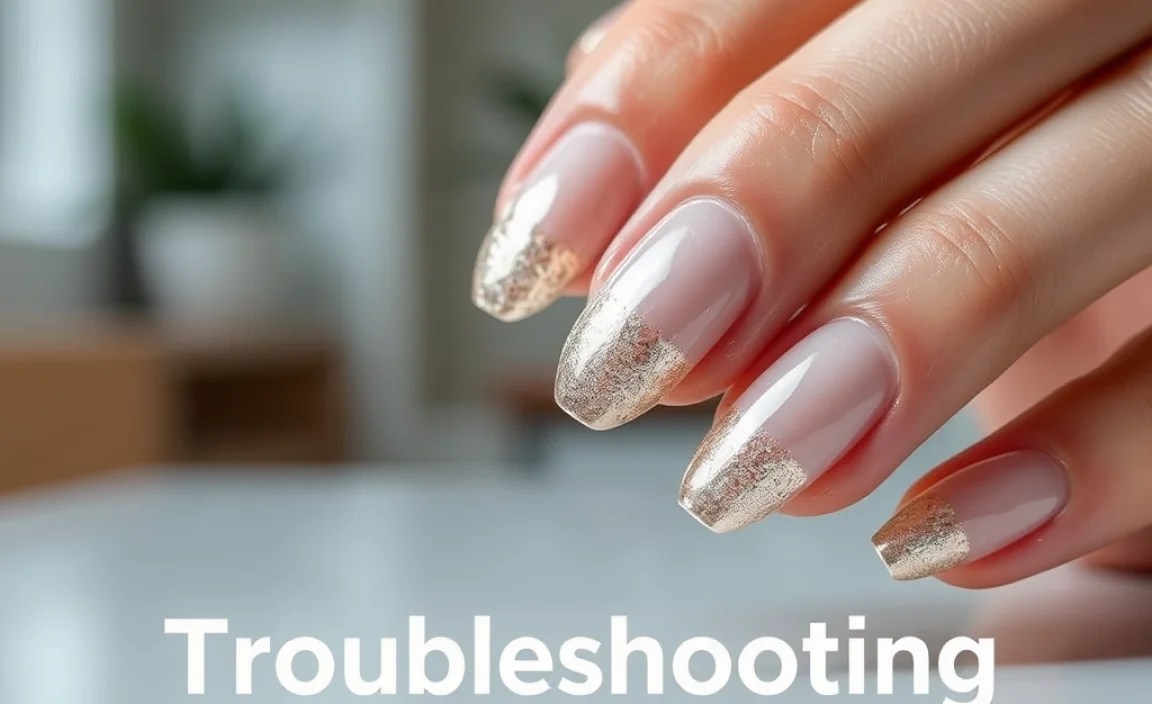
Even with the best intentions, you might run into a few snags. Here are some common issues and how to fix them:
- Foil Not Transferring: This is usually due to the foil glue not being tacky enough, or being applied too thickly and drying too fast. Ensure the glue is completely clear and tacky before applying foil.
- Foil Lifting or Bubbling: You might be pressing too hard or not pressing evenly. Use a gentle, firm pressure. Pressing with a silicone-tipped tool can help achieve a smoother finish.
- Foil Sticking to Areas Where Glue Wasn’t Applied: This can happen if the glue spreads too thinly or if your base polish is still too wet when you apply the glue. Ensure your sheer base is mostly dry and apply the foil glue precisely.
- Rough Texture After Top Coat: Sometimes, foil can leave a slightly textured finish. You might need two generous coats of top coat, or a builder gel top coat, to smooth everything out. Ensure your first top coat layer is fully dry before applying the second.
- Foil Ripping: Foils can be delicate! Avoid pulling or tearing them when applying. If a piece rips, don’t panic; often you can strategically place another piece over it or embrace the abstract look.
Remember, nail art is a skill that improves with practice. Don’t get discouraged by initial imperfections. Every attempt is a step closer to perfection!
Maintaining Your Layered Foil Nails
Once your dazzling layered foil nails are complete, you’ll want them to last as long as possible. Here are some tips to keep them looking fabulous:
- Be Gentle: Avoid using your nails as tools. Don’t scrape, pick, or pry at things with your fingertips, as this can lift the foil or chip your top coat.
- Wear Gloves for Chores: When doing dishes, cleaning, or any task that involves prolonged contact with water or chemicals, wear rubber gloves. Water and harsh detergents can break down the polish and top coat over time.
- Moisturize: Keep your hands and cuticles hydrated with cuticle oil and hand cream. Healthy cuticles contribute to the overall appearance and longevity of your manicure.
- Avoid Harsh Chemicals: Try to keep your nails away from strong solvents like acetone if possible, outside of normal polish removal.
With good care, your layered foil nails can stay looking salon-fresh for about 7-14 days, depending on your nail type and daily activities.
Frequently Asked Questions (FAQ)
What kind of foil can I use for this technique?
You need to use specific nail art transfer foils. These are thin, often holographic or metallic sheets designed to adhere to special foil glue or tacky surfaces. Regular craft foil will not work and can damage your nails.
How do I know when my foil glue is ready?
The glue should be completely clear and feel tacky to the touch, but not wet. You can test gently with the back of your fingernail. If it lifts slightly without taking off a ton of glue, it’s ready.
Can I use regular nail polish instead of transfer foil glue?
Some people have success with a very sticky regular polish or a specialized “foil top coat” that stays tacky for longer. However, dedicated transfer foil glue is formulated to provide the best and most reliable adhesion for foils.
How do I prevent the foil from looking chunky or bumpy?
Ensure you press the foil down firmly and evenly. Applying a generous, smooth layer of top coat, possibly two layers, is essential. A gel top coat can sometimes provide a smoother, more glass-like finish over textured foils.
Can I mix different colors of sheer polish with different foils?
Absolutely! Experimentation is key. Layering different sheer colors underneath and using a mix of foil colors and textures on top will create unique and stunning results. Just make sure each layer of polish is sufficiently dry before applying glue.
How long do layered foil nails typically last?
With proper application and aftercare, layered foil nails can last anywhere from 7 to 14 days. Longevity depends on the quality of your products, how well you prepared your nails, and how gently you treat your hands.
Conclusion
Layered foil over sheer base nails is a fantastic technique that brings a unique blend of subtle elegance and captivating shimmer to your fingertips. It’s approachable for beginners and offers endless creative possibilities for even the most seasoned nail artists. By following these simple steps, gathering your essential tools, and not being afraid to experiment with colors and textures, you can achieve salon-quality, multi-dimensional nail art right at home. Remember, the goal is fun and self-expression. So go ahead, embrace the sparkle, and let your nails tell a dazzling story!
