Foil sheets for nail decoration offer a dazzling, quick, and easy way to add stunning metallic and holographic accents to your manicures. They’re perfect for beginners and seasoned nail artists alike, providing a professional-looking finish with minimal effort. Learn the genius technique to apply them flawlessly!
Hey there, nail lovers! Are you ready to add some serious sparkle and shine to your nails? Maybe you’ve seen those gorgeous, mirrored, or rainbow-effect nails and thought, “Wow, that looks complicated!” But guess what? It’s easier than you think, especially with foil sheets for nail decoration. These magical little sheets can transform your nails from simple to spectacular in minutes. We’re going to walk through exactly how to use them, making sure you get that salon-worthy finish right at home. Get ready to wow yourself and everyone around you!
What Are Nail Art Foils and Why Are They So Awesome?

Nail art foils are thin, pliable sheets of metallic or holographic material that transfer a shiny, eye-catching design onto your nail. Think of them like tiny, super-thin stickers that give you that intense, reflective finish you can’t achieve with regular polish alone. They come in countless colors and patterns – from classic silver and gold to vibrant neons, shimmering pastels, intricate geometric designs, and even marbled looks. They are a fantastic tool for adding a professional touch without needing advanced artistic skills.
The Genius Behind Using Foil Sheets for Nail Decoration:
- Speed: You can achieve stunning results in a fraction of the time it would take to hand-paint intricate designs.
- Impact: The high shine and metallic finish instantly elevate any manicure.
- Versatility: Use them for full nail coverage, accent nails, or small design elements.
- Beginner-Friendly: The application is straightforward, making it perfect for those new to nail art.
- Durability: When applied correctly, they can last as long as your manicure.
What You’ll Need: Your Foil Art Toolkit

Gathering the right supplies is key to a smooth and successful foil application. Don’t worry, you probably already have most of these items! If not, they are readily available at drugstores, beauty supply stores, or online.
- Nail Art Foils: Choose your favorite colors and finishes!
- Nail Polish or Gel Polish: This will be your base color and the adhesive for the foil.
- Top Coat: A good quality top coat is essential for sealing and protecting your design.
- Foil Glue or Specially Designed Foil Adhesive: While regular polish can work, a dedicated foil glue often gives the best, most reliable results.
- Cuticle Pusher or Orangewood Stick: For cleaning up around the nail.
- Tweezers or an Orangewood Stick: To pick up and place the foil.
- Scissors or a Nail File: To trim excess foil.
- Rubbing Alcohol or Nail Polish Remover: For cleaning the nail surface.
- Optional Tools: Lint-free wipes, a nail lamp (if using gel polish).
The Genius Method: Step-by-Step Foil Application
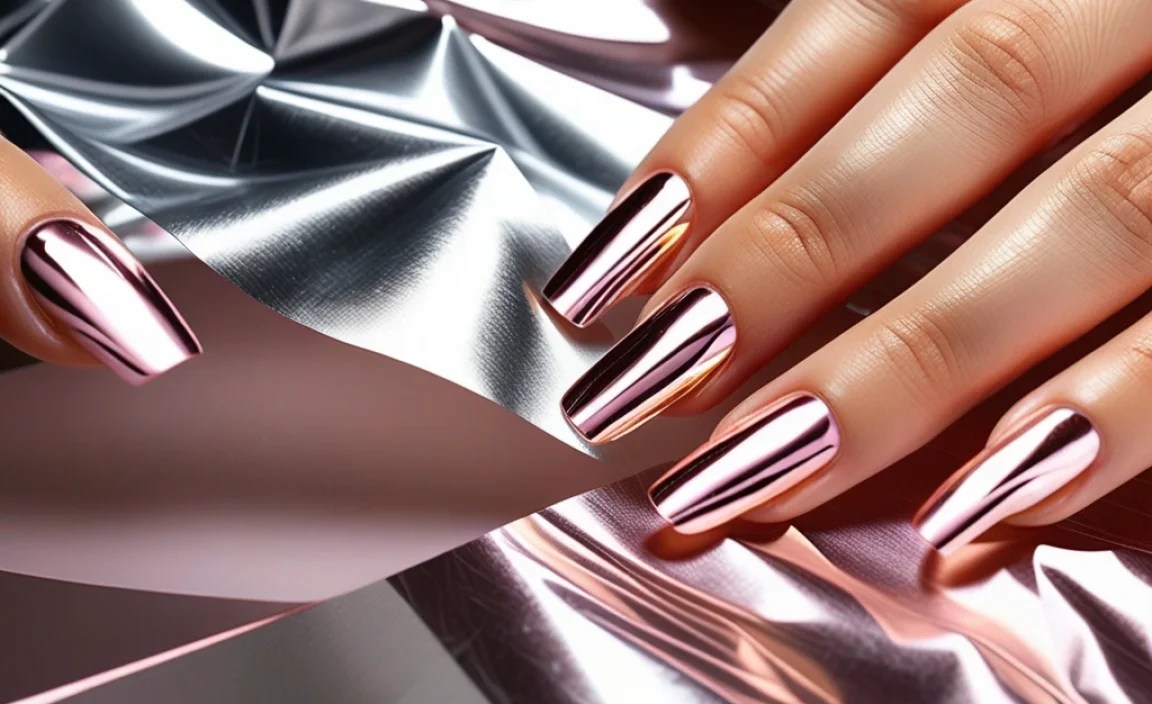
Let’s dive into the fun part! This step-by-step guide will walk you through applying foil sheets for nail decoration like a pro. We’ll cover both using regular nail polish and gel polish for the base.
Method 1: Using Regular Nail Polish
This method is super accessible and requires no special curing lamp. It’s perfect for quick, on-the-go nail art!
- Prepare Your Nails. Start by cleaning your nails thoroughly. Remove any old polish, wash your hands, and gently push back your cuticles. You can shape your nails now if needed. Ensure your nails are completely dry and free of oils.
- Apply Your Base Color. Paint your nails with your chosen regular nail polish color. This will be the background for your foil. Let it dry completely. This is crucial! If the polish is still wet or tacky, the foil might smudge or not transfer evenly.
- Apply the Foil Adhesive (Specialized Foil Glue). This is where the magic happens for a super-strong transfer. Apply a thin, even layer of your specialized foil glue all over the nail. Make sure to cover the entire surface where you want the foil to adhere.
- Wait for It to Become Clear. Most foil glues (or even sticky top coats) need to dry slightly until they become clear and tacky. This usually takes about 1-5 minutes, depending on the product and humidity. You’ll know it’s ready when there are no cloudy white streaks left. If you’re using a different type of adhesive like a sticky top coat, you might need to slightly tap it with your finger to ensure it’s perfectly tacky before applying the foil.
- Cut and Place the Foil. Cut a piece of foil slightly larger than your nail. Place the colored side of the foil UP and the metallic backing DOWN onto your tacky nail surface. Gently press it down with your fingertip, an orangewood stick, or a silicone tool. Start from the center and work your way outwards to ensure good contact.
- Peel Off the Backing. Carefully and quickly peel off the foil backing. The metallic design should now be transferred onto your nail. If some areas didn’t transfer well, don’t worry! You can try reapplying that section with a bit more gently pressing or even apply a tiny bit of foil glue to the bare spot and try again with a fresh piece of foil.
- Seal the Deal! Once you’re happy with the foil transfer, let it dry for a minute or two. Then, apply a generous layer of your favorite top coat. This will protect the foil, give it shine, and make your manicure last longer. Be careful not to drag the brush too much, as this can sometimes smudge the foil. Float the top coat over the foil for smooth application.
Method 2: Using Gel Polish
Gel polish offers incredible longevity and a super-smooth finish. The process is similar, but it incorporates your UV/LED lamp.
- Prep and Base Coat. Clean your nails. Apply a thin layer of gel base coat and cure it under your UV/LED lamp according to the manufacturer’s instructions (usually 30-60 seconds).
- Apply Color and Cure. Apply your first layer of gel color polish. Cure it under the lamp. Apply a second layer of gel color for full opacity and cure again.
- The “Sticky Layer” is Your Adhesive! This is the key difference with gel polish. Do NOT wipe off the tacky inhibition layer left after curing your final coat of gel color. This gooey layer is what the foil will stick to! If you accidentally wipe it off or it has been topped with a no-wipe top coat, you’ll need to apply another thin layer of gel color or a builder gel and cure it again, ensuring you leave that sticky layer.
- Cut and Place the Foil. Cut a piece of foil slightly larger than your nail. Place the colored side of the foil UP and the metallic backing DOWN onto the sticky gel layer. Press firmly and evenly, working from the center outwards.
- Peel and Reveal. Swiftly peel off the foil backing. The design should transfer beautifully onto the tacky gel. If you have patchy spots, you can sometimes go over them with a small piece of foil again.
- Seal with a No-Wipe Top Coat. Apply a thin, even layer of a no-wipe gel top coat over the entire nail. This type of top coat cures completely without leaving a sticky residue, perfectly sealing your foil design. Cure under your UV/LED lamp according to the lamp’s instructions.
Tips and Tricks for Foil Perfection
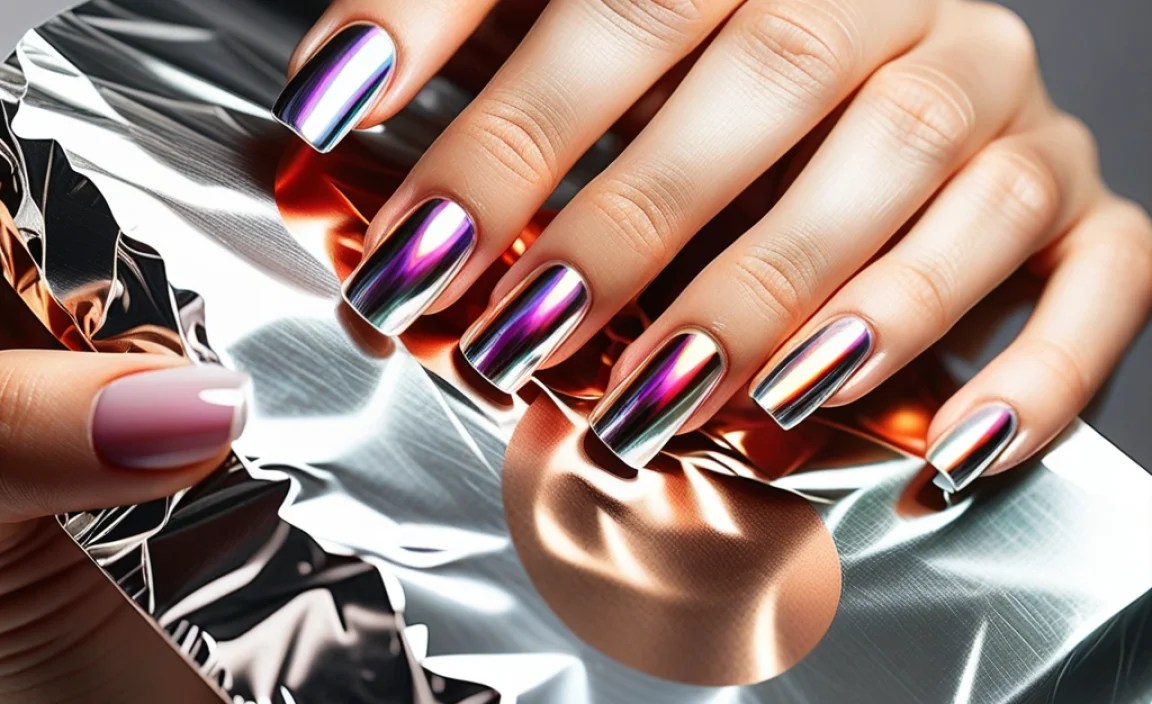
Even with a great tutorial, a few extra pointers can make your foil application absolutely flawless. These are the little secrets that make a big difference!
- Experiment with Base Colors: Foils look amazing over black, white, or bold colors. A sheer or nude base can create a more subtle, ethereal look. Try contrasting colors for a pop!
- Foil Placement Matters: Don’t be afraid to play with placement. A full nail is stunning, but a French tip accent, a half-moon design, or a stripe can be equally chic and sometimes even more sophisticated.
- Keep it Clean: Make sure your nail surface is free from oils and dust before you start. Even a tiny bit of oil can prevent the foil from adhering properly.
- The Right Kind of Foil: Not all foils are created equal! There are transfer foils (designed to stick with adhesive) and chunky glitters that are technically foil pieces. This guide focuses on transfer foils.
- Don’t Overwork It: Once the foil is applied and peeled, try not to touch or manipulate it too much before top-coating. This can cause the design to scratch or smudge.
- “Floating” Your Top Coat: When applying your top coat (especially over regular polish), try not to brush directly on the foil. Instead, let the brush hover just above the nail and let the top coat flow onto the surface. This prevents the foil from smudging. For gel, a good quality no-wipe top coat is your best friend.
- Practice Makes Perfect: If your first attempt isn’t exactly what you envisioned, don’t get discouraged! The more you practice, the better you’ll become at achieving perfect transfers.
Troubleshooting Common Foil Problems
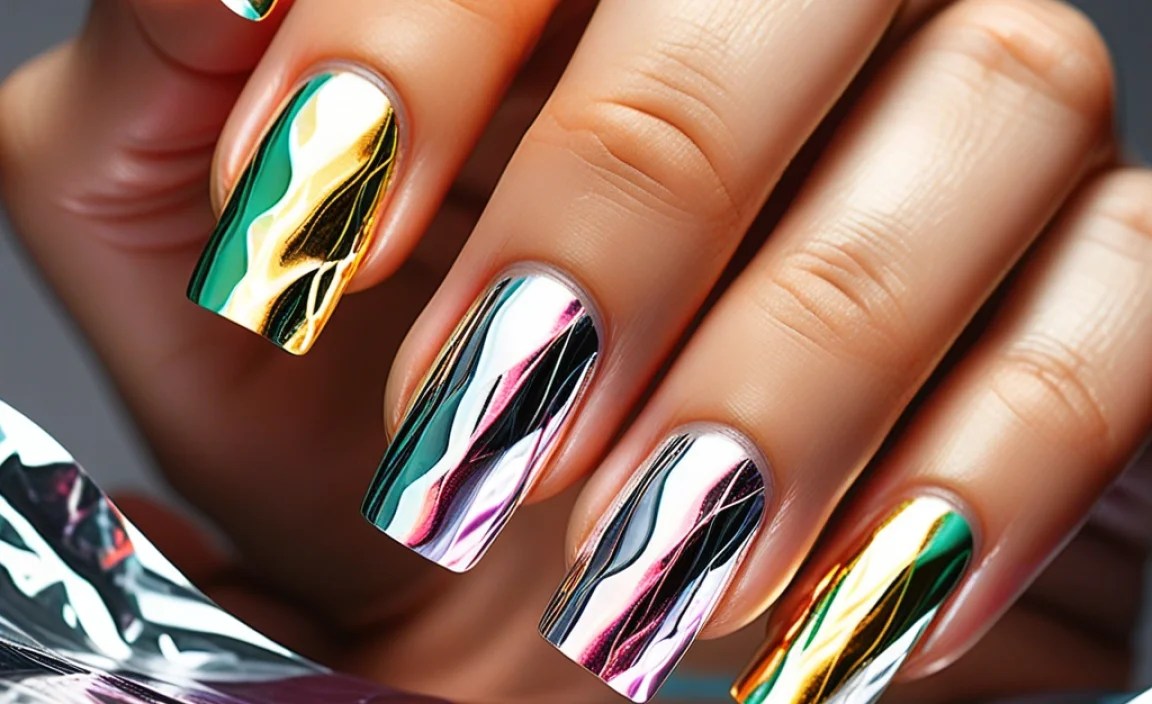
Even us experienced nail artists run into issues sometimes! Here’s how to fix those common foil frustrations:
Problem: The Foil Isn’t Transferring Fully/Patchy Areas
- Cause: The adhesive (polish or glue) wasn’t tacky enough, or you didn’t press the foil firmly enough.
- Solution: Ensure your adhesive is perfectly tacky (clear and sticky, not wet or dry). Reapply a tiny bit of foil glue or sticky top coat to the bare spots and try again with a fresh piece of foil, pressing more firmly.
Problem: The Foil is Smudged or Wrinkled
- Cause: You peeled the foil backing too slowly, or the adhesive was too wet when you applied the foil.
- Solution: Peel the foil backing quickly and decisively. Ensure your adhesive has reached the correct tackiness before applying the foil.
Problem: The Foil is Lifting or Peeling After Top Coat
- Cause: The top coat might have been applied too thickly or caused the foil to move, or the edges weren’t sealed properly.
- Solution: Apply your top coat thinly and gently, “floating” it over the foil to avoid movement. Make sure you cap your free edge with the top coat for extra protection. With gel, ensure you are using a compatible no-wipe top coat and curing for the correct duration.
Problem: The Foil Looks Dull
- Cause: The foil itself might be of lower quality, or the top coat isn’t providing enough shine.
- Solution: Invest in good quality transfer foils. Ensure you’re using a high-shine top coat.
Exploring Different Foil Effects and Designs
The beauty of foil sheets for nail decoration is their endless potential. Let’s explore some popular ways to use them:
The Classic Mirror Finish
This is the iconic look. Using solid silver, gold, rose gold, or even iridescent foils on a dark base coat creates a stunning, flawless mirror effect. To achieve this, use wide strips of foil and ensure complete coverage. The key is that perfect tackiness in your adhesive for a seamless transfer.
Holographic Hues
Holographic foils are mesmerizing! They shift through the rainbow with every movement. They are fantastic over black for a disco-ball effect or over lighter colors for a subtle shimmer. These are often transfer foils designed for the sticky layer of gel polish or specific foil glue for the best results.
Marble and Ombre Nails
You can achieve beautiful marble or watercolor effects by strategically tearing or layering different colored foils. Apply foil glue in abstract shapes and press down pieces of foil in complementing colors. The slightly uneven application can mimic a natural marble look. For a more controlled marble, you can use a stencil or tape to create sections for different foil colors.
Accent Nails and Geometric Patterns
Don’t want to cover your whole nail? Cut out small shapes like triangles, squares, or thin strips to create geometric designs. You can combine these with nail art tape for super sharp lines. An accent nail with a bold foil can be all the statement you need!
Under-Layer Shine
For a more subtle effect, apply foil very sparingly to areas of the nail where light would naturally hit, or over a sheer polish. It adds a hint of gleam without being overpowering.
Foil Sheets vs. Other Nail Art Embellishments
How do foils stack up against other popular nail art additions? Let’s compare!
| Feature | Foil Sheets | Gems/Rhinestones | Glitter Polish | Stickers/Decals |
|---|---|---|---|---|
| Ease of Use | Very Easy (especially transfer foils) | Moderate (placement can be tricky) | Very Easy (just paint on) | Easy (peel and stick) |
| Finish/Effect | Metallic, holographic, mirror, iridescent | Sparkly, 3D texture, colored shine | Sparkly, textured, colored shine | Printed designs, solid colors, patterns |
| Durability | Good to Excellent (when sealed properly) | Can be prone to snagging/falling off if not applied well | Good | Good (can lift at edges) |
| Time Investment | Quick (minutes per nail) | Moderate (depends on complexity) | Fast (part of polish application) | Fast |
| Cost per Use | Low to Moderate | Moderate to High (depending on embellishment quality) | Low | Low to Moderate |
| Design Versatility | High (full coverage, accents, patterns) | Moderate (primarily accents) | Low (primarily glitter effect) | High (varied pre-made designs) |
As you can see, foil sheets offer a unique combination of dazzling effect, speed, and ease of use that makes them a standout option for many nail art enthusiasts, especially those looking for that high-impact shine!
Maintaining Your Foiled Manicure
To keep your gorgeous foil nails looking their best, a little care goes a long way. Think of it like protecting any delicate finish!
- Avoid Harsh Chemicals: Always wear gloves when doing household chores involving water or cleaning products. Solvents can break down the top coat and lift the foil.
- Be Gentle with Your Nails: Try not to use your nails as tools (e.g., scraping, prying). This puts undue stress on the polish and foil.
- Reapply Top Coat (Optional): After a few days, if your top coat seems to be losing its shine or you notice slight wear, you can apply a fresh layer of top coat to refresh and protect your manicure.
- Moisturize! Keep your cuticles and hands moisturized with cuticle oil and hand lotion. Healthy skin supports healthy nails and a well-maintained manicure.
Proper application and these simple maintenance tips will help your foil art last!
The Environmental Aspect of Nail Foils
When considering beauty products, it’s always good to think about their impact. Nail art foils are typically made from thin plastic films coated with metallic or iridescent layers. While a small amount of product is used per manicure, disposal is a consideration.
Most nail foils are not biodegradable. When you’re finished with a sheet, it should be disposed of in your general household waste. Because only small pieces are used, the environmental footprint of individual manicures is quite low. Some companies are beginning to explore more sustainable options, such as biodegradable glitter or recycled plastic films, though these are less common for traditional transfer foils:
For more information on the environmental impact of beauty products, you can refer to resources from organizations like the U.S. Environmental Protection Agency, which offers general guidance on waste reduction and recycling.
Choosing high-quality foils and using them efficiently can help minimize waste. Consider purchasing foils in larger sheets or multi-packs if you find yourself using them frequently.
