This guide reveals how to create beautiful floral 3D acrylic nail art. Learn simple techniques and stunning design ideas perfect for beginners. Get ready to elevate your manicures and express your creativity with gorgeous, sculpted flowers that pop!
Hey, gorgeous! Ever scroll through Instagram and see those incredible 3D flowers on acrylic nails, thinking, “Wow, I could never do that“? I used to feel the same way! But guess what? Creating beautiful, eye-catching floral 3D acrylic nail art is totally achievable, even if you’re just starting out. It’s easier than you think to add that extra dimension of artistry to your nails. Forget complicated steps; we’re diving into simple methods and inspiring designs that will make your nails bloom. Ready to transform your fingertips into tiny works of art? Let’s get started!
Why We Love Floral 3D Acrylic Nail Art
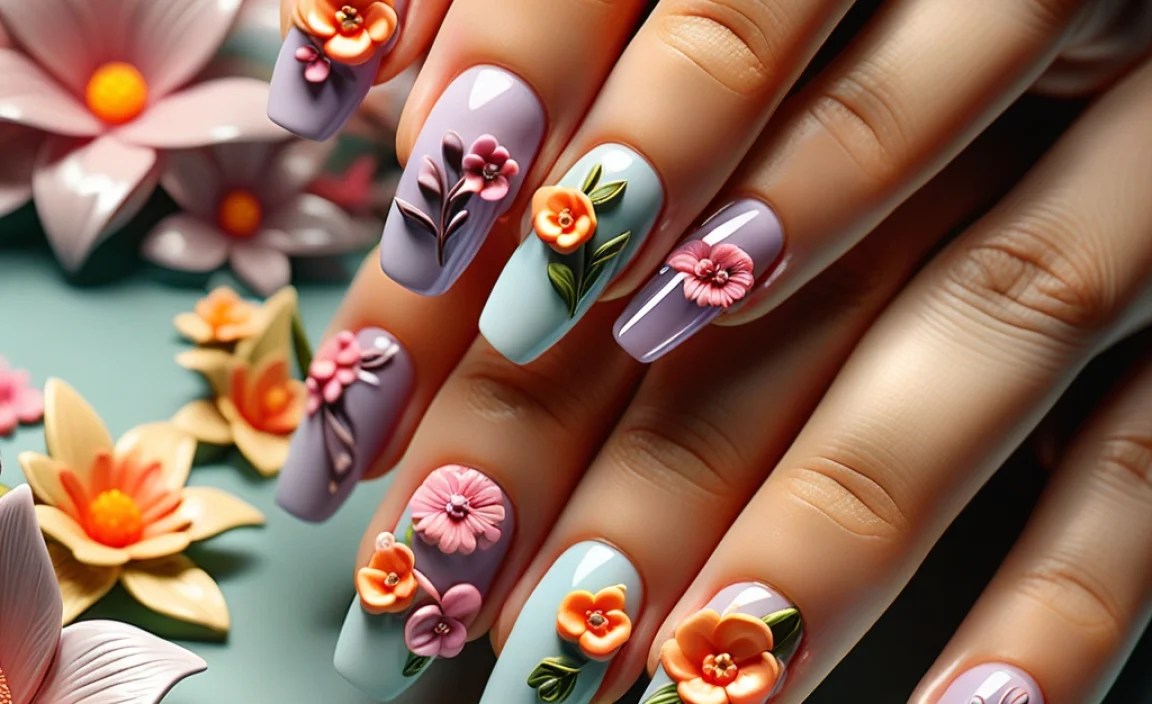
Floral 3D acrylic nail art is a fantastic way to add a unique, artistic flair to your manicure. It’s not just about pretty pictures; it’s about creating texture, depth, and a truly personalized style. The 3D effect makes flowers literally pop off the nail, giving a luxurious and eye-catching look. Plus, it’s incredibly versatile – you can go for delicate, whimsical daisies or bold, dramatic roses, all with acrylic.
Getting Started with Floral 3D Acrylics
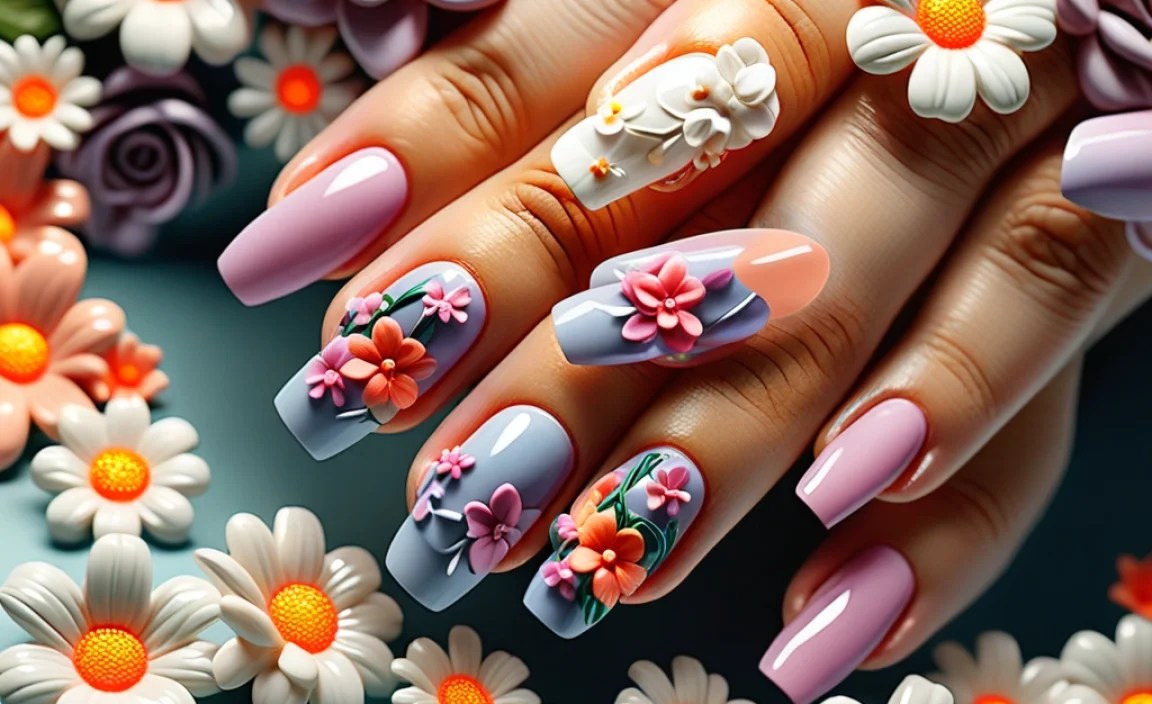
Before we jump into creating masterpieces, let’s make sure you have your essentials. Think of it like gathering your paintbrushes and palette before an art session!
Essential Tools and Materials
Having the right tools makes all the difference. Don’t worry if you don’t have everything perfect from day one; you can build your collection over time.
Acrylic Powder: You’ll need both a clear or pink acrylic powder for sculpting and colored powders for your petals and leaves.
Monomer Liquid: This is what activates the acrylic powder to create a workable bead.
3D Acrylic Brushes: These are typically oval or round and have a finer tip, perfect for picking up small beads of acrylic and shaping them delicately. Look for brushes made with Kolinsky sable hair for the best control.
Dappen Dishes: Small dishes for holding your monomer liquid and your acrylic powders.
Nail Tips or Forms: These create the base structure for your acrylic nails.
Primer: Helps the acrylic adhere to your natural nail.
Top Coat and Base Coat: For finishing and protection.
Cuticle Pusher and Nippers: For nail preparation. (Always ensure proper nail preparation for the best results and longevity. For insights on nail hygiene, the Mayo Clinic offers great general health information.)
Dust Brush or Small Fan: To gently brush away acrylic dust.
Nail File and Buffer: For shaping and smoothing.
Understanding Acrylic Basics for 3D Art
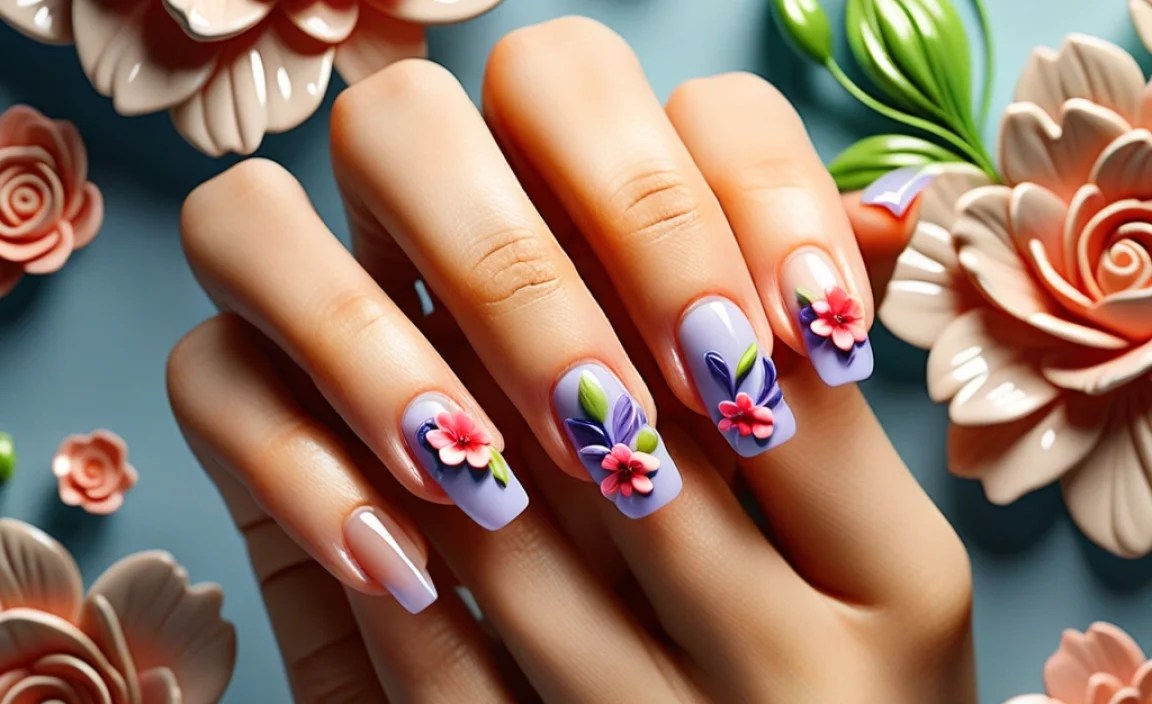
Acrylics are a mix of liquid monomer and powdered polymer. When combined, they create a pliable bead that hardens when exposed to air. For 3D art, you’re essentially sculpting small beads of acrylic into petal and leaf shapes.
The Perfect Bead Consistency
Getting the right bead is key! It’s a balance between liquid and powder.
Too Wet: The bead will be soupy and hard to control, spreading out too much and won’t hold its shape.
Too Dry: The bead will be crumbly and difficult to mix and shape.
Just Right: A smooth, slightly firm ball that holds its shape but remains moldable.
Practice scooping your brush into the monomer, then into the powder. You want a medium-sized bead. Let it sit for a few seconds to become slightly less shiny and more matte before you start shaping.
Step-by-Step: Creating Simple 3D Flowers
Let’s start with a classic: a simple 3D rose. It looks impressive but is surprisingly straightforward.
Creating the Petals
1. Pick up a Small Acrylic Bead: Dip your 3D brush into monomer, wipe off excess, then pick up a small bead of colored acrylic (e.g., pink for a rose).
2. Form the Bead: Place the bead onto a non-porous surface (like a palette or a nail tip for practice).
3. Shape into a Teardrop: Use the tip of your brush to gently tap and press the bead, elongating it into a slight teardrop or petal shape.
4. Create a C-Shape: With your brush, gently press down on one side of the bead, then use the side of the brush to pull and twist, creating a curved “C” shape — this is your petal!
5. Make Multiple Petals: Repeat this process to create 4-5 petals. You can vary the size slightly for a more natural look.
Assembling the Flower
1. Start with the Center: Take one of your smaller, tightly curled petals. Place it down and use your brush to slightly fan the edges outwards. This is the core of your rose.
2. Add Outer Petals: Take your other petals and arrange them around the center one, overlapping them slightly. Use gentle pressure to adhere them to the nail or to the previous petal.
3. Define the Shape: As you add petals, use the side of your brush to gently push and shape the overall form of the rose, making it look rounded and full.
4. Add Leaves (Optional): For leaves, pick up a bead of green acrylic. Flatten it, then use your brush to create a long, tapered shape. You can press the tip to make it pointier and use the side of the brush to define a central vein. Attach these around the base of your flower.
Attaching to the Nail
You can either sculpt the entire flower directly onto a pre-applied acrylic nail, or you can sculpt individual flowers and then adhere them using a strong nail glue or a bit of clear acrylic. For beginners, sculpting directly onto the nail is often easier.
Proven Stunning Floral 3D Acrylic Nail Designs
Now that you’ve got the basics down, let’s look at some design ideas that are guaranteed to impress!
1. The Classic Rose Garden
Description: A full set of nails featuring beautifully sculpted roses in various sizes and shades of pink, red, or even romantic pastels.
Technique: Focus on creating realistic-looking roses with layered petals. You can add small green leaves around the base.
Best For: Special occasions, making a bold statement, or if you simply adore romantic elegance.
2. Delicate Daisy Delight
Description: Smaller, simpler flowers like daisies that feel light and airy. Often done in white petals with yellow or even blue centers.
Technique: Use smaller beads of white acrylic for petals, shaping them into rounded or slightly pointed teardrops. A tiny dab of yellow acrylic for the center creates a perfect daisy.
Best For: Everyday wear, a fresh and clean look, bridal manicures, or for a softer aesthetic.
3. Whimsical Wildflowers
Description: A more abstract and playful approach, mixing different small flower shapes and colors, like tiny bluebells, poppies, and forget-me-nots scattered across the nails.
Technique: This is where you can experiment! Don’t aim for perfection; aim for charm. Use various small beads to create different flower shapes and colors, arranging them organically.
Best For: Creative expression, festival looks, or if you love a bohemian vibe.
4. Ombre Bloom Blends
Description: Combine the popular ombre technique with 3D flowers. Transitioning colors within the petals or having flowers placed on an ombre background.
Technique: Create your ombre base. Then, when scooping acrylic for petals, pick up two colors and blend them on your brush before applying to create a gradient effect within each petal, or sculpt flowers that sit on top of a smoothly blended background.
Best For: A modern, trendy look that’s both elegant and eye-catching.
5. Single Accent Flower
Description: One large, incredibly detailed 3D floral design on a single accent nail (like the ring finger), with the rest of the nails featuring a complementary solid color or a subtle glitter.
Technique: This design allows you to really focus your skill on one show-stopping piece. Choose a bold flower type like a peony or a tulip and sculpt it with intricate detail.
Best For: When you want a focal point without overwhelming your entire hand, or for a sophisticated touch.
Tips for Longevity and Maintenance
Even the most beautiful 3D nail art needs a little care to last.
Be Gentle: Avoid using your nails as tools. Don’t pick at things or scrape surfaces.
Wear Gloves: When doing chores like washing dishes or cleaning, always wear rubber gloves to protect your nails from harsh chemicals and prolonged moisture.
Moisturize: Keep your cuticles and the skin around your nails hydrated with cuticle oil. Healthy skin means healthy nails and better adhesion.
Avoid Extreme Heat: Prolonged exposure to very hot water can soften acrylics temporarily, so be mindful during long baths or sauna sessions.
Regular Fills: As your natural nail grows, the acrylic overlay will also grow out. Schedule regular “fills” with your nail technician every 2-3 weeks to keep them looking perfect and to maintain nail health and proper structure.
Troubleshooting Common Issues
It’s normal to encounter a few bumps in the road when you’re learning! Here are some common problems and how to fix them.
| Problem | Cause | Solution |
| Acrylic Lifting/Peeling | Poor nail prep, improper product application. | Ensure nails are thoroughly dehydrated and primed. Use a good quality primer and follow application steps carefully. |
| Petals Won’t Hold Shape | Bead too wet or too dry. | Practice bead consistency! Aim for a smooth, slightly firm bead. Adjust liquid-to-powder ratio as needed. |
| Flowers Look Flat | Insufficient sculpting or layering of petals. | Use more beads to create depth. Overlap petals intentionally and use the brush to push and define shapes. |
| Acrylic Curing Too Fast | Working in a warm environment or using too much monomer. | Work in a cooler area, use smaller beads, and be efficient with your shaping. |
| Brush Sticking | Acrylic hardening on the brush bristles. | Always dip your brush in monomer before picking up powder, and clean your brush thoroughly after each bead. |
Advancing Your Skills
Once you’re comfortable with the basics, don’t be afraid to experiment!
Color Blending: Try incorporating multiple colors into a single petal or flower for a more intricate look.
Texture: Explore adding fine glitter with your acrylics for a sparkling effect within your flowers.
Mixed Media: Combine 3D acrylic flowers with other nail art elements like 2D hand-painting, chrome powders, or small gems.
* Advanced Shapes: Research and practice sculpting more complex floral designs like peonies, orchids, or lilies. The Nail Business Association (NBA) is a great resource for professional nail education and trends.
Frequently Asked Questions About Floral 3D Acrylic Nail Art
- What’s the difference between 2D and 3D acrylic nail art?
- 2D acrylic art is painted or drawn flat onto the nail surface. 3D acrylic art involves sculpting acrylic material to create raised, dimensional elements that stand out from the nail.
- Can beginners really do 3D floral acrylic nails?
- Absolutely! While it takes practice, the techniques for simpler flowers like daisies and roses are very beginner-friendly. Start with basic shapes and gradually build your skills.
- How long does 3D acrylic nail art usually last?
- With proper application and care, 3D acrylic nail art can last as long as your acrylic overlay, typically 2-3 weeks before needing a fill. Longevity depends on cuticle care, avoiding harsh services, and regular maintenance.
- Do 3D acrylic flowers break off easily?
- They can be more prone to breaking than flat designs if they are very large or stick out significantly, especially if not applied securely. Being gentle with your hands and avoiding using nails as tools helps prevent this.
- What kind of acrylic colors are best for floral designs?
- You can use any acrylic colors you like! Pastels, vibrant brights, classic whites and reds, or even monochromatic shades can create stunning floral effects. Experiment to find what matches your style.
- Do I need special acrylic products for 3D art?
- While any acrylic system can be used, brushes specifically designed for 3D art (with finer tips for detail) and good quality acrylic powders that offer workability are highly recommended. Clear and colored acrylic powders are essential.
- How do I make sure the 3D flowers are securely attached?
- If sculpting directly onto the nail, ensure each petal is properly adhered before moving to the next. If adhering pre-sculpted flowers, use a strong nail adhesive or a small bead of clear acrylic to bond them firmly to the nail surface.
Bringing Your Floral Visions to Life
Mastering floral 3D acrylic nail art is such a rewarding journey. It’s a way to add a touch of nature’s beauty and your unique artistic flair to your everyday look. Remember, practice is your best friend. Don’t get discouraged if your first few attempts aren’t perfect. Every bead you sculpt, every petal you shape, is a step towards creating stunning, professional-looking designs.
So grab your brushes, pick your colors, and let your creativity bloom! Whether you’re aiming for a subtle accent or a full floral statement, these techniques will help you create beautiful 3D flowers that will have everyone asking, “Where did you get your nails done?” You’ll be able to confidently say, “I did them myself!” Happy sculpting!
