Discover stunning, guilt-free eco-friendly nail art ideas to express your style while caring for the planet! Learn simple DIY techniques, identify safe products, and embrace sustainable beauty for beautiful, conscious manicures.
Dreaming of gorgeous nails that don’t cost the earth? You’re in the right place! We all love a bit of nail art, but sometimes the products and practices can feel a little… well, not so green. It’s frustrating when you want to get creative with your manicure, but you’re concerned about harsh chemicals or waste. Don’t let that stop your sparkle! This guide is here to show you how easy and fun it is to create beautiful, eco-friendly nail art right at home. Get ready to transform your nails into a masterpiece you can feel great about!
Why Choose Eco-Friendly Nail Art?
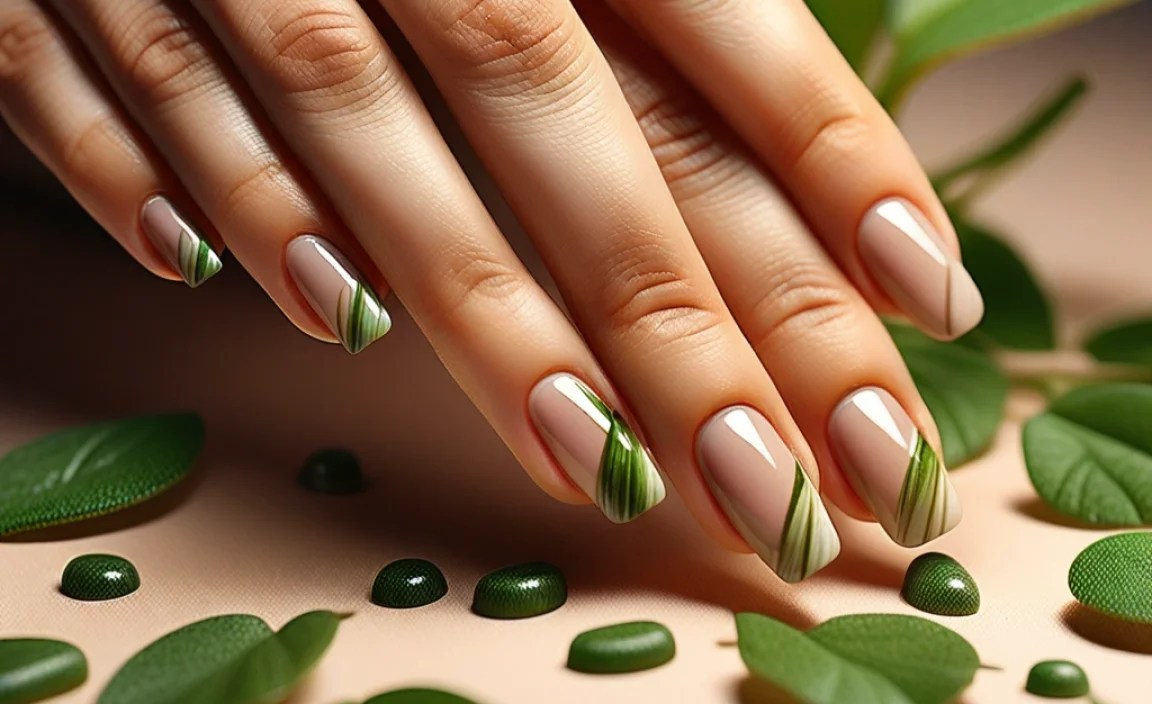
Making the switch to eco-friendly nail art is a win-win for you and the planet. It’s about choosing products and practices that minimize harm to the environment and your well-being. Think fewer harsh chemicals, less plastic waste, and support for brands that prioritize sustainability. This approach is becoming increasingly important as we learn more about the impact of everyday products on our ecosystems. Plus, many eco-friendly options are actually better for your nails, promoting strength and health.
The Harmful Side of Conventional Nail Products
Many traditional nail polish and art supplies contain ingredients that raise concerns. These can include:
- Phthalates: Often found in nail polishes to increase flexibility, but linked to health issues.
- Toluene: A solvent that helps polish dry smoothly, but can be an irritant and air pollutant.
- Formaldehyde: A known carcinogen used to harden nail polish.
- Triphenyl Phosphate (TPHP): Another plasticizer that has raised health alarms.
Beyond the ingredients, consider the packaging. Single-use plastic pots for glitters, disposable nail art tools, and excessive product packaging all contribute to landfill waste. Choosing eco-friendly alternatives helps reduce this burden.
The Benefits of Going Green for Your Nails
Embracing eco-friendly nail art offers a refreshing alternative:
- Healthier Ingredients: Many brands now offer “3-Free,” “5-Free,” “7-Free,” or even “10-Free” polishes, meaning they exclude those common harmful chemicals.
- Reduced Waste: Opting for refillable options, reusable tools, and biodegradable materials significantly cuts down on your environmental footprint.
- Nail Health: Gentler formulas can lead to stronger, less brittle nails over time.
- Conscious Consumerism: Supporting brands that are committed to ethical and sustainable practices feels good!
- Innovation: The eco-beauty space is booming with incredible, innovative products that are just as effective and beautiful.
Understanding Eco-Friendly Nail Polish

When we talk about eco-friendly nail art, the foundation is often the nail polish itself. It’s crucial to know what to look for. The “X-Free” terminology is a great starting point, but what does it really mean?
- 3-Free: Free from Formaldehyde, Toluene, and DBP (Dibutyl Phthalate).
- 5-Free: Adds Camphor and Formaldehyde Resin to the list of excluded ingredients.
- 7-Free: Often includes Xylene and Ethyl Tosylamide.
- 10-Free and Beyond: Many brands now go even further, formulating without parabens, gluten, animal by-products, and other potentially harmful substances.
Look for polishes made with plant-based or water-based formulas. These are often biodegradable and less toxic. Brands committed to sustainability will usually highlight their ingredient philosophy and packaging efforts on their websites.
Water-Based vs. Traditional Nail Polish
Water-based nail polishes are a fantastic eco-friendly option. Instead of relying on harsh chemical solvents, they use water as their primary base. This makes them:
- Low odor
- Non-flammable
- Safer for pregnant women and children
- Generally better for the environment during production and disposal
While they might require a few more coats for full opacity or a different application technique than traditional polishes, the benefits are significant. They often peel off or can be removed with rubbing alcohol, avoiding the need for harsh removers.
Natural and Vegan Nail Polish Options
Beyond being “X-Free,” many brands are focusing on natural ingredients sourced from plants, minerals, and other renewable resources. Vegan nail polishes ensure that no animal-derived ingredients are used, and they are never tested on animals (cruelty-free).
When choosing, check for certifications like Vegan Action, PETA’s Cruelty-Free and Vegan mark, or Leaping Bunny. These labels give you confidence in your purchase.
DIY Eco-Friendly Nail Art Ideas for Beginners

Ready to get creative? Here are some super simple and stunning eco-friendly nail art ideas that are perfect for beginners. We’ll focus on techniques that use minimal products and sustainable materials.
1. The Minimalist Dot or Line
This is the easiest way to add a touch of flair without much effort. It works beautifully with any eco-friendly polish shade.
What You’ll Need:
- Your favorite eco-friendly nail polish.
- A contrasting eco-friendly polish for the design.
- A fine-tipped nail art brush or a dotting tool (reusable!).
- A quick-dry, eco-conscious top coat.
How to Create It:
- Start with clean, prepped nails. Apply one or two thin coats of your base eco-friendly polish. Let it dry completely.
- Dip your fine-tipped brush or dotting tool into the contrasting polish.
- For dots: Gently place a single dot near the cuticle, in the center, or at the tip of your nail. Repeat on other nails, or create a pattern (e.g., three dots in a row).
- For lines: Draw a thin line horizontally across the nail, vertically from the cuticle, or diagonally. You can also create small dashes or a French tip effect.
- Let the design dry thoroughly.
- Apply a thin layer of your eco-friendly top coat to seal and add shine.
2. The Subtle Gradient (Ombre)
Ombre nails look intricate but are surprisingly simple to achieve, especially with water-based polishes that can be blended easily.
What You’ll Need:
- Two or three complementary eco-friendly nail polish shades.
- A makeup sponge (try reusable silicone or natural sea sponges if possible!).
- A top coat.
- Optional: Tape to protect your skin.
How to Create It:
- Apply a base coat of the lightest shade or a neutral color. Let it dry.
- On a piece of paper or foil, brush stripes of your chosen polishes next to each other.
- Quickly dab the sponge onto the stripes, picking up the colors.
- Gently dab the sponge onto your nail, blending the colors upwards or downwards. Reapply polish to the sponge and repeat until you achieve the desired opacity and blend.
- Clean up any excess polish around your nails with a brush dipped in remover.
- Once dry, apply a top coat.
3. Stamped Designs with Eco-Polish
Stamping is a fantastic way to get detailed designs without freehand drawing. Look for brands offering eco-friendly stamping polishes!
What You’ll Need:
- Your base eco-friendly polish.
- A vibrant, eco-friendly stamping polish.
- A stamping plate with desired designs.
- A stamper and scraper (these are reusable tools!).
- A top coat.
How to Create It:
- Apply your base polish and let it dry completely.
- Apply a generous amount of stamping polish over the design you want to use on your plate.
- Immediately scrape off the excess polish with the scraper held at a 45-degree angle.
- Roll the stamper quickly over the design to pick it up.
- Align the stamper over your nail and gently roll it to transfer the design.
- Once completely dry, apply your top coat.
4. Nature-Inspired Nail Art
Draw inspiration directly from the earth! Think leaves, petals, waves, or simple earthy tones.
What You’ll Need:
- Earth-toned eco-friendly polishes (greens, browns, blues, beiges).
- A fine-tipped brush.
- Optional: Small leaf charms made from sustainable materials.
How to Create It:
- Paint your nails with a base color.
- Using a dotting tool or fine brush, create simple leaf shapes by dabbing or drawing curved lines. You can fill them in or leave them as outlines.
- Another idea: Use a brush to create abstract “marble” or “wood grain” effects by swirling colors.
- For a floral touch, dab small dots that resemble flower petals.
- Seal with an eco-friendly top coat. If using charms, apply them while the top coat is wet.
Sustainable Nail Art Materials Beyond Polish

Eco-friendly nail art isn’t just about the polish; it’s also about the embellishments and tools we use. Here’s how to make your entire manicure greener:
Biodegradable Glitter and Confetti
Traditional glitter is made of tiny plastic particles that shed and end up polluting waterways. Luckily, there are now compostable and biodegradable glitters made from plant-based materials like cellulose.
- What to look for: “Bioglitter,” “compostable glitter,” or glitters explicitly stating they are plastic-free. Major makeup brands and indie retailers are increasingly stocking these.
- How to use: Apply them over wet polish or top coat, just like regular glitter. They can add incredible sparkle without the environmental guilt.
Wooden Nail Art Elements
Small, laser-cut wooden shapes like leaves, floral designs, or geometric patterns can be a unique and eco-friendly embellishment. These are often made from sustainably sourced wood.
- Application: These are typically glued onto the nail using nail glue or applied with a strong top coat while it’s still wet.
Natural Nail Transfers and Stickers
Look for nail transfer decals or stickers made from paper or biodegradable materials rather than plastic. Many designs are inspired by nature and flora.
- Application: These usually involve peeling off a backing and pressing the design onto the nail, then sealing with a top coat.
Reusable Tools
Invest in good quality, reusable nail art tools. This is one of the most effective ways to reduce waste.
- Dotting Tools: Metal or acrylic tools with different-sized balls on the end.
- Fine-Liner Brushes: For detailed lines and strokes.
- Silicone Tools: Great for picking up small gems or applying nail foils.
- Nail Art Pens: Choose refillable ones if available.
To keep them in top condition, clean your reusable tools thoroughly after each use with a gentle cleanser or rubbing alcohol.
The Importance of Eco-Conscious Nail Care & Removal
Sustainability extends to the entire nail care routine, not just the art itself. How you prepare your nails and remove polish matters.
Gentle Nail Prep
Start with clean nails free of old polish. Gently push back your cuticles rather than cutting them. Use a glass nail file, which is more durable and creates fewer micro-tears than traditional emery boards.
Eco-Friendly Nail Polish Remover
Harsh acetone removers can be drying and damaging to your nails and cuticles. Look for:
- Acetone-Free Removers: These are milder and often contain vitamins or moisturizers.
- Soy-Based Removers: Made from renewable resources, these are a great natural alternative.
- DIY Remover: While less effective for stubborn polishes, a mixture of vitamin E oil and water can sometimes work for lighter colors.
When using removers, soak a reusable cotton pad and hold it against the nail for a few seconds to allow the polish to dissolve before gently wiping.
Water-Based Polish Removal
As mentioned, water-based polishes are often removable with just warm water and soap, or by peeling them off once the water softens them. If they’re stubborn, a swipe of rubbing alcohol usually does the trick, avoiding the need for chemical removers altogether.
Finding Sustainable Nail Brands & Products
The market for eco-friendly beauty is growing rapidly. Many brands are making it easier than ever to find what you need.
Key Features to Look For:
- “X-Free” Formulations: As discussed, aim for 7-Free, 10-Free, or higher.
- Cruelty-Free & Vegan Certifications: Leaping Bunny, PETA.
- Sustainable Packaging: Recycled materials, glass bottles, minimal plastic, refillable options.
- Plant-Based or Water-Based Formulas: Mentioned for polish.
- Ethical Sourcing: Brands being transparent about their supply chains.
- Refill Programs: For polishes or other products.
Recommended Product Types:
- Water-based nail polishes
- Natural ingredient tinctures and oils
- Biodegradable glitters
- Bamboo or recycled plastic nail files
- Reusable cotton rounds or silicone makeup removers
- Glass nail files
Where to Shop:
Many mainstream beauty retailers now have dedicated sections for “clean” or “eco-friendly” beauty. Online, you’ll find a vast selection from indie brands specializing in sustainable nail care. Always check the brand’s website for their sustainability mission and certifications.
For further information on reducing chemical exposure in beauty products, the U.S. Environmental Protection Agency (EPA) provides resources on ingredients and safety.
Eco-Friendly Nail Art Trends to Try
Looking for inspiration that’s both chic and conscious? Here are some trends perfectly suited for eco-friendly approaches:
1. Soft, Earthy Palettes
Think muted tones inspired by nature: terracotta, sage green, dusty rose, creamy beige, and soft blues. These shades look sophisticated and are easily achieved with natural-hued eco-polishes.
2. Botanical Designs
Delicate floral patterns, single leaves, or abstract vine motifs are timeless. Use fine brushes with natural polishes for stunning, hand-painted looks. Biodegradable leaf confetti can also add a touch of realism.
3. Minimal Accent Nails
Instead of a full nail art design, focus on one accent nail per hand. A single dot, a thin stripe, or a tiny geometric shape can elevate your manicure without requiring many products.
4. Natural Texture Play
Experiment with matte top coats over glossy polish, or use eco-friendly textured polishes that mimic sand or stone. Sustainable wood embellishments can also add unique texture.
5. Gradient and Watercolor Effects
Achieve soft, blended looks with eco-friendly polishes and sponges. This trend is forgiving for beginners and looks effortlessly artistic.
Taking Your Eco-Friendly Nail Art Further
Once you’re comfortable with the basics, you can explore even more sustainable nail art techniques and products.
DIY Nail Art Tools from Household Items
Get creative with what you already have!
- Toothpicks: For small dots and simple line work.
- Paperclips: Unbend one end for a fine point.
- Hairpins: The rounded end can make decent dots.
- Old Makeup Brushes: Cleaned thoroughly, the fine tips can be used for painting.
Remember to clean these tools thoroughly if you plan to reuse them.
Natural Nail Art Elements
For the truly adventurous, consider incorporating tiny, pressed, and sealed natural elements. This requires specialized techniques and clear, eco-friendly sealants to ensure durability and prevent decay.
Refillable Systems and Subscription Boxes
Some brands are pioneering refillable nail polish systems, where you purchase a reusable bottle and then buy polish refills. Keep an eye out for subscription boxes that focus on clean and sustainable beauty products—they often.
