Doing reverse French tips is a stylish way to add a unique twist to your manicure. This easy technique involves painting the cuticle line and the tip of your nail, creating a beautiful crescent moon or V-shape. Perfect for beginners, this guide will walk you through creating flawless reverse French tips at home, elevating your nail game with a chic and modern look.
Hey nail lovers! Lisa Drew here, your go-to for all things nails. Have you ever looked at a manicure and thought, “Wow, that’s so chic and different!”? Chances are, you might have spotted reverse French tips. They’re a gorgeous, modern take on the classic French manicure, and the best part? They are totally achievable right in your own home, even if you’re just starting your nail art journey. Forget complicated designs; this is all about effortless style. You might feel a little intimidated, but I promise, by the end of this guide, you’ll be ready to rock these stunning nails. We’ll break down exactly what you need and every simple step to get them perfect. Ready to give your nails a super stylish upgrade?
What Are Reverse French Tips?
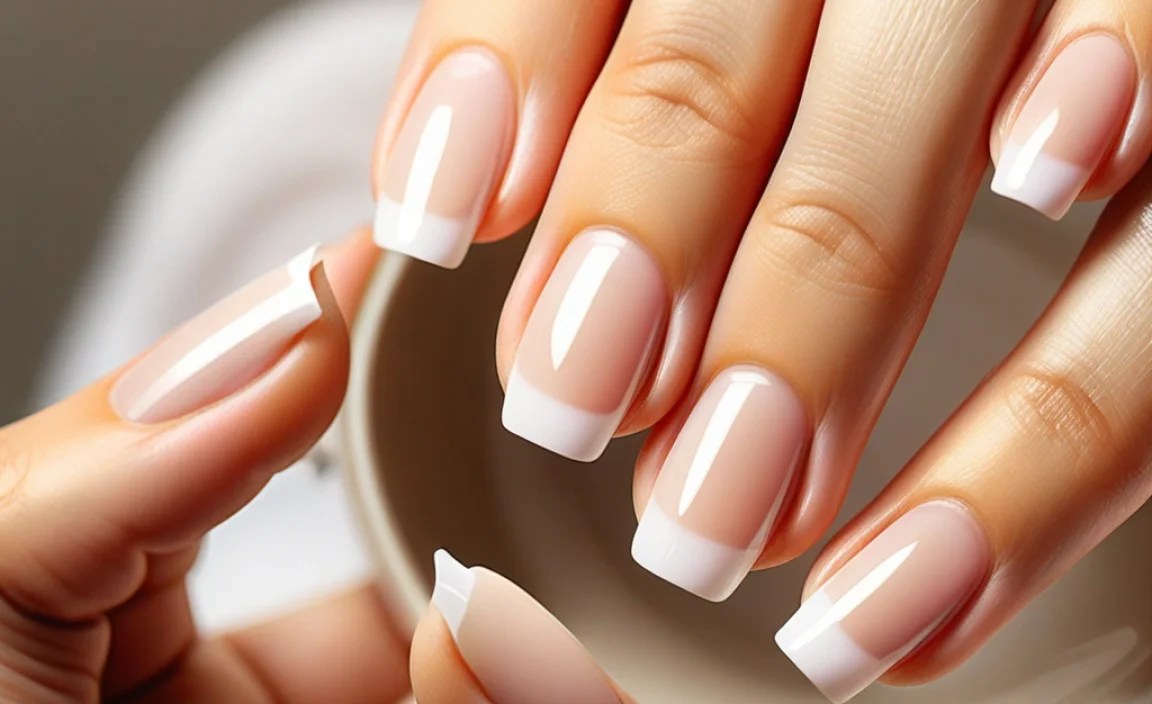
So, what exactly are those chic reverse tips we’re talking about? Think of a classic French manicure, where you have a white tip and a nude or pink base. Now, flip it! In a reverse French tip, instead of just the tip being a different color, the focus is on the cuticle area and sometimes the tip as well. It creates a beautiful “half-moon” or “V” shape right at the base of your nail, framing it in a unique way. This style can be done with contrasting colors or subtle, tone-on-tone shades for a more understated look. It’s a fantastic way to add visual interest without being overly complicated, making it a perfect choice for anyone wanting to try something a little different but still elegant.
Why You’ll Love Reverse French Tips

Reverse French tips are more than just a trend; they’re a versatile and stylish choice for so many reasons. They’re incredibly flattering on all nail shapes and lengths, adding a sophisticated polish to any look. Plus, they can be as simple or as intricate as you like. Want a quick, clean look? A nude base with a contrasting cuticle color is perfect. Feeling bolder? Try a metallic shade at the base with a deeper color on the tips. They also grow out gracefully, meaning fewer touch-ups!
- Chic and Modern: A sophisticated update to the classic French tip.
- Flattering for All: Looks great on any nail shape and length.
- Versatile Style: Can be customized with endless color combinations.
- Easy to Achieve: Surprisingly simple for beginners to master.
- Longer Wear: Can appear to grow out more seamlessly than traditional tips.
Gather Your Must-Have Tools
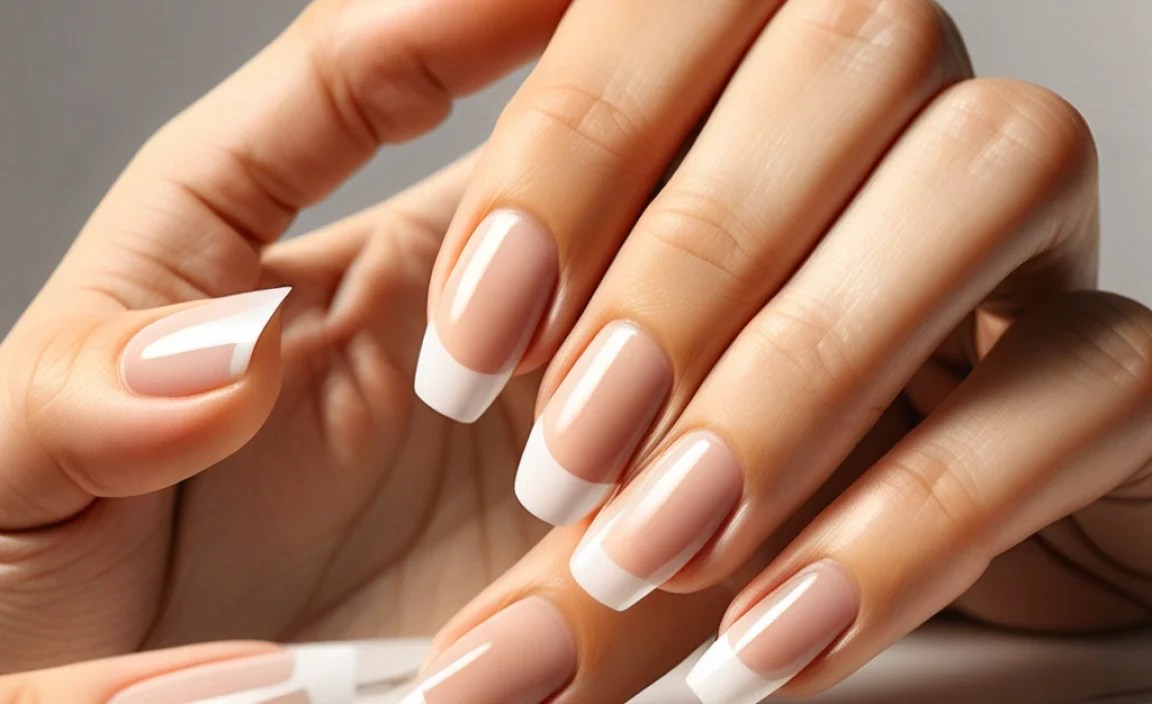
Before we dive into the step-by-step, let’s make sure you have everything you need. Having the right tools can make all the difference between a “so-so” manicure and a “wow!” manicure. Don’t worry, you probably have a lot of these already!
Essential Nail Polish & Supplies:
- Base Coat: This protects your natural nail and helps polish adhere better.
- Your Base Color Polish: This will be the main color of your nail.
- Your Accent Color Polish: This will be for the reverse tip (the “moon” or “V”).
- Top Coat: Seals your design and adds shine for longevity.
- Nail Polish Remover: For any little oopsies.
- Cotton Pads or Balls: For cleaning up mistakes.
Helpful Application Tools:
- Fine-Tipped Polish Brush or Small Detail Brush: Invaluable for clean lines and
nail art brush application. You can often find these at beauty supply stores or online. - Thin Striping Tape or Nail Stencils (Optional): These can help create super crisp lines, especially if you’re getting the hang of it.
- Dotting Tool (Optional): Can be used to create a perfectly rounded moon shape.
- Cuticle Pusher or Orangewood Stick: To clean up the edges and push back cuticles.
Step-by-Step Guide: How to Do Reverse French Tips
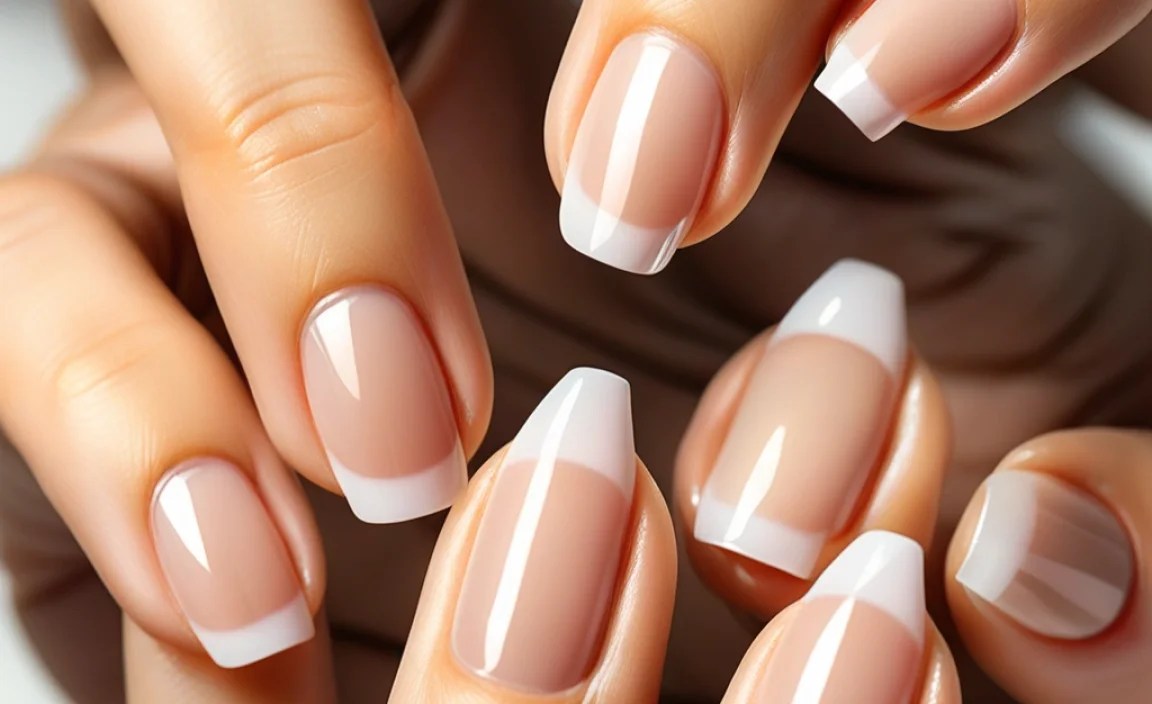
Alright, let’s get down to business! This guide is designed for beginners, so we’ll take it slow and steady. You’ll be amazed at how simple it is to achieve a professional-looking result.
Step 1: Prep Your Nails Like a Pro
Proper nail prep is the foundation of any great manicure. It ensures your polish lasts longer and looks smoother.
- Cleanse: Remove any old nail polish thoroughly. Wash your hands with soap and water and ensure they are completely dry.
- Shape: File your nails into your desired shape. Smooth any rough edges.
- Cuticle Care: Gently push back your cuticles with a cuticle pusher or orangewood stick. You can use a cuticle remover product if you have one, but don’t cut your cuticles – healthy cuticles are important!
- Buff (Optional): Lightly buff the surface of your nails to create a smooth canvas for polish. This also helps the base coat adhere better.
- Cleanse Again: Wipe each nail with nail polish remover or rubbing alcohol to remove any oils or dust. Oils can prevent polish from sticking.
Step 2: Apply Your Base Coat
This is a crucial step! A good base coat prevents staining and helps your polish adhere beautifully.
- Apply one thin layer of your chosen base coat.
- Let it dry completely – this usually takes 30-60 seconds.
Step 3: Apply Your Base Color
This color will cover most of your nail. Apply it thinly and evenly.
- Apply the first thin coat of your main nail polish color.
- Let it dry for at least 1-2 minutes. Rushing this step can cause smudging later!
- Apply a second thin coat for full opacity and let it dry completely. Two thin coats are always better than one thick coat.
Step 4: Create the Reverse French Tip Design
This is where the magic happens! You have a few options for creating the “reverse” effect.
Method 1: Freehand with a Detail Brush (Recommended for Beginners)
- Dip your fine-tipped polish brush (or the brush from your accent color bottle if it has a thin applicator) into your accent color. Wipe off any excess polish on the opening of the bottle.
- Start at one side of your cuticle line. Gently draw a curved line following the natural curve of your cuticle, moving towards the center of your nail.
- Repeat on the other side, connecting your lines to create a smooth “half-moon” shape at the base.
- If you want a tip color as well, you can outline the moon and then fill the very tip of your nail with the accent color, or simply leave the tip as the base color. Some looks combine a colored moon with a nude tip, or vice versa. Get creative!
- Tip: If you get any wobbly lines, don’t worry! You can use a small brush dipped in nail polish remover to clean them up.
Method 2: Using Thin Striping Tape
- Once your base color is completely dry, carefully apply a piece of thin striping tape across your nail. You can place it where you want the division line between your base color and your accent color to be. For reverse tips, this is usually closer to the cuticle.
- Paint your accent color over the tape and the portion of the nail you want to cover with the accent color.
- Crucial step: While the accent color is still wet, carefully peel off the striping tape. Peeling it while wet prevents chipping and creates a super clean line.
- Let this layer dry completely.
Method 3: Using a Dotting Tool for a Rounded Moon
- Load your dotting tool with your accent color.
- Start at one edge of your cuticle line and press down to make a dot.
- Continue making dots, slightly overlapping each one, to form a curved “moon” shape along the cuticle.
- Once you have your moon shape, you can use a fine-tipped brush to connect the dots or fill in any small gaps for a smoother finish.
- Let dry completely.
Step 5: Refine and Clean Up
No manicure is finished without a tidying up! This step makes a huge difference.
- Dip your fine-tipped brush or orangewood stick into nail polish remover.
- Carefully trace around your cuticle and sidewalls to remove any stray polish. This creates a super crisp, professional-looking edge.
Step 6: Apply Your Top Coat
The grand finale! Your top coat locks everything in place and adds that beautiful shine.
- Apply one generous, but not too thick, layer of your top coat. Make sure to cap the free edge of your nail by running the brush along the tip. This helps prevent chipping.
- Let your top coat dry completely. This can take 5-10 minutes for the surface to be touch-dry, but give it a good hour before doing anything strenuous with your hands.
Choosing Your Color Combinations
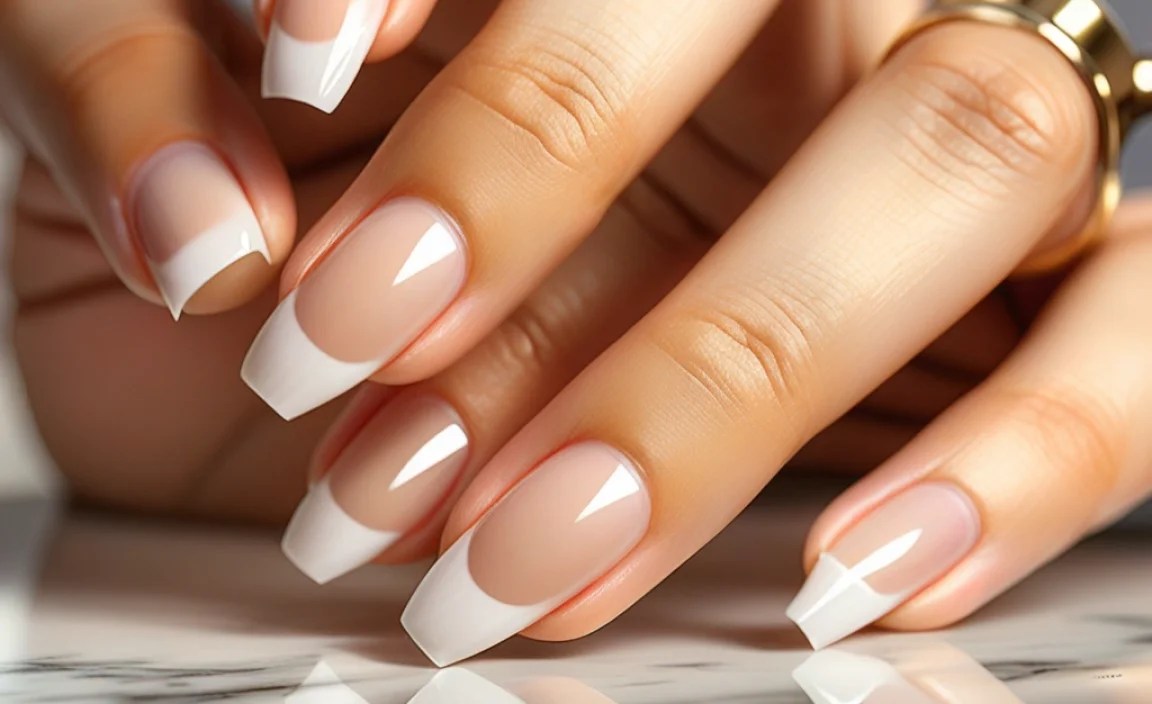
The beauty of reverse French tips lies in their versatility. You can play around with colors to suit your mood, the season, or your outfit. Here are some ideas:
| Look Type | Base Color | Accent Color (Cuticle/Tip) | Vibe |
|---|---|---|---|
| Classic Chic | Sheer Nude or Milky Pink | White or Cream | Timeless, elegant, perfect for any occasion. |
| Modern & Bold | Black or Deep Navy | Silver or Gold Metallic | Edgy, sophisticated, statement-making. |
| Pastel Dream | Light Lavender or Baby Blue | Soft Peach or Mint Green | Sweet, dreamy, ideal for spring/summer. |
| Monochromatic Subtle | Light Gray | Medium Gray | Understated, chic, professional. |
| Glamorous Sparkle | Deep Berry or Burgundy | Glitter Polish (Silver, Gold, or Holographic) | Festive, luxurious, perfect for events. |
| Bright & Fun | White | Vibrant Pink or Electric Blue | Playful, eye-catching, summery. |
Tips for Achieving Flawless Reverse French Tips
Even with the best instructions, a few extra tips can elevate your reverse French tips from good to absolutely stunning. These small adjustments make a big difference!
- Patience is Key: Don’t rush the drying times between coats. This is where most beginner mistakes happen.
- Thin Coats are Best: Thick coats of polish are prone to smudging and bubbling. Aim for thin, even layers.
- Work Clean: Keep a steady hand. If you make a mistake, it’s easily corrected with a brush dipped in remover.
- Practice Makes Perfect: Your first attempt might not be flawless, and that’s okay! The more you practice, the better your lines and application will become.
- Consider Nail Shapes: While reverse French tips look great on most shapes, they can visually lengthen shorter nails and complement almond or coffin shapes beautifully. You can adapt the “moon” shape to fit your nail’s natural contour.
- Invest in Quality Polish: Good quality polishes, especially the accent color and top coat, can make application smoother and more durable.
- Use Good Lighting: Make sure you have bright, even lighting when you’re doing your nails. This helps you see precisely where you’re applying polish.
Common Beginner Mistakes (And How to Fix Them!)
Let’s be real, learning new nail art can have its challenges. Here are a few common hurdles beginners face with reverse French tips and how to overcome them:
Wobbly or Uneven Lines
The Fix: This is where that detail brush and nail polish remover become your best friends! If a line isn’t perfect, don’t panic. Dip your brush in remover, wipe off the excess, and gently “erase” the imperfection. Then, carefully redraw the line. You can also use striping tape for perfectly straight or curved lines if freehanding is too tricky for now.
Smudged Polish
The Fix: The most common cause of smudging is not letting layers dry sufficiently. If you’ve smudged a freshly painted section, try to gently smooth it over with your brush if it’s still wet. If it’s partially dry, it’s best to gently scrape off the smudged part with a clean brush and try to reapply a thin layer, or re-do the nail if necessary. Always allow ample drying time!
Polish Too Thick
The Fix: Thick polish leads to smudging, bubbling, and a generally unprofessional look. Always apply polish in thin, even coats. If your polish is too thick in the bottle, it might be time to replace it or use a nail polish thinner (available from some beauty suppliers). Avoid pumping the brush in the bottle, which introduces air and thickens the polish.
Uneven Color Coverage
The Fix: This usually means another thin coat is needed. Once the first coat is dry, apply a second thin coat of your base color or accent color. Make sure to get even coverage across the entire nail.
Applying the Top Coat Too Soon
The Fix: This can cause the design underneath to lift or smudge. Ensure all layers of color are completely dry to the touch and even slightly firm before applying your top coat. Patience here ensures a smooth, finished look.
Frequently Asked Questions (FAQ)
Q1: Can I do reverse French tips on short nails?
A: Absolutely! Reverse French tips are very flattering on short nails. They can create the illusion of longer nails and add a polished look without overwhelming the nail shape. Just ensure your “moon” or “V” shape is proportionate to the nail length.
Q2: What’s the difference between a reverse French and a V-tip?
A: A reverse French tip typically creates a rounded “half-moon” shape at the cuticle. A V-tip, while also a form of reverse French, aims to create a more pointed “V” shape at the cuticle or sometimes at the free edge. Both are stylistic variations, with the reverse French focusing on the cuticle area.
Q3: Do I need special tools to do reverse French tips at home?
A: Not necessarily! While tools like a fine detail brush or striping tape can help create cleaner lines, you can achieve great results with just your polish bottles, a steady hand, and a clean-up brush or an orangewood stick dipped in nail polish remover for precision.
Q4: How long do reverse French tips usually last?
A: With proper application, including a good base and top coat, and letting each layer dry thoroughly, reverse French tips can last anywhere from 5-7 days, sometimes longer! The way they grow out can sometimes make them appear to last longer than traditional French tips.
Q5: Can I use regular nail polish or do I need gel?
A: You can absolutely use regular nail polish! The techniques described in this guide are for standard lacquer. If you prefer gel polish, the steps are very similar, but you’ll need a UV/LED lamp to cure each layer, and the removal process is different.
Q6: My accent color is very sheer. What can I do?
A: If your accent color polish is sheer, you’ll likely need multiple thin coats to achieve good opacity. Apply 2-3 thin coats, allowing each to dry before applying the next. For a quick fix, you could also try applying a solid white or nude polish first where you want the accent color, let it dry, and then apply your sheer accent color over it. This should make the sheer color pop more.
Conclusion
There you have it – your complete guide to mastering reverse French tips! We’ve covered everything from understanding what they are and why they’re a fantastic choice, to gathering your tools, and navigating each step with confidence.
