Get stunning, salon-worthy ombre and gradient nail designs right at home using a simple sponge! This beginner-friendly guide shows you genius tips and tricks for a flawless finish every time, proving you don’t need fancy tools for gorgeous DIY nail art.
Dreaming of those beautiful French ombré nails or unique color melts you see on social media? You know, the ones with smooth color transitions that look totally pro? It can feel a bit daunting to try them yourself, especially if you’re new to nail art. You might think you need special brushes or advanced techniques. But guess what? You can achieve amazing results with a common household item: a simple makeup sponge! Seriously, this everyday tool is a nail art secret weapon. We’re going to walk through easy steps to create gorgeous DIY nail designs with a sponge and polish, making your nails look fantastic without the salon price tag.
Unlock Your Inner Nail Artist: The Magic of Sponge Manicures

Nail art doesn’t have to be complicated. In fact, some of the most impressive and trending looks are surprisingly easy to do yourself. One of the most popular and beginner-friendly techniques involves using a sponge. Why a sponge? Because it’s perfect for blending colors, creating gradients, and achieving those coveted ombre effects that look so chic. Forget struggling with tiny brushes or expensive tools – your kitchen drawer or makeup bag likely holds the key to your next stunning manicure.
This guide is all about making DIY nail design with sponge and polish accessible and fun for everyone. We’ll cover everything from choosing the right sponge and polishes to mastering the technique for a seamless finish. Get ready to impress yourself and everyone else with your creative new nail skills!
What You’ll Need: Your Sponge Nail Art Toolkit

Before we dive into the fun part, let’s gather our supplies. You don’t need much, which is one of the best things about this technique. Having the right items on hand makes the process smooth and enjoyable. Here’s what you’ll want to gather:
- Base Coat: Essential for protecting your nails and helping your polish adhere better.
- Two or more Nail Polishes: Lighter shades work best for ombre, but feel free to experiment!
- Top Coat: To seal your design and add a glossy finish.
- Small Makeup Sponge or Kitchen Sponge: A clean, dense makeup sponge (like a beauty blender) is ideal. You can also cut up a regular kitchen sponge, but make sure it’s clean and hasn’t been used with harsh chemicals.
- Clear Tape or Petroleum Jelly: To protect your skin around the nails from getting messy.
- Nail Polish Remover: For cleaning up any stray polish.
- Cotton Swabs or a Small Brush: For precise cleanup.
- Optional: Foil or a Small Plate: To put your polish colors on.
Choosing the Right Sponge: Texture Matters!
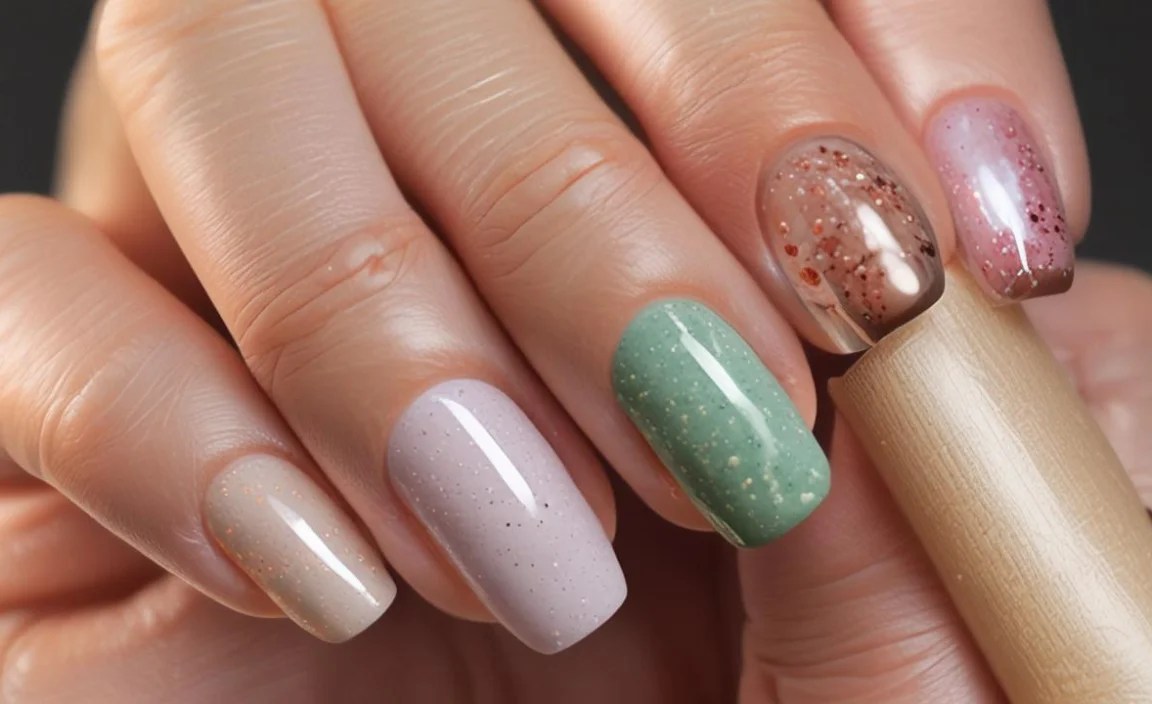
The type of sponge you use can make a difference in the final look. Here’s a quick breakdown:
| Sponge Type | Pros | Cons | Best For |
|---|---|---|---|
| Dense Makeup Sponge (e.g., Beauty Blender) | Creates a very smooth, blended gradient. Easy to control. | Can absorb more product. Might need more color application. | Perfect for seamless ombre and French ombré looks. |
| Lighter, More Porous Makeup Sponge | Can give a more textured, diffused effect. Uses less polish. | Might be harder to get a super smooth blend. | Great for softer, less defined color transitions. |
| Clean Kitchen Sponge (cut into pieces) | Very accessible and inexpensive. Can create unique textures. | Texture can be uneven. May absorb a lot of polish. Needs thorough cleaning if not new. | Good for bold color blocking or experimental textures. |
For beginners aiming for that classic smooth gradient, a dense makeup sponge is your best bet. If you’re just experimenting and want to see what happens, a clean piece of kitchen sponge cut into a small, manageable size will work too!
Step-by-Step: Your First DIY Sponge Nail Design
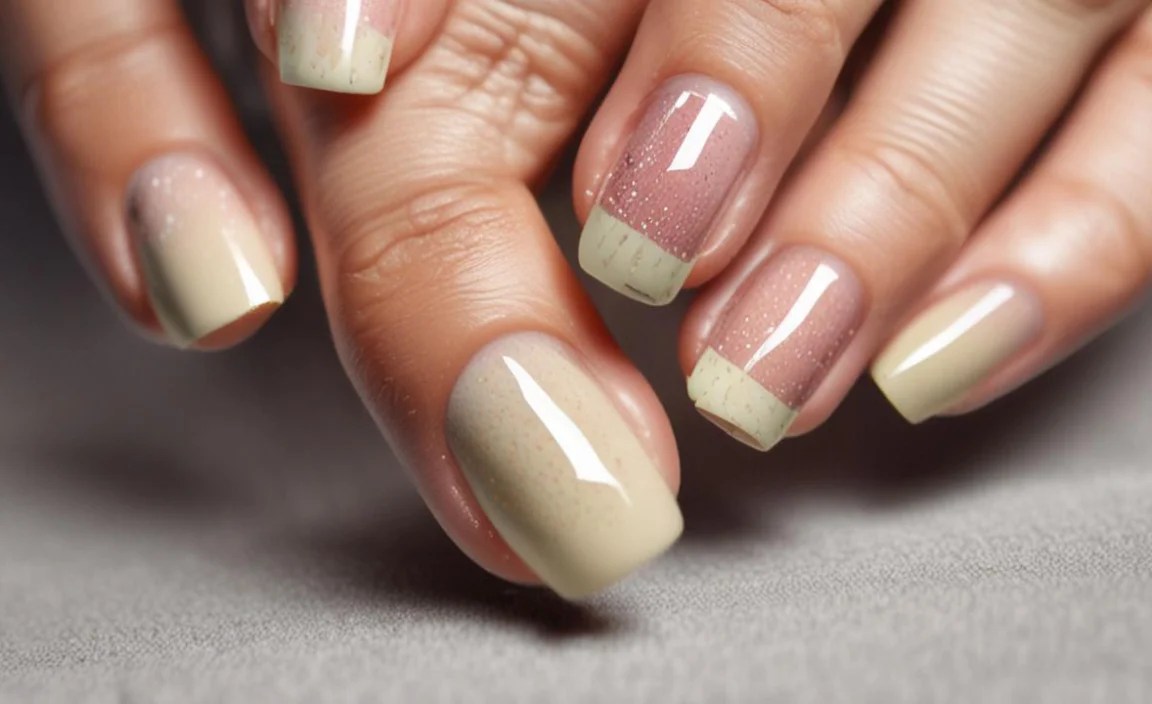
Ready to get your hands (and nails) a little colorful? Let’s create a beautiful gradient effect. This is a fantastic way to start with DIY nail design with sponge and polish.
Step 1: Prep Your Nails
Start with clean, dry nails. Push back your cuticles gently and file your nails into your desired shape. Apply a thin layer of your favorite base coat. Let it dry completely. This step is crucial for a long-lasting manicure.
Step 2: Protect Your Skin
This is where the tape or petroleum jelly comes in! Apply a strip of tape around your nail, just on the skin, leaving your nail bed exposed. Alternatively, apply a generous layer of petroleum jelly (like Vaseline) to the skin around your nail. This will save you a lot of cleanup time later!
Step 3: Prepare Your Color Palette on the Sponge
This is the fun part! Take your sponge and cut a small piece if necessary – you want it to be slightly larger than your nail. Place two or more polish colors side-by-side directly onto the sponge. You can apply them in stripes, dots, or any pattern you like. For a classic ombre, place your lighter shade next to your darker shade. A small plate or a piece of foil works perfectly for holding your polish before transferring it to the sponge.
Pro Tip: “Wake up” your sponge slightly by pressing it onto a paper towel a few times before adding polish. This helps prevent it from absorbing too much of the color and makes blending easier.
Step 4: Sponge On the Color!
Gently dab the sponge onto your nail. Don’t press too hard; a light, tapping motion is best. You want to transfer the blended colors from the sponge to your nail. The sponge’s texture will help create a soft gradient. You might need to reapply polish to the sponge and dab your nail a few times to build up the color intensity and achieve the blend you desire. For a more seamless blend, consider dabbing the colors onto the sponge, then dabbing it onto your nail, re-applying color to the sponge as needed, and repeating until you’re happy with the result.
Step 5: Repeat for Other Nails
Clean off the sponge a bit (you can use another color or just dab it on a paper towel) and repeat steps 3 and 4 for your other nails. If you’re doing different color combinations, use a fresh section of the sponge or a new piece.
Step 6: The Crucial Cleanup
Once all your nails have their gradient design, it’s time for cleanup. If you used tape, carefully peel it off while the polish is still slightly wet. If you used petroleum jelly or have any stray polish on your skin, dip a cotton swab or a small brush into nail polish remover and carefully clean up the edges. Be precise! This makes a huge difference in how professional your nails look. You can find great tips on nail cleanup from resources like the National Library of Medicine on cosmetic procedures, though they don’t focus on specific nail techniques.
Step 7: Seal the Deal with Top Coat
Once everything is clean, apply a generous layer of top coat over your design. This seals in the colors, smooths out any slight texture from the sponge application, and adds shine. Let it dry completely.
Genius Tips for Next-Level Sponge Nail Designs
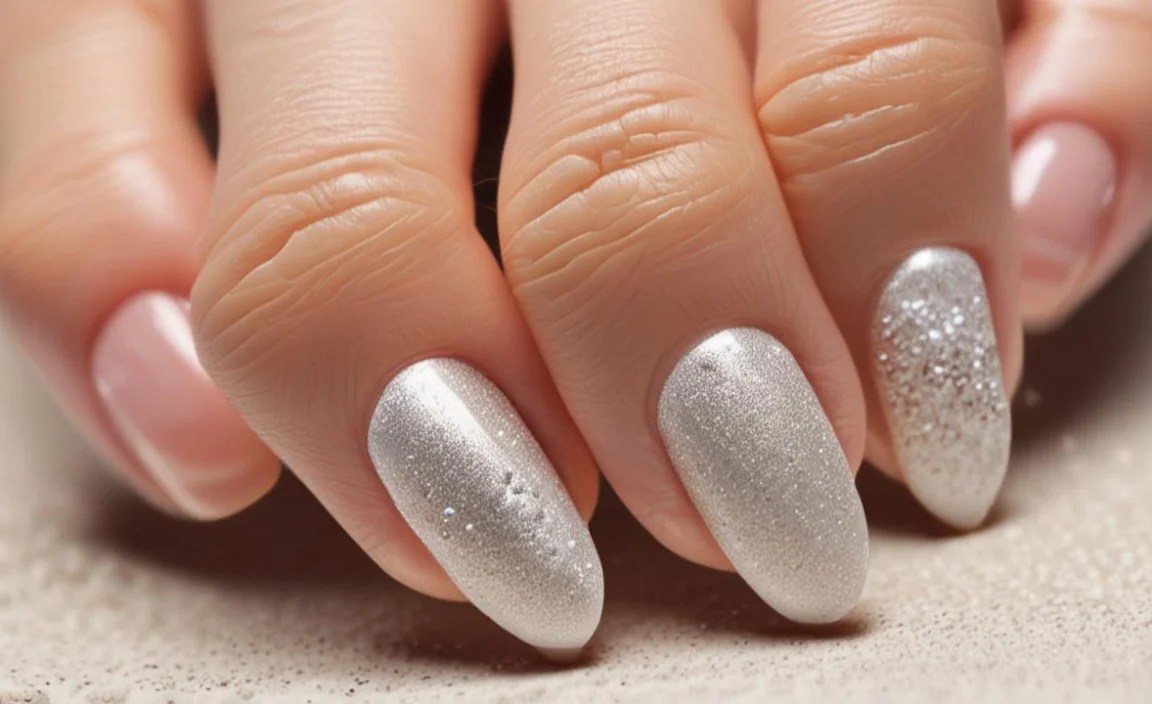
Now that you know the basics, let’s elevate your sponge game! These tips will help you create even more stunning and professional-looking designs.
- The Reverse Gradient: Instead of dabbing the polish onto your nail, try dabbing the colors onto the sponge and then pressing the sponge onto a piece of tape or plastic wrap. This creates a negative space design you can then press onto your nail.
- Subtle French Ombré: For a delicate French ombré, use nude or sheer pink polishes. Apply your nude base, then on the sponge, place a thin line of white polish at the tip and blend it down slightly with a similar nude or pink shade. Tap gently onto the free edge of your nail.
- Multi-Color Magic: Don’t stop at two colors! You can blend three, four, or even more colors on the sponge for a vibrant, bohemian look. Just ensure you apply them in the order you want them to blend.
- Glitter Gradient: Apply your base colors with the sponge as usual. Then, use a glitter polish and apply it with a separate, clean sponge section (or a clean sponge) going from the tip of the nail downwards, blending it into the color.
- Sharp Lines with Tape: For a more defined color-blocking effect rather than a gradient, apply polish with the sponge, let it dry completely, then use nail art tape to create sections and sponge on a new color over the tape. Peel off the tape for a crisp line.
- Pro Tip: Sponge Dampness: A slightly damp sponge can sometimes result in a smoother blend, but a dry sponge is generally easier to control for beginners. Experiment to see what works best for you!
- Don’t Over-Saturate: Applying too much polish to the sponge at once can lead to messy edges and muddy colors. It’s better to apply color in thin layers, reapplying to the sponge as much as needed.
Ombré vs. Gradient: What’s the Difference?
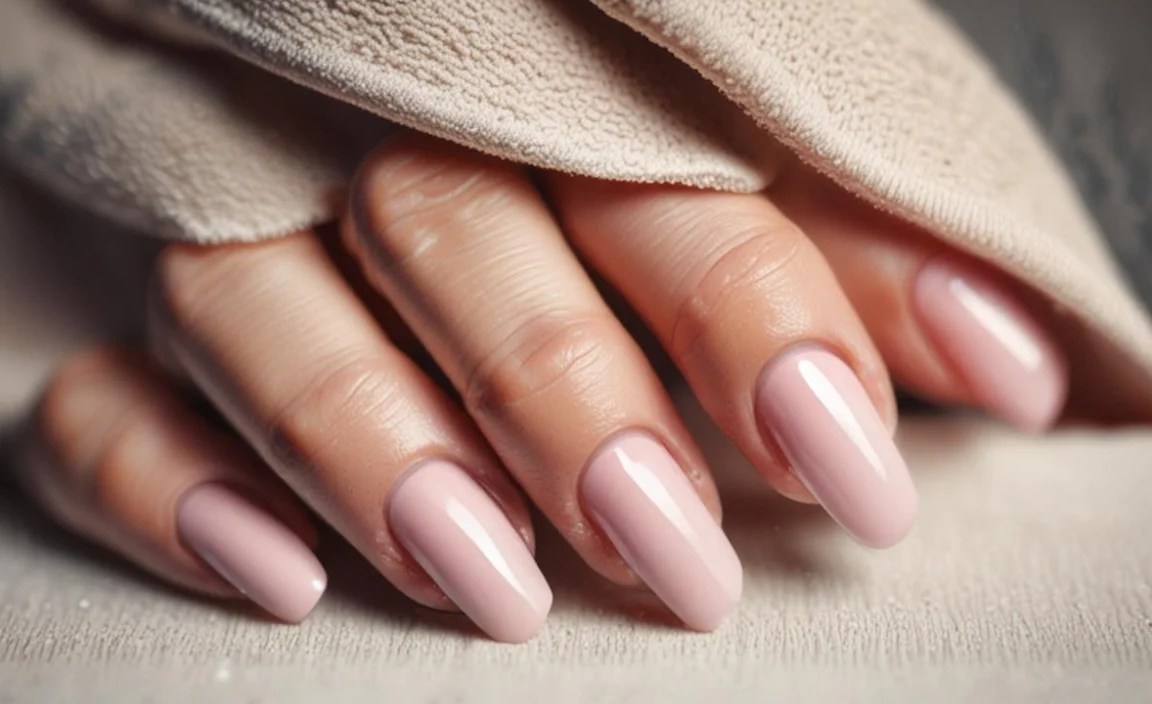
You’ll often hear the terms “ombre” and “gradient” used interchangeably in nail art, and for good reason! They describe very similar effects:
- Ombré: This French term literally means “to shade” or “to tint.” It typically refers to a style where one color gradually fades into another, or into transparency. Think of the classic French ombré manicure, where the nail tip fades into a sheer nude. This is often what people picture when they think of a smooth color transition.
- Gradient: This is a more general term that describes a smooth transition between two or more colors. It’s a broader category that includes ombré effects. A gradient can be horizontal, vertical, or even diagonal, and can involve multiple colors blending into each other.
When using a sponge, it’s excellent at creating both ombré (like a soft pink-to-white fade) and multi-color gradients (like a sunset effect with orange, pink, and yellow). The sponge technique is your versatile tool for achieving these beautiful blended looks.
Maintaining Your Sponge for Future Designs
Your trusty sponge can be used again and again! To keep it in good condition:
- Clean Immediately: After each use, gently rinse the sponge under lukewarm water.
- Mild Soap: If necessary, use a tiny amount of mild soap (like dish soap or gentle face wash) to lather and clean the sponge.
- Rinse Thoroughly: Make sure all soap residue is removed.
- Squeeze, Don’t Wring: Gently squeeze out excess water. Avoid wringing or twisting, which can damage the sponge’s structure.
- Air Dry: Let the sponge air dry completely. You can store it in a small, breathable container or bag.
A well-cared-for sponge will maintain its texture and ensure great results for your future DIY nail design with sponge and polish adventures.
Troubleshooting Common Sponge Nail Design Issues
Even with the best tips, you might run into a snag. Here are some common problems and how to fix them:
| Problem | Possible Cause | Solution |
|---|---|---|
| Colors look muddy or washed out | Too much blending, sponge used too vigorously, or not enough polish application. | Apply polish to the sponge in distinct sections. Use a lighter tapping motion. Apply polish to the sponge more frequently. Ensure your base colors are opaque enough. |
| Harsh lines between colors | Colors not blended enough on the sponge or not enough dabbing on the nail. | Apply colors closer together on the sponge. Dab the sponge onto the nail multiple times, overlapping slightly. Consider using a slightly softer sponge. |
| Sponge absorbing too much polish | Sponge is too porous or too dry. | “Wake up” the sponge by pressing it on paper to even its texture. Try a different type of sponge (denser makeup sponges are great). “Seal” the sponge porosity by applying a very thin layer of clear polish to the sponge and letting it dry before use – this is an advanced trick! Test this on a spare piece of sponge first. |
| Messy cleanup | Didn’t use enough protection around the nail or waited too long to clean. | Apply tape/petroleum jelly generously. Clean up immediately after the last polish application or before the top coat, while the polish is still a bit malleable. |
| Texture is too rough | Sponge is too coarse, or the polish application was too thick. | Use a finer-celled sponge. Apply polish in thin layers with the sponge. A good thick top coat can help smooth out minor texture. |
Frequently Asked Questions About Sponge Nail Art
Q1: Can I use regular nail polish with a sponge?
Absolutely! This technique works wonderfully with most types of nail polish, from creme to shimmery finishes. It’s best to use polishes that are not too thick or too thin for the smoothest application.
Q2: How do I get the colors to blend nicely on the sponge?
Apply your colors side-by-side on the sponge, almost touching. Then, gently tap the sponge with a clean finger or another sponge piece between the colors to help them meld slightly before dabbing onto your nail. The key is gentle blending on the sponge itself.
Q3: My nails look a bit textured after using the sponge. What can I do?
This is common! A good, thick layer of top coat is your best friend here. It will smooth out minor imperfections and add a beautiful shiny finish. If the texture is very rough, you might need to try a different sponge or apply thinner layers of polish.
Q4: How many times can I reuse a sponge?
You can reuse your sponge several times! Follow the cleaning tips provided earlier. Depending on its quality and how well you clean it, it can last for many manicures. Just ensure it’s fully dry before storing it to prevent mildew.
Q5: Can I use this sponge technique for nail art other than gradients?
Yes! You can use a sponge to create speckled effects, tie-dye patterns, and even abstract designs by dabbing and swirling. It’s a versatile tool for creative nail art.
Q6: Is it better to use a dry or slightly damp sponge?
For most beginners, a dry sponge is easier to control and absorbs polish slightly less. Some experienced artists find a slightly damp sponge helps create an even softer, more diffused blend. Experiment to see what you prefer!
Embrace Your Creativity!
There you have it! You’ve learned how to create stunning DIY nail designs with sponge and polish. From the essential tools to genius tips and troubleshooting advice, you’re now equipped to tackle beautiful gradients and ombré effects right at home. Remember, the beauty of DIY nail art is in the process and the personal touch you add. Don’t be afraid to experiment with colors, try different sponge textures, and play around with the techniques. Your nails are a canvas for self-expression, and this sponge method is a fun, easy, and budget-friendly way to get creative.
So go ahead, grab that sponge, pick out your favorite polishes, and give it a try! You might just surprise yourself with what you can achieve. Happy sponging!
