Learn how to create stunning DIY nail art using a sponge brush for effortless ombre, gradients, and unique textured looks. This guide provides essential tips and tricks for beginners to achieve salon-worthy manicures at home with this versatile tool.
Hello, nail art lovers! Ever admired those gorgeous ombre nails or custom color blends and thought, “I could never do that myself”? I get it! Sometimes, intricate nail art can feel a bit daunting, especially when you’re just starting out. We see those beautiful transitions of color and marvel at the skill involved. But what if I told you there’s a super simple, budget-friendly tool that can help you achieve those amazing effects? Yep, we’re talking about the humble sponge brush! It’s your secret weapon for creating stunning DIY nail art without the fuss. Get ready to transform your nails into mini masterpieces. We’ll walk through everything you need to know, step-by-step!
Why is a Sponge Brush Your New Best Friend for Nail Art?

Nail art doesn’t always require a steady hand and a tiny brush. For beginners, finding tools that simplify the process is key to building confidence and having fun. The sponge brush is a game-changer because it’s incredibly forgiving and versatile. It allows you to blend colors seamlessly and create textured effects that would be nearly impossible with traditional tools. This means you can achieve professional-looking results without hours of practice. It’s perfect for busy bees who want to experiment with trendy designs without a big commitment.
Essential Supplies for Your Sponge Brush Nail Art Adventure
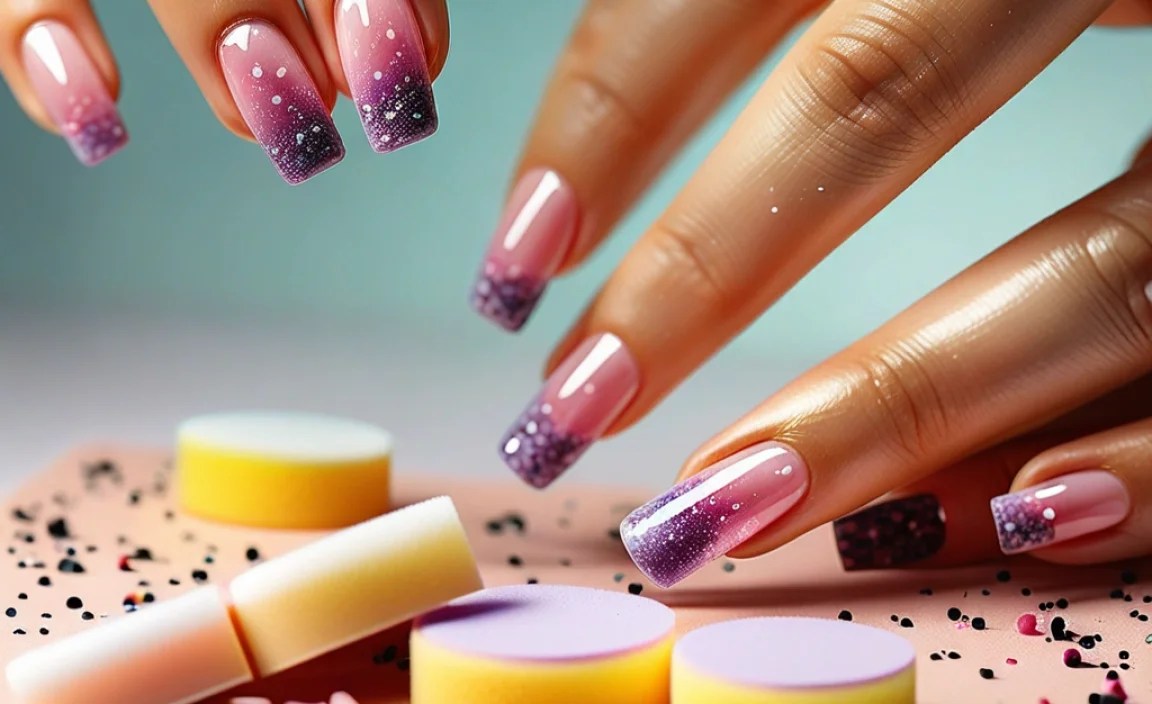
Before we dive into the fun stuff, let’s gather our supplies! Having everything ready will make your DIY nail art experience smooth and enjoyable. Think of this as your starter kit for sponge brush brilliance.
- Nail Polish: Choose a few colors that complement each other for ombre or gradient effects. Lighter colors tend to show blending better for beginners.
- Base Coat: Protects your natural nails and helps polish adhere better.
- Top Coat: Seals your design and adds a glossy finish for durability.
- Sponge Brush: You can find these specifically designed for nail art, or use a cosmetic wedge sponge cut into a small, nail-sized piece.
- Paper or Palette: To dab your nail polish onto before you pick it up with the sponge.
- Cleanup Tools: Cotton swabs, a small brush, or an orange wood stick dipped in nail polish remover to clean up any mistakes around the cuticle area.
- Optional: Glitter Polish: To add extra sparkle over your blended design.
- Optional: Dotting Tool: For adding small accents (though not strictly necessary for sponge techniques!).
Getting Started: Prepping Your Nails for Sponge Art
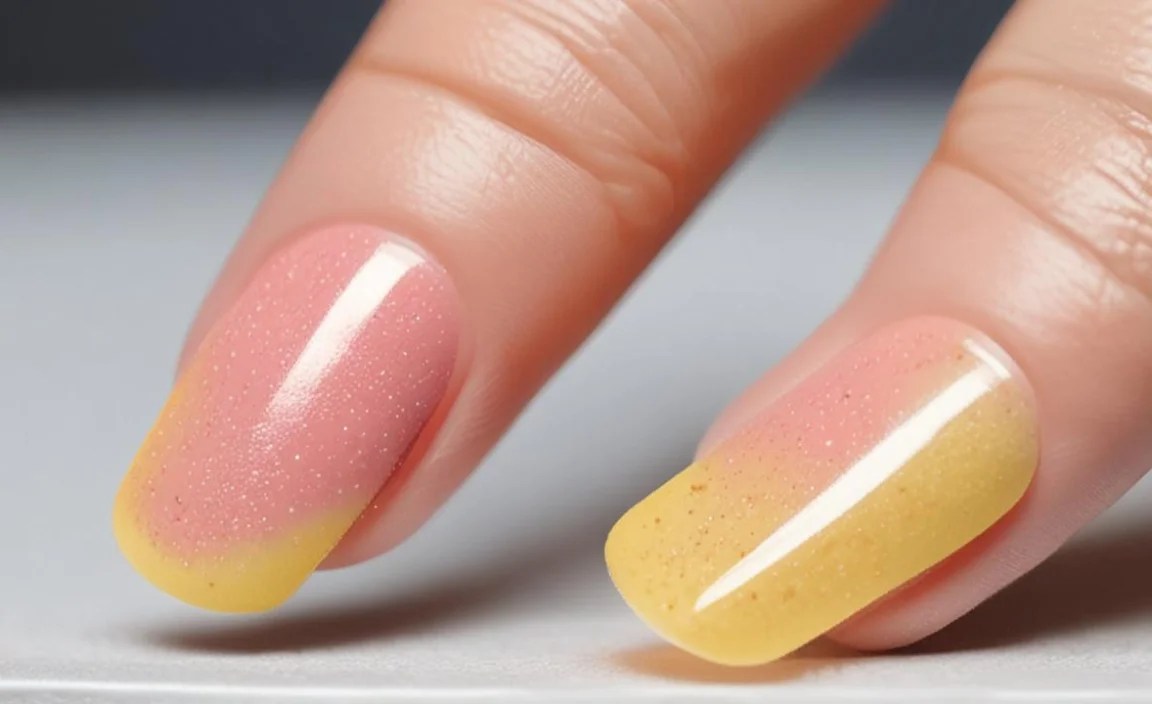
Just like any great painting, a good base is crucial! Proper nail prep ensures your DIY nail art lasts longer and looks its best. It’s a simple step that makes a huge difference.
- Clean Your Nails: Remove any old polish and wash your hands to ensure a clean canvas.
- Shape Your Nails: File your nails to your desired shape.
- Push Back Cuticles: Gently push back your cuticles. This gives you more surface area for your design and prevents polish from going onto the skin.
- Buff Your Nails: Lightly buff the surface of your nails to remove any natural oils. This helps the polish and base coat adhere better.
- Apply Base Coat: Apply a thin, even layer of your favorite base coat. Let it dry completely. This step is super important to prevent staining and create a smooth surface.
Mastering the Ombre Effect with a Sponge Brush
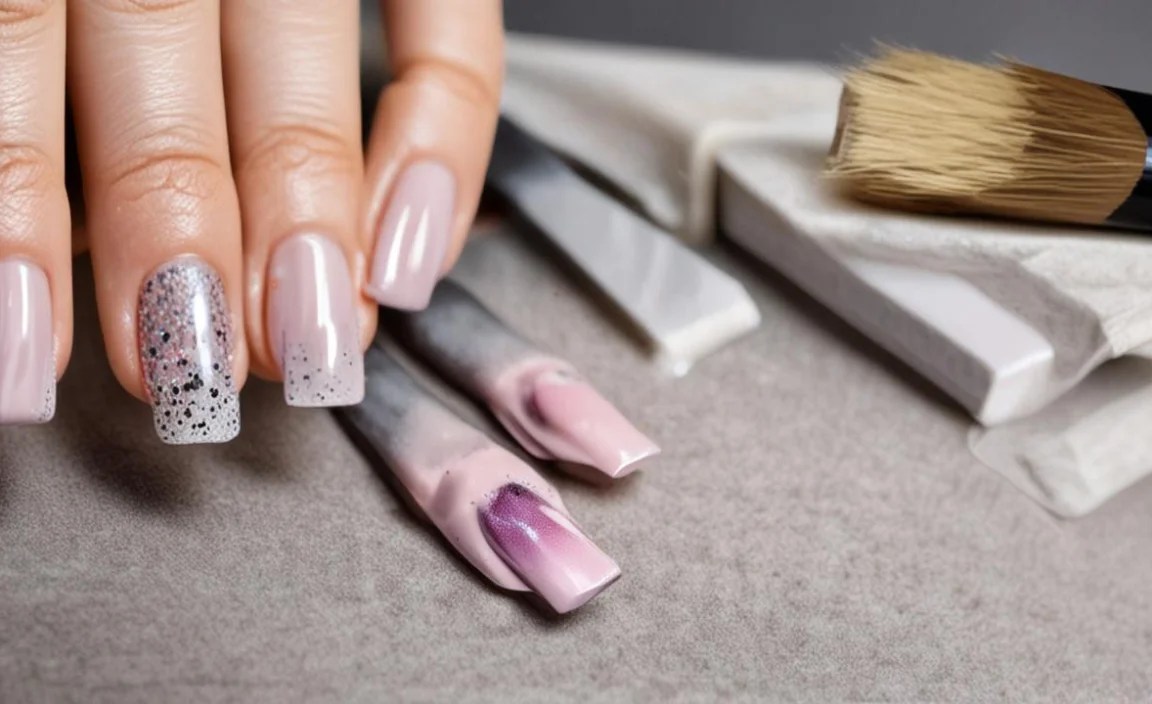
The ombre effect, where colors blend seamlessly from one shade to another, is a classic for a reason. And guess what? The sponge brush makes it surprisingly easy to achieve!
Step-by-Step Ombre Nails
- Prepare Your Sponge: Take your sponge brush and cut a small piece, about the size of your fingertip. You can also use a cosmetic wedge. Dampen it slightly with water (this helps the polish blend better without absorbing too much). Blot it on a paper towel to remove excess water.
- Apply Polish to Palette: On a piece of paper or a clean palette, create stripes of the nail polishes you want to blend. For a classic two-color ombre, lay down two adjacent stripes of your chosen colors.
- Pick Up Polish with Sponge: Gently dab the edge of your sponge brush into the two stripes of polish. You want to pick up both colors on the sponge.
- Dab onto Nail: Lightly and quickly dab the sponge brush onto your nail, starting from the cuticle area and moving towards the tip. Reapply polish to the sponge as needed and continue dabbing to build up the color and blend the transition. Don’t press too hard; just gentle dabbing is key!
- Repeat for Intensity: For a more vibrant blend, you might need to reapply polish to the sponge and repeat the dabbing process a few times.
- Let it Dry: Allow the blended polish to dry for a minute or two.
- Add a Second Coat (Optional): If the color isn’t as opaque as you’d like, you can repeat steps 2-5 with a second layer of polish.
- Apply Top Coat: Once completely dry, apply a generous layer of clear top coat. This smooths out any texture from the sponge and seals your beautiful ombre design.
Tips for Perfect Ombre:
- Color Choice: For your first try, choose colors that are close in shade or in the same family (e.g., different shades of pink).
- Sponge Freshness: Use a clean section of the sponge for each nail or for each color application to keep your colors clean.
- Speed is Key: Work relatively quickly once the polish is on the sponge, so it doesn’t start drying out.
- Gentle Touch: Avoid smearing or dragging the polish. Light dabbing motions are best for blending.
Creating a Stunning Gradient Effect
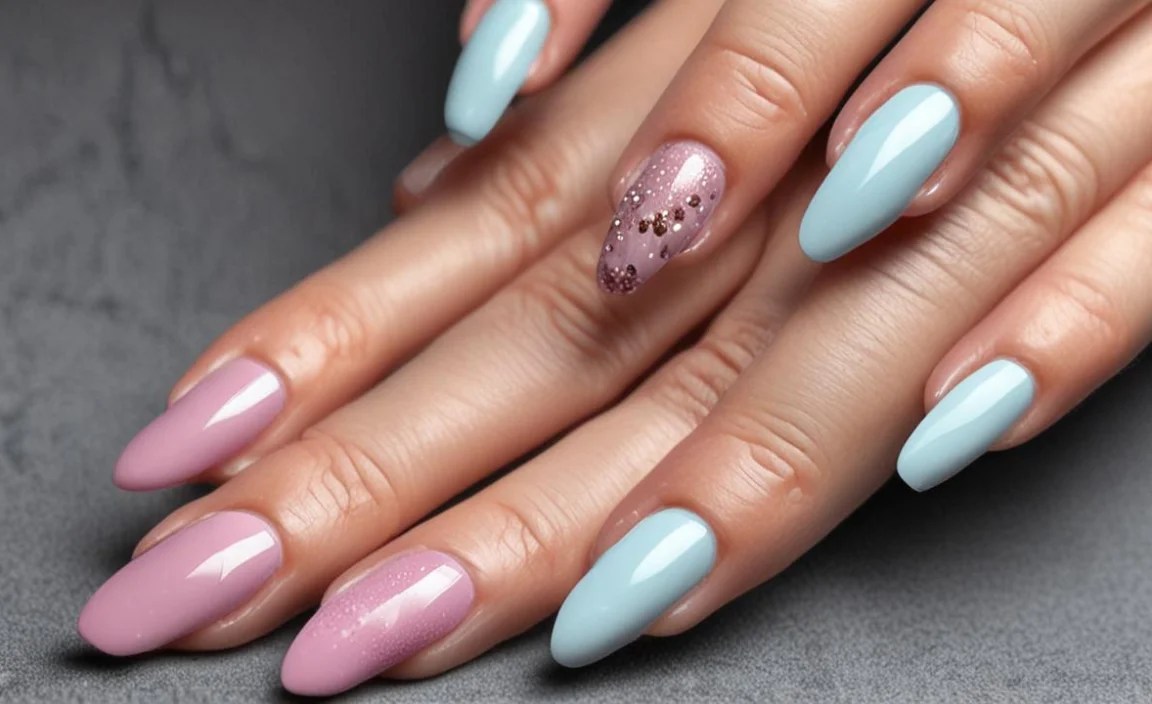
Similar to ombre, a gradient offers a beautiful transition of color, but it can involve more than two shades, often moving from one side of the nail to another, or from tip to cuticle. The sponge brush is perfect for this multi-color magic!
Step-by-Step Gradient Nails
- Prep Sponge and Palette: Prepare your sponge brush as you did for ombre. On your palette, lay down three or more stripes of polish, side-by-side, where the colors will transition.
- Pick Up Colors: Lightly dab the sponge into all the colors on your palette.
- Apply to Nail: Start dabbing the sponge onto your nail, working from left to right (or cuticle to tip) in light, overlapping motions. Focus on blending the edges where the colors meet.
- Reload and Blend: Reapply polish to the sponge as needed and continue to dab and blend until you achieve your desired look. You might need to blend colors into each other more deliberately than with a simple ombre.
- Clean Up & Top Coat: Clean up any excess polish around your cuticles and apply a generous layer of top coat to seal and shine.
Why is a gradient different from ombre?
While both involve color transitions, ombre typically means a blend from light to dark within one color family or two distinct colors creating a gradient effect. A gradient, however, can be a seamless blend of multiple colors that aren’t necessarily related in shade, like blue to pink to yellow, or a sweep of color across the nail.
Beyond Blending: Textured and Dual-Color Effects

The sponge brush isn’t just for smooth transitions! It can create fascinating textures and apply multiple colors simultaneously for unique designs.
Textured Looks
For a more abstract, textured look, you can use the sponge brush to dab color onto the nail in a less uniform way. Think about dabbing with slightly more pressure, or using the edge of the sponge to create a drag effect. This can create a cool, almost distressed vintage vibe. You can even try dabbing a contrasting color over a base coat once it’s slightly tacky for a two-toned textured finish.
Dual-Color Application for Bold Designs
Want to apply two distinct colors side-by-side without blending? Simply apply one color to one side of your sponge and another color to the other side. Then, dab onto the nail. This creates two clean blocks of color that meet in the middle, perfect for geometric designs or a two-toned French tip effect!
Essential Sponge Brush Nail Art Tips & Tricks
Even with simple tools, a few pro tips can elevate your DIY nail art game significantly. Here are some of my favorite secrets:
- Cleanliness is Key: Always start with a clean sponge. As you work, use different sections or a fresh piece of sponge if you’re switching colors or starting a new nail to prevent muddying your shades.
- Practice on a Guide: Before you go for your actual nails, try the technique on a piece of paper or a “nail art practice wheel” (you can buy these online or even use a fake nail tip). This lets you get a feel for the pressure and blending.
- Patience with Drying: Let each layer dry sufficiently, especially before applying a thick top coat. Rushing can lead to smudges.
- Cleanup Crew: Don’t be afraid of the cleanup! A small brush (an old, clean makeup brush works well) or an orange wood stick dipped in acetone or nail polish remover is your best friend for tidying up those messy edges. You can wrap a tiny bit of cotton around the tip of a stick for precision.
- Layering is Your Friend: Don’t expect perfect opacity or blending in one go. Multiple light applications with the sponge will give you a more professional and even look.
- Sponge Type Matters: Cosmetic wedges are great and very accessible. Look for nail-specific sponge brushes if you want more control or different shapes. Some have rounded ends, others are flatter, offering slightly different effects.
- Get Creative with Colors: Experiment! Don’t be afraid to mix and match colors. Jewel tones, neons, pastels – the sponge brush can handle them all.
- Consider the Contrast: For dramatic effects, choose polishes with high contrast. For subtle elegance, opt for complementary shades. The basic principles of color theory can guide you in choosing harmonious or contrasting combinations.
Troubleshooting Common Sponge Brush Nail Art Issues
Even with the best tips, sometimes things don’t go exactly as planned. Here’s how to fix common hiccups:
- Too Streaky: You might not be picking up enough polish on the sponge, or your dabbing motion isn’t consistent. Try loading the sponge with more polish and using shorter, more overlapping dabs.
- Muddy Colors: The sponge might be too wet, or you might be using the same section of the sponge for too many color applications. Try a fresh piece of sponge or a different section, and ensure you’re dabbing, not smearing.
- Polish Absorbed Too Quickly: If your sponge is too dry, it will soak up too much polish. Dampen it slightly and blot off the excess water.
- Polish on Skin: This is where your cleanup tools come in! Don’t panic. A steady hand with a brush dipped in remover can work wonders. Applying a liquid latex or barrier around your cuticles before you start can also significantly reduce cleanup time.
- Uneven Texture: If the texture is too rough, you might be pressing too hard. Use a lighter touch and multiple light dabs to build up the color and blend. Applying a thick top coat can also help smooth out minor imperfections.
Table: Sponge Brush vs. Traditional Nail Art Brushes
Let’s look at how the sponge brush stacks up against more traditional tools for certain effects.
| Feature | Sponge Brush | Fine-Tipped Nail Art Brush |
|---|---|---|
| Best For | Ombre, gradients, stippling, textured effects, quick color blending. | Fine lines, intricate details, freehand drawing, patterns, French tips. |
| Ease of Use for Beginners | Very High – forgiving and intuitive. | Moderate to High – requires practice and a steady hand. |
| Speed of Application | Fast – covers larger areas quickly. | Slower – detailed work takes time. |
| Color Blending | Excellent for seamless transitions. | Possible, but requires skill and thin layers. |
| Creativity Style | Soft, blended, painterly, textured. | Sharp, precise, graphic, detailed. |
| Cost | Very Low – often disposable or reusable for a low cost. | Variable – good quality brushes can be an investment. |
Caring for Your Sponge Brushes
While cosmetic sponges and nail art sponges are often inexpensive and can be disposed of after a few uses, you can extend their life if they are more robust or if you want to keep them for a specific color family.
- Clean Immediately: After use, gently wash the sponge with soap and water, removing as much polish as possible.
- Avoid Harsh Solvents: While acetone helps remove polish from nails, it can break down some sponge materials over time, making them brittle. Stick to soap and water for cleaning.
- Air Dry: Let your sponge brushes air dry completely before storing them.
- Store Properly: Keep them in a dry place, away from direct sunlight.
Beyond the Basics: Advanced Sponge Brush Techniques
Once you’ve mastered the ombre and gradient, you can explore even more creative uses for your sponge brush:
- Stippling/Dotting: Instead of dabbing continuously, use light, random dabs to create a stippled or dotted effect. This is great for creating textured backgrounds or mimicking natural patterns.
- Layered Textures: Apply a base color, let it dry, then use the sponge to dab a second, lighter or darker color over it in strategic areas to create depth and texture.
- “Smoky” Effect: Use black or dark gray polish on a sponge and dab lightly over a lighter base color (once dry) to create a smoky, moody look.
- Color Blocking: As mentioned, use distinct colors on different parts of the sponge for sharp, two-toned looks or to create interesting geometric shapes.
The key is to experiment! Don’t be afraid to play with different pressures, dabbing patterns, and color combinations. The beauty of using a sponge is its forgiving nature; if you don’t like it, a quick swipe of polish remover and you can try again!
Frequently Asked Questions (FAQ) About Sponge Brush Nail Art
Q1: What kind of sponge brush is best for nail art?
A1: You can use cosmetic wedge sponges, makeup sponges cut into smaller pieces, or specialized nail art sponge brushes. For beginners, cosmetic wedges are very beginner-friendly and readily available.
Q2: How do I prevent polish from getting all over my cuticles?
A2: The best way is to clean up afterwards with a small brush or cotton-tipped applicator dipped in nail polish remover. You can also apply a barrier product like liquid latex or petroleum jelly around your cuticle area before you start painting.
Q3: Can I use regular nail polish with a sponge brush?
A3: Absolutely! This technique is designed for standard nail polishes – both regular formula and gel polishes (though gel requires UV/LED curing after application). Two to three thin coats of regular polish often work best for smooth blending.
Q4: How many times can I use a sponge brush?
A4: It depends on the type of sponge and how much polish you use. Disposable cosmetic sponges can be used for one or a few nails before needing a fresh one. More durable nail art sponges can often be cleaned and reused multiple times.
Q5: My colors look dull or muddy. What am I doing wrong?
A5: This can happen if your sponge is too wet, or if you’re smearing rather than dabbing. Ensure your sponge is just slightly damp, not saturated. Use light, dabbing motions, and try to pick up fresh polish for each application. Also, ensure your colors are vibrant to begin with!
Q6: How long does sponge brush nail art last?
A6: With a good base coat and top coat, sponge brush nail art can last as long as any other manicure, typically 5-7 days, depending on your nail care habits and the quality of the polish you use.
