Yes, you can create chic DIY marble nails at home without a salon! This guide breaks down the simple steps using common tools, making elegant marble nail art totally achievable for beginners. Get ready for effortless style and stunning results!
Dreaming of those sophisticated marble nails you see everywhere? You know, the ones with the swirly, elegant patterns that look like tiny works of art? Well, guess what? You don’t need a pricey salon visit to achieve that luxurious look. Many of us shy away from DIY nail art because it seems complicated, but trust me, creating beautiful marble nails at home is totally within reach, even if you’re just starting out. It’s all about a few simple techniques and the right materials. Soon, you’ll be rocking a salon-worthy manicure right from your own living room. Ready to unlock your inner nail artist? Let’s get started!
Your Essential Toolkit for DIY Marble Nails
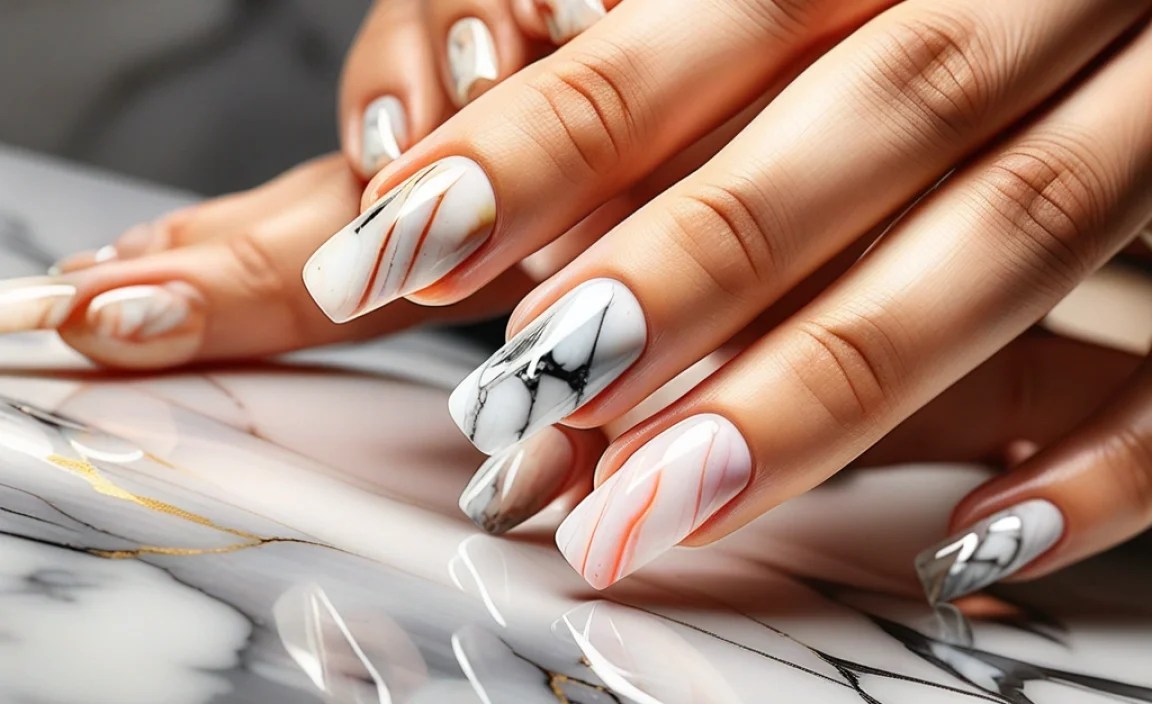
Before we dive into the swirling fun, let’s gather your supplies. The great news is that you probably already have most of these items or can pick them up easily. Having everything ready makes the process smooth and enjoyable. Think of this as getting your cozy crafting corner set up!
What You’ll Need:
- Base Coat: A good base coat protects your natural nails and helps your polish adhere better.
- Nail Polish: You’ll need at least two contrasting colors for the marble effect, plus your base color (often white or a light neutral).
- Top Coat: This seals your design, adds shine, and makes your manicure last longer.
- Clean-up Tools: Cotton swabs (Q-tips), a small stiff brush (like an old makeup brush or a dedicated cleanup brush), or an orangewood stick.
- Remover Solution: Nail polish remover.
- Water (for one method): A small cup or bowl of room-temperature water.
- Toothpick or Dotting Tool: For swirling the polish.
- Optional: Quick-Dry Drops or Spray: These can help speed up drying time.
- Optional: Latex Tape or Petroleum Jelly: To protect your skin from polish spills.
Getting Started: Preparing Your Nails
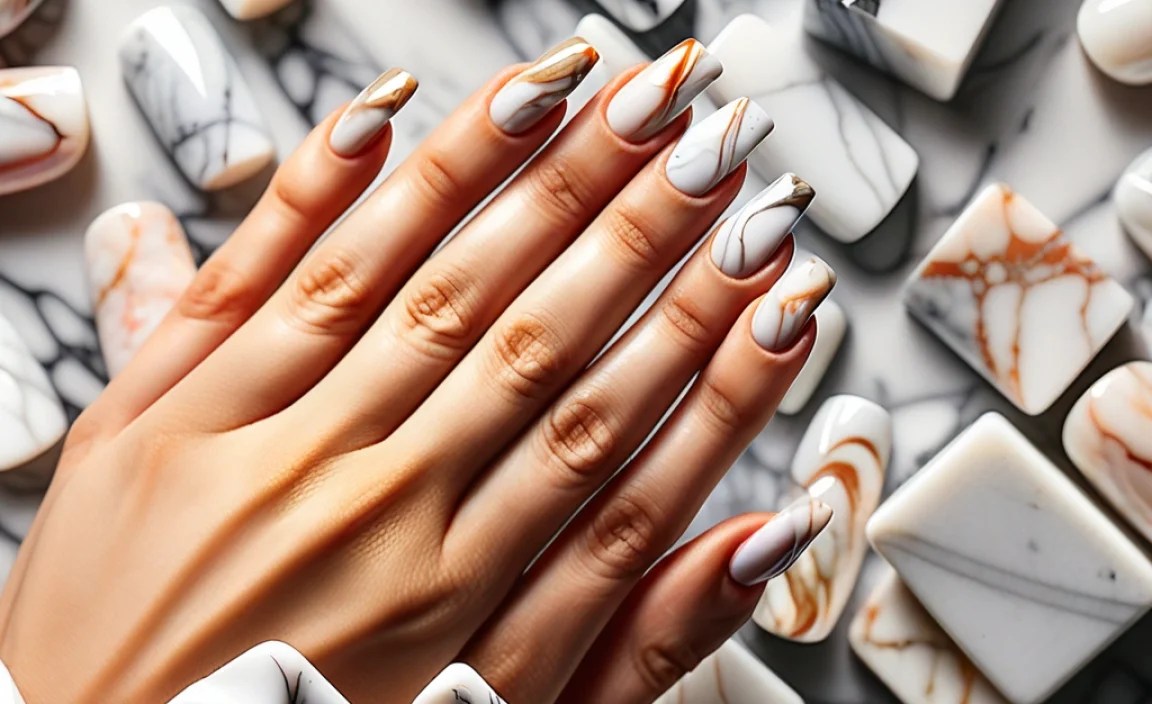
Just like any good painting, a strong foundation is key! Preparing your nails properly means your beautiful marble design will look even better and last longer. It’s a quick step that makes a big difference.
- Clean Your Nails: Start with clean, dry nails. Remove any old polish.
- Shape Them Up: File your nails to your desired shape.
- Push Back Cuticles: Gently push back your cuticles.
- Buff (Optional): Lightly buff the surface of your nails to create a smooth canvas.
- Apply Base Coat: Paint on one layer of your base coat and let it dry completely. This is crucial for preventing staining and making your manicure last!
Method 1: The Water Marbling Technique
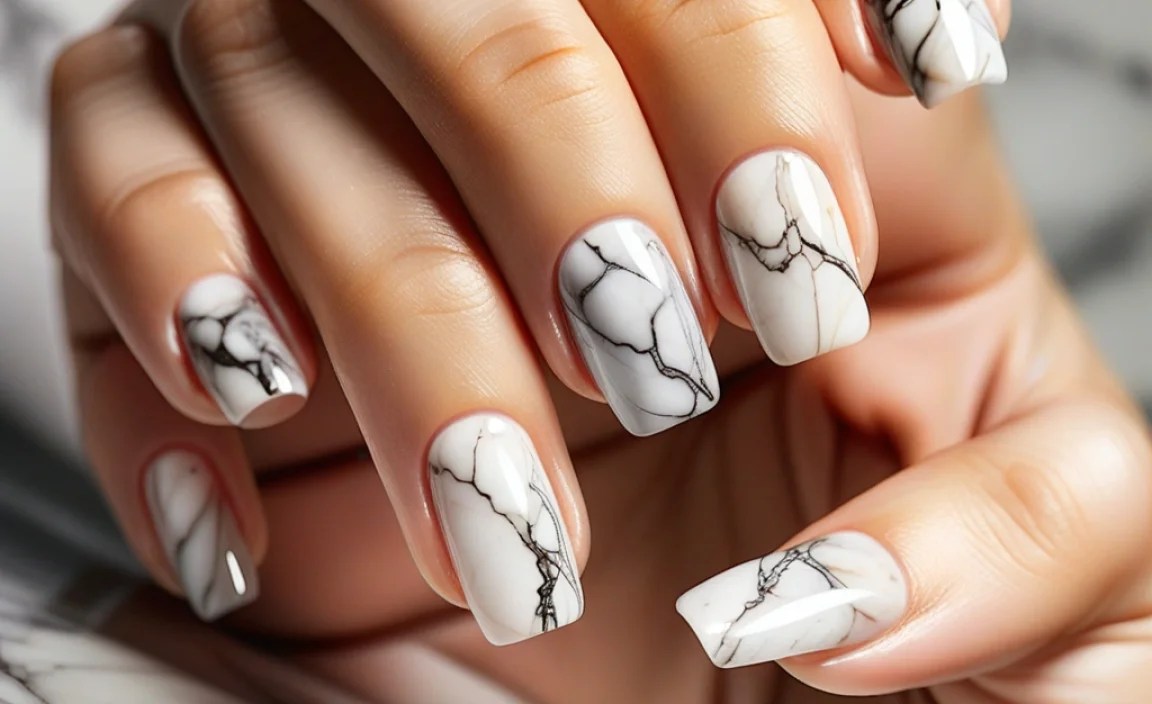
This is the classic marble nail technique that often comes to mind. It might seem intimidating, but with a little practice, you’ll master these mesmerizing swirls. It’s like creating mini abstract art on each nail!
Step-by-Step Water Marbling:
- Prep Your Water: Fill a small cup or bowl with room-temperature water. Don’t use hot or cold water, as it can affect how the polish floats.
- Protect Your Skin: Apply latex tape around your fingertip, or a thick layer of petroleum jelly on the skin surrounding your nail. This is a lifesaver for keeping your fingers clean! Make sure the tape or jelly doesn’t cover your actual nail.
- Drop Your First Color: Open your first nail polish color (often white or a light base color). Gently drop a few blobs of this polish onto the surface of the water. Let it spread naturally.
- Add Your Swirl Colors: Now, add drops of your contrasting marble colors onto the center of the existing polish on the water. You can alternate colors, adding a drop of color A, then color B, then color A again.
- Swirl It Up: Immediately after adding your colors, take a toothpick or a dotting tool and gently swirl the polish on the water’s surface. Make a few light passes to create a marbled pattern. Don’t over-swirl, or the colors will get muddy.
- Dip Your Nail: Carefully dip your prepared nail into the marbled polish on the water. Aim to dip at an angle so you get a good swirl pattern. Hold it there for a second.
- Remove Excess Polish: Gently pull your finger out of the water, and before the polish can dry on your finger, use the toothpick or tape to gather the excess polish from around your nail on the water’s surface by pulling it towards your nail.
- Clean Up: Remove the latex tape or carefully wipe away the petroleum jelly. Use a cotton swab dipped in nail polish remover, or your cleanup brush, to carefully clean up any stray polish on your skin.
- Let It Dry: Allow the nail polish to dry completely. This can take a bit longer with water marbling.
- Apply Top Coat: Once fully dry, apply a layer of your top coat for shine and protection.
- Repeat: Repeat the process for each nail, refreshing the water and polish as needed.
Pro Tip for Water Marbling: Some polishes work better for water marbling than others. Thinner polishes tend to spread more easily. If your polish is too thick, you can try adding a tiny drop of nail polish thinner. For more detailed tutorials and visual guides on water marbling, resources from nail art blogs like The Stamped Beauty often provide excellent visual aids.
Method 2: The Toothpick Swirl Technique (Easier for Beginners!)
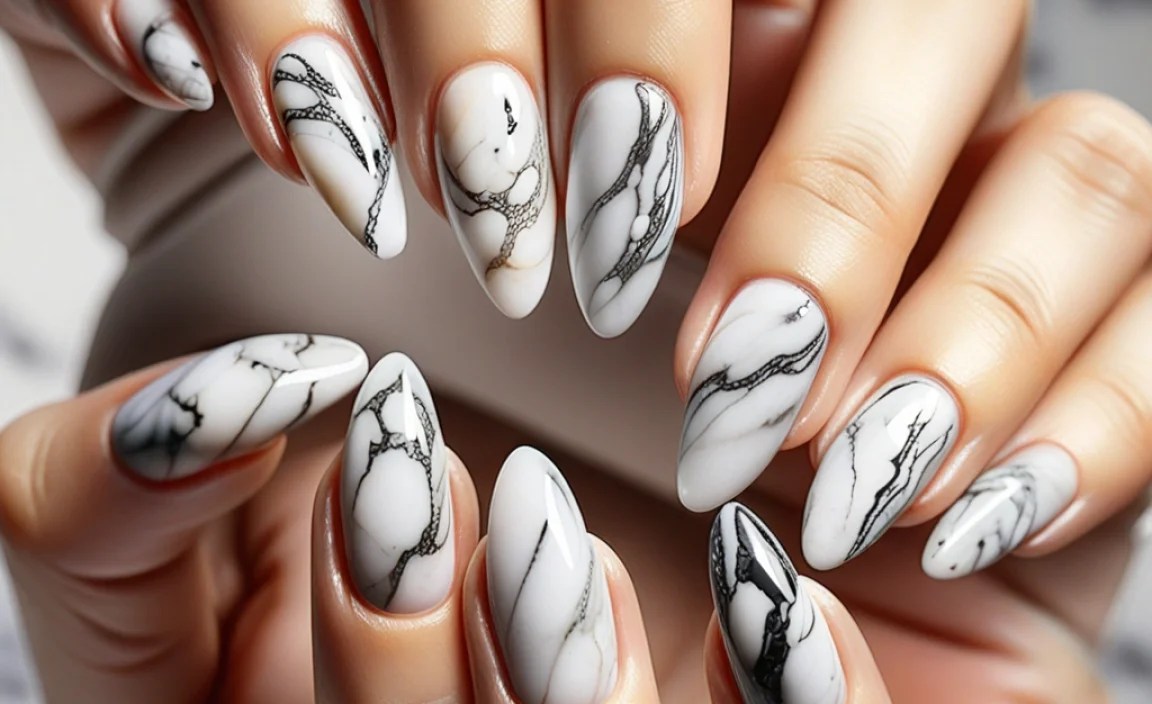
If the water marbling sounds a little too messy or tricky, this is a fantastic alternative! It gives a beautiful marble effect with much less fuss and is perfect for those new to nail art.
Step-by-Step Toothpick Swirl:
- Apply Base Color: Paint your nail with your chosen base color (e.g., white) and let it dry completely.
- Add Your Marble Colors: While the base color is dry, carefully add a few small blobs or streaks of your marble colors directly onto the nail. Don’t cover the whole nail; just place them where you want the marble effect to appear.
- Swirl Gently: Take a clean toothpick or dotting tool and very gently swirl the colors together on the nail. You’re not mixing them into one color, but just lightly feathering the edges to create a marbled look. Think of it as creating abstract lines.
- Clean Up Edges: Immediately use a cleanup brush dipped in nail polish remover to tidy up the edges of your nail and clean off any excess polish from your skin.
- Let It Dry: Allow the polish to dry thoroughly.
- Apply Top Coat: Once completely dry, seal your design with a glossy top coat.
Why This Method Rocks: This technique offers incredible control. You can see exactly what you’re doing and adjust the swirls as you go. It’s less about letting the polish do its own thing and more about guiding it, which is super beginner-friendly!
Method 3: The Plastic Wrap Technique
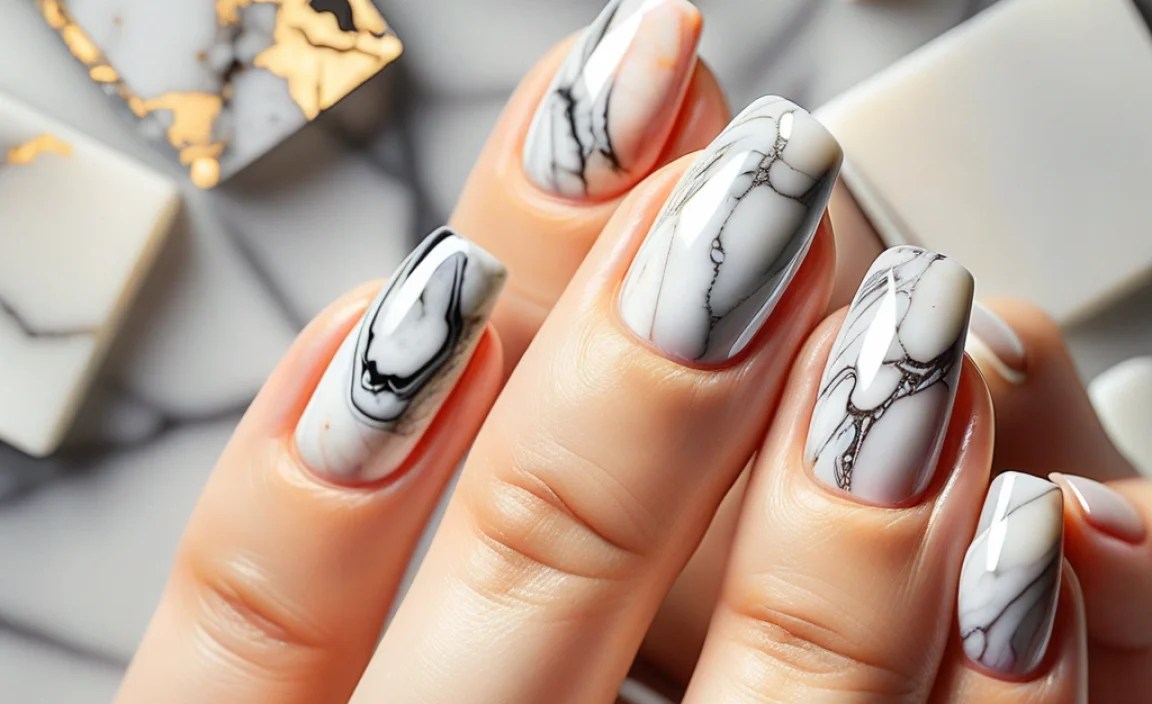
This is another super simple and forgiving method that creates a unique marble texture. It’s a great way to get an abstract, textured marble look without needing perfect swirling skills!
Step-by-Step Plastic Wrap Marble:
- Apply Base Color: Paint your nail with your desired base color and let it dry completely.
- Apply First Marble Color: Paint a layer of your first marble color over the base color, but do not let it dry.
- Crinkle the Wrap: Take a small piece of plastic wrap (like cling film), and gently crinkle it up into a ball.
- Dab and Lift: Lightly dab the crinkled plastic wrap onto the wet polish on your nail. You want to lift some of the polish off, creating a textured pattern. Don’t press too hard, or you’ll just spread it.
- Repeat with Other Colors (Optional): If you want more than one marble color, you can repeat steps 2-4 with a second color, dabbing it over the first layer of wet polish.
- Let Dry: Allow the polish to dry completely – this might take a little while due to the thicker application.
- Apply Top Coat: Once dry, apply your top coat to smooth out the texture and add shine.
The Result: This method yields a cool, almost tie-dye-like marble effect that is effortlessly chic.
Comparing Marble Nail Techniques
Each technique offers a slightly different look and difficulty level. Choosing the right one for you depends on your comfort level with nail art and the exact look you’re going for.
| Technique | Ease Level | Time Required | Typical Look | Mess Factor |
|---|---|---|---|---|
| Water Marbling | Intermediate | Moderate (includes cleanup) | Defined swirls, delicate patterns | High (polish on skin and surfaces) |
| Toothpick Swirl | Beginner-Friendly | Quick | Soft, blended swirls, controlled patterns | Low to Moderate (easier cleanup) |
| Plastic Wrap | Very Beginner-Friendly | Quick | Textured, abstract, tie-dye effect | Low (minimal cleanup) |
Tips for Achieving Perfect DIY Marble Nails
Even with the simplest technique, a few extra tips can elevate your marble nail game. These are the little secrets that make DIY nail art look polished and professional!
- Work Quickly: Nail polish dries fast! For water marbling and toothpick swirls, have your colors ready and apply the polish to the water or nail with intent.
- Use Opaque Polishes: For the best contrast, use highly pigmented, opaque polishes rather than sheer ones, especially for the marble colors.
- Don’t Over-Swirl: This is especially important for water marbling. Too much swirling will muddy your colors and lose the distinct marble pattern. Light, gentle movements are best.
- Patience with Drying: Let each layer dry thoroughly, especially before applying the top coat. Rushing this can lead to smudges and a ruined design. A good rule of thumb is to wait at least 5-10 minutes between polish layers for standard polish, or use quick-dry drops.
- Practice Makes Perfect: Your first attempt might not be exactly what you envisioned, and that’s completely okay! Every nail artist starts somewhere. Keep practicing, and you’ll improve with each manicure. Consider using press-on nails or even paper to practice first if you’re nervous about using polish on your actual nails.
- Experiment with Color Combinations: Don’t limit yourself to black and white! Try deep blues with gold, soft pinks and grays, or vibrant corals and teals. The possibilities are endless! For color theory inspiration, check out resources like Color Wheel Pro.
- Clean Up is Key: A meticulously cleaned-up nail edge makes a huge difference. Don’t skip the cleanup step – it’s what gives your DIY manicure that professional finish.
Common Issues and How to Fix Them
Even with the best intentions, sometimes things don’t go exactly as planned. Here are some common marble nail hiccups and how to fix them:
- Colors Muddy Together: This usually happens from over-swirling or when the polishes are too thin and blend too much before you can create a pattern. For water marbling, try working faster and with fewer swirls. For toothpick methods, don’t overwork the design. If it’s too mixed, you might have to remove it and start again or embrace the blended look.
- Polish Isn’t Sticking/Is Clumping (Water Marbling): This often means your water is too cold, too hot, or your polish is too thick/old. Try fresh polish and ensure your water is room temperature.
- Uneven Marble Pattern: This can happen with any method. For water marbling, try dipping your nail at a slightly different angle. For toothpick or plastic wrap methods, ensure even distribution of your initial polish blobs. If it’s minor, a good top coat can help smooth things out.
- Smudged Design: This is almost always due to not letting the polish dry completely. Be patient! If you’re in a hurry, quick-dry drops or a fast-drying top coat can really help.
- Polish on Cuticles/Skin: This is where your cleanup tools shine! A small brush dipped in remover is your best friend. Some people also like to use a “peel-off base coat” or liquid latex around the cuticle area before painting to make cleanup even easier – just peel it off once you’re done painting.
Frequently Asked Questions About DIY Marble Nails
Here are answers to some common questions beginners have about creating marble nails at home.
Q1: Do I need special nail polish for water marbling?
A: While any nail polish can technically be used, polishes that are a bit thinner and more opaque tend to work best for water marbling. Very thick or old polishes can sometimes clump or not spread properly on the water. You might need to experiment!
Q2: How long does DIY marble nail polish last?
A: With a good base coat, a well-applied design, and a quality top coat, DIY marble nails can last anywhere from 5 to 10 days, similar to a regular manicure. Proper nail care and avoiding harsh chemicals can help extend their life.
Q3: Can I do marble nails on acrylic or gel nails?
A: Absolutely! These techniques can be applied to acrylics, gels, or even dip powder nails. Just ensure your base nail has been properly prepped and that the polish you’re using is compatible. For gel, you’ll likely cure each layer under a UV/LED lamp, as you would with any gel polish application.
Q4: Is water marbling messy?
A: Yes, water marbling can be quite messy, especially the first few times. That’s why protecting your skin with latex tape or petroleum jelly is highly recommended. The cleanup process is usually the most time-consuming part.
Q5: What are faster ways to get a marble effect if I’m short on time?
A: The toothpick swirl and plastic wrap techniques are significantly faster than traditional water marbling, as they require less setup and cleanup. Using quick-dry drops or sprays can also speed up the drying process for any method.
Q6: How do I achieve clean lines with the toothpick swirl method?
A: The key is to swirl gently and only a few times. Don’t overwork the design, as this will blend the colors too much and lose definition. Also, ensure your toothpick or dotting tool is clean before you start swirling.
Conclusion
And there you have it! Creating stunning DIY marble nails at home is not only achievable but can be a fun and rewarding creative outlet. We’ve explored three easy methods – the classic water marble, the beginner-friendly toothpick swirl, and the textured plastic wrap technique – along with essential tools, preparation steps, and troubleshooting tips.
Remember, practice is your best friend. Don’t be discouraged if your first few attempts aren’t perfect. Each swirl, each color combination, is a step towards mastering your own unique nail art style. Embrace the process, experiment with colors that make you happy, and wear your beautiful, handcrafted marble nails with confidence. You’ve got this!
