Cuticle oil for nail health is essential for keeping your nails strong, moisturized, and looking their best. Daily application prevents dryness, brittleness, and hangnails, promoting healthier growth and a beautiful finish for any manicure.
Hey nail lovers! Ever look at your nails and wish they were just a little bit stronger, a little less prone to breaking, or maybe that those dry, flaky bits around your nails would just disappear? You’re not alone! So many of us struggle with less-than-perfect nail health, and it can be super frustrating. The good news? There’s a simple, effective secret weapon that can make a world of difference. It’s easy to use, affordable, and feels like a little spa treat for your hands. Ready to discover how this little bottle can transform your nail game? Let’s dive in and unlock the magic of cuticle oil!
Why Cuticle Oil is Your Nails’ Best Friend

Think of your cuticles as tiny guardians for your nails. They seal the base of your nail and help prevent bacteria from entering. When they’re dry and neglected, they can become rough, peel, and even lead to painful hangnails. This isn’t just about looks; it can also impact how well your nails grow and how strong they are.
Dry cuticles can lead to:
- Brittleness and cracking of the nails.
- Painful hangnails that snag and tear.
- A less-than-perfect canvas for your nail polish.
- Slower, less healthy nail growth.
On the flip side, keeping your cuticles hydrated with cuticle oil brings a whole host of benefits that make your nails look and feel amazing. It’s like giving your nails a drink of water, helping them stay flexible and resilient. This is key to preventing those annoying chips and breaks that we all dread.
What is Cuticle Oil, Anyway?

Cuticle oil is essentially a blend of moisturizing ingredients designed to hydrate and nourish the skin around your nails (that’s your cuticles!) and the nail plate itself. These oils are typically made from a base oil and often contain vitamins and other beneficial ingredients.
The primary goal of cuticle oil is to add and retain moisture. Dehydrated cuticles are brittle, prone to cracking, and can lead to hangnails. Consistent use of cuticle oil helps:
- Keep cuticles soft and supple.
- Prevent the formation of dry, overgrown cuticles.
- Promote healthier nail growth by keeping the nail matrix (where the nail grows from) hydrated.
- Protect the nail from damage and breakage.
- Improve the overall appearance of your hands, making them look more polished and cared for.
It’s a simple yet powerful addition to any nail care routine, whether you love polished manicures or prefer your nails au naturel. Plus, applying it can be a genuinely relaxing ritual!
Key Ingredients to Look For in Cuticle Oil

Not all cuticle oils are created equal! While many are fantastic, knowing what to look for can help you choose the best product for your nail needs. The best oils often come from natural sources and are rich in nutrients that benefit both your skin and nails.
Common Base Oils
- Jojoba Oil: This is a superstar because its molecular structure is very similar to our skin’s natural sebum. This means it’s easily absorbed and provides excellent moisture without feeling greasy. It’s also known for its anti-inflammatory properties.
- Sweet Almond Oil: Rich in vitamin E and other antioxidants, almond oil is a fantastic moisturizer that helps to soothe and soften dry skin. It’s gentle and great for sensitive skin.
- Grapeseed Oil: A lightweight oil that absorbs quickly, grapeseed oil is packed with linoleic acid, which helps strengthen the skin’s barrier function. It’s also an antioxidant.
- Coconut Oil: A popular choice known for its deep moisturizing capabilities. It contains fatty acids that help hydrate and protect the skin.
- Vitamin E Oil: Often found as a standalone ingredient or added to blends, pure vitamin E oil is potent for deep nourishment and repair. It’s a powerful antioxidant that can help damaged skin and nails.
Beneficial Additives
- Vitamin E: As mentioned, it’s a powerful antioxidant that helps fight free radicals and promotes skin healing.
- Panthenol (Vitamin B5): This ingredient helps to hydrate the skin and nails, making them more flexible and less prone to breakage.
- Herbal Extracts: Ingredients like chamomile, aloe vera, or lavender can add soothing and anti-inflammatory benefits.
- Essential Oils: Sometimes added for scent and additional benefits (e.g., tea tree oil for its antifungal properties, though use with caution on broken skin).
When choosing a product, check the ingredient list. Aim for oils that are listed primarily as natural oils. Avoid formulas with excessive synthetic fragrances or harsh preservatives if you have sensitive skin.
How to Properly Apply Cuticle Oil for Maximum Benefits

Applying cuticle oil is super simple, but doing it correctly ensures you get the most bang for your buck. It’s a ritual you can easily fit into your daily routine, even when you’re busy!
Here’s your step-by-step guide:
Step 1: Clean Your Hands
Start with clean hands and nails. Make sure there’s no old nail polish, lotion, or dirt on them. This allows the oil to penetrate effectively.
Step 2: Dispense the Oil
Most cuticle oils come in pen-style applicators, dropper bottles, or small pots. For pen applicators, twist the end to release a small amount of oil. For droppers, just use one or two drops. A little goes a long way!
Step 3: Apply to the Cuticle Line
Gently apply the oil directly onto your cuticle and the surrounding skin. Focus on the area where the nail meets the skin, as this is where the cuticle lives. You can also sweep a bit of the oil onto the nail plate itself.
Step 4: Massage It In
This is the best part! Using your fingertips or contrasting thumb, gently massage the oil into your cuticles and the nail. This helps to boost circulation and allows the oil to really sink in and work its magic. Take a few moments to enjoy this step – it’s a fantastic mini-massage!
Step 5: Let It Absorb
Allow the oil to absorb fully before touching anything or applying other products. This might take a few minutes. If you’re applying it before bed, even better, as your nails get all-night hydration!
When to Use Cuticle Oil
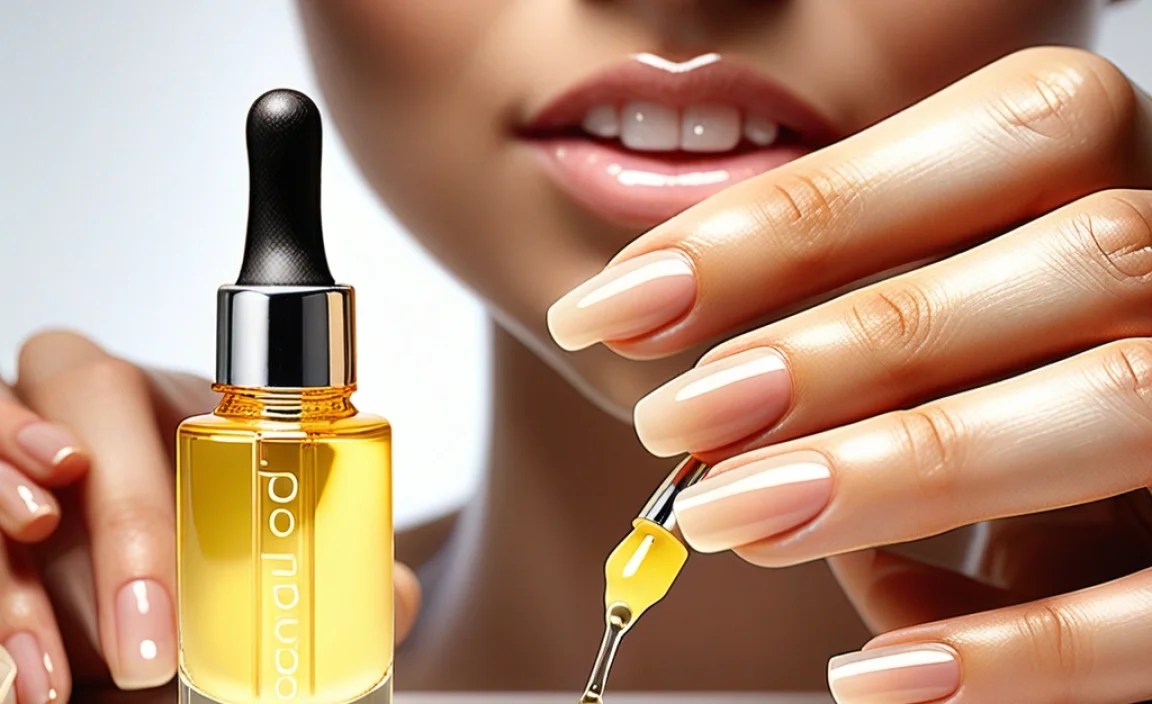
Consistency is key! While you can apply cuticle oil anytime your nails feel dry, there are specific times when it’s most beneficial.
- Daily: This is the golden rule! Applying once or twice a day, particularly in the morning and before bed, will make the biggest difference.
- After Washing Hands: Water can strip natural oils from your skin and nails. Applying cuticle oil after washing helps to replenish that lost moisture.
- After Removing Nail Polish: Nail polish remover can be quite drying. Treat your nails and cuticles to some oil immediately after removing polish.
- After a Manicure (Gel, Acrylic, or Regular): If you’ve had a manicure, giving your cuticles a good dose of oil helps them recover from any potential dryness caused by the process.
- Before Bed: This is perfect for deep overnight hydration. Your skin and nails will thank you!
Think of it as a small luxury that delivers significant results. You’ll notice softer cuticles, stronger nails, and a cleaner appearance in no time.
Tips for Healthier Nails and Cuticles
Cuticle oil is a fantastic tool, but combining it with other good nail care habits will give you even better results. These simple tips can help you achieve and maintain strong, beautiful nails.
Hydration Habits
- Drink Plenty of Water: Just like the rest of your body, your nails need internal hydration to stay healthy and strong. Aim for at least 8 glasses of water a day.
- Moisturize Your Hands Regularly: Use a good hand cream throughout the day, especially after washing your hands. This overall hand care supports nail health.
Gentle Nail Care
- Avoid Harsh Chemicals: When cleaning, wear gloves, especially when using harsh detergents or cleaning products.
- Don’t Bite or Pick: This seems obvious, but resist the urge to bite your nails or pick at your cuticles. This can cause damage, infection, and uneven growth.
- Be Gentle with Tools: If you push your cuticles, use an orange stick or a cuticle pusher gently. Avoid cutting your cuticles unless absolutely necessary, as they serve a protective purpose. A professional can advise on safe cuticle care. You can learn more about nail health from resources like the American Academy of Dermatology’s guidelines.
- File in One Direction: When filing your nails, always file in one direction rather than sawing back and forth. This prevents splitting and weakening.
- Give Nails a Break: If you frequently wear gel or acrylic nails, consider giving your natural nails a break every now and then to recover and strengthen.
Nutrition Matters
- Balanced Diet: Ensure your diet is rich in vitamins and minerals. Biotin, zinc, iron, and omega-3 fatty acids are particularly beneficial for nail strength and growth. Foods like eggs, nuts, leafy greens, and fish can contribute to nail health.
By incorporating these habits alongside regular cuticle oil application, you’re setting yourself up for noticeably healthier and more resilient nails. It’s a holistic approach to nail care that really pays off!
Cuticle Oil vs. Hand Cream: What’s the Difference?
It’s common to wonder if hand cream is “enough” for cuticle care. While both are excellent for moisturizing, they serve slightly different primary purposes, and their formulations are distinct.
Here’s a simple comparison:
| Feature | Cuticle Oil | Hand Cream |
|---|---|---|
| Primary Purpose | Deeply hydrates and nourishes the cuticle and nail matrix; prevents dryness and brittleness. | Moisturizes the skin of the hands, providing a surface layer of hydration. |
| Consistency | Typically lighter and more easily absorbed, designed to penetrate. Can be oil-based. | Can range from light lotions to thicker creams; often contains water and emollients. |
| Key Ingredients | Natural oils (jojoba, almond, grapeseed), Vitamin E, sometimes essential oils. | Water, emollients (like glycerin, shea butter), occlusives (like petrolatum), humectants, sometimes fragrances and preservatives. |
| Best For | Targeting the cuticle area, nail base, and nail plate for deep moisture and flexibility. | Overall hand skin hydration, protection against environmental dryness. |
| Absorption | Designed for quick, deep absorption into cuticles and nail base. | Provides a barrier on the skin; some absorption, but can feel heavier on the surface. |
Think of it this way: Hand cream is like your daily moisturizer for your face, while cuticle oil is like a targeted serum for specific concerns (dryness, brittleness around the nail). You absolutely need both for optimal nail and hand health! Using hand cream all over your hands and then applying cuticle oil specifically to your nail beds and cuticles is the winning combination.
DIY Cuticle Oil Recipes (Simple & Effective!)
Can’t get to the store or just love a good DIY? You can easily whip up your own effective cuticle oil blend with ingredients you might already have at home! These recipes are simple and allow you to customize based on your preferences and needs.
Recipe 1: Simple Jojoba & Vitamin E Blend
This is a classic for a reason. Jojoba oil mimics natural sebum for great absorption, and Vitamin E is a powerhouse for repair.
- 2 parts Jojoba Oil
- 1 part Vitamin E Oil (you can use oil from a Vitamin E capsule)
Instructions: Mix the oils in a small, clean dropper bottle. Shake well. Apply as usual.
Recipe 2: Nourishing Almond & Lavender Oil
Sweet almond oil is gentle and nourishing, while lavender adds a lovely scent and calming properties.
- 2 parts Sweet Almond Oil
- 1 part Grapeseed Oil (for a lighter feel)
- 2-3 drops Lavender Essential Oil (optional, for scent and relaxation)
Instructions: Combine all ingredients in a clean dropper bottle. Shake well before each use. Note: Essential oils are potent, so use sparingly. Always do a patch test if you have sensitive skin.
Recipe 3: Rich Coconut & Lemon Oil (for Strength)
Coconut oil offers deep moisture, and a touch of lemon oil (use sparingly and avoid sun exposure after application as it can be photosensitive) can help brighten and strengthen brittle nails.
- 2 parts Coconut Oil (melted if solid)
- 1 part Jojoba Oil
- 1-2 drops Lemon Essential Oil (optional; strictly for scent and mild brightening properties)
Instructions: If using solid coconut oil, gently warm it until liquid. Mix with jojoba oil and lemon oil in a clean dropper bottle. Shake well. Again, essential oils should be used with caution. For a plain, ultra-moisturizing version, skip the lemon oil.
Important DIY Notes:
- Always use high-quality, cosmetic-grade oils.
- Store your DIY blends in a cool, dark place in a clean, airtight container (preferably glass dropper bottles).
- Most DIY blends are best used within 6-12 months.
- If you have any skin sensitivities or allergies, perform a patch test on a small area of skin before widespread use.
Common Cuticle Oil FAQs
Q1: How often should I really be using cuticle oil?
A: For best results, aim to apply cuticle oil at least once a day, ideally twice – once in the morning and again before bed. Consistency is key to preventing dryness and keeping your nails healthy and flexible.
Q2: Can cuticle oil help with nail growth?
A: While cuticle oil doesn’t magically make your nails grow faster, it creates a healthier environment for growth. By keeping the nail matrix (where the nail grows from) hydrated and preventing breakage, it allows your nails to grow longer and stronger without interruption.
Q3: Will using cuticle oil make my cuticles grow back thicker?
A: No, cuticle oil won’t make your cuticles grow back thicker. It helps to keep the existing cuticle soft and moisturized, preventing it from becoming dry, tough, and prone to hangnails. It improves the health and appearance of your cuticles, rather than affecting their growth rate or density.
Q4: Can I use cuticle oil on artificial nails (like gel or acrylics)?
A: Absolutely! Cuticle oil is great for artificial nails too. It helps to keep the natural nail underneath hydrated, which is especially important when wearing enhancements that can sometimes dehydrate the nail plate. It also keeps the surrounding skin soft and healthy-looking.
Q5: What if I have very dry, cracked cuticles? Can cuticle oil fix them?
A: Yes, cuticle oil is excellent for very dry, cracked cuticles. Regular, consistent application will help to rehydrate the skin, soften dryness, and promote healing. For severe dryness, apply the oil multiple times a day and massage it in well. You might also consider “oil soaks” for 5-10 minutes.
Q6: Is there a difference between cuticle oil and cuticle cream?
A: Cuticle oil is typically lighter and oil-based, designed for deeper penetration and intense hydration. Cuticle creams are often thicker and may contain a mix of oils, waxes, and humectants, providing both hydration and a protective barrier. Both are beneficial, but oils often offer more concentrated nourishment for the nail matrix.
Q7: Can I put cuticle oil on my nails before applying nail polish?
A: It’s generally best to apply cuticle oil after your nail polish has dried completely, or at least after you’ve finished your manicure. Applying it before can interfere with polish adhesion, potentially causing it to lift or chip. However, you can apply it to the skin around the nail before polishing to keep it moisturized during the process.
Conclusion
So there you have it! Cuticle oil is more than just a pretty addition to your beauty stash; it’s a fundamental tool for achieving and maintaining truly healthy, beautiful nails. From preventing painful hangnails and brittle breakage to creating the perfect canvas for that next stunning manicure, the benefits are undeniable. By understanding what’s in your oil, applying it correctly, and incorporating it into your daily.
