Want to rock a trendy, eye-catching nail look? Bold graphic color block nails are easier than you think! This design uses sharp, contrasting blocks of color to create a modern, artistic vibe. It’s perfect for expressing your personality and adding a pop of fun to any outfit. Don’t worry if you’re new to nail art; this guide breaks it all down simply. Let’s unlock the secrets to creating your own fabulous color block mani!
What is a Color Block Nail Design?
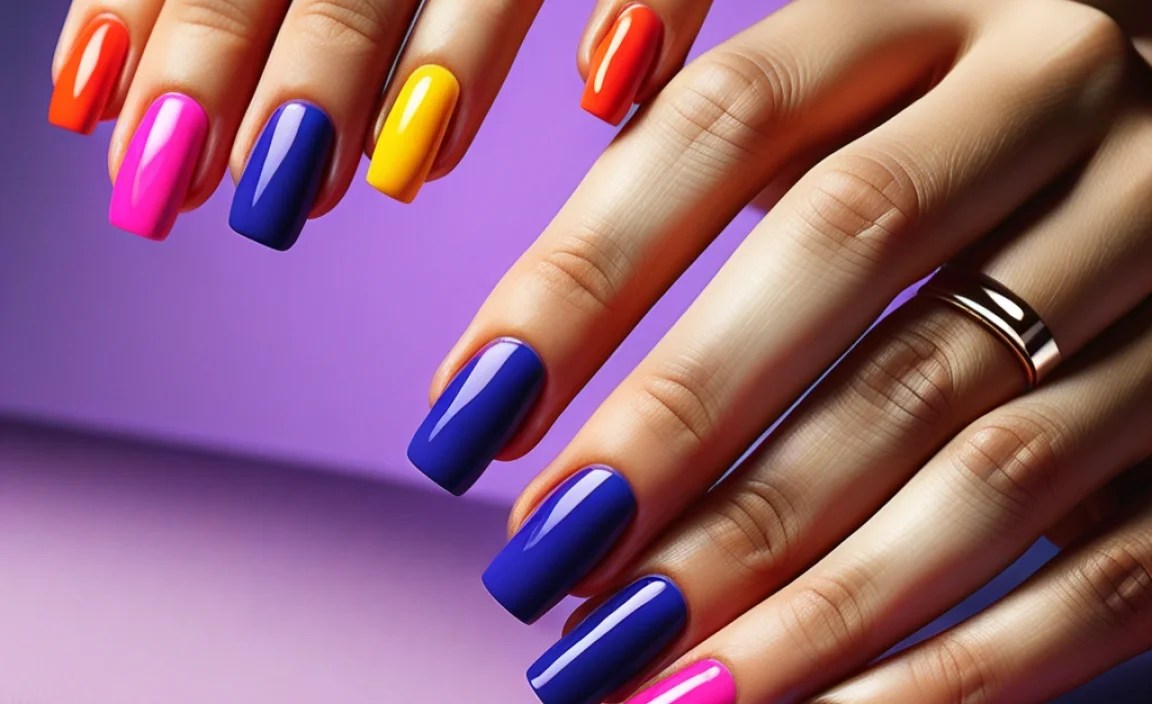
Color blocking in nail art involves intentionally placing two or more distinct, solid colors next to each other on the nail. Think clean lines and bold, unblended hues. It’s all about creating a modern, geometric, and graphic aesthetic. Popular combinations include bright primaries, chic neutrals, or even surprising neons against softer tones. The key is the sharp division between the colors, creating a visually striking effect that commands attention.
Why Try Bold Graphic Color Block Nails?

This trend is super popular for a reason! Here’s why you’ll love it:
- It’s Bold and Trendy: Color blocking is a fashion statement that translates beautifully to nails. It’s modern, chic, and sure to get compliments.
- Versatile: You can customize it endlessly! Choose colors that match your outfit, your mood, or a specific season. From subtle pastels to vibrant neons, the options are limitless.
- Beginner-Friendly Potential: While it can be intricate, the basic concept is simple. With a few tools and techniques, even beginners can achieve impressive results.
- Boosts Confidence: A well-done, artistic nail design can be a fantastic mood booster and a way to feel more put-together.
- Creative Outlet: It’s a fun and accessible way to explore your artistic side without needing to be Picasso!
Essential Tools for Your Color Block Manicure

Gathering the right tools is half the battle! Having these on hand will make your color blocking experience smooth and successful:
The Must-Haves:
- Nail Polish: Of course! Choose at least two, preferably three or more, contrasting or complementary colors. Opaque, high-pigment polishes work best for clean color blocks.
- Base Coat: Essential for protecting your natural nails and helping the polish adhere better.
- Top Coat: Crucial for sealing your design, adding shine, and making your manicure last longer.
- Fine-Tipped Detail Brush or Striper Brush: This is your magic wand for creating those crisp lines between colors. Look for synthetic bristles that hold their shape.
- Striping Tape or Nail Stencils: These adhesive tools are lifesavers for creating perfectly straight lines and geometric shapes.
- Nail Polish Remover: For cleaning up any mistakes and for removing polish.
- Cotton Swabs or Orangewood Sticks: Perfect for precise clean-ups along the cuticle and sidewalls.
Nice-to-Haves (But Still Super Helpful!):
- Nail Buffer: To smooth out your nail’s surface before polishing.
- Cuticle Pusher: To gently push back cuticles for a clean nail canvas.
- Glass Nail File: For gently shaping your nails without snagging.
- Clean-up Brush: A small, flat brush dipped in remover for tidying edges.
Step-by-Step: Creating Your Bold Graphic Color Block Design
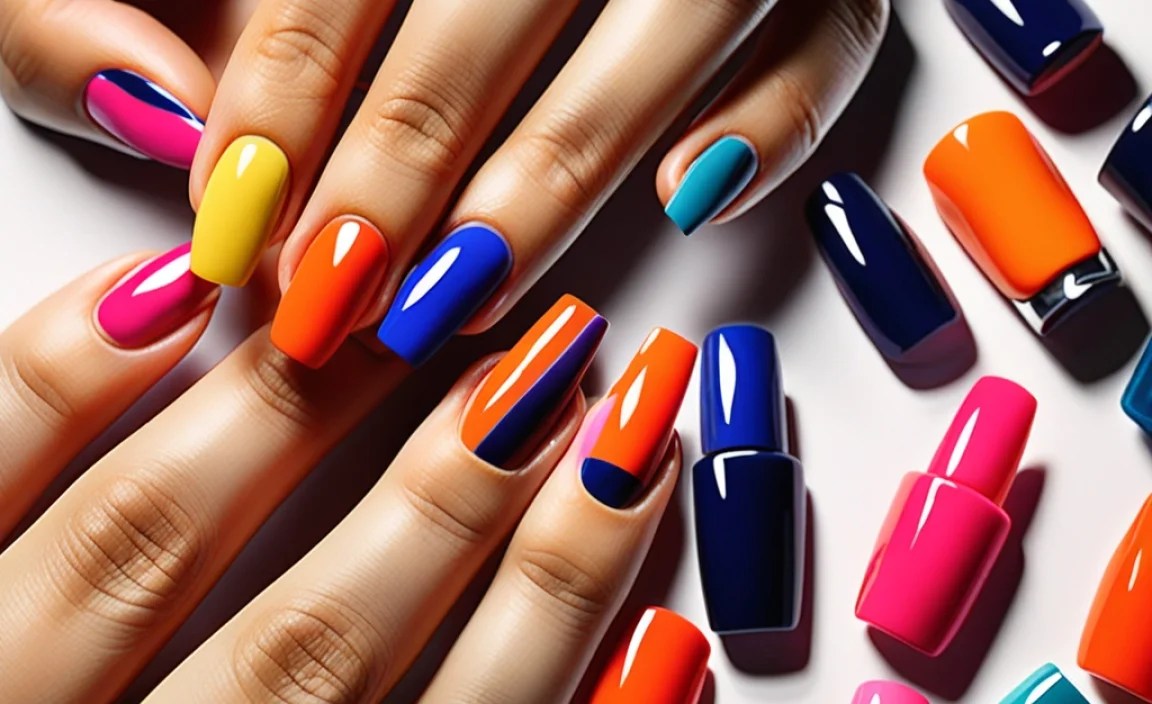
Ready to dive in? Follow these steps, and you’ll have stunning color block nails in no time. Remember, patience and practice make perfect!
Step 1: Prep Your Nails
A good manicure starts with a clean slate. This step ensures your polish has the best surface to adhere to.
- Remove Old Polish: If you have any old polish on, remove it completely with nail polish remover.
- Shape Your Nails: Using your nail file, shape your nails to your desired length and style. A uniform shape helps the color blocks look even better.
- Buff Gently: Lightly buff the surface of your nails. This helps remove any natural oils and creates a slightly rougher texture for the polish to grip. Don’t over-buff!
- Cleanse: Wipe each nail with nail polish remover or an alcohol wipe to remove any dust or oils.
- Cuticle Care (Optional but Recommended): Gently push back your cuticles with a cuticle pusher for a cleaner look.
Step 2: Apply a Base Coat
This is a non-negotiable step for healthy nails and better polish wear.
- Apply one thin layer of your favorite base coat.
- Let it dry completely (usually 30-60 seconds). This prevents staining and helps your color coat stick.
Step 3: Apply Your First Color
For color blocking, it’s often easiest to start with a neutral or a lighter color as your base, or the color that will cover the largest section.
- Apply a thin, even coat of your first nail polish color.
- Let it dry thoroughly. This is critical! If the layer is still wet, your next steps will smudge. Use a quick-dry spray or fan if you’re impatient.
- Apply a second coat for opacity and even color. Let this dry completely too.
Step 4: Creating the Color Blocks (The Fun Part!)
This is where the magic happens! You have a few great options for creating those sharp lines.
Option A: Using Striping Tape
This is a fantastic method for ultra-sharp, straight-line designs.
- Apply Tape: Once your base color is completely dry, carefully apply strips of nail striping tape onto the nail. Press down firmly to ensure a good seal to prevent polish from seeping underneath. You can create simple lines dividing the nail, or more complex geometric patterns.
- Paint Over Tape: Apply your second (and subsequent) colors over and around the tape. Make sure to cover the sections completely.
- Remove Tape: While the polish is still WET (this is key!), gently peel off the striping tape using tweezers or your fingers. Be careful not to smudge the wet polish.
- Let Dry: Allow the second color to dry completely before moving on to another section or applying a top coat.
Option B: Using a Fine-Tipped Brush
This method offers more freestyle control and is great for organic shapes or when tape isn’t quite working.
- Paint Freehand: Dip your fine-tipped detail brush into your second polish color. Remove excess polish from the brush on the bottle neck or a paper towel.
- Draw the Line: Carefully paint a sharp line where you want the color division to be. You can go slowly and steadily.
- Fill In: Once your dividing line is dry, carefully fill in the remaining section of the nail with your second color.
- Clean Up: If you made any wobbly lines, dip a cotton swab or clean-up brush into nail polish remover and carefully trace along the lines to sharpen them.
- Repeat: Repeat this process for any additional colors you want to add.
Option C: Using Nail Stencils
Stencils are great for repeating patterns or specific shapes.
- Apply Stencil: Choose your stencil and carefully apply it to the dried base color. Ensure it’s sealed well.
- Paint: Paint the exposed section of the nail with your second color.
- Remove Stencil: Gently lift the stencil off before the polish is completely dry, but not so wet that it smudges.
- Let Dry: Allow the applied color to dry fully.
Pro Tip: For very dark or vibrant colors, consider using a sheer nude or a pale pink as your initial base color. This can help your brighter colors pop even more and make clean-up easier!
Step 5: Add More Colors (If Desired)
If your design involves more than two colors, simply repeat Step 4 using your new colors and design layout. Remember to let each layer dry thoroughly before adding the next color or tape.
Step 6: Clean Up the Edges
This step makes all the difference between a DIY look and a salon-perfect finish.
- Dip your fine-tipped brush, cotton swab, or orangewood stick into nail polish remover.
- Carefully trace around the cuticle line and sidewalls of your nails. This removes any polish that may have gotten onto your skin, creating super crisp edges.
Step 7: Apply a Top Coat
The grand finale! This seals everything in and adds that beautiful shine.
- Apply one or two coats of a high-quality, glossy top coat over your entire nail. Make sure to cap the free edge (swipe the brush across the tip of your nail) to prevent chipping.
- Let your nails dry completely. Patience here is key to avoiding smudges! Quick-dry drops or sprays can be a lifesaver.
Color Blocking Inspiration & Ideas
The beauty of color blocking is its versatility. Here are some ideas to get your creative juices flowing:
Classic & Chic
- Black and White: Always a winner. Use a sharp diagonal line or create an accent nail.
- Nude and Gold/Silver: Sophisticated and elegant.
- Navy and Beige: A modern take on neutrals.
Bold & Bright
- Primary Colors: Red, blue, and yellow block out your nails in a fun, playful way.
- Neon Contrasts: Lime green against hot pink, or electric blue with bright orange.
- Jewel Tones: Emerald green with sapphire blue, or amethyst with ruby red.
Pastel Dreams
- Soft Pink and Baby Blue: A sweet, serene combination.
- Lavender and Mint Green: Fresh and delicate.
- Peach and Coral: Warm and inviting.
Geometric Play
- Half Moon: Color block the lunula area at the base of your nail.
- Chevron: Create a V-shape using two colors.
- Diagonal Splits: Divide the nail from corner to corner.
- Abstract Shapes: Don’t feel limited to straight lines! Try organic, curved blocks.
Achieving Different Nail Shapes with Color Blocking
Color blocking can enhance any nail shape. Here’s how it works:
| Nail Shape | How Color Blocking Enhances It | Design Tips |
|---|---|---|
| Square/Squoval | The straight edges lend themselves well to crisp, geometric color blocks and sharp lines. | Vertical or horizontal blocks can make fingers appear longer. Use tape for precise divisions. |
| Round | Softer lines can be created, or you can play with curves. | Try a half-moon block at the base, or follow the nail’s curve with your color transition. |
| Almond/Stiletto | The natural tapering of these shapes is perfect for elongated color blocks or designs that focus directionally. | A diagonal block elongating towards the tip can make nails appear even longer and slimmer. |
| Oval | Versatile. Can incorporate both sharp geometric lines or softer, curved color transitions. | Experiment with asymmetrical blocks or color creeping up from the base. |
Tips for Longevity and Maintenance
You’ve put in the effort, now let’s make your masterpiece last!
- Always Cap the Edge: When applying your top coat, run the brush along the free edge of your nail. This seals the color and prevents chips.
- Reapply Top Coat: Every 2-3 days, swipe on another layer of top coat to refresh the shine and add protection.
- Wear Gloves: When doing chores, especially washing dishes or cleaning with chemicals, wear rubber gloves. Water and harsh cleaning products are your manicure’s worst enemies.
- Moisturize: Keep your cuticles and hands hydrated with cuticle oil and hand lotion. Healthy skin around your nails makes your manicure look even better.
- Avoid Using Nails as Tools: Don’t use your nails to pry open cans, scrape labels, or scratch surfaces. This is a surefire way to chip or break your polish.
Troubleshooting Common Color Block Issues
Even with the best intentions, sometimes things don’t go perfectly. Here’s how to fix common problems:
Issue: Wobbly or Uneven Lines
Solution: Don’t panic! Once the polish is dry, dip a fine-tipped brush or an orangewood stick into nail polish remover. Gently trace along the messy line, cleaning it up with precision. You can then carefully go back in with your base color if needed to sharpen the line.
Issue: Polish Seeping Under Tape
Solution: This usually happens if the tape wasn’t pressed down firmly enough or if the base color wasn’t completely dry. For the next design, ensure your base is bone dry and press the tape down very firmly, smoothing out all edges. If it happens, let the new polish dry for a minute, then very carefully use a clean-up brush and remover to neaten the edge.
Issue: Smudging While Applying Polish or Removing Tape
Solution: Patience is key! Make sure each layer of polish is completely dry before applying the next color or attempting to remove tape. Use a quick-dry top coat or quick-dry drops to speed up drying times. If tape removal causes smudging, try gently lifting it off while the polish is still wet – it’s less likely to drag.
Issue: Colors Aren’t Opaque Enough
Solution: Apply thin coats! It’s better to do three thin coats than two thick, gloopy ones. Thick coats take longer to dry and are more prone to streaking and smudging. If a color is naturally sheer, consider using a white or a lighter shade of the same color as a base for it, or opt for a better-quality, highly pigmented polish.
Frequently Asked Questions
Can beginners do color block nails?
Absolutely! While some intricate designs can be challenging, the basic concept of placing different colors next to each other is very beginner-friendly. Using tools like striping tape can make it even easier to achieve clean lines.
What kind of polish is best for color blocking?
Opaque, highly pigmented polishes work best for bold color blocks. Cremes and gels are excellent choices. Avoid polishes with glitter or shimmer in them, as they can interfere with the clean lines you’re trying to achieve.
How do I get super crisp lines without using tape?
Practice with a fine-tipped detail brush! Load the brush with a small amount of polish, wipe off the excess, and paint slowly and steadily. A steady hand and a thin, precise line are key. You can also use a clean-up brush dipped in remover to sharpen the edges after painting.
How many colors can I use in a color block design?
You can use as many or as few colors as you like! Two colors are classic, but three, four, or even more can create a dynamic, artistic effect. Just be mindful of not overcrowding the nail, especially if it’s small.
Can I do color blocking over nail extensions or gel polish?
Yes! Color blocking works beautifully over gel polish and nail extensions (like acrylics or hard gel). Ensure the base gel polish or extension surface is properly prepped, cure each gel layer as directed, and finish with a gel top coat.
How long does a color block nail design typically last?
With proper application, including a good base and top coat, and careful maintenance, a color block nail design using regular polish can last anywhere from 5-10 days. Gel polish will last much longer, typically 2-3 weeks.
What are the best color combinations for color blocking?
The best combinations are subjective and depend on your personal style! Classic pairings include black and white, navy and beige, or nude and rose gold. For a bolder look, try contrasting neons, or a mix of jewel tones. Don’t be afraid to experiment with color theory or simply pick shades you love.
