Bold contrasting nail sets offer a dynamic and eye-catching look by pairing opposite colors or textures. Perfect for beginners, these essential designs require understanding color theory and basic application techniques using a few key tools. Get ready to easily create stunning, high-impact manicures that showcase your unique style.
Hello, nail lovers! Lisa Drew here from Nailerguy, ready to dive into one of the most exciting trends: bold contrasting nail sets! Ever look at a manicure and feel an instant “wow”? Chances are, it involved a brilliant contrast. But what if creating that stunning look feels complicated? Many of us shy away from bold contrasts, thinking it’s too advanced or requires a pro.
We worry about clashing colors or messy application. Don’t let that stop you! With the right approach and a few simple secrets, you can master bold contrasting nail designs and express your personal flair. We’ll break down everything you need to know, from choosing your perfect color pairings to the essential tools and easy-to-follow steps. Get ready to transform your nails and boost your confidence, one bold design at a time!
Why Bold Contrasts Are Your New Best Friend

Bold contrasting nail sets are more than just a trend; they’re a powerful way to express yourself. They grab attention, showcase creativity, and can instantly elevate any outfit. Think about the classic black and white combination, or the electrifying effect of electric blue against fiery orange. These aren’t just colors placed next to each other; they are a deliberate dance of opposites that create visual excitement. This kind of contrast makes your nails a focal point, a tiny canvas for big personality.
For beginners, mastering bold contrasts can seem daunting. You might wonder which colors truly pop against each other without looking jarring. Or perhaps you’re concerned about achieving clean lines and a professional finish. That’s where understanding a few core principles and having the right essentials comes in. It’s like learning to cook – start with simple, good ingredients and a clear recipe, and you’ll be creating culinary masterpieces (or, in our case, nail masterpieces!) in no time.
The beauty of a bold contrasting nail set lies in its versatility. You can go for a striking two-tone look on all nails, create intricate patterns with contrasting colors, or even add a pop of contrast with accent nails. The possibilities are endless, and the impact can be enormous. Let’s explore why this approach is so effective and how you can easily implement it.
Understanding Color Theory for Nail Art Magic
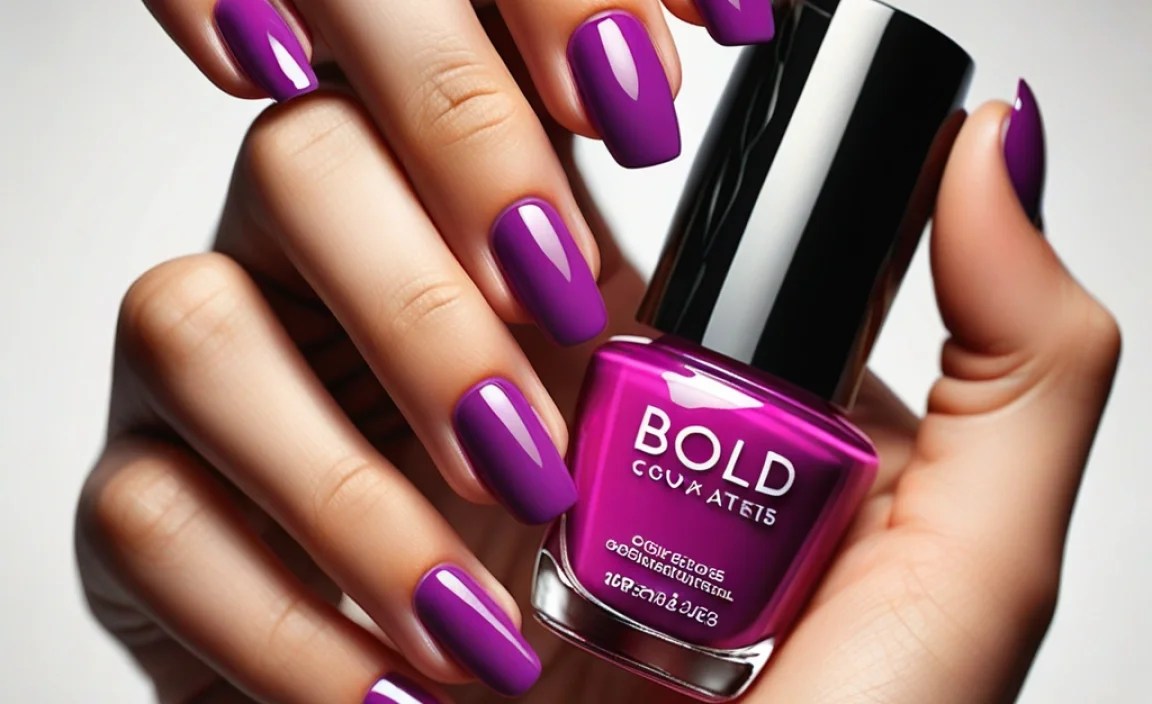
Before we even touch a nail polish bottle, let’s talk about the secret sauce: color theory! It might sound fancy, but it’s actually super simple and incredibly useful for creating those jaw-dropping contrasting looks. Think of it as your visual cheat sheet for picking colors that not only look good together but sing together.
The most common way to achieve bold contrast is through complementary colors. These are colors directly opposite each other on the color wheel. When placed together, they intensify each other, creating a vibrant and dynamic effect. This is your go-to for high-impact designs!
Here’s a quick peek at some popular complementary pairings:
- Red and Green: Think festive, energetic, and classic.
- Blue and Orange: Energetic, warm, and striking.
- Yellow and Purple: Royal, creative, and eye-catching.
- Blue-Green (Teal) and Red-Orange: Rich and sophisticated contrast.
- Yellow-Orange and Blue-Violet: Warm and cool collide beautifully.
Beyond complementary colors, you can also play with:
- Analogous Colors: These are colors next to each other on the color wheel (like blue, blue-green, green). They create a harmonious, less intense contrast, still offering interest without being jarring.
- Triadic Colors: Three colors evenly spaced on the color wheel (like red, yellow, blue). These are vibrant and balanced, offering another dimension of contrast.
- Monochromatic Contrast: Using different shades, tints, and tones of a single color. For example, a deep navy with a pale sky blue creates a subtle yet effective contrast.
Don’t forget about the power of neutrals! Black, white, and gray can make almost any color pop. A bright color against a crisp white or deep black background always makes a statement. This is an easy way for beginners to introduce contrast without needing to master the full color wheel right away.
The Color Wheel Explained Simply
Imagine a circle divided into sections, each representing a different color. This is your color wheel! It’s a tool that artists and designers use to understand how colors relate to each other. For nail art, it’s your best friend for choosing colors that will create the visual impact you desire.
Primary Colors: Red, yellow, and blue. These are the building blocks; you can’t make them by mixing other colors.
Secondary Colors: Green, orange, and purple. These are made by mixing two primary colors (e.g., yellow + blue = green).
Tertiary Colors: Made by mixing a primary and a secondary color (e.g., red + orange = red-orange).
Understanding these relationships helps you pick colors that will either harmonize or create a strong, bold contrast. For our bold contrasting sets, we’re largely focusing on those colors that create the most energetic opposition: the complementary colors.
Neutrals: The Unsung Heroes of Contrast
Sometimes, the most stunning contrast comes from unexpected places. Neutrals like black, white, gray, beige, and even metallics like silver and gold can create incredible depth and interest when paired with brighter or darker shades. A black accent nail on a set of vibrant reds? Stunning. A crisp white French tip on a deep jewel tone? Elegant. These pairings offer a sophisticated way to achieve a bold look without necessarily relying on high-contrast hues.
Essential Tools for Your Bold Contrasting Nail Journey
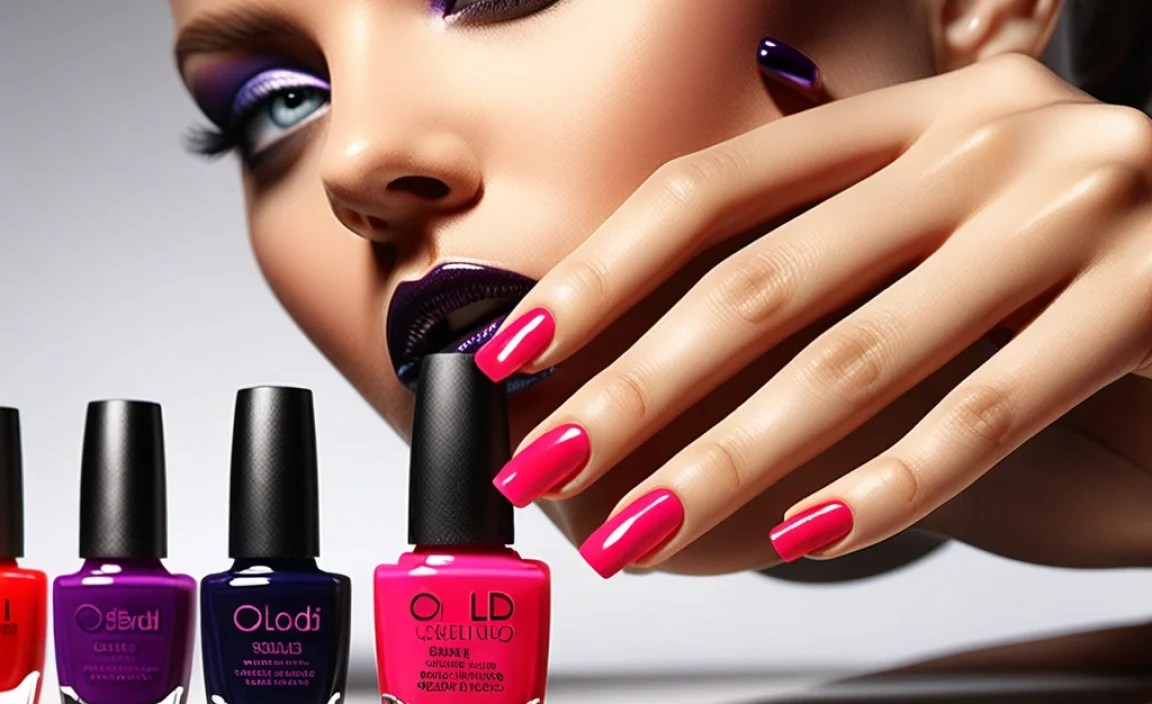
You don’t need a professional salon setup to create fabulous bold contrasting nail sets. A few key tools will make all the difference in achieving that polished, professional look. Think of these as your trusty companions on your nail art adventure!
The Polish Arsenal: What You’ll Need
At the heart of any nail creation is, of course, nail polish! For bold contrasting sets, you’ll want to think about:
- Base Coat: This is crucial! It protects your natural nails from staining (especially important when using dark or vibrant colors) and provides a smooth surface for polish application. Look for a good quality base coat that also helps your polish adhere better.
- Top Coat: Your final step! A good top coat seals in your design, adds incredible shine, and protects against chipping. A quick-dry top coat is a lifesaver for busy bees.
- Your Contrasting Colors: This is where the fun begins! Select at least two colors that you know will create the contrast you desire. Think about the color theory we just discussed. Start with classic combos like black and white, navy and bright pink, or deep teal and coral.
- Nail Polish Remover & Cotton Pads/Balls: For mistakes (they happen!) and clean-up around the cuticles.
Application and Precision Tools
These are the workhorses that help you get clean lines and beautiful finishes.
- Fine-Tipped Nail Art Brushes: If you plan on drawing lines, dots, or intricate patterns, a set of fine-tipped brushes is invaluable. You can find these online or at beauty supply stores. They come in various shapes and sizes, perfect for different designs. For beginners, a single thin liner brush is a great start.
- Dotting Tool: This nifty little tool has a metal ball at the end, perfect for creating perfect dots. They come in various sizes on a single tool, allowing for different dot dimensions. This is fantastic for simple, yet effective patterns on your contrasting colors. You can find these for very affordable prices at most beauty retailers.
- Striping Tape or Nail Stencils: For perfectly straight lines or geometric patterns, striping tape is a game-changer. Apply it to your dried polish, paint over it, and peel it off once dry. Stencils offer pre-made shapes you can use to create designs.
- Cuticle Pusher/Orange Stick: Essential for preparing your nails by gently pushing back cuticles. This gives you a cleaner canvas for your polish.
- Nail Files/Emery Boards: To shape your nails perfectly before you start painting.
- Buffer Block: For smoothing the nail surface before applying polish, ensuring a flawless finish.
| Tool | Description | Why It’s Essential for Contrast |
|---|---|---|
| Base Coat | A clear polish to protect nails and help polish adhere. | Prevents staining from dark/vibrant colors and provides an even base for sharp contrast. |
| Top Coat | A protective, shiny sealant. | Locks in your contrasting design, adds depth to colors, and prevents chipping for a lasting look. |
| Fine-Tipped Brush | Thin brushes for detailed work. | Allows for precise application of contrasting colors to create clean lines, details, or intricate patterns. |
| Dotting Tool | Metal balls for creating dots. | Perfect for adding simple, effective contrasting dots of various sizes to your base color. |
| Striping Tape | Thin, adhesive tape for masking. | Creates razor-sharp geometric lines and clean divides between contrasting colors. |
| Nail Polish Remover | For corrections and clean-up. | Essential for wiping away mistakes and cleaning up the edges for a crisp, professional finish. |
Step-by-Step: Creating Your Bold Contrasting Nail Set
Ready to put your tools to work? Let’s create a stunning bold contrasting nail set! We’ll walk through a simple yet impactful design that’s perfect for beginners: the two-tone with an accent. This allows you to experiment with bold colors and simple techniques to achieve a professional-looking result.
Step 1: Prep Work – The Foundation of Flawless Nails
This is non-negotiable for any great manicure! Good prep ensures your polish lasts longer and looks its best.
- remove old polish: Ensure all traces of previous polish are completely gone using nail polish remover and cotton pads.
- Shape your nails: File your nails to your desired shape. Aim for smooth, even strokes with your file. Avoid sawing back and forth, which can weaken nails. For a clean look, file in one direction.
- Gentle cuticle care: Apply a cuticle remover or a bit of cuticle oil. Gently push back your cuticles with an orange stick or cuticle pusher. Do not cut your cuticles; pushing them back is safer and just as effective.
- buff and clean: Lightly buff your nail surface with a buffer block to create a smooth canvas and remove any natural oils. Wipe your nails with a lint-free cloth or a bit of rubbing alcohol to remove dust and oils.
Pro Tip: Make sure your nails are completely dry before moving to the next step, especially if you used water or remover.
Step 2: Applying the Base and First Color
Now for the color! We’ll start with your primary contrasting shade.
- Apply base coat: Apply one thin, even layer of your base coat. Let it dry completely. This is crucial for nail health and polish longevity.
- Apply your main color: Choose one of your bold colors for your main set. Apply two thin coats of this color to all nails except for your accent nail (e.g., your ring finger).
- First coat: Apply a thin, even coat, leaving a tiny gap near your cuticle to avoid flooding.
- Second coat: Once the first coat is nearly dry, apply a second thin coat. This coat should even out any streaks and provide full opacity.
- Let it dry: Allow ample drying time between coats and before moving on. Rushing this step is a common cause of smudging.
Step 3: Creating the Contrast – Accent Nail Magic
This is where your second bold color comes into play!
- Apply your contrasting color: On your designated accent nail(s), apply two thin coats of your SECOND contrasting polish.
- Ensure full coverage: Just like with your main color, aim for two thin, even coats to get the most vibrant payoff from your contrasting shade.
- Allow to dry: Again, patience is key! Let this color dry thoroughly.
Step 4: Adding Details (Optional, but Encouraged!)
This is where you can get creative and really make your contrasting set pop!
- Pattern Play: If you have striping tape, apply it now over your completely dry accent nail to create geometric designs. Paint a thin line of your main color over the tape, let it dry slightly, then carefully peel off the tape to reveal a crisp contrasting line. You can also use a fine-tipped brush to paint a thin contrasting line along the free edge or cuticle of your main nails.
- Dotting Delight: Use a dotting tool to add small dots of your main color onto the accent nail, or your accent color onto the main nails. Experiment with clusters of dots or a simple row.
- Clean Up: Dip a small art brush or an orange stick wrapped with a tiny piece of cotton into nail polish remover. Carefully trace around your cuticles and the edges of your nails to clean up any polish that went astray. This step makes a HUGE difference in the finished look!
Step 5: The Final Seal – Top Coat Power
You’re almost there! This step locks everything in.
- Apply top coat: Apply one generous, even layer of your top coat over all your nails. Make sure to cap the free edge of your nails by swiping the brush along the tip of your nail. This helps prevent chipping.
- Cure (if applicable): If you’re using a gel top coat, follow the manufacturer’s instructions for curing under an LED or UV lamp.
- Dry completely: This is the final drying stage. Avoid touching anything for at least a few minutes (or longer for non-quick-dry formulas) to prevent smudges.
And voilà! You’ve created a stunning bold contrasting nail set. Doesn’t it feel amazing to see your masterpiece?
Advanced Techniques for the Bold and Fearless
Once you’ve mastered the basics, you might be ready to explore some more dynamic contrasting techniques. These can elevate your nail game from simple to spectacular!
The Ombré Effect with Contrast
Ombré, or gradient, nails are incredibly chic. To create a contrasting ombré, you’ll use two colors that blend from one to another on the same nail. A popular method uses a makeup sponge.
- Prep and base coat as usual.
- Apply the lightest contrasting color to your nail. Let it dry.
- Apply your two contrasting colors side-by-side onto a makeup sponge. Or, apply one color to half the sponge and the other color to the other half.
- Dab the sponge onto your nail. Repeat this pressing motion, re-applying polish to the sponge as needed, until you achieve a smooth gradient.
