For gorgeous, salon-worthy nail art at home, the best nail art tools for home use include dotting tools, striping brushes, detail brushes, striping tape, dotting discs, and a good quality topcoat. These essentials allow for creativity without a huge investment, making DIY nail art accessible and fun for everyone.
Ready to elevate your at-home manicures from simple polish to stunning works of art? If you’ve ever admired intricate nail designs and thought, “I could never do that myself,” I’m here to tell you that you absolutely can! Many beginner-friendly nail art techniques require just a few key tools, and with a little practice, you’ll be creating beautiful looks that wow. We’ll walk through the must-have items that will transform your nail game.
This guide is designed to make starting your nail art journey exciting and easy. We’ll break down exactly what you need, why you need it, and how to use it. Get ready to unleash your inner artist and give your nails the fabulous makeover they deserve!
Unleashing Your Inner Nail Artist: Why the Right Tools Matter

Nail art can seem intimidating with all the tiny details and precise lines you see online. But the secret isn’t magic; it’s the right equipment! Having the best nail art tools for home use makes a world of difference. They help you achieve clean lines, perfect dots, and intricate patterns that would be nearly impossible with just a regular polish brush.
Think of it like this: could you paint a masterpiece with just a thick house-painting brush? Probably not! Nail art requires precision, and specialized tools are designed for just that. They give you control, making the creative process smoother and more enjoyable. Plus, investing in a few key pieces means you don’t need to spend a fortune at the salon to get gorgeous, custom nails.
Essential Nail Art Tools for Beginners: Your Must-Have Kit
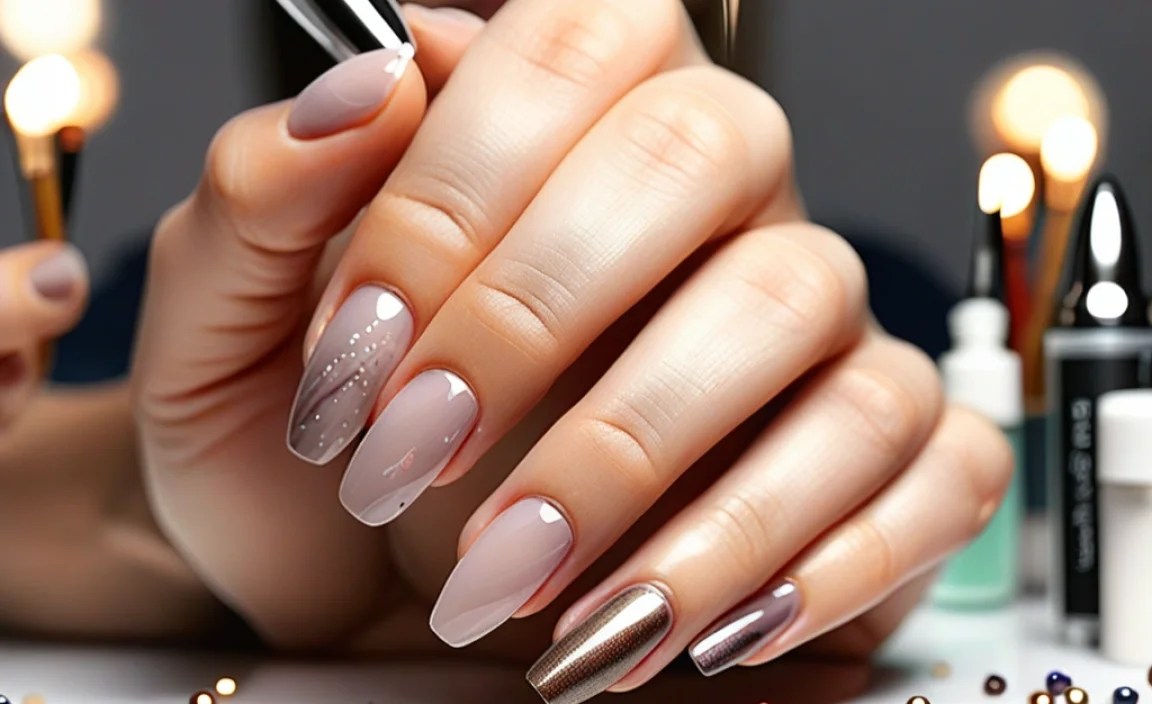
Let’s get down to business and talk about the tools that will become your new best friends for nail art. You don’t need a massive collection to start. A few versatile items will open up a world of creative possibilities. Here’s your starter pack:
1. Dotting Tools: For Perfect Polka Dots and More!
These are probably the most versatile and beginner-friendly tools you can get. Dotting tools consist of small metal balls of various sizes attached to a handle. They are perfect for creating consistent, clean dots in any size you want!
- How to Use: Dip the metal ball into a bit of polish and then gently press it onto your nail. Experiment with different sizes to create patterns like polka dots, flower centers, or even tiny hearts.
- Why They’re Great: They offer much more control than using the tip of a regular polish brush, preventing blobs and uneven dots.
- Beyond Dots: You can also use them to create swirly lines or small flower petals by making small dabs next to each other.
2. Striping Brushes: For Lines, Curves, and Fine Details
Striping brushes are exactly what they sound like – brushes designed to help you create fine lines. They come in various lengths, but for beginners, a medium-length one is a great starting point.
- How to Use: Load the brush with polish (you might want to thin it slightly with a nail art solution for better flow). Gently glide the brush across your nail to create stripes. You can make them straight, curved, or even zig-zag.
- Why They’re Great: They allow for much finer and more controlled lines than a standard brush, making it easy to create French tips, geometric patterns, or accent lines.
- Tip: For the cleanest lines, ensure you have a steady hand and don’t overload the brush with polish.
3. Detail Brushes: For Intricate Designs and Cleanup
Detail brushes are typically smaller than striping brushes and have finer tips, often with slightly stiffer bristles. They are indispensable for intricate designs and essential for tidying up mistakes.
- How to Use: Use them for drawing delicate patterns, tiny stars, outlines, or filling in small areas. They are also crucial for cleanup. Dip a fine-tipped brush in nail polish remover to carefully swipe away any polish that got onto your skin or cuticles.
- Why They’re Great: Their fine tips allow for a high level of detail and precision, making “freehand” drawing on your nails much more achievable.
- Versatility: Look for brushes with different tip shapes (round, flat, angled) as you advance, but a fine-pointed round brush is perfect to start.
4. Striping Tape: For Crisp, Clean Lines
Nail art striping tape is thin, self-adhesive tape that comes in rolls, often in metallic finishes like gold, silver, or rose gold, but also in various colors. It’s a game-changer for creating sharp, perfect lines and geometric patterns.
- How to Use: Apply a dry, fully cured layer of polish. Carefully lay down a strip of tape where you want a line or separation. Paint over the tape with your next color. Once the new color is slightly tacky (not fully dry), carefully peel off the tape.
- Why They’re Great: It guarantees salon-perfect straight lines without freehand skill. It’s a fantastic shortcut for complex-looking designs.
- Pro-Tip: Ensure the base color is completely dry before applying the tape to prevent lifting. Press down the edges of the tape firmly to avoid polish bleeding underneath. You can buy high-quality striping tape from brands like Madam Glam or OPI.
5. Dotting Disc or Palette: Your Polish Playground
While you can use a spare piece of paper or plastic, a dedicated dotting disc or palette is a small, smooth surface designed for holding and mixing small amounts of nail polish or gel. They often have small indentations perfect for holding a single dot of polish.
- How to Use: Apply a small amount of polish onto the disc/palette. Dip your dotting tool or brush into the polish from the palette. This keeps your main polish bottles clean and allows you to easily access small amounts of color for detail work.
- Why They’re Great: They help prevent your main polish bottles from getting messy and allow you to easily mix custom shades or have multiple colors ready to go.
- Alternatives: A small piece of foil, a smooth tile, or even a plastic lid can work in a pinch.
6. A Good Quality Topcoat: The Grand Finale
Don’t underestimate the power of a great topcoat! It’s not just for shine; it seals your nail art, preventing chipping and smudging, and makes your design pop.
- How to Use: Apply one thin, even layer over your complete nail art design once it has dried for a few minutes (or as directed).
- Why It’s Crucial: A good topcoat will make your manicure last longer and give it that professional, glossy finish. Some topcoats even add a gel-like thickness without needing a UV lamp.
- Look For: Quick-drying formulas are a lifesaver for busy people. Brands like Seche Vite, Glisten & Glow, or Essie Good to Go are popular choices for their performance.
Beyond the Basics: Tools for Taking Your Nail Art Further

Once you’ve mastered the fundamentals, these tools can help you explore more advanced techniques and create even more incredible designs.
1. Fine-Liner Brushes
These are even finer than standard striping brushes, with super-thin bristles. They are perfect for drawing extremely delicate lines, intricate details, script, or tiny embellishments. Think delicate lace patterns or wispy calligraphy.
2. Angled Brushes
With a slanted tip, these brushes are fantastic for creating clean, sharp angles. They are great for geometric designs, shading effects, or drawing clean French tips with a different flair.
3. Stamper and Stamping Plates
Nail stamping is an amazing technique for achieving complex patterns quickly. A stamper is a silicone head on a handle that picks up designs from a metal plate etched with various images. You paint polish into the etching, scrape off the excess, and stamp the design onto your nail.
- How to Use: Apply polish onto an etched design on the plate. Use a scraper card to remove excess polish and fill the etching. Immediately roll the stamper over the design to pick it up. Then, roll the stamper onto your nail.
- Why It’s Great: It allows you to replicate intricate designs consistently without freehand skill. Brands like Konad, Born Pretty, and UberChic offer a vast array of plates.
- Helpful Tip: Work quickly and practice your “stamping roll” for the best transfer.
4. 3D Nail Art Tools
These tools are for creating raised designs. They often involve small sculpting tips or metal instruments used to carefully place rhinestones, beads, or other 3D embellishments onto the nail.
5. Nail Art Pens
Similar to paint pens, these come with a fine tip and pre-filled polish in various colors. They are incredibly easy to use for drawing simple designs, dots, or even writing words directly onto the nail. They offer great control for beginners who might struggle with polish bottles.
Choosing Your Tools: Quality Over Quantity
When you’re starting out, it’s tempting to buy a huge, cheap kit with dozens of items. However, investing in a few high-quality tools will serve you much better in the long run. Here’s what to consider:
- Brush Bristles: For brushes, look for synthetic bristles that are firm enough to hold their shape but flexible enough for delicate work. They shouldn’t fray easily.
- Handle Comfort: Ensure the handles are comfortable to grip. You’ll be holding them for extended periods, so ergonomic designs are a plus.
- Material: Metal-tipped dotting tools should be stainless steel. For brushes, good quality synthetics are key.
- Reviews: Always check reviews from other nail art enthusiasts. They can offer valuable insights into a tool’s durability and performance.
You can find excellent nail art tools from various brands. For instance, Essie offers good quality brushes and accessories, while professional brands like OPI also have lines catering to nail art. For more specialized items like stamping plates and unique brushes, brands like Born Pretty and Madam Glam are popular choices. Reputable online beauty supply stores are also great places to look.
Caring for Your Nail Art Tools: Making Them Last
Just like any other art supplies, your nail art tools need good care to perform at their best. This is crucial, especially for brushes, to prevent them from drying out or getting clogged with polish.
Brush Care:
- Clean Immediately: The most important step! After each use, clean your brushes thoroughly.
- What to Use: Use acetone-free nail polish remover or a dedicated brush cleaner. Swirl the brush in the remover until all polish is gone.
- Shaping: Gently reshape the bristles with your fingers after cleaning.
- Drying: Lay brushes flat or store them upright with the bristles facing up to prevent damage and maintain shape. Never store them bristle-down.
- Deep Cleaning: Occasionally, you might need to use a bit ofopropyl alcohol (IPA) (check sources like EPA for more info on its uses) if polish has hardened, but do this sparingly to avoid drying out the bristles.
Dotting Tools & Other Accessories:
- Wipe Clean: Simply wipe the metal balls of dotting tools clean with nail polish remover and a lint-free wipe after each use.
- Storage: Keep them in a dry, clean place. A dedicated pouch or case is ideal to prevent loss or damage.
- Striping Tape: Store rolls in a cool, dry place away from direct sunlight to maintain their stickiness and prevent drying out.
Proper care ensures your tools are always ready for your next creative session and helps them last for ages, making your investment worthwhile.
Troubleshooting Common Nail Art Tool Issues
Even with the best tools, you might encounter a few hiccups. Here’s how to address them:
Issue: Brushes are Fraying or Stiff
Solution: This usually means they weren’t cleaned properly, or polish has dried on the bristles. Try to clean them thoroughly with brush cleaner. If they are old and beyond repair, it might be time to replace them. Consider investing in brushes from reputable brands known for durability.
Issue: Polish isn’t flowing well from the brush/tool
Solution:
- Polish might be too old or too thick. Try adding a drop or two of nail art thinner (like from INM or Seche Restore) to your polish.
- Ensure your brushes are clean and not overloaded.
- For striping tape, make sure the polish you’re painting over it is dry enough to not lift, but not so dry that it creates a bumpy surface under the tape.
Issue: Lines are wobbly or dots are uneven
Solution:
- Steady Your Hand: Rest your pinky finger on the table or your other hand for stability.
- Practice: This is normal for beginners! The more you practice, the steadier your hand will become.
- Polish Consistency: Ensure your polish isn’t too thin or too thick.
- Tool Choice: For lines, try a slightly thicker striping brush. For dots, experiment with different sized dotting tool heads.
Issue: Polish bleeds under striping tape
Solution:
- Ensure your base color is completely dry before applying the tape.
- Press down the edges of the striping tape firmly onto the nail.
- When peeling off the tape, do it when the top color is tacky, not fully dry or completely wet.
Quick Comparison of Essential Nail Art Tools
Here’s a handy table summarizing the core tools and their primary uses:
| Tool | Primary Use | Beginner Friendliness | Key Benefit |
|---|---|---|---|
| Dotting Tools | Creating dots, small flowers, simple patterns. | Very High | Consistent dots of various sizes. |
| Striping Brushes | Drawing lines, curves, borders, thin details. | High | Precise, controlled lines. |
| Detail Brushes | Intricate designs, fine lines, cleanup around cuticle. | Medium | Fine detail work and error correction. |
| Striping Tape | Creating sharp, clean lines and geometric designs. | High | Perfect, crisp lines without freehand skill. |
| Dotting Disc/Palette | Holding small amounts of polish for detail work. | Very High | Keeps main bottles clean; easy color access. |
| Good Topcoat | Sealing and protecting nail art, adding shine. | Very High | Longevity and professional finish to designs. |
Frequently Asked Questions About Nail Art Tools
What are the absolute must-have nail art tools for a beginner?
For a beginner, the absolute must-haves are dotting tools (for dots and simple designs), striping brushes (for lines), and a good quality topcoat. Striping tape is also incredibly helpful for creating clean lines.
Can I use regular makeup brushes for nail art?
While some very fine-tipped makeup brushes might work in a pinch for very specific details or cleanup, they are generally not ideal. Makeup brushes are designed for different textures and purposes. Nail art brushes have specific bristle types and shapes for precision with polish and gels.
How do I clean nail art brushes without damaging them?
Clean them immediately after use with acetone-free nail polish remover or a specialized brush cleaner. Swirl gently until all polish is gone, reshape the bristles, and let them air dry flat or bristle-up. Avoid harsh solvents if possible.
Where is the best place to buy nail art tools?
You can find great options at beauty supply stores (like Sally Beauty), online retailers (like Amazon, AliExpress, Etsy), and directly from nail polish brand websites. For specialized tools, sites dedicated to nail art supplies are excellent sources.
