Best keywords for nail design blogs help your amazing tutorials and stylish ideas get seen by more fellow nail lovers. Focusing on the right words means more readers discover your awesome content, making your blog a go-to spot for all things nails!
Hey nail besties! Are you pouring your heart into breathtaking nail designs, intricate tutorials, and helpful tips, only to feel like no one’s finding them? It’s super frustrating when your passion for nail art doesn’t connect with the people who’d adore it most. The good news is, there’s a simple secret to unlocking your blog’s hidden potential: using the best keywords. Think of keywords as the magic words that help search engines like Google understand what your amazing content is all about.
Ready to transform your blog from a hidden gem into a recognized nail haven? Let’s dive into how to pick the perfect keywords so your creative genius shines!
Why Keywords Matter for Your Nail Design Blog

Imagine you’ve created the most stunning step-by-step guide to galaxy nails, complete with gorgeous photos and easy-to-follow instructions. If you haven’t used the right keywords, how will someone searching for “easy galaxy nail art” or “DIY space nails” ever find your masterpiece?
Keywords are essentially the search terms people type into Google when they’re looking for information. By understanding and using these terms in your blog posts, you’re signaling to Google that your content is exactly what those people are searching for.
Think of it like this:
You have a treasure: Your nail design content.
Search engines are explorers: They want to find treasure.
Keywords are the treasure map: They guide the explorers to your specific treasure.
Without the right “map” (keywords), your treasure remains undiscovered. Using them strategically helps:
Increase Visibility: More people see your blog in search results.
Attract the Right Audience: You connect with readers genuinely interested in nail art.
Boost Traffic: More visitors mean more eyes on your designs and tips.
Establish Authority: Consistently great content with smart keywords positions you as a nail expert.
Unlocking the Treasure Chest: Keyword Research for Nail Designs

Finding the best keywords isn’t about guessing. It’s about research! We want to discover what terms your target audience is actually using.
Understanding Your Audience: Who Are You Talking To?
Before picking keywords, let’s get cozy with your ideal reader. Are they:
Total Beginners? They’ll search for terms like “easy nail art ideas,” “how to do gel nails at home,” or “best nail strengthener for weak nails.”
Trendy Manicure Seekers? They might look for “latest nail trends 2024,” “chrome nails tutorial,” or “French tip nail designs.”
DIY Enthusiasts? They’ll be after “DIY nail polish recipes,” “how to make stencils for nails,” or “best tools for nail art at home.”
Busy Bees? They need “quick nail designs for work,” “5-minute manicures,” or “long-lasting nail polish.”
Knowing your audience helps you tailor your keyword strategy.
Types of Keywords to Consider
Not all keywords are created equal. We can categorize them to build a robust strategy:
1. Short-Tail Keywords (Broad)
These are usually one or two words. They have high search volume but are also very competitive.
Examples: “Nail art,” “Manicure,” “Nail designs.”
While useful, they’re hard for new blogs to rank for. Think of them as the main categories.
2. Mid-Tail Keywords (More Specific)
These are two to three words and start to get a little more focused.
Examples: “Gel nail designs,” “Easy nail art,” “Nail art tutorials.”
These offer a good balance of search volume and specificity.
3. Long-Tail Keywords (Very Specific)
These are typically three or more words. They have lower search volume but are incredibly valuable because the searcher knows exactly what they want. This means higher conversion rates and less competition initially.
Examples: “How to do simple floral nail art step by step,” “Best matte nail polish for short nails,” “DIY cuticle oil recipe for dry cuticles.”
Long-tail keywords are often your best friend when you’re starting out!
4. LSI Keywords (Latent Semantic Indexing)
These are related terms that search engines understand are connected to your main keyword. They help Google understand the context of your content. For example, if your main keyword is “French tips,” LSI keywords might include “classic manicure,” “white nail polish,” “nail bed,” “elegant nails,” or “nail salon.”
Brainstorming Your Initial Keyword Ideas
Let’s get those creative juices flowing! Start by jotting down every single term you can think of related to nail design.
Your Niche: What kind of nail art do you focus on? (e.g., minimalist, bold, seasonal, abstract).
Specific Designs: What designs do you create? (e.g., floral, geometric, ombre, galaxy, animal print).
Techniques: What methods do you use? (e.g., stamping, freehand, gel, dip powder, acrylic).
Tools & Products: What do you use? (e.g., nail polish, top coat, cuticle oil, nail brushes, dotting tools, UV lamp).
Problem/Solution: What problems do your posts solve? (e.g., chipped polish, weak nails, how to make polish last).
Audience Needs: What are your readers looking for? (e.g., quick, easy, professional, budget-friendly).
Revealing the Best Keywords for Nail Design Blogs

Now, let’s get specific! Here are high-impact keyword categories and examples perfect for nail design blogs, broken down for clarity.
1. Core Nail Design & Art Keywords
These are your foundational terms.
Nail Art: The most general term.
Nail Designs: Slightly more specific, implying visual creations.
Manicure Ideas: Broad, but good for inspiration-focused content.
DIY Nail Art: Great for tutorials and at-home guides.
Creative Nail Designs: Positions your content as unique.
2. Tutorial & How-To Keywords
These are gold for step-by-step content.
How to do [nail design]: (e.g., “how to do marble nails”)
[Nail design] tutorial: (e.g., “galaxy nail art tutorial”)
Step-by-step [nail design]: (e.g., “step by step floral nails”)
Easy [nail design] for beginners: (e.g., “easy ombre nails for beginners”)
Simple nail art tutorials: For quick and basic designs.
DIY manicure tutorial: Covers the whole process.
3. Trend & Seasonal Keywords
Tap into what’s hot right now!
[Year] nail trends: (e.g., “2024 nail trends”)
Summer nail designs: (e.g., “summer nail ideas”)
Fall nail art: (e.g., “fall manicures”)
Holiday nail designs: (e.g., “Christmas nail art,” “Valentine’s Day nails”)
Trending nail colors: (e.g., “Pantone color of the year nails”)
Popular nail styles: (e.g., “popular manicure styles”)
4. Specific Design & Technique Keywords
Get granular with what you offer.
French tip nails: Classic and always popular.
Ombre nails: A beloved technique.
Chrome nails: A huge trend.
Glitter nails: Always a festive choice.
Marble nail art: Elegant and achievable.
Floral nail designs: Timeless.
Geometric nail art: Modern and chic.
Minimalist nail art: For understated elegance.
Abstract nail designs: For the artistic soul.
Stamping nail art: For intricate patterns made easy.
Dotting tool nail art: For precise details.
5. Nail Care & Tool Keywords
Don’t forget the foundation and the tools!
Nail care tips: For healthy nails.
How to strengthen nails: A common concern.
Cuticle care: Essential for a good manicure.
Best nail polish brands: For product reviews.
Nail tech tools: For those interested in equipment.
Gel nail at home: For specific at-home manicures.
Dip powder nails tutorial: For another popular method.
6. Problem/Solution & Benefit Keywords
Address your readers’ pain points.
How to stop nail biting: A common issue.
Nail chipping solutions: Help polish last longer.
Quick manicures for busy women: Speed and convenience.
Affordable nail art ideas: Sticking to a budget.
Long-lasting nail polish: For durability.
Keyword Pairing: The Power of Combinations

The real magic happens when you combine these types of keywords. This is where long-tail keywords shine!
Example:
Short-tail: “Nail art”
Mid-tail: “Easy nail art”
Long-tail: “Easy floral nail art for beginners with dotting tools”
See how much more specific the long-tail keyword is? When someone searches that, they know they want something floral, easy, for beginners, and they’re open to using dotting tools. If your blog post perfectly matches that, you’ve got a highly engaged visitor!
Keyword Research Tools: Your Digital magnifying Glass

While brainstorming is crucial, using tools can uncover hidden gems and validate your ideas.
Free Tools to Get You Started
Google Search Bar Autocomplete: Start typing a keyword into Google, and see what suggestions pop up. These are based on what people are frequently searching!
Google “People Also Ask” Section: When you search for a topic, Google often shows a “People Also Ask” box with related questions. These are fantastic keyword ideas.
Google “Related Searches” Section: At the bottom of the search results page, Google lists “Related searches.”
AnswerThePublic: Enter a keyword, and this tool visualizes questions, prepositions, and comparisons people are asking around that topic. It’s brilliant for understanding user intent.
Ubersuggest (Limited Free Version): Offers keyword suggestions, search volume, and competition data.
Paid Tools for Deeper Dives (Optional)
If you get serious about your blog’s growth, consider tools like:
Ahrefs
SEMrush
Moz Keyword Explorer
These offer comprehensive data on keyword difficulty, search volume, and competitor analysis.
Implementing Keywords Like a Pro (Without Being Technical)
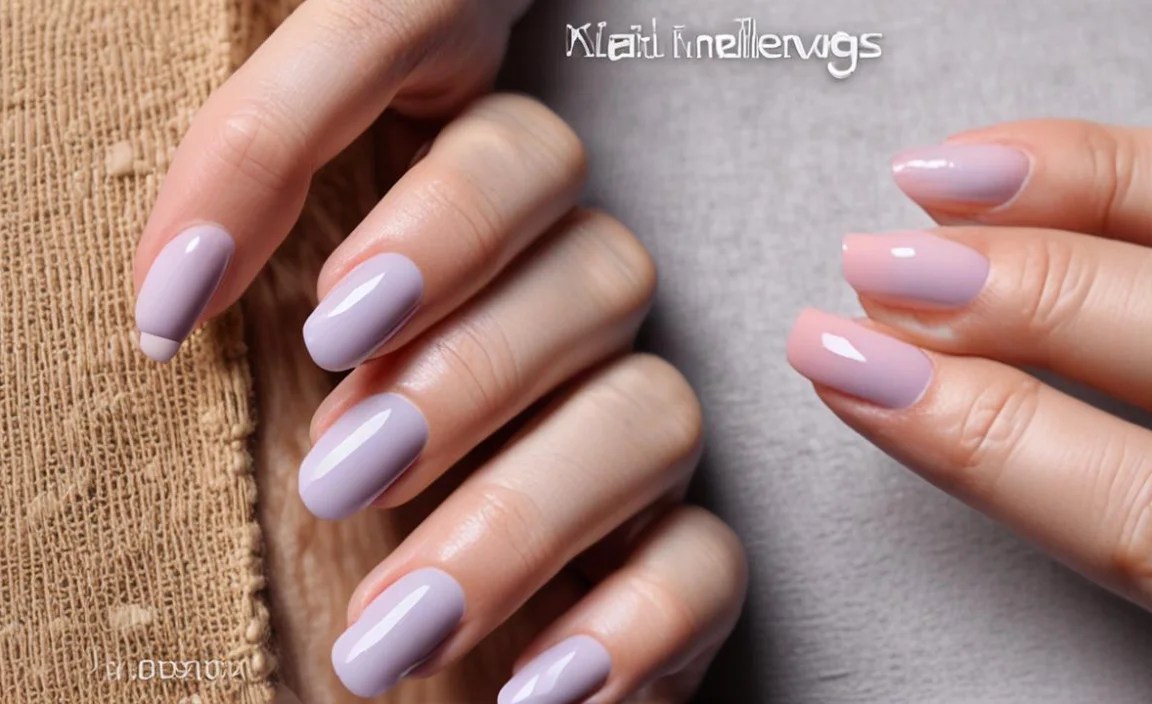
You’ve found your keywords. Now, how do you weave them into your content naturally?
1. In Your Title (H1)
Your main blog post title should ideally include your primary keyword.
Example: “Best Keywords for Nail Design Blogs: Revealed” (This is our main keyword and title!)
Example: “Easy Ombre Nails: A Beginner’s Step-by-Step Tutorial”
2. In Your Headings (H2, H3)
Use keywords and their variations in subheadings to structure your content and signal relevance to search engines.
Example H2: “Understanding Keyword Types for Nail Art”
Example H3: “Focusing on Long-Tail Keywords for New Blogs”
3. In Your Content Body
Sprinkle your keywords naturally throughout your paragraphs. Don’t stuff them in! Write for your readers first. Search engines are smart enough to understand context.
Mention “gel nail designs” a few times if that’s your topic, but also use related terms like “at-home gel manicures” or “UV lamp nail art.”
4. In Your Image Alt Text
When you upload an image, there’s a field for “alt text.” Describe your image using keywords. This helps with image search and accessibility.
Example Alt Text: “Stunning marble nail art with gold accents and a glossy finish.”
5. In Your Meta Description
This is the short snippet that appears under your title in search results. It should be enticing and include your main keyword.
Example Meta Description: “Discover the best keywords for nail design blogs to boost your traffic! Learn how to find and use effective terms for tutorials and design ideas.”
Keyword Mapping: Organize Your Brilliance

To avoid overwhelming yourself or creating content that competes with itself, it’s helpful to map out your keywords.
How to do it:
1. List Your Content Ideas: What blog posts do you want to write?
2. Assign Primary & Secondary Keywords: For each idea, pick one main keyword (primary) and a few related terms (secondary/LSI).
3. Check for Overlap: Ensure you aren’t trying to rank for the exact same set of keywords with multiple posts. If two topics are very similar, consolidate them or clearly differentiate their focus.
For example, you might have:
| Blog Post Idea | Primary Keyword | Secondary Keywords |
| Basic French Tip Tutorial | “French tip nail tutorial” | “classic manicure,” “white and pink nails,” “easy french tips” |
| Summer Floral Designs | “Summer floral nail art” | “floral manicure,” “bright nail designs,” “spring nail art,” “DIY flower nails” |
| Gel Nails at Home Guide | “Gel nails at home for beginners” | “DIY gel manicure,” “how to apply gel polish,” “UV lamp nails” |
| Nail Strengthening Routine | “How to strengthen natural nails” | “grow nails faster,” “weak nail solutions,” “nail care routine” |
| Chrome Nail Trends | “Latest chrome nail trends” | “mirror nails,” “metallic manicure,” “nail trends 2024” |
This table helps you see which keywords you’re targeting and organize your content calendar effectively.
Frequently Asked Questions (FAQ) About Nail Design Keywords
Q1: What are “keywords” in blogging?
Keywords are the words and phrases people type into search engines like Google to find information. For your nail design blog, they are the terms someone uses when searching for manicure ideas, tutorials, or nail care tips.
Q2: How do I know if a keyword is “good”?
A “good” keyword has a decent amount of people searching for it (search volume) and isn’t so competitive that your new blog can’t realistically rank for it (keyword difficulty). Long-tail keywords (3+ words) are often excellent for beginners because they are more specific and less competitive.
Q3: Should I use keywords in every sentence?
No! Never “stuff” keywords. Write naturally for your readers first. Search engines are smart and can understand context. Sprinkle keywords where they make sense and use variations of your main terms.
Q4: How often should I update my keywords?
Keep an eye on trends! Nail art trends change, so you’ll want to incorporate new, trending keywords seasonally or as new styles emerge. General keywords like “nail art tutorial” remain relevant over time.
Q5: What’s the difference between short-tail and long-tail keywords?
Short-tail keywords are broad (e.g., “nail polish”) and have high search volume but are very competitive. Long-tail keywords are specific (e.g., “best cruelty-free matte nail polish for sensitive cuticles”), have lower search volume, but attract very targeted readers who know exactly what they want.
Q6: Can I use keywords from my favorite nail influencers?
Yes, observing what successful influencers and bloggers write about can give you ideas for keywords. However, always aim for your own unique angle and ensure the keywords fit your specific content and audience.
Staying Ahead: Monitoring Your Keyword Performance
Once you’ve published your awesome content with strategically placed keywords, your work isn’t quite done! It’s smart to check how your keywords are performing.
Google Analytics: This free tool from Google shows you which pages are getting traffic and where that traffic is coming from.
Google Search Console: Another free tool that tells you which keywords people are using to find your site directly in Google Search results. It also alerts you to any technical issues.
Regularly checking these will help you understand what’s working, what’s not, and where new keyword opportunities might lie. You might discover that a keyword you thought would be popular isn’t performing, but a related one is absolutely booming! This data is invaluable for refining your strategy.
Conclusion: Your Keywords, Your Confidence Boost
Learning about keywords might seem a little technical at first, but it’s truly one of the most impactful ways to get your incredible nail art and advice seen. By understanding what your audience is searching for and using those terms naturally in your blog posts, you’re paving the way for more readers to discover your passion.
Remember to start with a clear idea of your audience, brainstorm broadly, and then refine your choices using keyword research. Focus on long-tail keywords, integrate them thoughtfully into your titles, headings, and content, and don’t forget your images!
Keep creating those stunning designs and sharing your knowledge. With the right keywords as your guide, your nail design blog is set to shine.
max-width: 150px;
}
@media screen and (max-width: 480px) {
max-width: initial;
}
;
}
