Get gorgeous autumn leaf inspired nails with easy-to-follow tips! This guide helps beginners create beautiful fall manicures using fall colors, simple techniques, and essential tools for a stylish, seasonal look.
The air is crisp, the sweaters are cozy, and the world is painted in stunning shades of red, orange, and gold. What better way to celebrate the magic of fall than by bringing those beautiful autumn leaves right to your fingertips? Autumn leaf inspired nails are the perfect way to add a touch of seasonal flair to your style. Don’t worry if you’re new to nail art; this guide will make creating these lovely looks simple and fun! We’ll walk you through everything you need, from colors to tools and easy techniques, so you can rock your own DIY fall manicure with confidence.
Why We Love Autumn Leaf Nails
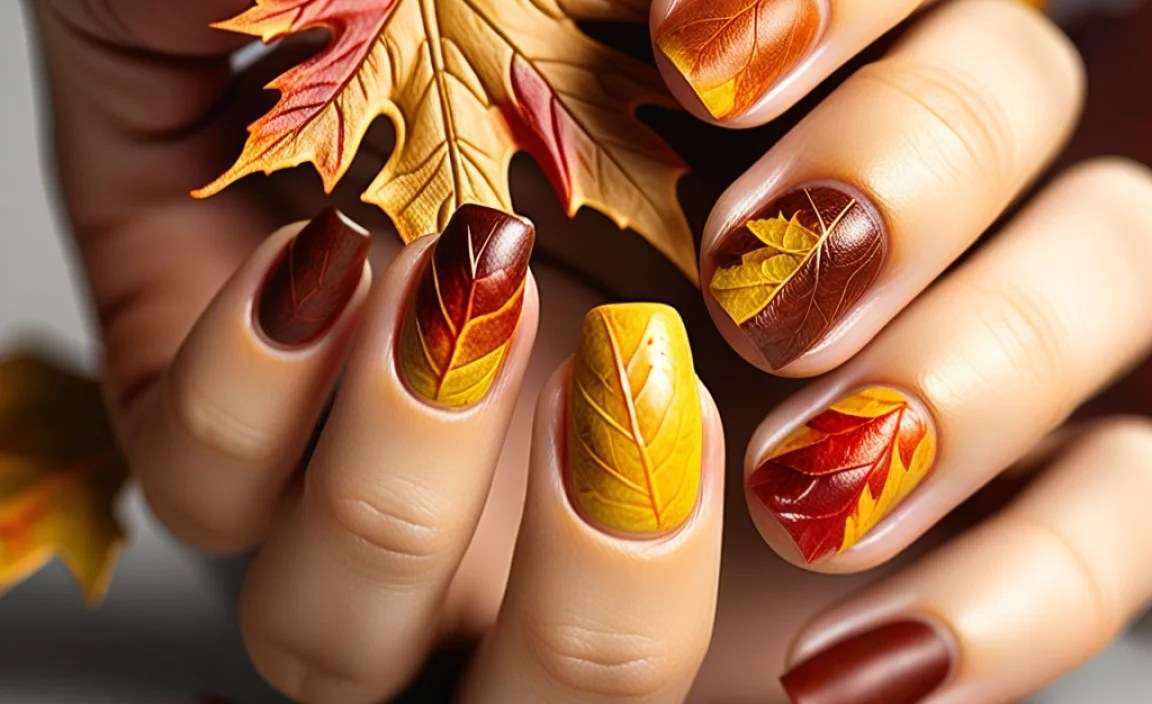
Autumn is a season of warmth, comfort, and stunning natural beauty. The fiery reds, burnt oranges, golden yellows, and deep browns of falling leaves offer an endless color palette for creative nail art. These colors evoke feelings of coziness and transition, making them perfect for the fall months. Autumn leaf inspired nails are incredibly versatile, allowing for a wide range of designs, from subtle ombrés mimicking a sunset to intricate leaf patterns. They’re a fantastic way to express your personal style and embrace the season’s charm. Plus, they’re surprisingly easy for beginners to achieve, offering a rewarding DIY experience.
Essential Tools for Your Autumn Leaf Manicure

Before we dive into the fun part of creating designs, let’s gather our supplies. Having the right tools makes all the difference when you’re aiming for that polished, professional look, even at home. Don’t feel overwhelmed; many of these are basic nail care items you might already have.
Here’s a quick rundown of what you’ll need:
- Base Coat: This protects your natural nails and helps your polish last longer.
- Top Coat: Seals your design and adds a glossy shine, preventing chips.
- Nail Polish in Fall Colors: Think shades like deep reds, burnt oranges, mustard yellows, olive greens, chocolate browns, and creamy beiges.
- Dotting Tools: These come with different-sized metal balls at the end, perfect for creating dots, leaf veins, or small accents.
- Thin Nail Art Brush: Essential for drawing delicate lines, leaf outlines, or adding fine details.
- Sponge (Cosmetic or Nail Art Sponge): Great for creating gradient or ombré effects that mimic the blended colors of fall leaves.
- Nail Polish Remover and Cotton Pads: For cleaning up mistakes and preparing nails.
- Cuticle Pusher/Orange Stick: To gently push back your cuticles before painting for a cleaner look.
- Optional: Glitter Top Coat: For a touch of sparkle, like sunlight on fallen leaves!
Autumn Leaf Inspired Nail Designs: A Beginner’s Guide

Creating beautiful autumn leaf nails doesn’t have to be complicated. We’ll cover a few simple techniques that look impressive but are totally achievable for anyone, even if you’re just starting out with nail art.
1. The Gradient Leaf Ombré
This technique is all about blending colors, just like the beautiful transitions you see on autumn leaves. It looks sophisticated but is surprisingly easy using a sponge.
What You Need:
- Base Coat
- 2-3 Fall-colored nail polishes (e.g., yellow, orange, red)
- Cosmetic sponge (a makeup sponge works perfectly!)
- Top Coat
- Paper plate or wax paper
Steps:
- Prep Your Nails: Apply your base coat and let it dry completely.
- Apply First Color: Paint your chosen base color (like a muted beige or deep brown) on all nails and let it dry thoroughly. This will be the background.
- Prepare the Gradient: On your paper plate or wax paper, paint a few stripes of your fall colors next to each other. For example, yellow, then orange, then red.
- Sponge the Colors: Gently dab your sponge directly onto the polish stripes on the plate. You want to pick up a bit of each color.
- Transfer to Nails: Lightly and quickly dab the sponge onto your nail. You can bounce it gently to blend the colors. Repeat dabbing until you achieve the desired blend. The sponge will pick up the colors and transfer them onto your nail in a gradient effect.
- Clean Up: Use a small brush dipped in nail polish remover to clean up any polish on your skin around the nail.
- Add Leaf Details (Optional): Once the ombré is dry, use a thin nail art brush and a contrasting color (like brown or dark red) to paint a simple leaf outline or a few veins on one or two nails.
- Seal It: Apply a generous layer of top coat to seal the design and add shine.
2. Simple Leaf Stamp or Decal
Sometimes, the easiest way to get intricate designs is to use a helper! Stamping or decals are fantastic shortcuts for stunning nail art.
What You Need:
- Base Coat
- A neutral or solid fall color polish
- Leaf nail stickers, water decals, or a stamping plate with leaf designs
- Top Coat
- If using stamping: Stamper, scraper, and a metal stamping plate with leaf patterns.
Steps (for Stickers/Decals):
- Prep and Polish: Apply base coat, then apply your chosen solid nail polish color (like a creamy beige or deep forest green) to all nails and let it dry completely.
- Apply Decal/Sticker:
- For Stickers: Carefully peel a leaf sticker and place it onto your dried nail polish. Gently press it down to ensure all edges are adhered.
- For Water Decals: Cut out the desired leaf decal. Dip it in water for 15-30 seconds. Gently slide the decal from the backing paper onto your nail. Press to remove air bubbles.
- Seal: Apply a thin layer of top coat over the entire nail, making sure to cap the edges of the sticker or decal to prevent it from peeling.
Steps (for Stamping):
- Prep and Polish: Apply base coat and a solid color polish. Let it dry completely.
- Apply Stamping Polish: Apply a contrasting stamping polish (like brown, red, or gold) to the leaf image on your stamping plate.
- Scrape: Hold the scraper at a 45-degree angle and quickly scrape off the excess polish.
- Stamp: Immediately roll the stamper across the plate to pick up the design.
- Transfer: Gently roll the stamper onto your nail, transferring the leaf design.
- Clean Up: Use a brush with polish remover to clean any stray marks.
- Seal: Apply top coat to protect your stamped design.
3. The “Falling Leaves” Scattered Design
This design is all about creating a whimsical feel, like leaves gently falling onto your nails. It’s super forgiving and looks effortlessly chic.
What You Need:
- Base Coat
- A muted, earthy base color (e.g., taupe, light brown, dusty rose)
- A few accent colors for leaves (e.g., deep red, burnt orange, mustard yellow)
- Thin nail art brush or dotting tool
- Top Coat
Steps:
- Prep and Base: Apply base coat. Paint all nails with your chosen muted base color and let it dry completely.
- Create Scattered Leaves: Using your thin brush or the tip of a dotting tool, lightly dab small leaf shapes or irregular dots in your accent colors onto your nails. Don’t overthink it – aim for a random, scattered look. You can vary the sizes and placement of your “leaves.”
- Add Detail (Optional): With a darker shade and an even finer brush, you can add tiny veins to some of the leaf shapes if you feel artistic.
- Seal: Once everything is completely dry, apply a good layer of top coat to secure your scattered leaves.
Autumn Color Palettes for Your Nails

The heart of “autumn leaf inspired nails” lies in the color story. Fall offers a rich and diverse palette that can be mixed and matched for endless combinations. When choosing your polishes, think about the colors you see when you walk outside during this beautiful season.
Here are some key color families and combinations for an authentic fall vibe:
| Color Family | Shades to Look For | Inspiration |
|---|---|---|
| Fiery Reds | Crimson, Burgundy, Deep Scarlet, Maroon | Maple leaves in their most vibrant peak. |
| Warm Oranges | Burnt Orange, Terracotta, Pumpkin Spice, Amber | The glow of a sunset, transforming oaks and aspens. |
| Golden Yellows | Mustard Yellow, Ochre, Deep Gold, Sunny Marigold | Birch and poplar leaves catching the light. |
| Earthy Browns | Chocolate, Chestnut, Tan, Coffee | The rich soil and fallen leaves on the forest floor. |
| Muted Greens | Olive, Forest Green, Sage, Moss Green | Evergreens standing strong, or leaves just beginning to turn. |
| Neutral Backdrops | Cream, Beige, Taupe, Gray-Brown | The perfect canvas to make brighter fall colors pop. |
Don’t be afraid to combine these! A gradient of yellow, orange, and red is classic. Or, try a deep brown base with scattered gold and red leaf accents. A deep olive green can also serve as a beautiful backdrop for pops of orange and yellow.
Nail Care Tips for Healthy Fall Manicures

Keeping your nails healthy is crucial, especially as the seasons change. Cold, dry air can sometimes affect our nails, making them brittle. Taking a little extra care will ensure your autumn nail art looks its best and your natural nails stay strong.
- Moisturize, Moisturize, Moisturize: This is key! Apply cuticle oil and hand lotion daily, especially after washing your hands. This keeps your cuticles soft and prevents hangnails, which can ruin the look of any manicure. Look for oils with ingredients like jojoba or vitamin E.
- Hydrate from Within: Drink plenty of water. Hydration starts from the inside out, and it reflects in your skin and nails.
- Gentle Removal: When taking off your polish, use an acetone-free remover if you have dry or brittle nails. Acetone can be quite drying.
- Give Your Nails a Break: While we love polish, sometimes your nails need a breather. Consider going polish-free for a few days between manicures to let them recover.
- Protect Your Hands: Wear gloves when doing chores, especially washing dishes or cleaning. Harsh chemicals can strip moisture from your nails and skin.
- Proper Filing: File your nails in one direction to prevent splitting and weakening. Always file after showering or soaking when nails are softer, but ensure they are dry before applying polish. For more on nail health, the American Academy of Dermatology offers great advice on nail care.
Troubleshooting Common Nail Art Issues
Even with the best intentions, sometimes nail art doesn’t turn out exactly as planned. It happens to everyone! The good news is that most common issues are easily fixed.
Issue: Streaky Polish on Ombré/Gradient
Why it happens: Not enough polish on the sponge, or the sponge wasn’t dabbed quickly enough. Your base color might also be too dark, showing through too much.
How to fix it:
- Apply another thin layer of polish to the sponge and dab again, ensuring you cover the entire nail surface in quick, light motions.
- For a more opaque finish, re-apply your base color nail polish fully and let it dry, then try the ombré technique again.
- If uneven, clean it up gently with a brush and remover, let it dry, and re-apply.
Issue: Smudged Design
Why it happens: Touching the design before it’s completely dry, or applying the top coat too aggressively.
How to fix it:
- For minor smudges, you can try dabbing a tiny bit of your base color over the smudge, letting it dry, and then carefully reapplying the affected part of the design.
- If it’s a significant smudge, it might be best to remove that nail and start over.
- When applying top coat, use a smooth, one-way motion and avoid going back and forth over the design. Don’t try to “fix” it with the top coat – that usually makes it worse!
Issue: Polish Streaks with Top Coat
Why it happens: The polish underneath isn’t fully dry when the top coat is applied, or you’re applying the top coat too thick and “dragging” the polish underneath.
How to fix it:
- Always ensure your polish colors and any nail art are completely dry before applying top coat. This might mean waiting 5-10 minutes longer than you think you need to.
- When applying top coat, load your brush but don’t overload it. Start at the cuticle and use one smooth swipe to the tip. Apply a second pass if needed rather than going back and forth.
Issue: Polish Chips Quickly
Why it happens: Nails weren’t properly prepped, base coat wasn’t used, or the top coat wasn’t applied correctly (especially capping the free edge).
How to fix it:
- Start with clean, dry nails. Remove any oils with polish remover.
- Always use a good base coat.
- When applying your top coat (and even your color coats), swipe a tiny bit along the free edge (the tip of your nail). This “capping” technique seals the polish and prevents chipping.
- Reapply top coat every 2-3 days to refresh the shine and protection.
FAQ: Autumn Leaf Nails for Beginners
Q1: What nail polish colors are best for autumn leaf nails?
A1: Aim for rich, warm tones like deep reds, burnt oranges, mustard yellows, olive greens, and chocolate browns. These colors mimic the natural foliage of fall.
Q2: Do I need special tools for autumn leaf nail art?
A2: While not strictly necessary, dotting tools and thin nail art brushes can help create leaf shapes and details. A simple cosmetic sponge is also great for ombré effects. Many designs can be done with just polish and a steady hand!
Q3: How can I make my DIY nail art last longer?
A3: Always use a good quality base coat and top coat. Make sure each layer is completely dry before applying the next. “Capping” the free edge of your nails with your top coat (a stroke along the tip) also helps prevent chips.
Q4: I’m not artistic. What’s the easiest autumn leaf nail design to try?
A4: The scattered leaf design using a dotting tool or thin brush for small dabs of color is very forgiving and looks great. Nail stickers or water decals featuring leaves are also a fantastic and simple option for a quick manicure.
Q5: How do I clean up mistakes when doing nail art?
A5: Keep a small brush (like an old lip brush or a dedicated nail art cleanup brush) and some nail polish remover handy. Dip the brush in remover and carefully swipe away any polish on your skin around the nail for a clean finish.
Q6: Can I combine different autumn leaf nail art techniques?
A6: Absolutely! You can create a gradient ombré on one nail and add a stamped leaf on another, or do scattered leaves. Mixing techniques adds dimension and visual interest to your manicure.
Q7: How often should I reapply nail polish or top coat for best results?
A7: For color polish, allow it to dry fully before applying top coat. For maintaining the shine and preventing chips, try reapplying a fresh layer of top coat every 2-3 days.
Conclusion: Embrace the Season’s Beauty on Your Fingertips
As the leaves turn and the air gets cooler, your nails can be a beautiful canvas for celebrating this magical time of year. We’ve explored how to choose the perfect fall color palettes, gathered the essential tools (many of which you likely already own!), and walked through simple, beginner-friendly designs like the gradient ombré.
