Abstract geometric nail art for work is achievable and stylish, offering a sophisticated way to express creativity without being distracting. This guide breaks down simple techniques, essential tools, and professional tips to create chic, minimalist designs perfect for any office environment. Learn how to master clean lines and abstract shapes for a polished, modern manicure.
Hey nail lovers! Lisa Drew here from Nailerguy, your go-to for all things nails. Feeling like your work nails are a little… uninspired? Maybe you love nail art but worry it’s not “professional” enough. I totally get it! It can be tricky to find that sweet spot between creative expression and workplace appropriateness. But what if I told you abstract geometric nail art is your secret weapon? It’s modern, chic, and surprisingly easy to do yourself, even if you’re just starting out. We’re going to dive into how to create these cool, clean designs that will make your colleagues do a double-take (in the best way possible!). Ready to elevate your office mani? Let’s get started!
Why Abstract Geometric Nail Art is Perfect for Work

Abstract geometric nail art is a fantastic choice for professional settings for a few key reasons. It’s all about clean lines, subtle shapes, and sophisticated color palettes that exude polish and attention to detail. Unlike loud, intricate designs, geometric patterns can be minimalist, acting as a stylish accent rather than a statement piece. This makes them versatile enough to complement any work attire, from suits to smart casual. Plus, they’re often easier to execute for beginners, focusing on precision rather than complex artistry. Think of it as wearable art that says you’re put-together, creative, and have a keen eye for detail – all valuable professional traits!
Essential Tools for Your Geometric Masterpiece

Before we jump into the fun part, let’s gather our tools. You don’t need a professional nail salon’s worth of equipment to create stunning abstract geometric nail art. Here’s a beginner-friendly list of what you’ll need:
- Base Coat: This is non-negotiable! It protects your natural nails from staining and helps your polish adhere better.
- Top Coat: Seals your design, adds shine, and protects against chipping. Essential for longevity!
- Nail Polish Colors: Choose 2-3 colors that work well together. Neutrals, pastels, or classic shades like black, white, navy, and metallics are great for work.
- Detail Brushes or Nail Art Pens: These are your magic wands for creating lines and shapes. Look for fine-tipped brushes.
- Dotting Tools: Perfect for creating small dots or connecting lines.
- Striping Tape or Stencils: These make creating crisp, straight lines and geometric shapes super easy. They’re a lifesaver for beginners!
- Small Scissors or Tweezers: For cutting and placing striping tape or stencils.
- Nail Polish Remover and Cotton Swabs/Pads: For cleaning up any mistakes.
- Cuticle Pusher or Orange Wood Stick: To prepare your nail surface.
- Optional: Nail File and Buffer: To shape your nails and smooth the surface. A smooth surface is key for clean lines.
For extra precision and professional-looking results, consider investing in a good set of nail art brushes. You can find affordable sets online or at beauty supply stores. For tips on choosing the right nail file, you might find guidance from resources like the Nails Magazine guide on nail files helpful.
Step-by-Step: Creating Simple Geometric Designs
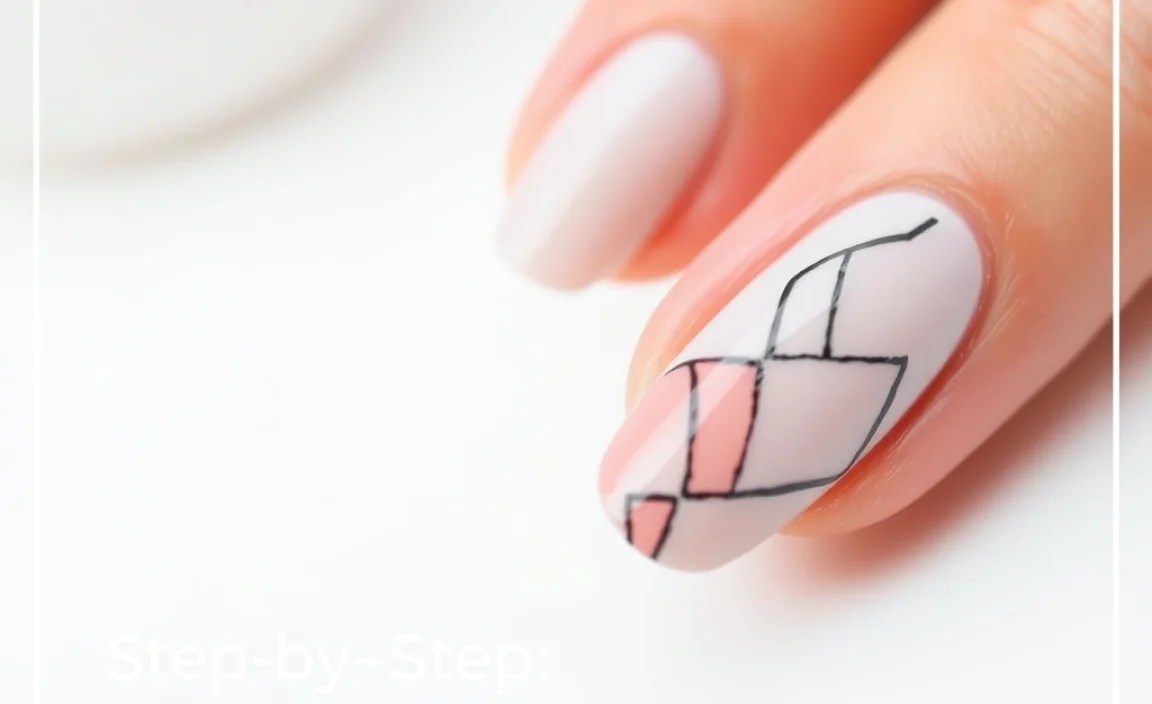
Let’s get hands-on! Here are a few easy-to-follow techniques for creating beautiful abstract geometric nail art that’s perfect for the office.
Method 1: The Striping Tape Technique
This is one of the easiest ways to achieve sharp, clean lines. It’s great for creating blocks, stripes, and even simple angular patterns.
- Prep Your Nails: Start with clean, dry nails. Apply your base coat and let it dry completely.
- Apply Your Base Color(s): Paint your nails with your first color. You can use one color for all nails or alternate colors for a more dynamic look. Let this layer dry thoroughly. This is crucial – if it’s not dry, the tape will lift the polish.
- Apply the Striping Tape: Cut small pieces of striping tape and carefully apply them to your nails. You can create parallel lines, diagonal lines, or even form simple shapes like triangles or squares. Press the tape down firmly to ensure a good seal.
- Apply Your Second Color: Paint over the tape and the exposed nail with your second polish color. Make sure to cover all the areas between the tape.
- Remove the Tape: While the second color is still wet (or just slightly tacky), carefully peel off the striping tape using tweezers or your fingers. Peeling while the polish is wet prevents it from lifting the design.
- Touch-Ups (if needed): If there are any minor bleeds, you can carefully clean them up with a small brush dipped in nail polish remover.
- Seal the Deal: Once everything is completely dry, apply a generous layer of top coat. This will smooth out any texture and seal your design, making it last longer.
Method 2: The Freehand Single Line Design
This method is all about embracing the imperfect and creating a minimalist, artistic vibe. It’s super chic and requires just a detail brush.
- Prep and Base: Apply your base coat and let it dry. Then, apply your main polish color. A neutral like nude, beige, or a soft grey works beautifully here. Let it dry completely.
- The Single Line: Using a fine-tipped nail art brush and a contrasting color (think black, white, gold, or silver), carefully paint a single, slightly wavy or perfectly straight line across one or a few of your nails. You can place it horizontally, diagonally, or vertically.
- Add a Dot or Two (Optional): If you want a little more, use a dotting tool or the tip of your brush to add a small dot near the line or at one end.
- Seal It: Apply your top coat once the polish is dry.
This technique is inspired by minimalist design principles. For more on minimalism in art and design, exploring resources like Tate’s definition of Minimalism can offer a deeper understanding of the aesthetic.
Method 3: The Color Block Accent Nail
This is a bold yet sophisticated look that’s easy to achieve using tape or just careful painting.
- Prep and Base: Apply base coat, then your desired base color. Let it dry completely.
- Create the Block:
- With Tape: Apply striping tape to create a sharp line where you want your color block to end. Paint the area above or below the tape with your chosen accent color. Carefully remove tape while wet.
- Freehand: Using a slightly thicker brush or even your regular polish brush, carefully paint a clean geometric shape (like a half-moon, a triangle at the tip, or a band across the nail) with your accent color.
- Let It Dry: Ensure the accent color is completely dry.
- Top Coat: Finish with a layer of top coat.
For a work-appropriate color block, consider using deep blues, oxblood reds, forest greens, or elegant metallics against a nude or grey base.
Choosing Your Work-Appropriate Palette

The colors you choose can significantly impact how “work-appropriate” your abstract geometric nail art looks. The key is to opt for sophisticated, understated shades.
Classic Neutrals
These are always a safe bet and create a very polished look.
- Nude
- Beige
- Cream
- Soft Grey
- Taupe
- Muted Pastels (like dusty rose, pale blue, or mint green)
Elegant Accents
Use these sparingly for a touch of sophistication.
- Black
- White
- Navy Blue
- Deep Burgundy
- Forest Green
- Metallic Gold or Silver (thin lines or small accents)
What to Avoid (Generally)
While abstract art is forgiving, some colors might be too distracting for very conservative workplaces.
- Neon colors
- Bright neons
- Glitter bombs (unless very subtle and used as a thin line)
- Overly loud or clashing color combinations
Remember, it’s not just about the color, but how you use it! A thin metallic gold line on a nude nail is very different from a full gold glitter nail.
Design Ideas for the Modern Professional

Let’s brainstorm some specific design ideas that are both creative and office-friendly.
Minimalist Lines
Description: A single, fine line (straight or slightly wavy) in a contrasting color like black, white, or metallic gold/silver across a nude, grey, or nude-pink base. You can place it horizontally near the cuticle, vertically down the center, or diagonally.
Why it Works: Subtle, elegant, and very chic. It adds a touch of art without being overwhelming.
Half-Moon Accents
Description: Using tape or a steady hand, create a clean half-moon shape at the base of your nail in an accent color, or simply leave it bare (negative space). Alternatively, use a different neutral color for the half-moon.
Why it Works: A classic and sophisticated look that draws inspiration from vintage manicures but with a modern geometric twist.
Geometric Block Partitioning
Description: Divide your nail into two or three sections using striping tape and fill them with complementary neutral shades. For instance, a nail split diagonally with grey and navy, or a horizontal split with nude and beige.
Why it Works: Clean, structured, and looks intentional. It’s abstract but follows a clear geometric logic.
Subtle Dot Work
Description: A neutral base with a few strategically placed dots in a contrasting or metallic shade. You can arrange them in a line, a small cluster, or even as an accent to a geometric line.
Why it Works: Adds a playful yet minimalist detail. Dots are less intense than lines and can soften geometric shapes.
Angular Tips
Description: Instead of a traditional French tip, create a sharp, geometric angle across the tip of the nail using a contrasting color. This can be a triangle, a sharp V-shape, or a diagonal slice.
Why it Works: A modern update to a French manicure that’s eye-catching but still refined.
Maintaining Your Geometric Manicure
Even the most beautifully done abstract geometric nail art needs a little care to stay looking fresh. Here’s how to keep your manicure looking its best throughout the work week:
- Top Coat Refresh: Apply an extra layer of top coat every 2-3 days. This is especially helpful for geometric designs with crisp lines, as it helps to smooth and protect them.
- Be Gentle: Avoid using your nails as tools. Try not to scrape, pry, or pick at things with your fingertips.
- Moisturize: Keep your hands and cuticles hydrated with hand cream and cuticle oil. Healthy skin makes your manicure look more polished overall.
- Gloves for Chores: Wear gloves when doing household chores, especially those involving water or harsh chemicals.
- Quick Fixes: For minor chips or lifts along an edge, you can sometimes carefully dab a tiny bit of your base color and then your top coat to patch it up.
Troubleshooting Common Geometric Nail Art Issues
Even with the best intentions, sometimes things don’t go perfectly. Don’t worry! Here are some common problems and how to fix them.
Peeling Polish When Removing Tape
The Fix: This usually happens when the base color is too wet or too dry when you remove the tape. Try to remove the tape when the polish is mostly dry but still slightly tacky. If it’s already happened and you have lifting, gently push the polish back down with an orange wood stick. If it’s a mess, you might have to remove the polish from that nail and start again, or strategically place a small dot or line over the imperfection.
Jagged or Bleeding Lines
The Fix: Make sure you’re pressing your striping tape down very firmly, especially at the edges, to create a good seal. When applying polish over tape, use thin coats. For freehand lines, ensure your brush has the right amount of polish – not too much, not too little. A detail brush with a fine tip is key. If bleeding occurs, use a fine-tipped brush dipped in nail polish remover to carefully clean up the edges. Work slowly and let each layer dry thoroughly!
Uneven Finish
The Fix: This often happens when paint is applied too thickly or when textures from tape lines remain. A good quality top coat is your savior! Apply it generously and smoothly over the entire nail to even out any bumps and add a beautiful shine. If you struggle with textured lines even after the top coat, consider using a smoothing top coat designed for glitter or textured polishes.
Table: Design Complexity vs. Time Commitment for Beginners
To help you choose the right design for your skill level and time, here’s a quick comparison:
| Design Type | Complexity Level (Beginner) | Estimated Time (per nail, applying & drying) | Tools Needed |
|---|---|---|---|
| Single Freehand Line | Easy | 2-4 minutes | Detail brush, polish |
| Simple Dot Cluster | Easy | 2-3 minutes | Dotting tool, polish |
| Striping Tape Stripes | Medium | 5-8 minutes | Striping tape, polish, scissors/tweezers |
| Color Block (with tape) | Medium | 6-10 minutes | Striping tape, polish, scissors/tweezers |
| Geometric Partitioning (with tape) | Medium-Hard | 7-12 minutes | Striping tape, polish, scissors/tweezers |
This table assumes roughly 10-15 minutes for a full manicure when including base and top coats, and drying in between steps.
FAQs: Your Abstract Geometric Nail Art Questions Answered
Q1: Can I really do abstract geometric nail art myself if I’m a beginner?
A1: Absolutely! Abstract geometric designs are fantastic for beginners because they often rely on simple shapes, clean lines, and forgiving patterns. Techniques like using striping tape or nail art pens make it much easier to achieve polished results.
Q2: What are the most professional colors for abstract geometric nail art at work?
A2: Stick to a palette of sophisticated neutrals like nudes, greys, beige, black, white, and navy. Muted pastels and subtle metallics (like gold or silver for thin lines) are also great choices. The key is subtlety and elegance.
Q3: How do I get my lines really sharp and clean?
A3: Precision is key! Ensure your nail polish is completely dry before applying striping tape. Press the tape down firmly around the edges to create a seal. When painting over the tape, use thin coats and remove the tape while the polish is still wet or slightly tacky, not fully dried.
Q4: My nail polish bleeds under the tape. What can I do?
A4: This is a common issue! Make sure your base color is totally dry before applying tape. Press the tape down very firmly. Use thin coats of the second color over the tape. Remove the tape while the polish is still wet. If bleeding still occurs, you can carefully clean it up with a fine brush dipped in nail polish remover.
