Abstract brush stroke nails are a fun, artistic DIY manicure that adds a unique flair to your look. Master this easy technique quickly with simple steps and readily available tools for a stylish, personalized manicure in no time!
Ever looked at nail art and thought, “That’s beautiful, but way too complicated for me”? I get it! Trends can feel intimidating, especially when they involve tiny brushes and precise lines. But what if I told you that you can achieve a stylish, artistic nail look that’s both totally on-trend and surprisingly easy to do yourself? We’re talking about abstract brush stroke nails! These designs are all about messy, beautiful strokes of color that look intentionally chic. No more stressing over perfect symmetry or complicated patterns. Get ready to unleash your inner artist, even if you think you have zero artistic talent!
In this guide, we’ll break down exactly how to create stunning abstract brush stroke nails at home. You’ll learn about the simple tools you need, the best techniques to get those effortless strokes, and how to make your design last. We’ll make it so easy, you’ll be showing off your unique manicure in no time. Let’s dive in and discover how simple beautiful nail art can be!
What Are Abstract Brush Stroke Nails?

Abstract brush stroke nails are a nail art style characterized by free-form, painterly strokes of color. Think of it like a mini abstract painting on your fingertips! Unlike designs that require stencils or intricate detailing, this look embraces a more spontaneous and organic feel. The beauty lies in the imperfection – bold colors, varying line thicknesses, and overlapping strokes create a look that’s dynamic and eye-catching.
This style is fantastic because it’s incredibly versatile. You can play with different color combinations, from vibrant neons to sophisticated neutrals, and adapt the strokes to your personal taste. It’s a way to express your mood and style without needing to be a professional artist. Plus, it’s one of the most forgiving nail art trends out there, making it perfect for beginners.
Why Abstract Brush Strokes Are Perfect for Beginners

If you’re new to nail art, you might be looking for designs that are forgiving and don’t require extreme precision. Abstract brush strokes are your answer!
- No Perfection Needed: The whole point is to be a little messy and spontaneous. Streaks, drips, and uneven lines are part of the charm!
- Simple Tools: You don’t need a professional kit. Basic nail polish and a regular brush, or even a simple dotting tool used sideways, can work wonders.
- Endless Creativity: Each stroke can be different. This means you can experiment and adapt the design as you go.
- Quick to Apply: Once you get the hang of it, you can easily create a beautiful set of nails in under an hour.
- Stylish & On-Trend: This look is consistently popular in fashion and beauty, meaning you’ll always be on-trend.
Essential Tools for Your Abstract Brush Stroke Manicure

You don’t need a fancy salon setup to master abstract brush stroke nails. Here’s what you’ll find helpful:
- Base Coat: Essential for protecting your nails and making your polish last longer. Look for a good quality one. For strengthening, consider a formula with keratin.
- Nail Polish Colors: Choose at least two or three colors that complement each other, or go bold with contrasting shades!
- Top Coat: This seals your design, adds shine, and prevents chips. A quick-dry top coat is a lifesaver for busy bees.
- A Thin Striping Brush or Small Detail Brush: While you can use the polish brush, a dedicated art brush gives you more control for finer strokes. You can often find affordable nail art brush sets online or at beauty supply stores.
- Alternatively: A Toothpick or Dotting Tool: If you don’t have an art brush, you can carefully load a tiny bit of polish onto the tip of a toothpick or the side of a dotting tool to create your strokes.
- Nail Polish Remover and Cotton Swabs/Pads: For cleaning up any mistakes and tidying the edges.
- Optional Lint-Free Wipes: These are great for cleaning your brush between colors without leaving fuzzy bits behind.
For brushing up on nail care basics, the American Academy of Dermatology has some great resources on general nail health and maintenance that can help ensure your canvas is in tip-top shape before you start any nail art.
Step-by-Step Guide: Creating Abstract Brush Stroke Nails

Ready to get creative? Follow these simple steps to achieve a chic abstract brush stroke manicure.
| Step | Action | Tips for Beginners |
|---|---|---|
| 1 | Prep Your Nails Clean your nails thoroughly. File them into your desired shape and push back your cuticles gently. Apply a thin, even layer of your base coat and let it dry completely. |
A smooth base is key! Ensure no oily residue is left on your nails from lotions. |
| 2 | Apply Your Base Color (Optional) You can either apply your abstract strokes directly onto a clear base coat or apply one of your chosen colors as a solid base and let it dry. This adds another layer of depth. |
A neutral base color like nude, white, or black can make your abstract strokes pop beautifully. |
| 3 | Load Your Brush/Tool Dip your thin brush, toothpick, or dotting tool into one of your chosen polish colors. Wipe off any excess polish on the rim of the bottle or a lint-free wipe so you have just a small amount of polish to work with. This prevents globs. |
Less is more! Starting with a small amount of polish makes it easier to control and create delicate strokes. |
| 4 | Create Your First Stroke Gently swipe the brush across your nail in a fluid motion. Vary the pressure and angle to create different stroke thicknesses. Don’t overthink it – let the brush glide! |
Aim for a single, sweeping motion. Think of it like painting with a single, quick flourish. |
| 5 | Add More Strokes Repeat step 3 and 4 with the same color or switch to another color. Overlap strokes, place them in different directions, and vary their lengths to build up your abstract design. |
Use different colors strategically. Let one color dry slightly before adding another to prevent muddying. |
| 6 | Refine and Add Detail (Optional) If you want more definition, use a clean brush with a tiny bit of polish to add sharper lines, dots, or to “draw” around existing strokes. You can also use a clean detail brush with remover to clean up edges. |
This step is for adding extra flair if you’re feeling adventurous, but it’s not necessary for the basic abstract look. |
| 7 | Let It Dry Allow your nail art to dry completely. This is crucial before moving on to the top coat to avoid smudging. Patience is key! |
You can use a quick-dry drops formula if you’re in a hurry, but natural drying is often best for preventing premature smudging. |
| 8 | Apply Top Coat Once your design is fully dry, apply a generous layer of top coat. This seals the design, adds shine, and protects your masterpiece. Ensure you cap the free edge (paint over the tip of your nail) for extra durability. |
A good top coat is your best friend for making DIY nail art last! |
Mastering the Abstract Brush Stroke Techniques
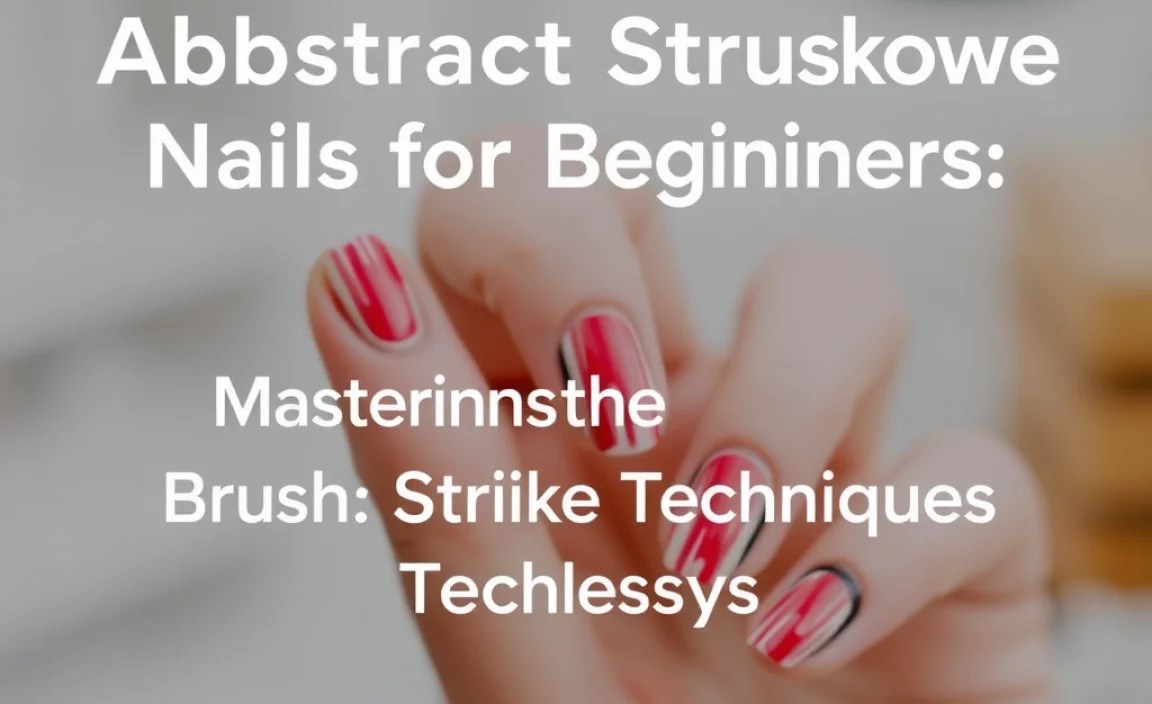
The magic of abstract brush strokes is in their seemingly effortless appearance. Here are some techniques to help you achieve that look:
Varying Pressure
Apply more pressure with your brush to create wider, more dominant strokes. Use a lighter touch for thinner, more delicate lines. This variation adds depth and visual interest to your design.
Direction and Angle
Don’t just paint horizontally or vertically! Experiment with diagonal strokes, curves, and even semi-circular motions. The interplay of different directions makes the design feel dynamic and artistic.
Color Blocking and Layering
Consider how your colors will interact. You can place contrasting colors side-by-side, or layer lighter colors over darker ones (once the first layer is dry) to create a sense of depth. Allow each color to set slightly before applying the next to avoid them becoming muddy.
Stroke Placement
Think about composition. Do you want strokes radiating from one corner? Or scattered across the entire nail? You can create a focal point or a more evenly distributed look. Sometimes, leaving a little negative space can make the design more sophisticated.
Using Different Brush Types
While a thin striping brush is excellent, don’t be afraid to experiment. A slightly wider brush can create bold, broad strokes in one go. A fan brush, used very delicately, can create subtle, wispy effects.
Color Palette Ideas for Your Abstract Nails
The color combination is where you can really let your personality shine! Here are a few ideas to get you started:
- Classic Neutrals: Black, white, grey, and beige for a sophisticated, minimalist look.
- Pastel Dream: Soft blues, pinks, lavenders, and mint greens for a gentle, dreamy aesthetic.
- Vibrant & Bold: Bright corals, electric blues, hot pinks, and lime greens for a fun, statement-making manicure.
- Monochromatic Magic: Use different shades and tones of a single color family (e.g., navy, sky blue, teal) for a cohesive yet interesting design.
- Metallic Accents: Combine a base color with strokes of gold, silver, or rose gold for a touch of glamour.
- Dark & Moody: Deep purples, forest greens, burgundy, and black for an edgy, chic vibe.
Troubleshooting Common Issues
Even the most “effortless” looks can have a few little hiccups. Here’s how to fix them:
- Too Much Polish on the Brush: This can lead to chunky strokes or polish bleeding. Solution: Always swipe your brush on the bottle rim or a lint-free wipe to remove excess before touching your nail.
- Smudged Design: This usually happens when applying the top coat too soon, or if the polish isn’t fully dry. Solution: Wait longer for your polish to dry. If it’s a minor smudge, you might be able to gently feather it out with a clean brush or the tip of your top coat brush. For major smudges, it might be time for a fresh start on that nail.
- Uneven Strokes: Some strokes are thicker or thinner than others. Solution: This is part of the abstract charm! If you really dislike a particular stroke, try to gently blend it with another stroke of a different color while it’s still wet, or carefully wipe it away with a remover-dipped cotton swab.
- Colors Muddying Together: When wet colors blend into an undesirable shade. Solution: Allow each layer of polish to dry for at least a minute or two before adding the next color, especially if you’re working with lighter shades over darker ones.
- Polish Chipping Quickly: Often due to not sealing the edges. Solution: Always “cap” the free edge of your nail with your top coat. Ensure your base coat and top coat are applied evenly and are good quality.
Making Your Abstract Brush Stroke Nails Last Longer
Want your art to stay looking fresh? Here’s how:
- Quality Base and Top Coats: Invest in good formulas. A durable base coat prevents staining and provides grip, while a strong top coat seals and shines.
- Cap the Edges: As mentioned, paint a thin line of top coat across the very tip of your nail. This creates a seal that stops polish from peeling or chipping from the edge.
- Regular Maintenance: If a nail starts to chip, try to touch it up rather than letting it get worse. A tiny bit of top coat can sometimes smooth over minor issues.
- Wear Gloves: When doing chores that involve water or harsh chemicals (like washing dishes or cleaning), wear gloves. This is one of the biggest culprits for premature nail polish damage.
- Avoid Using Nails as Tools: Resist the urge to use your nails to open cans or scrape off stickers. This puts direct pressure and stress on the polish.
Beyond the Basics: Elevating Your Abstract Art
Once you’re comfortable with the fundamental brush stroke technique, you can start experimenting to make your designs even more unique.
Adding Other Elements
Consider adding tiny dots with a dotting tool, fine lines with an even thinner brush, or even a touch of glitter polish over your strokes. A subtle shimmer can add a lot of dimension.
Negative Space Designs
Don’t feel like you have to cover the entire nail. Leaving sections of the base color (or clear base coat) visible can create a very modern, chic “negative space” effect. Strategically place your strokes to complement the unpainted areas.
Ombre Brush Strokes
Instead of distinct strokes, try blending two colors together with your brush to create a soft ombre effect within the stroke itself.
Texture Play
Experiment with different finishes. Matte top coats can give your abstract design a sophisticated, velvety look. You can also try applying strokes with a polish that has a satin or metallic finish for extra visual interest.
Frequently Asked Questions (FAQ) About Abstract Brush Stroke Nails
Q1: Do I need to be an artist to do abstract brush stroke nails?
A1: Absolutely not! The beauty of abstract art is that it embraces imperfection and free expression. You don’t need any prior artistic skill to create a stylish abstract brush stroke design.
Q2: What kind of brush is best for abstract brush strokes?
A2: A thin striping brush or a small detail brush is ideal for control. However, you can also achieve great results with a toothpick, a dotting tool used on its side, or even the original polish brush with careful application.
Q3: How do I prevent my polish colors from looking muddy?
A3: The key is patience! Allow each color to dry for at least a minute or two before applying the next. Using a little less polish on your brush and building up layers slowly also helps.
Q4: Can I do abstract brush strokes over gel polish?
A4: Yes! Abstract brush strokes can be done over regular nail polish or gel polish. If using gel, you would apply the colors and strokes as usual, then cure each layer (including the final top coat) under a UV/LED lamp.
Q5: How long does this type of nail art usually take to do?
A5: For beginners, with drying times included, you can expect to spend around 45 minutes to an hour for a full set. Once you get the hang of it, you might be able to do it faster, especially on your own nails.
Q6: What if I make a mistake or don’t like a stroke?
A6: Don’t worry! You can often fix minor mistakes by gently nudging or blending the wet polish with a clean brush or another stroke. For bigger errors, you can carefully use a cotton swab dipped in nail polish remover to clean up the area and try again, or even paint over that specific nail with your base color.
Conclusion
See? Abstract brush stroke nails are a fantastic entry point into the world of nail art. They offer a creative outlet that’s personal, stylish, and surprisingly achievable, even for those who consider themselves “nail art beginners.” By using simple tools, embracing a bit of playful imperfection, and following these steps, you can create stunning, custom manicures that reflect your unique style. Don’t be afraid to experiment with colors, strokes, and techniques. Each attempt will build your confidence and refine your skills. So grab your polishes, have some fun, and get ready to fall in love with the effortless elegance of abstract brush stroke nails!
