Create stunning 3D floral acrylic nail designs with easy-to-follow steps and genius tips for beginners. Learn about essential tools, techniques for perfect petals, and how to make your floral art pop for a truly unique manicure.
Dreaming of nails that bloom with beautiful 3D flowers? You’ve landed in the right spot! Many of us admire those gorgeous, sculpted floral designs on social media but feel a little intimidated to try them ourselves. Don’t worry! Creating 3D floral acrylic nails is totally achievable, even if you’re new to acrylics.
This guide is designed to break down the process into simple, manageable steps. We’ll cover everything you need to know, from the tools to the precise techniques. Get ready to transform your nails into wearable works of art!
Your 3D Floral Acrylic Nail Design Toolkit

Gathering the right supplies is the first step to success. For 3D floral acrylic nail designs, you’ll need a few specialized items. Don’t feel overwhelmed; most of these are readily available at beauty supply stores or online. Think of them as your artistic brushes and paints for your nails!
Essential Acrylic Nail Supplies:
- Acrylic Powder: You’ll need clear, pink, and white acrylic powders as your base and for sculpting. For the floral colors, pick shades that inspire you – think pretty pinks, sunny yellows, delicate purples, or vibrant reds.
- Liquid Monomer: This is the activator for your acrylic powder, allowing it to form a pliable bead.
- Acrylic Brushes: A good quality size #7 or #8 oval brush is ideal for picking up product and shaping it. You might also want a smaller detail brush for finer work.
- Dappen Dishes: For holding your liquid monomer and acrylic powder.
- Nail Forms or Tips: These help create the nail’s structure.
- Nail File and Buffer: For shaping and smoothing the natural nail and the acrylic overlay. A grit of 180 is good for shaping, and a finer grit (like 240) for smoothing.
- Cuticle Pusher and Nipper: To prep the nail bed and cuticle area.
- Lint-Free Wipes: For cleansing and dehydrating the nail.
- Alcohol or Nail Cleanser: To clean your brushes and workspace.
- Top Coat: A non-wipe top coat is best so you don’t dull your 3D art.
- UV/LED Lamp: Needed if you’re using gel top coat or builder gel.
For the 3D Floral Art:
- Colored Acrylic Powders: As mentioned, these are key for creating the flower petals and leaves.
- Small Gel or Acrylic Paint Pots: For adding tiny details like stamens or highlights.
- Dotting Tools: For applying small dots of color or creating center accents.
- Tweezers: Useful for placement of small embellishments if you choose to add them.
Prep Like a Pro: The Foundation for Fabulous Flowers
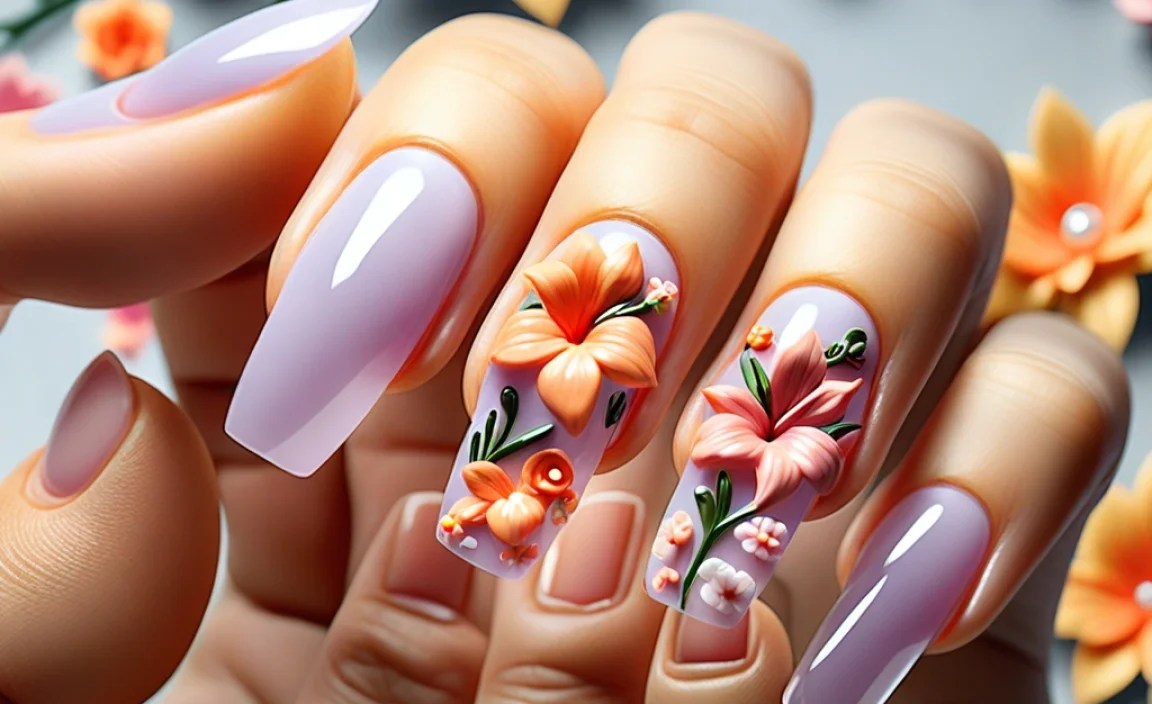
Before you even think about scooping acrylic, proper nail preparation is crucial. This ensures your design adheres well and lasts longer. It’s like preparing your canvas before you start painting!
- Sanitize: Start by washing your hands thoroughly and sanitizing both your hands and your client’s.
- Push Back Cuticles: Gently push back the cuticle using a cuticle pusher. You want to expose the nail plate without damaging the skin.
- Remove Cuticle Skin (Optional): If there’s any dead skin attached to the nail plate, carefully nip it away with cuticle nippers. Be very gentle here!
- Buff the Nail Surface: Lightly buff the natural nail with a fine-grit file (around 240 grit). This removes any shine and helps the acrylic grip better. We’re just removing the natural oils and shine, not thinning the nail.
- Dehydrate and Cleanse: Apply a nail dehydrator to remove any remaining moisture and oils. Follow with a primer if you usually use one for acrylic application.
- Apply Nail Form or Tip: Fit a nail form snugly under the free edge of the nail, or select and apply a tip if you’re extending the nail length. Ensure it’s well-secured.
Step-by-Step: Crafting Your First 3D Acrylic Flowers

Now for the fun part! Let’s sculpt some beautiful acrylic flowers. We’ll start with a basic rose, a popular and stunning choice. Remember, practice makes perfect, so don’t get discouraged if your first few attempts aren’t flawless. Every bead of acrylic you place is a learning step!
Step 1: The Base Color
- Apply a thin layer of your chosen base acrylic (clear or a sheer pink/nude) over the natural nail and the form/tip. Encapsulate the free edge to give it strength and a clean look.
- Shape the nail to your desired length and structure using your acrylic brush. Let this layer cure slightly before moving on.
Step 2: Sculpting the Petals
This is where the magic happens. You’ll use a small bead of colored acrylic to create each petal.
- Dampen Your Brush: Dip your acrylic brush into the liquid monomer, then gently wipe off the excess on a lint-free wipe. You want it damp, not soaking wet.
- Pick Up Acrylic: Touch the tip of your damp brush to the colored acrylic powder. Lift straight up to create a small, cohesive bead of acrylic on your brush.
- Place the Bead: Gently press the bead onto the nail where you want your first petal.
- Shape the Petal: Use the side and tip of your brush to gently press and flatten the bead. Start from the center of the petal and “push” outward towards the tip and sides. Visualize a teardrop shape, with a wider base and a tapered tip.
- Repeat for Layers: Place subsequent beads and shape them to overlap slightly with the previous petal, building your flower. For a rose, you’ll typically start from the center with a tight swirl and work outwards.
Step 3: Creating Leaves and Accents
Flowers often look more realistic with leaves. You can also add smaller details.
- For Leaves: Use a green acrylic bead. Place the bead similarly to the petals, but shape it into a more elongated, pointed oval. You can use the side of your brush to create a central vein.
- For Buds or Smaller Flowers: Use smaller beads and shape them into simple teardrops or rounded forms.
Step 4: Adding Details
This is where you can really make your design pop.
- Flower Centers: Use a tiny bead of yellow or gold acrylic, or a dot of gel paint, to create the center of your flower.
- Highlights: If you want to add dimension, use a touch of a lighter or darker shade of your flower color and gently dab it onto the edges of your petals.
- Using Gel Paint: For fine lines, like veins on a leaf or the very intricate center of a bloom, a dotting tool or detail brush with gel paint can be very effective and easier to control for beginners.
Step 5: Finishing Touches
- Once all your 3D elements are sculpted and cured, carefully file away any imperfections. Use a fine-grit buffer to ensure the surface of your 3D art is smooth and uniform. Be gentle to avoid flattening your sculpted details.
- Wipe away all dust with a lint-free wipe and cleanser.
- Apply a thin, even layer of your favorite non-wipe top coat over the entire nail, making sure to cap the free edge. Cure under your UV/LED lamp according to the top coat’s instructions.
Genius Tips for Flawless 3D Floral Acrylics

Beyond the basic steps, a few insider tricks can elevate your 3D floral designs and make the process smoother. These tips are born from practice and a little bit of nail magic!
Tip 1: Master the Bead Consistency
The perfect acrylic bead is key. It shouldn’t be too wet (runny and hard to control) or too dry (crumbly and not smooth). You’re aiming for a smooth, pliable bead that holds its shape but is still workable. This consistency can be achieved by practicing the “wet-dry ratio” – how much liquid versus powder you pick up. Experiment with dipping your brush less into the liquid or picking up a slightly larger or smaller bead of powder.
Tip 2: Work Fast, But Not Too Fast
Acrylic starts to cure as soon as the liquid and powder mix. You have a window of time to sculpt your petal. Don’t rush so much that you make mistakes, but don’t dawdle so much that the acrylic hardens before you can shape it. Work one petal or element at a time until you get a feel for the working time.
Tip 3: Use Your Brush Like a Sculptor’s Tool
Your acrylic brush is more than just a scooper. Use its tip to press, its side to flatten and elongate, and its bristles to spread. Gently “pull” the acrylic to create delicate points for petals. For leaves, use the brush to create a central line or vein.
Tip 4: Overlap for Depth
To make your flowers look natural and full, ensure your petals overlap slightly. This creates natural shadows and gives the illusion of dimension, just like real flowers.
Tip 5: Color Blending for Realism
Want to add that extra touch of realism? Use two colors in one bead! For instance, pick up a bead of your main petal color, then lightly touch the tip of your brush to a slightly darker or lighter shade to embed just a bit of the second color. When you place and shape the bead, the colors will blend, creating a beautiful ombre effect within the petal.
Tip 6: Practice on a Tile First
Before you go applying acrylic to a client’s nail, practice creating your shapes on a plastic palette or a tile. This is a zero-pressure way to get a feel for the acrylic, learn how it moves, and perfect your petal shapes without the risk of messing up a manicure.
Tip 7: Less is More with Embellishments
While rhinestones and glitter can look beautiful, sometimes the 3D acrylic flowers themselves are statement enough. If you do add embellishments, place them strategically to enhance, not overpower, your floral art.
Tip 8: Keep Brushes Clean and Conditioned
Your acrylic brushes are your most important tools. Always use monomer to clean them after each use. Don’t let acrylic harden in the bristles. Once clean, shape them gently and store them properly. Using a brush conditioner can help keep them flexible and extend their lifespan.
Comparing Simple Shaping vs. Advanced 3D Techniques
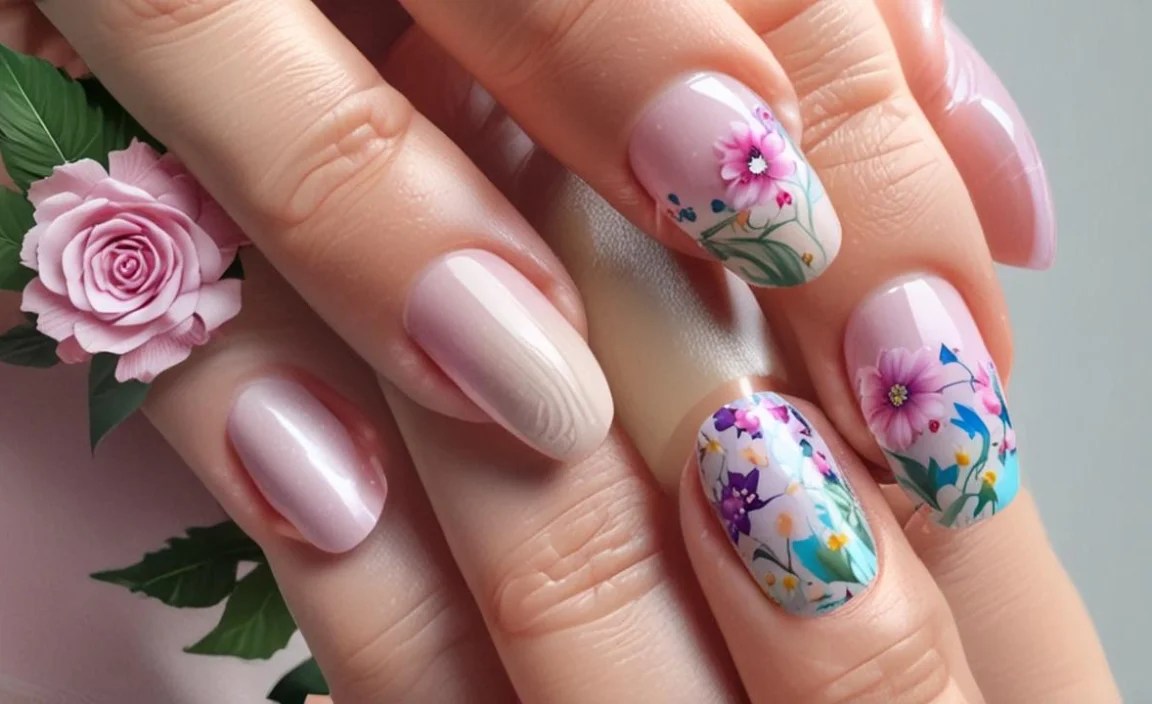
When it comes to 3D floral acrylic nail designs, there are a few approaches. Understanding these can help you choose the method that best suits your skill level and desired outcome.
Simple Shaping (Easier for Beginners)
This involves using larger beads of acrylic and simpler shaping techniques to create a more basic floral impression. Think rounded petals and less intricate details. It’s about creating the idea of a flower rather than a hyper-realistic replica.
Advanced 3D Techniques (For the Experienced)
This encompasses methods like creating individual petals separately and then attaching them, using specialized tools for fine detail, and incorporating multiple color blends and textures within a single design for maximum realism. This requires a higher degree of precision and control over acrylic.
Here’s a quick look at how they differ:
| Feature | Simple Shaping | Advanced Techniques |
|---|---|---|
| Complexity | Low to Medium | High |
| Time Investment | Moderate | High |
| Skill Level Required | Beginner to Intermediate | Intermediate to Advanced |
| Materials Needed | Standard acrylics and brushes | Often includes specialized tools like fine detail brushes, 3D sculpting tools, and sometimes pre-made elements. |
| Typical Outcome | Charming, impressionistic flowers | Hyper-realistic, intricate floral art |
For those just starting out, focusing on mastering the simple shaping techniques first will build a strong foundation. As your confidence grows, you can then explore more advanced methods. The key is gradual progression and consistent practice.
Maintaining Your 3D Floral Acrylic Nails

Once you’ve created your gorgeous 3D floral masterpiece, you’ll want it to last! Proper aftercare is essential for the longevity and beauty of your acrylics.
- Avoid Harsh Chemicals: Prolonged exposure to cleaning chemicals, acetone (in nail polish remover), and even certain beauty products can weaken acrylic. Wear gloves when doing Chores that involve water or chemicals.
- Be Gentle: 3D elements, while durable, can be snagged or broken if you’re not careful. Avoid using your nails as tools (like prying things open) or picking at the enhancements.
- Regular Fills: As your natural nail grows, the apex of your acrylic nail will move. You’ll need to get fills every 2-3 weeks to maintain the strength and aesthetic of your manicure.
- Moisturize: Keep your cuticles and the skin around your nails hydrated with cuticle oil. This prevents dryness and hangnails, which can detract from the overall look of your manicure. You can gently massage it into the cuticle area and around the nail.
- Check for Lifting: Periodically check for any signs of lifting at the cuticle area or free edge. If you notice any, it’s best to see a nail technician to have it addressed, as gaps can trap moisture and lead to issues.
Taking these simple steps will help ensure your 3D floral acrylic nails remain stunning for as long as possible, allowing you to proudly show off your creative flair!
Frequently Asked Questions About 3D Floral Acrylic Nails
Q1: How long does a 3D floral acrylic design typically take to do?
A1: The time can vary greatly depending on the complexity of the design and your skill level. For a beginner creating a few flowers, it could take 1.5 to 3 hours for a full set. More intricate designs by experienced technicians can sometimes take even longer.
Q2: Can I do 3D acrylic flowers over gel polish?
A2: Generally, 3D acrylic designs are best applied over a full acrylic nail enhancement or a hard gel overlay, as acrylic adheres best to acrylic. Applying acrylic directly onto uncured gel polish or a very smooth, cured gel surface might lead to adhesion issues. It’s often best to have a foundation of acrylic or hard gel first.
Q3: What’s the best way to clean acrylic brushes for 3D designs?
A3: Always clean your acrylic brushes immediately after use with liquid monomer. Swirl the brush in the monomer, then gently wipe it on a lint-free wipe until all product is removed. Ensure the brush is completely dry before storing.
Q4: Do 3D acrylic flowers snag easily?
A4: While they are more raised than standard nail art, 3D acrylic flowers are surprisingly durable when applied correctly. However, like any raised nail art, they can snag on clothing or get caught on objects if you’re not careful. Gentle handling is key.
Q5: Can I make 3D flowers with gel instead of acrylic?
A5: Yes, you can create 3D floral designs using special thickening gels (often called 3D Gels or Sculpture Gels) or even builder gels. The technique is similar, but the curing and working properties of gel are different from acrylic. Many find acrylic offers a bit more play-time for sculpting initially.
Q6: How do I prevent acrylic from drying too fast on my brush?
A6: The key is finding the right balance of liquid and powder. If your acrylic is drying too fast, you might be picking up too much powder or too little liquid. Try a slightly wetter bead by dipping your brush a tiny bit more into the liquid monomer, or pick up a smaller bead of powder. Also, ensure your work area isn’t too hot, as heat speeds up curing.
Q7: Can I create 3D flowers on short nails?
A7: Absolutely! You can create beautiful 3D floral designs on short nails. Often, smaller, delicate flowers or single blooms work best on shorter nail lengths. You can still incorporate leaves and tiny accents to make them pop. The 3D elements can extend slightly beyond the free edge, or be sculpted directly onto the nail plate.
