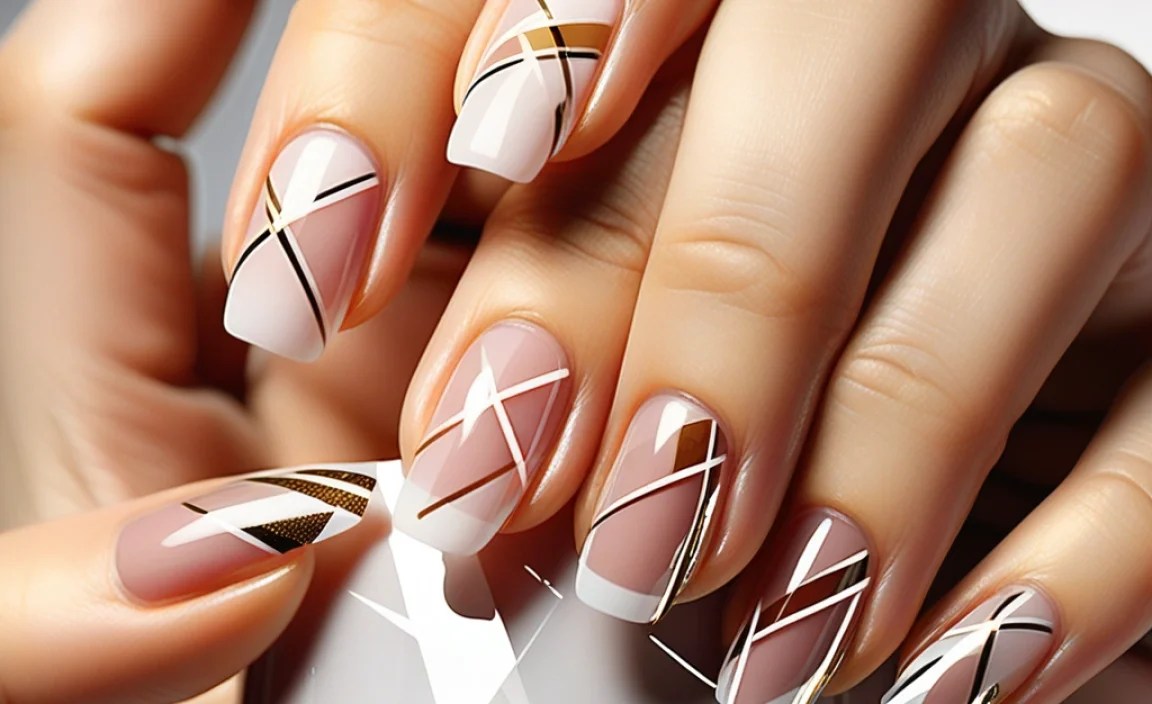
Tape nail art is a genius and essential technique for creating clean, sharp lines and geometric patterns at home. It’s a simple method that beginners and experienced nail artists alike can use to achieve salon-worthy designs with minimal effort and common household supplies. Get ready to elevate your nail game with these easy-to-follow ideas and tips!
Hey nail lovers! Have you ever admired those flawlessly straight lines and intricate geometric patterns on manicures and wondered, “How did they do that?” Achieving crisp, clean nail art designs can feel like a challenge, especially when you’re just starting out. It’s easy to get smudged lines or uneven shapes, leading to frustration and a less-than-perfect finish. But what if I told you there’s a super simple trick using something you probably already have in your home? Get ready, because tape nail art is about to become your new best friend for creating stunning, professional-looking designs with ease. We’ll dive into everything you need to know to get started, from essential tools to fantastic design ideas that will wow everyone.
Why Tape Nail Art is a Game-Changer for Beginners

For anyone new to the world of nail art, the possibilities can seem overwhelming. You see beautiful intricate designs and think, “I could never do that!” But tape nail art is here to change that thinking. It’s a technique that relies on precision, and tape provides the perfect guide to achieve that precision.
Here’s why it’s so brilliant:
Effortless Precision: Tape acts as a stencil, allowing you to create sharp, clean lines that are incredibly difficult to freehand.
Versatility: You can create endless patterns using just tape – from simple stripes to complex geometric masterpieces.
Beginner-Friendly: It’s one of the easiest nail art techniques to master, making it perfect for beginners.
Cost-Effective: You don’t need fancy tools. Basic office or painter’s tape works wonders, saving you money.
Time-Saving: Once you get the hang of it, tape designs can be quicker to execute than other detailed art methods.
Essential Tools for Your Tape Nail Art Adventure
Before we dive into the fun designs, let’s gather what you’ll need. The beauty of tape nail art is its simplicity, meaning you likely have most of these items already.
1. Nail Polish: Your base colors and the shades you’ll use for your tape designs.
2. Top Coat: Crucial for sealing your design and adding shine.
3. Base Coat: Protects your natural nails and helps polish adhere better.
4. Tape: This is your star player!
Scotch Tape (Clear Tape): Great for smaller, more intricate lines. It’s readily available and easy to cut.
Painter’s Tape (Masking Tape): Ideal for wider stripes and larger areas. Look for the low-tack versions designed for delicate surfaces to avoid damaging your polish.
Washi Tape: If you’re feeling adventurous and want patterns already on your tape, washi tape can be a fun option! Just ensure it’s thin enough not to be too bulky on your nails.
5. Scissors or a Craft Knife: For cutting the tape into desired shapes and sizes. Small embroidery scissors or a precision craft knife (like an X-Acto knife) work best for clean cuts. For safety, adult supervision is recommended if using a craft knife.
6. Tweezers (Optional but Recommended): Handy for precisely placing small pieces of tape.
7. Nail File and Buffer: To shape and smooth your nails before you start.
8. Cuticle Pusher/Orange Stick: To clean up any polish that seeps under the tape.
Getting Started: The Golden Rules of Tape Nail Art

To ensure your tape nail art turns out perfectly smooth and sharp, there are a few key principles to follow. These are the secrets to unlocking those “wow” factor designs!
Rule #1: Patience is Key – Let Your Polish Dry!
This is the most important rule. Applying tape to wet nail polish is a recipe for disaster and smudging. Wait until your base color is completely dry. Really dry. Like, you can gently touch it without leaving a fingerprint dry. This might mean waiting 10-15 minutes, or even longer depending on the polish formula. Using a quick-dry top coat can help speed this process up.
Rule #2: The “Peel-Off” Technique Matters
When you’re ready to peel off the tape, do it gently and in one swift motion. Pulling slowly can sometimes drag polish with it. If you’re worried about lifting the polish, a very thin layer of an oil-based product (like petroleum jelly) around the cuticle area before applying polish can create a barrier. However, be careful not to get any oil on your actual nail surface where the polish needs to adhere.
Rule #3: Sealing the Deal with a Top Coat
Once your design is complete and the polish used for the tape art is also dry, apply a generous layer of top coat. This not only adds shine but also seals everything tightly, preventing chipping and further smudging.
Rule #4: Choosing the Right Tape
As mentioned, different tapes have different strengths. For super fine lines, clear scotch tape is your friend. For bolder, wider stripes, painter’s tape is excellent. Always test a piece of tape on a scrap surface first to ensure it’s not too sticky and won’t lift your underlying polish.
Rule #5: Clean Edges Before You Seal
If polish has a tendency to seep under the tape (which can happen!), you can carefully use a fine-tipped brush dipped in nail polish remover to clean up the edges before the polish dries completely. This takes a steady hand but can make a big difference.
Genius Tape Nail Art Design Ideas (Beginner-Friendly!)

Now for the fun part! These designs are achievable for anyone, even if you’ve never done nail art before.
1. Classic Stripe It Up
This is the foundational tape nail art design and a perfect starting point.
How-To:
1. Apply your base coat and let it dry completely.
2. Apply your first color polish and let it dry completely.
3. Cut strips of tape to your desired width. You can use a ruler for absolute perfection!
4. Carefully apply the tape strips onto your nail, pressing down the edges firmly.
5. Apply your second color polish over the taped sections.
6. While the second color is still wet, gently and quickly peel off the tape strips.
7. Let the design dry, then apply a top coat.
Variations:
Vertical Stripes: Apply tape vertically across the nail.
Horizontal Stripes: Apply tape horizontally.
Diagonal Stripes: Angle your tape strips for a dynamic look.
Mixed Stripes: Combine vertical and horizontal stripes on different nails or even on the same nail for a geometric collage.
2. Color Block Chic
This design uses tape to create distinct, clean sections of color.
How-To:
1. Apply your base coat and let it dry.
2. Apply your first color and let it dry completely.
3. Cut a piece of tape to cover a section of the nail where you want to preserve the first color. For example, cover the bottom half of the nail if you want to paint the top half.
4. Apply your second color polish to the exposed section.
5. While the second color is wet, carefully peel off the tape.
6. Let dry completely, then apply a top coat.
Variations:
Half-Moon Mani: Cover the cuticle area of your nail with tape and paint the rest.
French Tip Upgrade: Instead of a white curve, use tape to create a sharp geometric French tip with a contrasting color.
Asymmetrical Blocks: Create irregular geometric shapes by strategically placing and cutting tape.
3. Geometric Glam
This is where tape truly shines, allowing for intricate geometric patterns.
How-To:
1. Apply base coat and let it dry.
2. Apply your primary color and let it dry completely.
3. Cut thin strips of clear tape or painter’s tape.
4. Strategically place these strips on your nail to form geometric shapes like triangles, squares, or chevrons. Press the edges down firmly.
5. Paint the exposed sections of your nail with a contrasting color(s).
6. While the new polish is still wet, carefully peel off the tape using tweezers if needed for precision.
7. Allow to dry thoroughly, then seal with a top coat.
Tip: For chevron patterns, try applying two pieces of tape to form the V shape, paint the inside, and then peel off the tape.
4. The Two-Tone French Tip
Elevate the classic French manicure with bold, clean lines using tape.
How-To:
1. Apply base coat and let it dry.
2. Apply your main nail color and let it dry completely.
3. Take a piece of tape and carefully place it across your nail where the “tip” will begin. You can position it to create a straight line, a diagonal line, or even a curved line if you have a steady hand cutting the tape first.
4. Paint the tip of your nail with a contrasting color.
5. While the tip color is still wet, gently peel off the tape.
7. Let dry, then apply a top coat.
5. The Accent Nail Statement
Choose one nail (usually the ring finger) to be your statement piece using a tape design, while the other nails have a solid color.
How-To:
1. Paint all your nails with your base color. Let it dry completely.
2. On your accent nail, apply your tape design. This could be stripes, blocks, or a geometric pattern.
3. Paint over the tape with your chosen accent color(s).
4. Carefully peel off the tape while the accent color is still wet.
5. Let the accent nail dry, then apply a top coat to all nails.
Advanced Tape Nail Art Techniques
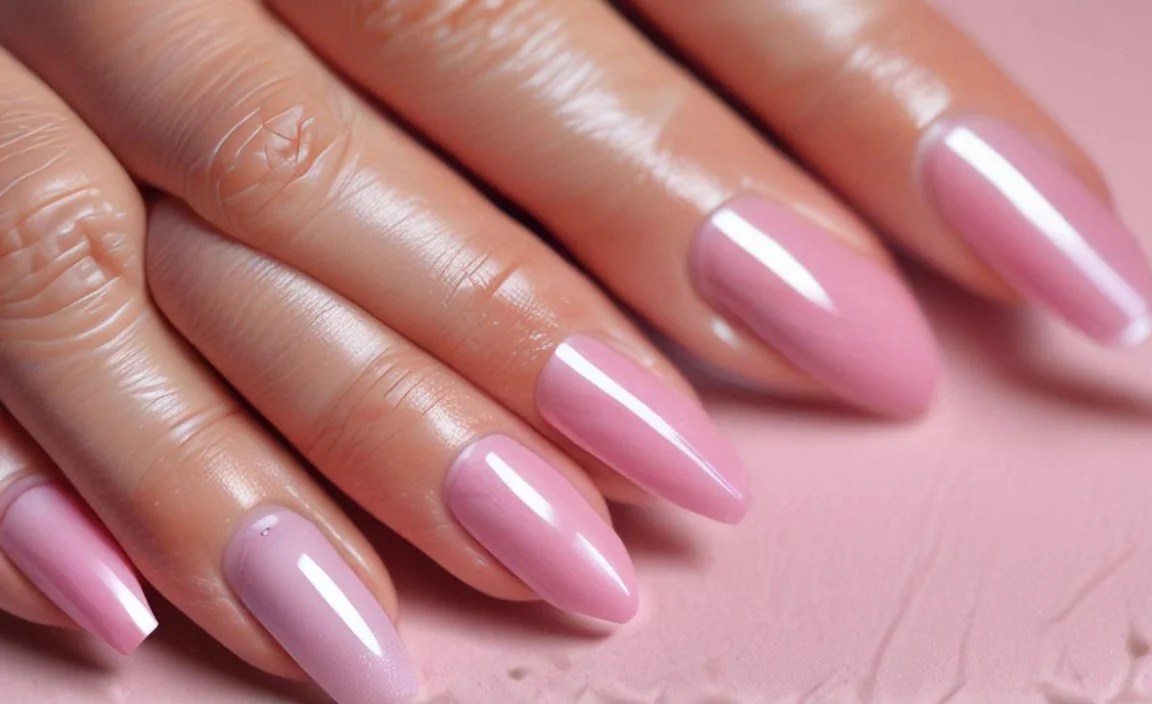
Once you’ve mastered the basics, you can take your tape nail art to the next level.
Creating Negative Space Designs
Negative space is a trendy design where parts of your natural nail are left bare (or covered with a clear coat) to form part of the design.
How-To:
1. Apply base coat and let it dry.
2. Apply your first color to part of the nail, leaving a section bare. For instance, paint only the tip.
3. Once the first color is dry, cut tape to create a border around the painted section. This tape will protect the painted area.
4. Apply your second color to the exposed, unpainted section of the nail.
5. While the second color is wet, peel off the tape.
6. Let dry, then apply a top coat.
Using Tape with Glitter or Chrome Powders
Tape can also be a fantastic tool for applying these trendy finishes with precision.
How-To (Chrome Powder Example):
1. Apply base coat and let it dry.
2. Apply a no-wipe gel top coat and cure it under a UV/LED lamp. This is crucial for chrome powder adherence.
3. Rub your chrome powder onto the cured gel.
4. Apply your tape design over the chrome layer. Ensure edges are sealed.
5. Apply a thin layer of regular nail polish over the tape and chrome design.
6. While the regular polish is wet, carefully peel off the tape. The tape will lift the unpolished chrome, leaving your design.
7. Let it dry completely, then apply a top coat (if using regular polish) or a gel “before” you apply the tape.
Important Note: When working with gel polish and chrome powders, always follow the specific instructions for curing times and product application.
Troubleshooting Common Tape Nail Art Woes

Even with the best intentions, sometimes things don’t go perfectly. Here’s how to fix common issues:
| Problem | Solution | Preventative Measure |
| Smudged Lines | If the polish is still slightly wet, you can try to carefully “push” the smudged polish back into place with a cuticle pusher or orange stick. If it’s dry, you might need to cover the smudge with another detail or re-do the nail. | Ensure your base color is completely dry before applying tape. Peel tape off slowly and steadily. Sometimes, a quick-dry top coat can help set the polish faster. |
| Polish Lifting with Tape | This is very frustrating! If it’s minor, you might be able to press the lifted polish back down. If significant, clean up the area and consider a small freehand touch-up or adding a small glitter accent. | Use painter’s tape intended for delicate surfaces. Avoid pressing too hard when applying the tape. Ensure your base polish is fully dry and hardened. A thin layer of petroleum jelly around the cuticle, not on the nail plate itself, can sometimes help prevent lifting at the edges. |
| Polish Seeping Under Tape | Once dry, you can carefully use a fine-tipped brush dipped in nail polish remover to clean up the leaked polish around the design lines. This requires a very steady hand. | Press down the edges of the tape very firmly onto the nail surface. Ensure there are no gaps or curls in the tape. Applying thin layers of polish will also reduce the chance of seepage. |
| Uneven Tape Cuts | You can try to clean up with a fine brush and polish remover, or strategically place a small dot of glitter or a tiny charm over the imperfection. | Use sharp scissors or a craft knife for clean cuts. Practice cutting on scrap paper first. Consider using pre-cut nail art tape strips if you struggle with cutting. |
| Tape Sticking Too Much to File | Briefly stick the tape to the back of your hand before applying it to your nail. This will reduce its tackiness significantly. | Always test the tape’s adhesion on a scrap surface. If using very strong tape, consider the “back of hand” method to reduce stickiness. |
Frequently Asked Questions About Tape Nail Art
Q1: What is the best type of tape for nail art?
A1: For sharp, thin lines, standard clear scotch tape or specialized nail art tape works well. For wider stripes and geometric blocking, low-tack painter’s tape is excellent. Always ensure the tape isn’t too sticky, or it might lift your polish.
Q2: How do I prevent polish from bleeding under the tape?
A2: The key is to make sure your base polish is completely dry. Also, press the edges of the tape down very firmly onto the nail. Applying thin coats of polish on top of the tape also helps reduce seepage.
Q3: When should I peel off the tape?
A3: You should peel off the tape when the polish you just applied over it is still wet. This allows for a cleaner lift and prevents the polish from drying and potentially cracking or smudging with the tape.
Q4: Can I use tape nail art with gel polish?
A4: Yes! With gel polish, it’s crucial to cure each layer completely. You can apply tape over a cured gel color. Apply your next gel color over the tape, then cure. Peel off the tape after* curing. A final gel top coat will seal the design.
Q5: My tape is lifting my nail polish. What can I do?
A5: This usually means your base polish isn’t dry enough, or the tape is too sticky. Try letting your base color dry for at least 10-15 minutes, or use a quick-dry top coat. You can also “de-tackify” your tape by sticking it to your hand or a piece of fabric once or twice before applying it to your nail.
