Proven Simple Dotting Tool Nail Designs Offer Effortless Elegance. Master easy, beautiful nail art with readily available dotting tools and basic techniques. Create stunning looks for any occasion with this beginner-friendly guide.
Welcome to the wonderful world of nail art! Have you ever admired intricate nail designs and thought, “I could never do that!”? Many of us have. The fear of complicated techniques or expensive tools can hold us back from expressing our creativity. But what if I told you that you could create stunning, professional-looking nail designs with just a few simple tools and a little practice? It’s true! Dotting tools are your secret weapon for achieving beautiful patterns without the fuss. Today, we’re diving into the easiest and most effective ways to use these magical little tools to transform your nails into tiny works of art. Get ready to be amazed by what you can create!
Your Essential Guide to Simple Dotting Tool Nail Designs
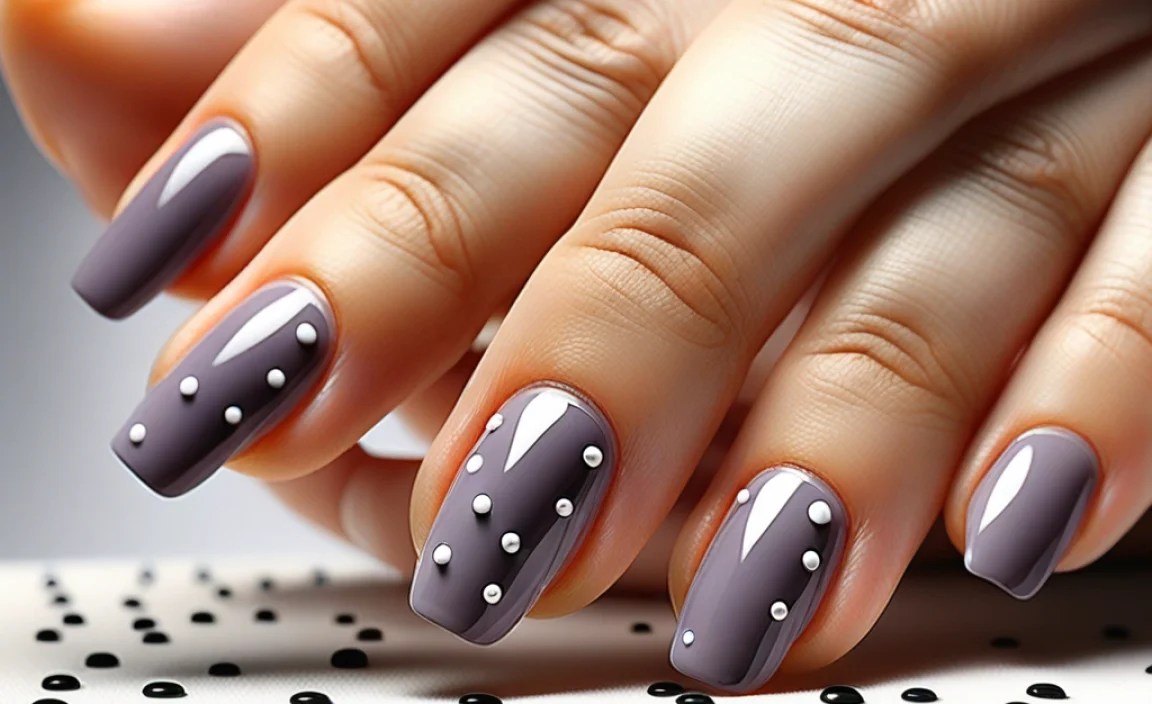
Let’s make nail art accessible and fun for everyone! Dotting tools are inexpensive, easy to find, and incredibly versatile. They are the perfect starting point for anyone looking to dip their toes into the world of DIY nail designs. Forget those intimidating brushes and complex tutorials; dotting tools simplify the process, allowing you to achieve polished results with minimal effort. Whether you’re a complete beginner or looking for quick, elegant designs, this guide is for you. We’ll cover everything from the basic tools you need to step-by-step design ideas that will have you feeling like a pro in no time.
What Exactly is a Dotting Tool?
Before we jump into creating magic, let’s get acquainted with our main character: the dotting tool. A nail dotting tool is essentially a stick with a small metal ball at the end. They come in various sizes, from tiny pinhead-sized balls to larger ones. This variety allows you to create dots of different sizes and, by extension, a range of beautiful patterns.
Think of them as your precision stampers for nail polish! The metal ball is smooth, making it ideal for picking up and placing dots of polish cleanly and evenly on your nails. They are not just for dots, either! You can use the edge of the ball to create swirls, lines, and even tiny flower petals.
Why Are Dotting Tools Perfect for Beginners?
Simplicity: The core function is to make dots, which is inherently easy to learn.
Affordability: Dotting tools are very inexpensive, making them a budget-friendly addition to your nail art kit. You can often find sets of multiple tools for just a few dollars.
Versatility: Beyond dots, they can create lines, swirls, and even small shapes with a bit of practice.
Control: The small ball end gives you more control than trying to freehand with a polish brush.
Quick Results: You can achieve a noticeable design in minutes.
Gathering Your Dotting Tool Arsenal
To start creating your simple dotting tool nail designs, you’ll need a few key items. Don’t worry; it’s a short and sweet list!
Essential Tools and Supplies:
- Nail Dotting Tools: A set with various ball sizes is ideal. Look for tools that feel comfortable in your hand.
- Nail Polish: Your base color(s) and accent colors for your designs.
- Top Coat: To seal your design and add shine.
- Base Coat: To protect your natural nails and help polish adhere better.
- Palette or Paper: A small dish, a tile, or even a piece of paper to place your polish on for dotting.
- Nail Polish Remover & Cotton Swabs: For cleaning up any mistakes.
Choosing Your Dotting Tools: A Closer Look
When selecting dotting tools, aim for variety. A good beginner set will typically include 5-10 tools with ball sizes ranging from approximately 0.5mm to 5mm. This range will allow you to create anything from delicate, tiny accents to bolder, statement dots.
Smallest Balls (0.5mm – 1mm): Perfect for fine details, intricate patterns, and creating tiny “specks” of color. Think of creating constellations or intricate floral centers.
Medium Balls (1.5mm – 3mm): Your go-to for standard dots in patterns like polka dots, creating larger flower petals, or solid accent dots.
Largest Balls (4mm – 5mm): Great for creating larger focal points, bold statements, or even filling in larger areas with color if needed.
You can find excellent quality dotting tools online through retailers like Amazon or specialize beauty supply stores. Many professional nail technicians also recommend specific brands for their durability and consistent performance. For a deep dive into nail art tools and their uses, resources like the Nailpro magazine website offer fantastic insights.
Mastering the Dotting Technique: It’s Easier Than You Think!
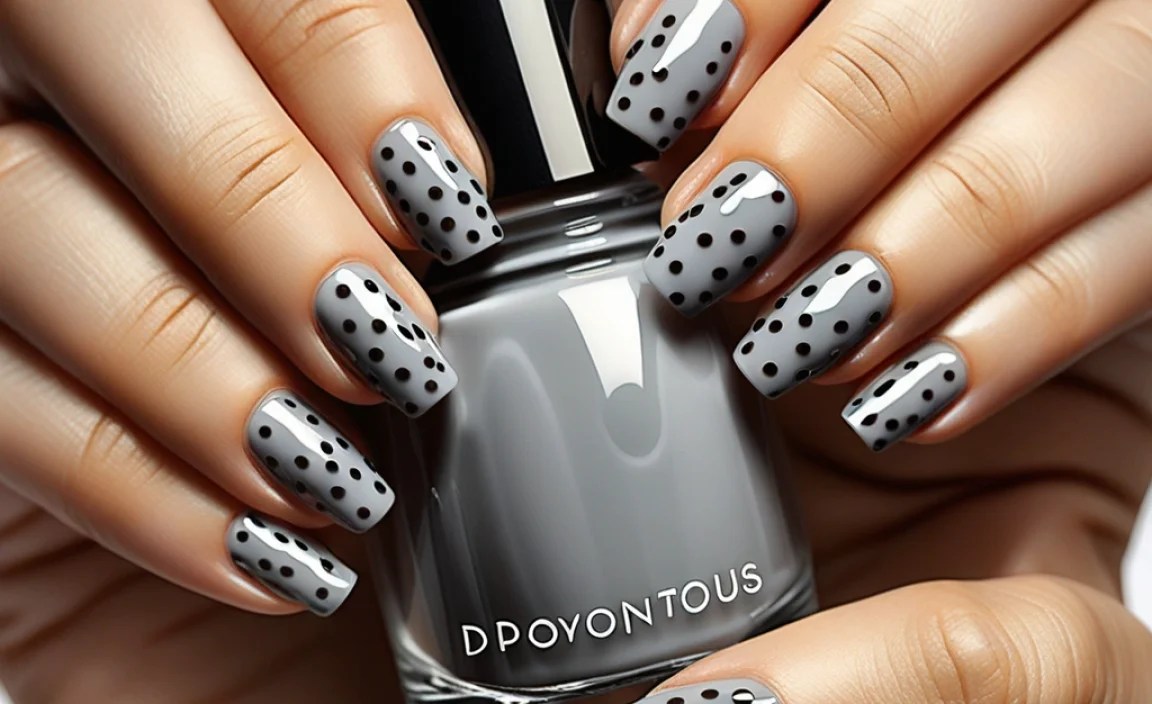
The beauty of dotting tools lies in their intuitive use. Here’s how to get started:
Step 1: Prepare Your Nails
Start with clean, dry nails. Apply a base coat to protect your nails and create a smooth surface. Let it dry completely.
Step 2: Apply Your Base Color
Paint your nails with your chosen base color and let it dry thoroughly. A fully dry base coat is crucial to prevent dragging or smudging when you start dotting.
Step 3: Prep Your “Palette”
Put a small amount of the polish you want to use for your dots onto your palette or paper. You don’t need a lot; just a small pool is enough.
Step 4: Load Your Dotting Tool
Dip the ball end of your dotting tool into the pool of polish. You want to pick up a decent amount of polish, but not so much that it drips. Aim for a smooth, even coating on the ball.
Step 5: Make Your Dot!
Gently touch the tip of the polish-loaded ball to your nail.
Full Dot: For a round dot, simply press the ball straight down and lift.
Trailing Dot: For a slightly tapered dot or a mini-line, press and gently drag the tool slightly.
Pro Tip: If you want a consistent dot size, try to use the same amount of pressure and time for each dot. Wipe your dotting tool on a piece of paper towel or a lint-free wipe between colors or when picking up fresh polish to avoid mixing colors and ensure clean dots.
Step 6: Repeat and Create Patterns
Continue adding dots to create your desired design. Work one nail at a time or dot a few nails at once if you’re feeling confident!
Step 7: Clean Up
Dip a cotton swab in nail polish remover for precise cleanups around your cuticles and nail edges.
Step 8: Seal the Deal
Once your design is completely dry, apply a generous layer of top coat. This will protect your design from chipping and give it a beautiful glossy finish.
Proven Simple Dotting Tool Nail Designs for Every Skill Level

Now for the fun part – bringing your nails to life! These designs are incredibly simple but yield impressive results.
1. The Classic Polka Dot Manicure
This is the quintessential dotting tool design, and for good reason! It’s timeless, chic, and incredibly easy.
How-to:
- Apply your base coat and base color.
- Using a medium-sized dotting tool, create uniform dots across your nail. You can space them evenly with a small dotting tool or make them randomly scattered.
- Alternatively, create a gradient effect by starting with larger dots on the nail bed fading to smaller dots towards the tip.
- Seal with a top coat.
Variations:
Two-Toned Dots: Use two contrasting colors for your dots on a neutral base.
Reverse French: Apply a solid color to the nail, then use a small dotting tool to draw a curved line of dots just along the cuticle.
Accent Nail: Apply polka dots to just one or two nails for a subtle touch of flair.
2. The “Constellation” or “Starry Night” Design
This design evokes the magic of the night sky and is surprisingly simple to achieve.
How-to:
- Use a dark blue or black polish as your base.
- Once dry, use your smallest dotting tools and white or silver polish to create tiny, scattered dots all over the nail.
- For an extra touch, add a few slightly larger dots to represent brighter stars or even a tiny crescent moon with your dotting tool.
- Finish with a shimmering or clear top coat.
Tip: Don’t aim for perfect symmetry; the beauty of a night sky is its natural, scattered appearance.
3. The “Confetti” or “Sprinkle” Effect
Perfect for celebrations or just adding a pop of fun to your day!
How-to:
- Apply a solid base color, like white, black, or a pastel.
- While the base color is still slightly tacky (or after it’s dry, depending on the polish’s finish), randomly place small dots of various bright colors (pinks, blues, yellows, greens) using your smallest dotting tools.
- You can also use glitter polishes for this effect!
- Seal with a top coat once fully dry.
Tip: For a true confetti look, use a variety of colors and dot sizes.
4. The “Marble” Effect (Simplified)
Achieve a sophisticated marble look with minimal fuss.
How-to:
- Apply your base color (e.g., white).
- On your palette, place a small amount of your accent color (e.g., black, grey, or a deep jewel tone).
- Dip your dotting tool into the accent color, then slightly swirl it into a tiny bit of your base color on the palette before applying to the nail.
- Gently press and drag. Try to create wispy, irregular lines rather than perfect dots. The goal is to mimic the organic flow of marble.
- You can add more dots of another color and blend them slightly for added depth.
- Seal with a top coat once completely dry.
5. The “Floral Accents” Design
Create simple, charming floral elements.
How-to:
- Paint nails with a base color (e.g., pastel pink, light blue).
- Using a medium dotting tool and a contrasting color (like white or a deeper shade), create five dots in a circular pattern, leaving a small space in the center.
- Use your smallest dotting tool to add a tiny dot of a contrasting color (or the same color as the flower petals) in the center for the flower’s pistil/stamen.
- Alternatively, use a larger dot for the center and four slightly smaller dots around it for a simpler bloom.
- Seal with your top coat.
6. The “Minimalist Lines & Dots” Design
Clean, modern, and incredibly easy.
How-to:
- Apply a neutral or nude base color.
- Using a thin dotting tool, create a few small dots near the cuticle or along one side of the nail.
- Then, using the same tool or a slightly larger one, draw a short, thin line extending from one of the dots or simply placed strategically on the nail.
- Keep it sparse for a chic, understated look.
- Seal with a top coat.
Tips for Perfecting Your Dotting Tool Designs
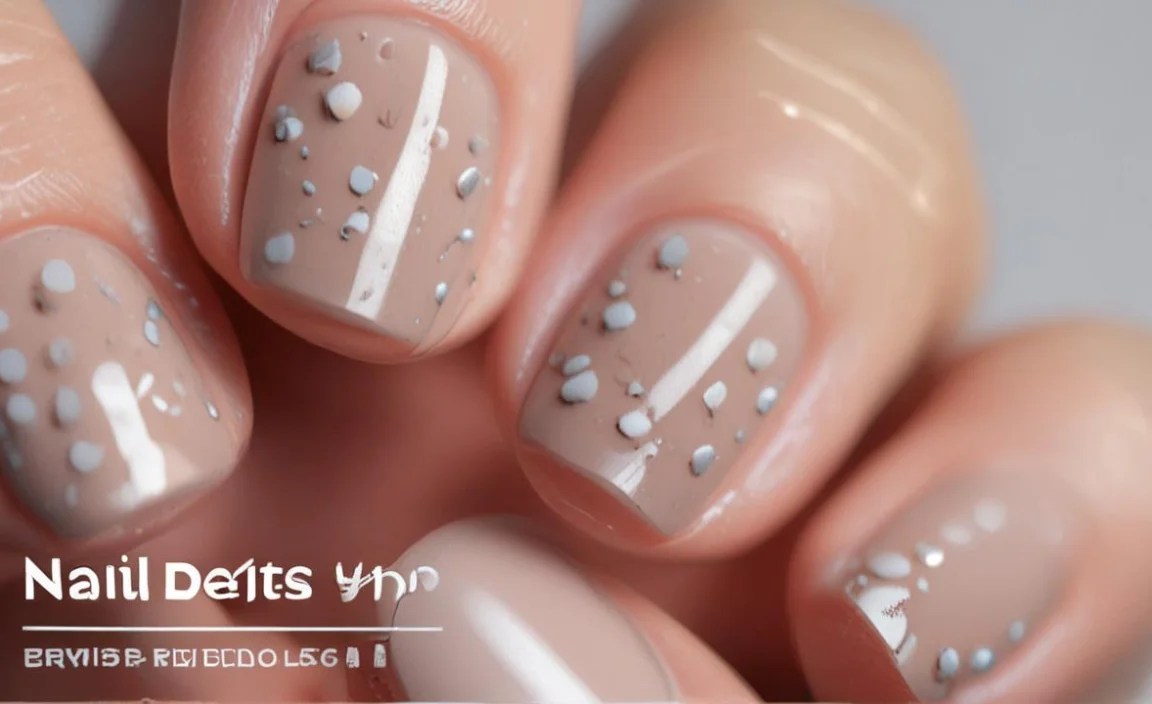
Polish Consistency is Key: If your polish is too thick, it will be lumpy. If it’s too thin, it will spread and won’t hold a defined dot. If you’re struggling, add a drop of nail polish thinner.
Wipe, Wipe, Wipe: Keep a lint-free wipe or paper towel handy. Wipe your dotting tool between each dot, especially when changing colors, to prevent accidental mixing and keep your designs clean.
Don’t Overload: Too much polish on the tool leads to big, blobby dots that can smudge. Aim for just enough to coat the ball smoothly.
Practice on Paper: Before you go for your nails, practice making dots on a piece of paper or a nail swatch stick to get a feel for the pressure and polish amount.
Clean Your Tools: After use, gently wipe your dotting tools clean with nail polish remover. This ensures they are ready for your next creation.
Seal Your Work: A good top coat is non-negotiable. It protects your art, prevents smudging, and adds that professional, glossy finish. Consider a quick-dry top coat if you’re in a hurry.
Beyond the Basics: Elevating Your Dotting Game
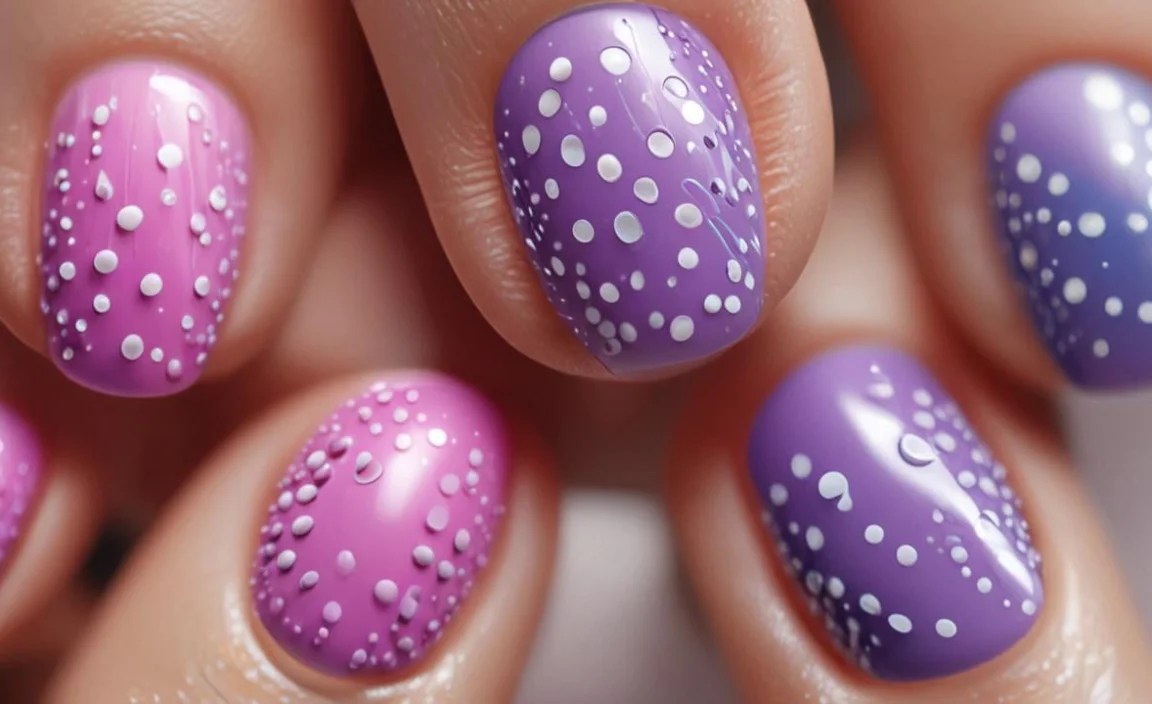
Once you’re comfortable with the basics, you can start experimenting with more ambitious yet still simple designs.
Creating Gradient Dots
Want to add depth? Try creating dots by fading from one color to another.
Method:
- Apply your base color.
- On your palette, place a small amount of polish color A and right next to it, a small amount of polish color B.
- Dip your dotting tool into color A, then slightly swirl it into color B on your palette.
- Apply to the nail. You should get a blended dot. Repeat this process, adjusting the amount of each color on your tool to create a gradient effect.
Using Different Textures
Don’t limit yourself to just cream polishes.
Glitter: Use glitter polish with your dotting tool for sparkling accents and confetti effects.
Metallic/Chrome: These add a sophisticated sheen.
Flakie Top Coats: Apply a flakie top coat over your dots for a multi-dimensional effect.
Combining Techniques
Mix dotting with other simple nail art elements.
Striping Tape: Create geometric designs with striping tape and then add dots within or around the taped sections.
Stamping Plates: Use dotting tools to fill in small areas of a stamped design or add accent dots.
Dotting Tool Care and Maintenance
Proper care ensures your dotting tools last and perform well.
| Tool Type | Cleaning Method | Frequency | Storage Recommendation |
| Metal Ball Dotting Tools | Wipe immediately with nail polish remover on a lint-free wipe. For stubborn polish, soak tip in remover briefly. | After each use | Store in a protective case, jar, or pouch to prevent damage. |
| Acrylic Handles | Clean handle with a damp cloth or mild soap and water if needed. | As needed | Keep away from prolonged exposure to extreme temperatures. |
For a comprehensive understanding of nail care best practices, checking out resources from reputable organizations like the Centers for Disease Control and Prevention (CDC) regarding hygiene can offer a broader perspective on cleanliness, even in cosmetic applications.
Frequently Asked Questions About Simple Dotting Tool Nail Designs
Here are some common questions beginners have about using dotting tools:
Q1: How do I get my dots to be the same size?
A1: Consistency comes with practice! Try to use the same amount of pressure and the same amount of polish on your tool for each dot. Always wipe your tool clean between dots.
Q2: My dots are smearing or dragging. What am I doing wrong?
A2: This usually happens if your base polish isn’t dry enough. Ensure your base color is completely dry before you start dotting. Also, ensure you’re not pressing too hard or dragging the tool when you lift it.
Q3: What if I don’t have a palette?
A3: No problem! A small piece of aluminum foil, a ceramic tile, a plastic lid, or even a piece of wax paper can work as a makeshift palette for your polish.
Q4: Can I use regular nail polish with my dotting tools?
A4: Yes, absolutely! Standard nail polish is what dotting tools are designed for. Gel polish can also be used, but it cures differently and may require different techniques or base/top coats.
Q5: How do I clean my dotting tools effectively?
A5: The easiest way is to wipe them clean with nail polish remover on a lint-free wipe immediately after use. For dried polish, a brief soak in nail polish remover can help loosen it.
Q6: Can I use dotting tools for more than just dots?
A6: Definitely! By slightly dragging the ball, you can create short lines. You can also use the edge to create swirls or even small petal shapes. Experimentation is key!
