Achieve a groovy retro 70s swirl nail design effortlessly! This beginner-friendly guide breaks down the simple steps and essential tools to create this fun, psychedelic look that screams vintage flair. Get ready to express your unique style with this easy-to-master nail art.
Feeling like your nails need a little pick-me-up? Do you love the idea of a fun, retro vibe but worry nail art is too complicated? You’re not alone! Many of us see those amazing swirly nail designs and think, “There’s no way I can do that!” But what if I told you that creating a gorgeous retro 70s swirl nail design is actually super simple and incredibly fun? We’re talking about a look that’s all about embracing your inner flower child and letting your fingertips do the talking. It’s playful, it’s stylish, and it’s much more achievable than you might think. Get ready to say goodbye to boring nails and hello to a world of effortless beauty and self-expression. We’ll guide you through every single step, so prepare to unleash your inner nail art star!
Unlocking the Magic: Why 70s Swirl Nails Are a Hit

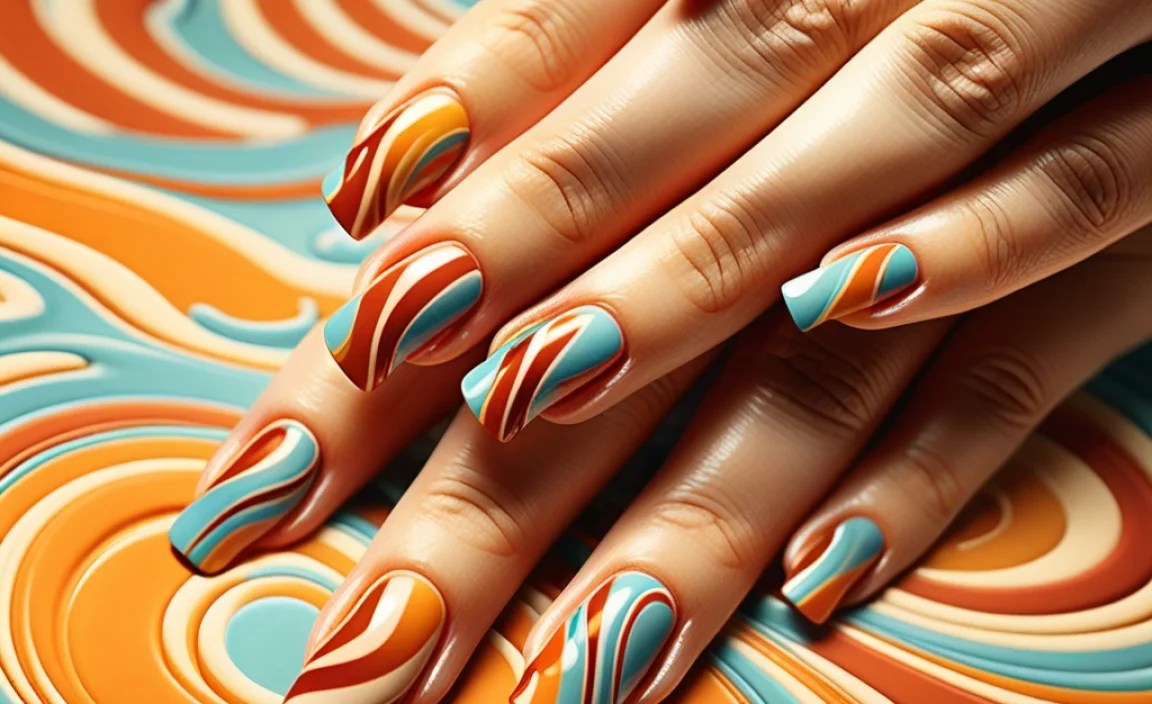
The 1970s were a time of vibrant self-expression, bold fashion, and a general shake-up of traditional norms. This translated beautifully into the nail art of the era, which often featured psychedelic patterns, groovy colors, and a sense of carefree fun. The 70s swirl nail design perfectly captures this spirit. It’s characterized by flowing, organic lines that intermingle, creating a visually captivating and almost hypnotic effect. Think of melting rainbows, lava lamps, or the swirling patterns you might see in vintage tie-dye. These designs are instantly recognizable and bring a nostalgic charm that’s timelessly cool.
Why is this design so popular, especially now?
- Nostalgia Factor: Retro styles are constantly coming back, and the 70s aesthetic is a huge trend. This nail design taps right into that feel-good, vintage appeal.
- Versatility: You can adapt the colors to match any outfit or mood. From soft pastels to vibrant neons, the possibilities are endless.
- Beginner-Friendly: Unlike intricate freehand art, the beauty of the swirl design lies in its wobbly, imperfect charm. This makes it perfect for those new to DIY nail art.
- Statement Maker: It’s a unique way to add personality to your look without being over the top. It’s art you can wear!
Ready to dive into the world of fun, feathered lines? Let’s get started with what you’ll need!
Gather Your Groovy Gear: Essential Tools and Supplies

Before we start swirling, let’s make sure you have everything you need. The great news is that you likely already have many of these items, or they are very inexpensive and easy to find. The key is to have the right tools to make the application smooth and enjoyable. Think of this as your personal nail art toolkit for channeling your inner 70s icon!
The Must-Haves for Your Swirltastic Manicure:
- Base Coat: Protects your natural nails and helps your polish last longer.
- Top Coat: Seals your design and adds a brilliant shine.
- Nail Polish Colors: Choose at least two contrasting colors. Popular 70s palettes include earthy tones (browns, oranges, mustard yellow), bright pops (hot pink, lime green, turquoise), or classic combos (black and white, pastel blues and pinks).
- Dotting Tool: This is your secret weapon for creating perfect swirls! They come in various sizes, and one with a medium-sized ball tip is ideal for this design. If you don’t have one, the tip of a toothpick or even the end of a bobby pin can work in a pinch.
- Detail Brush (Optional but helpful): A thin, fine-tipped brush can help clean up edges or add extra fine swirl details.
- Nail Polish Remover: For quick clean-ups.
- Cotton Swabs or Small Brush: For precise cleanup around the cuticle area.
- Orange Stick or Cuticle Pusher: To tidy up your cuticles.
Having a good quality base and top coat is crucial for a professional-looking and long-lasting manicure. For a great primer on nail care that complements any design, check out these tips from Mayo Clinic. Understanding nail health ensures your beautiful designs have a strong, healthy canvas.
Now, let’s talk about selecting colors that scream 70s.
Choosing Your 70s Color Palette
The 70s were all about bold, often warm, and sometimes earthy color combinations. When picking your polishes, consider these iconic pairings:
| Vibe | Color Combinations | Example Polishes |
|---|---|---|
| Earthy & Groovy | Mustard Yellow & Chocolate Brown | A golden yellow paired with a deep, rich brown. |
| Psychedelic Pop | Hot Pink & Lime Green | A vibrant fuchsia with a zesty, electric green. |
| Mellow & Mod | Aqua Blue & Creamy White | A slightly muted teal or turquoise with an off-white. |
| Classic & Chic | Black & White | Timeless contrast that always works. |
| Sunset Hues | Burnt Orange & Deep Burgundy | Warm, inviting tones reminiscent of a sunset. |
Don’t be afraid to mix and match! The beauty of this design is its free-spirited nature. If you love a color combination, go for it!
The Step-by-Step Guide to Your Retro 70s Swirl Nail Design

Alright, nail art adventurers, it’s time for the main event! This tutorial is designed for absolute beginners. We’ll take it slow, step by step, so you can feel confident and create a look you’ll love. Remember, the charm of this design is its imperfection. Don’t stress if it’s not perfectly symmetrical – that’s part of its groovy appeal!
Preparation: Setting the Stage for Swirls
A great design starts with a great foundation. Properly prepped nails will make application easier and your design last longer.
- Clean Your Nails: Start with clean, dry nails. Remove any old polish with nail polish remover.
- Shape Your Nails: File them to your desired shape. Square, squoval, or almond shapes all work wonderfully with this design.
- Push Back Cuticles: Gently push back your cuticles using an orange stick or cuticle pusher. This gives you more nail surface to work with and a cleaner look.
- Apply Base Coat: Apply one thin layer of your base coat. Let it dry completely for a minute or two. This is crucial for preventing staining and creating a smooth surface for your colors.
Step 1: Lay Down Your Base Color
This will be the background for your swirls. Choose one of your selected nail polish colors for this step.
- Apply Polish: Apply two thin, even coats of your base color. Thin coats dry faster and are less prone to bubbling.
- Let it Dry: Allow the second coat to dry almost completely. It should be tacky to the touch, but not wet. This tackiness will help the next color adhere. If it’s too dry, the swirl won’t stick; if it’s too wet, the colors will just blend into a muddy mess.
Step 2: Creating the Swirl
This is where the magic happens! Grab your dotting tool and your contrasting polish color.
- Load Your Dotting Tool: Dip the ball end of your dotting tool into your second polish color. You don’t need a huge blob, just enough to make a distinct dot.
- Place a Dot: Gently place a dot of this contrasting color onto your nail. Don’t worry about placement just yet; it can be anywhere on the nail.
- Start Swirling: With a light touch, drag the dotting tool through the polish in a swirly, wavy motion. Think of drawing a loose ‘S’ shape, a loop, or a figure-eight. The key is to keep the movement fluid and organic. You don’t need to press hard – let the polish do the work.
- Add More Dots (Optional): For a more complex or layered look, you can add another dot of the same color or even a third color and drag it through the existing swirls. Experiment with different patterns.
- Clean Up: If you get polish where you don’t want it, dip a cotton swab or a small brush in nail polish remover and carefully clean up the edges around your cuticle and sidewalls.
Pro Tip: If the swirl isn’t forming correctly, or the colors are blending too much, your polish might be too wet or too dry. Adjust accordingly for your next nail. It’s all about practice!
Step 3: Adding Depth and Detail (Optional)
Want to take your swirls to the next level? You can add a third color or refine your existing design.
- Third Color Swirls: Using a different color and a clean dotting tool (or even a toothpick), add smaller swirls or dots to complement or contrast with your main swirl. You can weave these smaller lines around or through the first set.
- Use a Detail Brush: For very fine lines, load a fine-tipped detail brush with polish and carefully draw thin lines that follow or accent your main swirl.
Remember, less is often more, especially when you’re starting. A simple two-color swirl can be just as impactful!
Step 4: The Grand Finale – Top Coat
This is the essential finishing touch that seals everything in and gives your nails that professional, glossy sheen.
- Apply Top Coat: Apply one generous layer of top coat over your entire nail, making sure to cap the free edge (swipe the brush across the tip of your nail). This helps prevent chipping.
- Let it Dry: Be patient! Allow your top coat to dry completely. This can take anywhere from 5-15 minutes, depending on the type of top coat you use. Avoid touching anything until your nails are fully dry to prevent smudges.
And there you have it! Your very own retro 70s swirl nail design, created by you!
Troubleshooting & Tips from Nailerguy
Even the most experienced nail artists run into a snag now and then. Here are some common issues you might face and how to fix them, along with some extra tips to make your swirling experience even smoother.
Common Swirl Struggles & Solutions:
- Colors Blending Too Much: This usually happens if your base color is too wet, or you’re applying the swirl color too thickly.
- Solution: Ensure your base color is tacky but not wet. Apply the swirl color in thinner lines. If they blend too much, grab a clean dotting tool or toothpick and carefully lift some of the excess color away.
- Uneven or Jagged Swirls: You might be pressing too hard or dragging the tool too quickly.
- Solution: Use a lighter touch. Think of “painting” the swirl rather than “digging” into the polish. Slow down your movements.
- Polish Not Sticking: Your base layer might be too dry.
- Solution: Make sure the base color is still slightly tacky when you apply the swirl dots. If it’s fully dry, you may need to reapply a very thin layer of the base color and let it get tacky again before swirling.
- Smudging: This is the most common culprit, even with top coat.
- Solution: Patience is key! Let each layer dry thoroughly, especially the top coat. Avoid doing anything with your hands immediately after painting.
My Top Tips for Swirl Success:
- Practice Makes Perfect: Don’t expect your first attempt to be salon-perfect. Grab some paper and practice the swirling motion with a pen or marker first. Then try it on a nail art practice mat or even a piece of paper with polish.
- Control Your Polish Load: Less polish on your dotting tool is better than too much. You can always add more.
- Clean Your Tool: Wipe your dotting tool or toothpick clean with nail polish remover between each nail, or even between each swirl, to prevent muddy colors.
- Work Quickly but Steady: Nail polish dries fast! Have your colors and tools ready to go. Once you apply the dot, swirl it in a fluid motion without too much hesitation.
- Embrace Imperfection: Seriously, the charm of this design is its wobbly, organic feel. Wabi-sabi, anyone?
- Consider a Quick-Dry Top Coat: These can be a lifesaver for busy bees, significantly reducing drying time. Read more about nail polish drying accelerators and top coats on beauty blogs offering in-depth reviews.
Remember, these are guidelines, not strict rules. The most important thing is to have fun and experiment!
NailerGuy Recommendation: Dotting Tools for Every Budget
When it comes to dotting tools, you have options! For a beginner, you don’t need to break the bank to get started.
| Type of Tool | Pros | Cons | Best For |
|---|---|---|---|
| Plastic Dotting Tools (Set of 5) | Very affordable, usually come with multiple tip sizes, lightweight. | Can sometimes feel less sturdy, tips might wear down over time. | Absolute beginners, practicing techniques, kids’ nail art. |
| Metal Dotting Tools (Set of 5-10) | Durable, precise ball tips, easy to clean, feel professional. | Slightly more expensive than plastic, need to be careful not to bend tips. | Beginners wanting a step up, intermediate artists, detailed work. |
| DIY Toothpick/Bobby Pin | Free/nearly free, readily available at home. | Less consistent dot size, can be fiddly to use, might snag polish. | Emergency situations, very basic dots and swirl attempts. |
I personally love a good set of metal dotting tools. They offer excellent control and the ball tips are so consistent. You can find excellent starter kits on many online beauty retailers or crafting sites. For a solid overview of nail art tools and their uses, you can explore resources from nail art supply companies that often have helpful guides.
FAQ: Your Retro 70s Swirl Nail Questions Answered
Here are some common questions beginners have about creating 70s swirl nail designs.
Q1: My swirls always look messy. What am I doing wrong?
A1: It’s likely a combination of your polish consistency and tool technique. Make sure your base polish is tacky, not wet. Use a light touch with your dotting tool and try dragging it more fluidly, like drawing a loose ‘S’ or a wave. Don’t press too hard!
Q2: Can I do this with regular nail polish, or do I need special gel or acrylics?
A2: Regular nail polish works perfectly for this design! In fact, it’s often more forgiving for beginners because it dries slower than gel, giving you more time to work. As long as you have a good base and top coat, your swirls will look fantastic.
Q3: How can I make my swirls look more uniform across all my nails?
A3: While perfect uniformity isn’t the goal of this retro design, consistency comes with practice. Try to use a similar amount of polish on your dotting tool for each nail and practice the same swirling motion. You can also use dotting tools with different sized tips to control the thickness of your swirls.
Q4: What if I don’t have a dotting tool? Can I use something else?
A4: Absolutely! The tip of a wooden toothpick is a fantastic substitute. You can also try the rounded end of a bobby pin, or even a fine ballpoint pen tip (just make sure it’s clean and you’re using the polish.
