Quick Summary: Safely remove gel nails at home with this easy, proven method using acetone soak and gentle filing, protecting your natural nails from damage.
Gel nails are fantastic! They give you that long-lasting, chip-free shine that regular polish just can’t match. But when it’s time for a change, or if you’re just ready for a fresh start, figuring out how to get them off without ruining your natural nails can feel a little daunting. Don’t worry, I’ve got you covered! We’ll walk through a super simple, safe, and effective way to remove gel polish right at home. You’ll be amazed at how easy it is to get your nails back to their healthy, happy state. Ready to dive in and reveal your gorgeous natural nails?
Why Safe Gel Nail Removal Matters

Gel polish is designed to be tough, which is exactly why we love it for its staying power. However, this also means that improper removal can lead to some unwelcome consequences for your natural nails. Peeling or aggressively filing can strip away the top layers of your nail plate, leading to dryness, brittleness, peeling, and even thinning. None of us want that! That’s why taking a little extra time and using the right techniques makes all the difference. We want to preserve the health and strength of your natural nails while enjoying beautiful gel manicures. Let’s learn how to nurture your nails while removing that gel!
Gather Your Supplies: What You’ll Need

Before we start the gentle gel removal process, let’s make sure you have everything you need. Having all your supplies ready will make the whole experience smooth and enjoyable. Think of it like prepping your ingredients before cooking – it makes the actual “doing” so much easier!
Essential Tools for Safe Gel Removal
- 100% Acetone: This is your best friend for dissolving gel polish. You can find it at most drugstores or beauty supply stores. Make sure it’s 100% acetone, as nail polish removers with added oils or conditioners might not be as effective.
- Cotton Balls or Pads: These will be used to soak up the acetone and apply it to your nails.
- Aluminum Foil: Small squares of foil are perfect for wrapping around your fingertips to keep the acetone-soaked cotton in place and warm, speeding up the process.
- Nail File (180-240 grit): A medium-grit file is ideal for gently buffing the surface of the gel polish. We’re not trying to file down to your natural nail, just to create a slightly rough surface.
- Cuticle Pusher or Orange Stick: Once the gel is softened, you’ll use one of these to gently nudge it off.
- Cuticle Oil: Crucial for rehydrating and nourishing your nails and cuticles after the removal process.
- Buffer Block: A gentle buffer will smooth out any rough spots and give your natural nails a healthy sheen.
- Hand Cream: For that final touch of moisture.
Step-by-Step: The Proven Method for Safe Gel Nail Removal

Now, let’s get to the fun part – removing that gel polish safely and effectively. Follow these steps carefully, and you’ll be amazed at how easily your gel disappears, leaving your natural nails intact and happy!
Step 1: Gently Buff the Surface
This first step is super important, even though it feels counterintuitive to file when you want to protect your nails. We’re not filing your natural nail! Grab your medium-grit nail file (the 180-240 grit range is perfect). Gently buff the top shiny layer of the gel polish across all your nails. The goal here is to remove the seal of the gel, creating tiny scratches. This allows the acetone to penetrate and do its job more effectively. Think of it like creating little openings for the magic potion to work its way in. Don’t press too hard or file until you see pink; just a light, even buffing will do.
Step 2: Prepare Your Soaking Station
Next, break out those cotton balls and aluminum foil. Tear each cotton ball into a few smaller pieces, just big enough to cover the surface of one nail. Now, soak each piece of cotton thoroughly with 100% acetone. You want them wet, but not dripping excessively. Then, take your small squares of aluminum foil – about 3×3 inches should be plenty. You’ll need five squares, one for each finger.
Step 3: Wrap It Up!
Place a soaked cotton piece directly onto the surface of one gel-polished nail. Then, carefully wrap a piece of aluminum foil around your fingertip, securing the cotton ball in place against the nail. The foil helps to trap heat and keep the acetone concentrated on the gel. Repeat this for all ten nails. It might feel a little silly, but trust me, this is where the magic happens!
Step 4: The Waiting Game (Patience is Key!)
Now, you wait! Let the acetone work its magic for about 10-15 minutes. During this time, the acetone will break down the gel polish, softening it into a gooey state. You don’t need to do anything but relax. Maybe put on some music, catch up on your favorite show, or just enjoy a few moments of quiet. After about 10 minutes, you can gently try to nudge the foil off one finger to check. If the gel is still stubborn, re-wrap it and give it another 5 minutes. Remember, gentleness is key!
Step 5: Gently Remove the Softened Gel
Once the gel appears softened and a bit “puddy-like,” it’s time to remove it. Carefully unwrap one finger at a time. Use your cuticle pusher or orange stick to gently push the softened gel off your nail plate. It should slide off relatively easily. If you encounter any resistance, don’t force it! This is often a sign that the gel isn’t fully softened yet. Re-wrap that finger with a fresh, acetone-soaked cotton pad and foil for another 5 minutes. Forcing it can damage your natural nail underneath. We’re aiming for a smooth lift-off.
Step 6: Clean Up and Nourish
After all the gel is removed, your nails might feel a little dry. This is completely normal. Gently wash your hands with soap and water to remove any residual acetone. Now, it’s time for some serious TLC! Apply a generous amount of cuticle oil to your nails and cuticles. Massage it in well. This helps to rehydrate and replenish the moisture that the acetone might have stripped away. Follow up with a good hand cream for extra softness.
Step 7: Buff for Shine
Your nails are almost ready! Take your buffer block and gently buff the surface of each nail. This will smooth out any ridges, even out the surface, and give your natural nails a beautiful, healthy sheen. A smooth nail surface is also a great base for your next manicure, whether it’s regular polish or another gel set. You’ll feel the difference immediately – your nails will feel smooth and look naturally healthy.
What NOT to Do: Common Gel Removal Mistakes to Avoid

We’ve covered the “how-to,” but it’s just as important to know what not to do. Avoiding these common pitfalls will ensure your gel removal process is as safe and effective as possible.
Mistakes to Steer Clear Of
- Peeling or Scraping: Never, ever peel or forcefully scrape off gel polish. This is the fastest way to damage your nail bed.
- Using a Metal Cuticle Pusher Aggressively: While a cuticle pusher is useful, applying too much pressure or digging into the nail can cause gouges and thin out your natural nail.
- Over-Filing the Natural Nail: Remember, the goal of initial filing is just to break the gel’s shine, not to file down to your natural nail.
- Using Harsh Acetone Alternatives: Stick to 100% pure acetone. Other removers might not work as effectively and could require more aggressive manipulation of your nails.
- Skipping the Hydration Step: Acetone is a dehydrator. Not rehydrating your nails with cuticle oil and hand cream is a missed opportunity to keep them healthy.
- Skipping the Buffing Step: A final buff smooths and protects your natural nail, giving it a healthy appearance after the gel removal.
Table: Comparing Removal Methods (Pros & Cons)
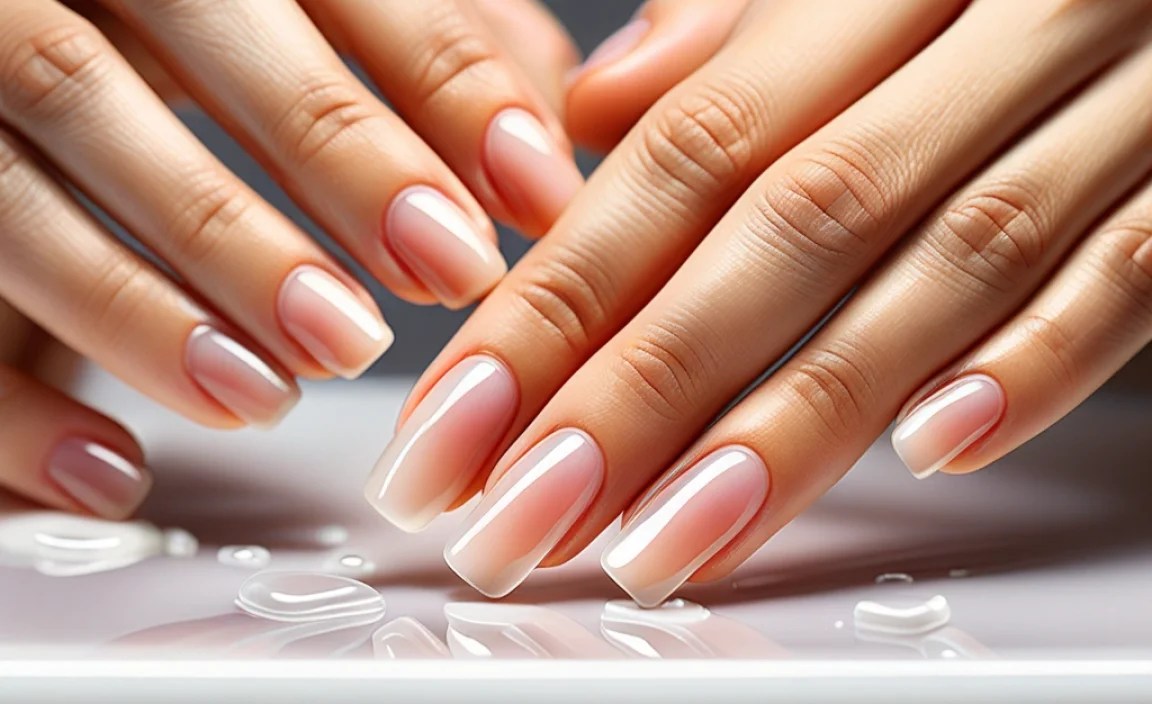
While the acetone soak method is highly recommended for beginners and safe removal, it’s useful to understand other methods and why the soak method is often preferred.
| Removal Method | Pros | Cons | Best For |
|---|---|---|---|
| Acetone Soak (Proven Method) | Highly effective, safest for natural nails, relatively quick once set, minimal damage risk. | Requires soaking time, can be messy if not wrapped properly, acetone can be drying. | Beginners, most gel polish types, preserving nail health. |
| E-File/Drill Removal | Very fast, efficient for removing thick gel layers. | High risk of damaging natural nails if not used correctly. Requires practice and skill to avoid overheating or “burning” the nail plate. | Experienced nail technicians, professional salon use. |
| Filing Off (Aggressive) | Can be quick if done without regard for nail health. | Extremely high risk of permanently damaging natural nails, thinning, and weakening. | Not recommended for safe removal; should be avoided. |
| Peeling/Popping Off | Seems fast and easy in the moment. | Causes significant damage to the nail plate, can lift nail layers, leading to weakness and breakage. | Never recommended; highly damaging to natural nails. |
Nourishing Your Nails Post-Gel Removal
Your natural nails have just been through a process, and now they need some love and attention! This is the perfect time to give them a boost of nourishment. Think of it as pampering your nails after they’ve done a great job of looking fabulous.
The Importance of Hydration
Acetone, while effective at dissolving gel, can also strip natural oils from your nails and cuticles. This can lead to dryness, brittleness, and a tendency for nails to peel or break. Replenishing moisture is absolutely critical for restoring nail health and flexibility. Properly hydrated nails are stronger and less prone to damage.
Post-Removal Nail Care Routine
- Cuticle Oil is Your Best Friend: Apply cuticle oil generously and regularly, especially in the first few days after gel removal. Massage it into the cuticles and nails. Ingredients like jojoba oil, almond oil, or even vitamin E oil are fantastic. The National Center for Complementary and Integrative Health notes that moisturizing can play a role in skin and nail care.
- Deep Conditioning Treatments: Consider using a nail strengthening or conditioning treatment. Many brands offer formulas designed to repair and hydrate damaged nails.
- Gentle Handling: Avoid using your nails as tools. Be mindful of how you open things or scrape surfaces.
- Healthy Diet: Remember that nail health also comes from within. Ensure you’re getting enough vitamins and minerals, particularly biotin, which is often associated with healthy hair and nails.
- Hydration from Within: Drinking plenty of water also contributes to overall skin and nail health.
FAQ: Your Gel Removal Questions Answered
Got a burning question about removing gel nails? You’re not alone! Here are some common questions beginners often ask, answered simply.
Q1: Can I remove gel nails with regular nail polish remover?
A: No, regular nail polish remover typically contains ethyl acetate or other solvents that are not strong enough to break down gel polish. You need 100% acetone for effective and safe gel removal. Using a weaker remover can lead to excessive scraping, which damages your natural nails.
Q2: How long should I soak my nails in acetone?
A: You should soak your nails by wrapping them with acetone-soaked cotton for about 10-15 minutes. If the gel doesn’t soften and lift easily after this time, re-wrap with fresh cotton and foil for another 5 minutes, but avoid exceeding 20 minutes of direct soaking without checking, as prolonged acetone exposure can dry out your nails excessively.
Q3: My gel polish is still stuck after the soak. What should I do?
A: If the gel isn’t lifting easily, don’t force it! Re-wrap the stubborn nail with a fresh, acetone-soaked cotton pad and foil for an additional 5 minutes. Ensure the acetone can properly penetrate the gel by making sure the top shiny layer was buffed sufficiently in the first step. Patience is key to avoiding nail damage.
Q4: How can I make my natural nails stronger after removing gel?
A: The best way to strengthen nails after gel removal is through consistent hydration. Apply cuticle oil and hand cream daily, use a nail strengthener or treatment product, and be gentle with your nails. A balanced diet rich in biotin and vitamins also supports nail health.
Q5: Is it okay to use a metal tool to scrape off gel?
A: It’s best to use a gentler tool like an orange stick or a plastic cuticle pusher for removing softened gel. If you must use a metal tool, do so with extreme gentleness and only on fully softened gel to avoid scratching or gouging your natural nail plate. The risk of damage is higher with metal tools.
Q6: Can I get another gel manicure immediately after removing the old one?
A: While you technically can, it’s highly recommended to give your natural nails a break and focus on rehydrating them for at least a few days to a week. This allows your nails to recover and prevents them from becoming overly dehydrated or weakened from back-to-back gel applications. If you do apply another gel, ensure your nails are well-hydrated and healthy beforehand.
Conclusion: Healthy Nails Are Always in Style
There you have it! Removing gel nails doesn’t have to be a nail-wrecking experience. By following this simple, proven method of buffing, soaking with acetone, and gently removing, you can safely transition from a beautiful gel manicure to healthy, natural nails. Remember, a little patience and the right steps go a long way in keeping your nails strong, beautiful, and ready for their next adventure. Don’t forget to slather on that cuticle oil and hand cream afterwards – it’s the perfect way to show your nails some post-gel love. Now you’re equipped with the knowledge to keep your manicure game strong and your natural nails even stronger. Happy nails!
