Photographing nail art for stunning results is achievable with simple techniques focusing on lighting, composition, and focus, ensuring your beautiful designs shine.
Hey there, nail art lovers! Ever spend hours crafting the perfect manicure, only to have your photos turn out a little… meh? You’re not alone! Capturing the intricate details and vibrant colors of nail art can be tricky, especially when you want them to look amazing online. But don’t worry, we’re going to unlock the secrets to taking photos that truly wow. Get ready to make your nail art pop and get all those likes and admiring comments. We’ll break it all down step-by-step, making it super easy. Let’s get your nails camera-ready!
Why Good Nail Art Photos Matter
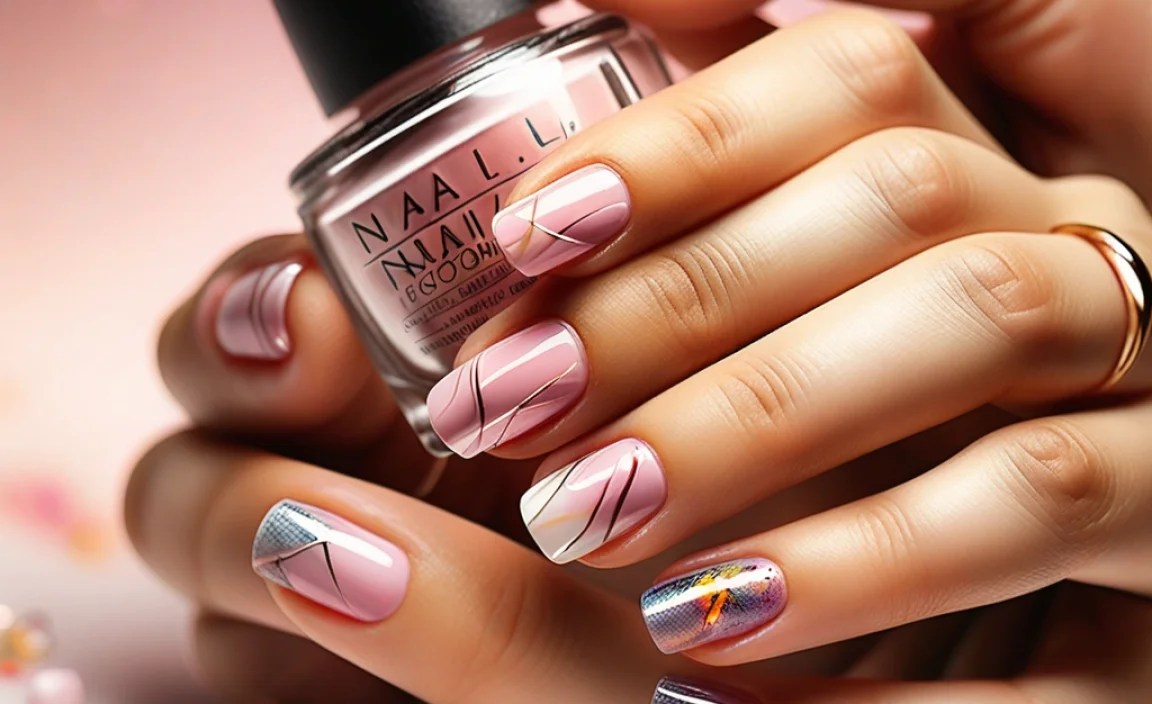
In our visual world, a great photo is your nail art’s best friend! It’s how you share your creations, inspire others, and even grow a following if you’re a nail artist. When your photos are clear, bright, and show off the design’s true beauty, people notice. They can appreciate the skill, the colors, and the creativity. Poorly lit or blurry shots hide all that hard work. So, investing a little time in photography helps your art get the attention it deserves. It’s like putting your masterpiece in the best possible frame!
Your Nail Art Photography Toolkit

You don’t need a fancy studio to take incredible nail art photos! Here’s a simple rundown of what will help you get started:
Your Smartphone or Camera: Most modern smartphones have amazing cameras. If you have a DSLR or mirrorless camera, even better!
Natural Light Source: This is your secret weapon! A window with indirect sunlight is perfect.
A Clean, Neutral Background: Think plain white paper, a clean desk, a fabric swatch, or even a smooth piece of wood.
Optional Enhancements (but not required!):
Tripod: For steady shots if you’re using a phone or camera.
White Cardboard/Foam Board: To bounce light and fill in shadows.
Nail Art Display Props: Small, relevant items like glitter, brushes, or flowers that complement your design.
The Power of Light: Your Most Important Tool
Lighting is king in photography, and for nail art, natural light is your best friend. It’s soft, diffused, and makes colors look true.
1. Find the Right Spot
Near a Window: Position yourself or your subject (your hand!) near a window.
Avoid Direct Sunlight: Harsh, direct sun can create strong shadows and blow out colors. Overcast days are often ideal for soft, even light. If it’s sunny, try diffusing the light by closing sheer curtains or moving slightly away from the window.
2. Understand Light Direction
Front Lighting: Light coming from in front of your nails can flatten them.
Side Lighting: Light hitting from the side can create some nice dimension but might also cast shadows.
Backlighting (Carefully!): Can be used for dramatic effects but is generally tricky for nail art where you want to see detail.
Best Bet: Soft, diffused light from one side or slightly in front. Aim to have the light illuminate your nails without creating harsh dark shadows.
3. Bouncing Light (The White Card Trick!)
Sometimes, even with a window, one side of your nails might be darker than the other. This is where a simple piece of white cardboard or foam board comes in handy.
Place the white board opposite your light source.
It will bounce some of the light back onto the shadow side, brightening it up and evening out the exposure. This is a pro trick that makes a huge difference!
Mastering Focus and Clarity
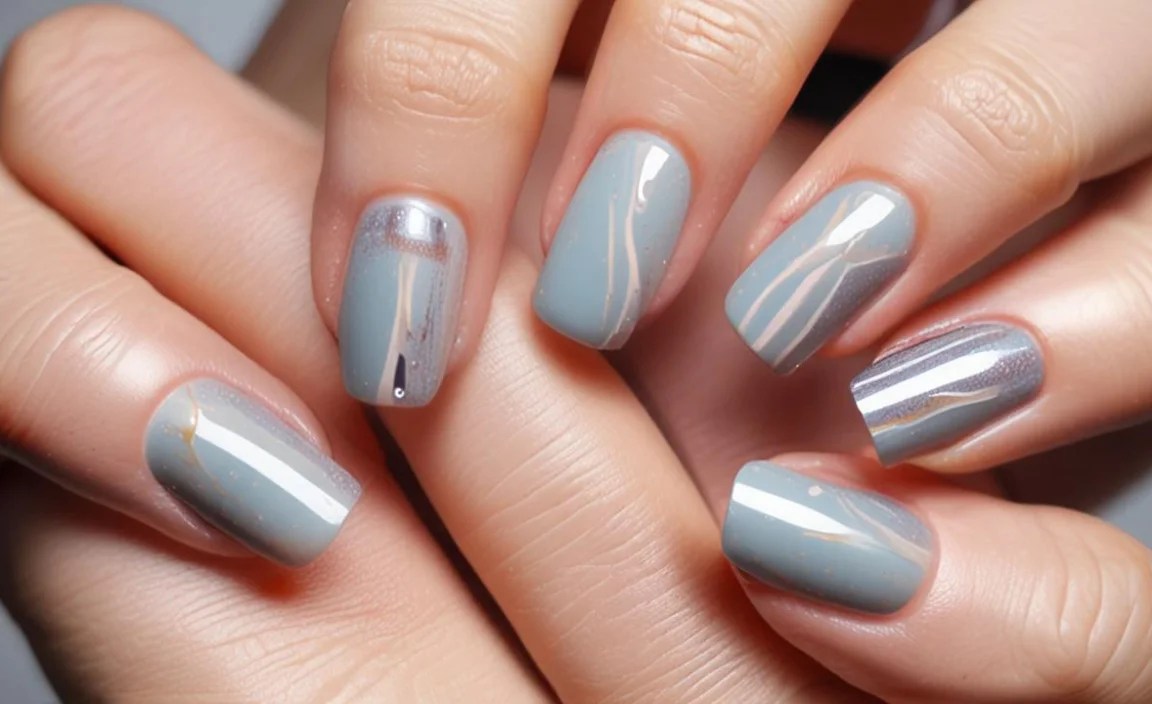
Sharp focus is non-negotiable for great nail art photos. Blurry images look unprofessional and hide all the magic you’ve created.
1. Steady Hands or a Tripod
If shooting handheld: Try to brace your hands or elbows on a stable surface. Hold your breath for a moment while you snap the picture.
Using a Tripod: This is the easiest way to get sharp photos. It eliminates camera shake entirely. Most smartphones have tripod mounts available.
2. Focus on the Details
Tap to Focus: On your smartphone, tap on the part of the nail art you want to be sharpest. This is usually the intricate details or the tip of the nail.
Aperture (for Camera Users): If you’re using a dedicated camera, a wider aperture (lower f-stop number like f/2.8 or f/4) can create a shallow depth of field, making your nail art stand out against a blurred background. However, for nail art, it’s often best to have a slightly smaller aperture (higher f-stop like f/5.6 or f/8) to ensure more of the nail, and possibly even a few fingers, are in sharp focus.
Macro Mode: If your camera or phone has a macro setting, use it! This allows you to get very close to your subject and maintain focus.
3. Cleanliness is Key
Before you even think about shooting, make sure your nails and cuticles are clean and free of any dust, lint, or stray polish. A quick wipe with an alcohol pad can help get rid of smudges on the polish itself, if you’re careful.
Composition: Arranging for Impact
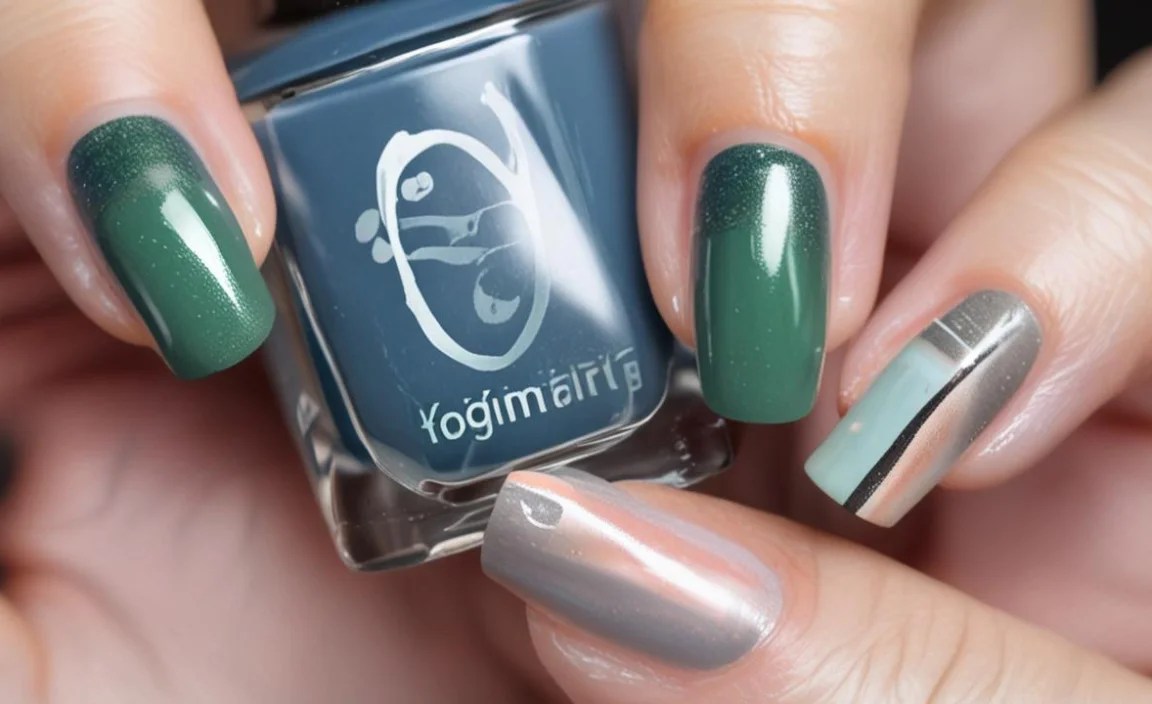
How you arrange your shot makes a big difference. Think about what the viewer’s eye will be drawn to.
1. The Classic Nail Fie (Flat Lay)
This is a popular style where you arrange nails and complementary items on a flat surface.
Nail Placement: Arrange your fingers in a visually appealing way. You can fan them out, overlap them slightly, or have them pointing in different directions.
Angle: Shoot from directly above for a true flat lay.
Backgrounds: Keep them simple! A plain white or light-colored surface is usually best to let the nail art shine.
Props: Add a few small, relevant items like cuticle oil, a dainty ring, some glitter, or a flower petal. Don’t over-clutter!
2. The Hand Pose
Sometimes showcasing your hand holding something or in a natural pose works beautifully.
Natural Poses: Think about how you would naturally hold a cup, rest your hand on a surface, or gesture. Avoid awkward or strained positions.
Focus on Detail: You might focus on just one or two nails to highlight a specific design.
Backgrounds: A subtly blurred background can help your nails pop.
3. Angle and Perspective
Straight On: A direct shot can be very effective for showing uniform designs across all nails.
Angled Shots: Shooting from an angle can reveal dimension, especially if your nail art has texture or 3D elements.
Close-Ups: Perfect for showing off intricate details like hand-painted designs or tiny gems.
Editing Your Masterpieces: The Finishing Touches

A little editing can elevate your photos from good to great. You don’t need to be a Photoshop wizard!
Color Correction
Brightness and Contrast: Adjust these to make sure your colors are vibrant and the details are clear.
White Balance: This is important for making sure your white backgrounds look truly white and your nail colors are accurate. If your nails look too blue or too yellow, this is likely the culprit.
Saturation: Boost saturation slightly if the colors seem a bit dull, but be careful not to overdo it, which can make them look unnatural.
Cropping and Straightening
Crop: Remove any distracting elements at the edges of your photo.
Straighten: Ensure your lines are straight, especially if shooting a flat lay.
Apps to Try
Most smartphones have built-in editing tools. For more advanced options, consider:
Snapseed: Free and powerful, with lots of tools for adjusting light, color, and sharpness.
VSCO: Offers a range of beautiful filters and editing tools.
Adobe Lightroom Mobile: A professional-grade option for even more precise control.
Before & After Editing Example
Let’s imagine a photo taken without much thought. It’s a bit dark, the colors are dull, and it might have a slight yellow cast.
Original (Unedited):
Imagine a photo that’s a bit dim, colors aren’t popping, and maybe there’s a yellowish tint making the whites look off. The details might look soft.
Edited:
With a few taps, we boost the brightness, increase contrast slightly to make details pop, adjust the white balance to get a true white background, and perhaps a tiny saturation boost to make the polish colors vibrant. Now, the nail art looks crisp, clean, and full of life!
A Note on Filters
While filters can be fun, be mindful! Over-filtering can distort colors and make your nail art look unnatural. Use them sparingly or choose subtle ones. For professional portfolios or brand work, it’s often best to avoid filters and rely on manual editing for true color representation.
Common Nail Art Photography Mistakes (and How to Fix Them!)

Let’s troubleshoot some issues you might run into.
Issue 1: Photos are too dark.
Why it happens: Not enough light, or shooting indoors with poor lighting.
The Fix: Move closer to a window. If that’s not possible, use an additional light source like a desk lamp (but be careful of harsh shadows – use a diffuser if possible). Increase brightness in editing.
Issue 2: Photos are blurry.
Why it happens: Camera shake, or trying to focus too close without a macro setting.
The Fix: Use a tripod! If you can’t, brace yourself and hold steady. On your phone, tap the screen to focus on the nail. Be sure you’re not too close for your camera/phone to focus.
Issue 3: Colors look washed out or unnatural.
Why it happens: Harsh lighting, or incorrect white balance.
The Fix: Find softer, diffused light. Adjust the white balance in editing. Be conservative with saturation boosts.
Issue 4: Shadows are too harsh.
Why it happens: Light source is too strong and directly on one side.
The Fix: Use a piece of white cardboard to bounce light back into the shadows. Diffuse harsh light with sheer curtains.
Issue 5: My hand looks awkward or unhealthy.
Why it happens: Unnatural posing, dry cuticles, or visible hangnails.
The Fix: Relax your hand into natural poses. Keep cuticles moisturized and push them back gently. A very tiny dab of cuticle oil just before shooting can make them look healthy and hydrated.
Table of Camera Settings (for those wanting more control!)
For those using dedicated cameras, understanding a few basic settings can go a long way. These are general guidelines, and you might need to adjust based on your specific camera and lighting conditions.
| Setting | Recommended for Nail Art | Why? |
|---|---|---|
| Focus Mode | Manual or Single-Point AF (Autofocus) | Ensures you can select exactly where the sharpest point is, usually on the detailed areas of the nail art. |
| Aperture (f-stop) | f/5.6 – f/11 | Provides a good depth of field, keeping most of the nail and perhaps a few fingers in focus. Avoid extremely wide apertures like f/1.8 unless you only want one tiny part in focus. |
| ISO | 100 – 400 | Keeps image noise (graininess) low. Higher ISOs are for low light but can make images look gritty. |
| Shutter Speed | 1/60 sec or faster (if handheld), 1/30 sec or slower (if on tripod & stable) | Fast enough to prevent motion blur from your hand’s movement. A tripod allows for slower speeds, which can let in more light. |
| White Balance | Cloudy, Daylight, or Custom White Balance | Helps ensure colors are rendered accurately. Auto White Balance can sometimes get confused. |
Making Your Nail Art Shine: Pro Tips!
Here are a few extra bits of advice to take your nail art photography to the next level.
1. Cleanliness, Cleanliness, Cleanliness!
We’ve said it before, but it bears repeating. A tiny speck of dust or a smudged cuticle can ruin an otherwise perfect shot. Keep a small brush handy to dust nails, and a microfiber cloth for any accidental smudges.
2. Hydrate Those Hands
Before you shoot, a good hand cream and cuticle oil are your best friends. Gently push back cuticles with an orangewood stick for a neat appearance. Healthy-looking hands make your nail art look even better! Learn more about cuticle care from reputable sources like the American Academy of Dermatology Association. AAD Nail Care Guide.
3. Create Dimension and Interest
Texture: If your nail art has 3D elements (like gems or sculpted designs), play with the light to show off that dimension. Shooting from a slight angle can help.
Backgrounds: Don’t be afraid to experiment with different backgrounds. A textured surface like a small piece of slate, a linen fabric, or even a stack of glossy magazines can add visual interest, as long as it doesn’t distract from the nails themselves.
4. Consistency for Your Feed
If you’re aiming for a cohesive Instagram feed, try to stick to similar lighting conditions, editing styles, and backgrounds. This creates a professional and recognizable look.
5. Practice Makes Perfect!
The more you shoot, the better you’ll get. Experiment with different angles, lighting, and setups. Pay attention to what works and what doesn’t. Take lots of photos – digital storage is cheap!
Final Thoughts Before You Snap
Remember, the goal is to showcase your beautiful nail art clearly and attractively. Don’t get bogged down in complicated gear or settings if you’re just starting. Focus on good, natural light, a clean composition, and sharp focus. Your creativity deserves to be seen, and with these tips, you’ll be taking stunning nail art photos in no time! Now go forth and capture those gorgeous nails!
Frequently Asked Questions About Photographing Nail Art
Q1: What is the best time of day to photograph nail art with natural light?
The best time is generally mid-morning or mid-afternoon on an overcast day, or near a window with indirect sunlight. Avoid harsh midday sun which creates strong shadows and can be too bright. Soft, diffused light is key.
Q2: How can I make my nail art colors look true to life in photos?
This is mostly about lighting and white balance. Use diffused natural light and ensure your camera’s white balance setting is appropriate for the conditions, or adjust it in editing. Avoid artificial light sources with strong color casts, like old incandescent bulbs.
Q3: Do I need a special camera for nail art photography?
No, not at all! Most modern smartphone cameras are excellent for nail art. The key is mastering the techniques of lighting, focus, and composition, which can be done with any decent camera.
Q4: How can I avoid blurry nail art photos?
The best way is to use a tripod to keep your camera or phone perfectly still. If a tripod isn’t an option, brace your hands and elbows on a stable surface, hold your breath, and gently tap the shutter button. Ensure your camera is focused correctly on the nail art.
Q5: What kind of backgrounds work best for nail art photos?
Simple, clean, and neutral backgrounds are usually best. Think solid white, light grey, pastel colors, smooth wood, or a clean fabric. The background should complement your nail art without distracting from it.
Q6: How important is editing for nail art photos?
Editing is very important! It’s where you can fine-tune brightness, contrast, colors, and sharpness to make your nail art truly pop. Simple edits like adjusting exposure and white balance can make a huge difference. You don’t need to be an expert; user-friendly apps are great for this.
Q7: Is it okay to use filters on my nail art photos for Instagram?
It can enhance your photos, but use filters sparingly. Over-filtering can distort colors and make your nail art look artificial. Aim for subtle filters that enhance, rather than change, the look of your design. For professional purposes, manual editing for accuracy is often preferred.
Conclusion
Capturing stunning nail art photos doesn’t require a professional setup. By focusing on essential elements like soft, natural light, precise focus on your intricate designs, and thoughtful composition, you can elevate your nail art photography from average to amazing. Remember that a clean presentation, a steady hand (or a tripod!), and a little bit of editing go a long way. Practice these techniques consistently, experiment with different setups, and you’ll soon be creating eye-catching images that perfectly showcase your incredible nail art. Happy shooting!
