Want to paint perfect fine line nails? It’s easier than you think! With the right tools and a few simple tips, you can create stunning, delicate lines on your nails for a chic, professional look. This guide breaks it down step-by-step, making elegant nail art achievable for everyone!
Painting fine line nails can feel like a superpower! Those intricate, delicate lines look so sophisticated, but many of us worry they’re too tricky to achieve at home. Don’t let that stop you! With a little patience and the right approach, you can unlock this amazing nail art skill. We’ll guide you through the process, turning what seems complex into a fun, creative experience. Get ready to elevate your DIY manicures!
Why Fine Line Nails Are So Chic
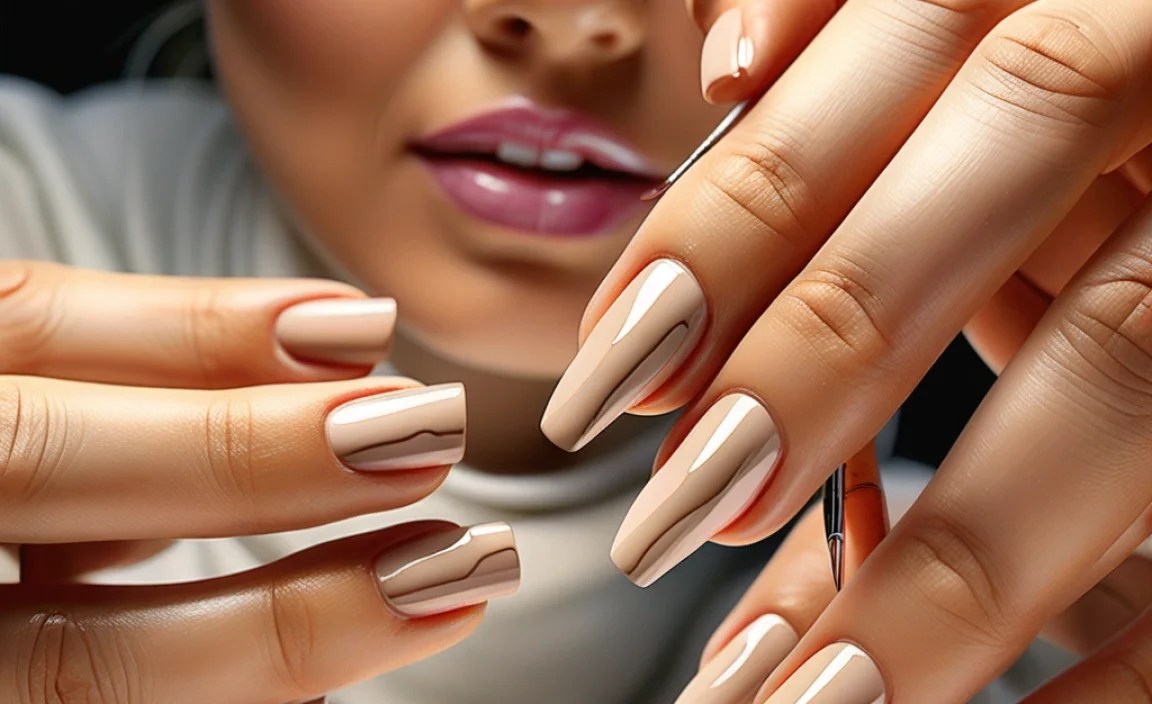
Fine line nail art is a trend that keeps on giving. It’s incredibly versatile, allowing for endless design possibilities. Whether you prefer minimalist elegance with a single thin stripe or more complex geometric patterns, fine lines add a touch of sophistication. They can make your nails look longer and more refined. Plus, they’re perfect for adding a subtle pop of color or metallic accent to any outfit. The beauty of fine lines lies in their simplicity and the polished finish they provide.
Gather Your Essential Tools
Having the right tools is half the battle when it comes to creating crisp, clean fine lines. You don’t need a whole nail art studio, just a few key items will do the trick. Investing in quality supplies can make a huge difference in your success and enjoyment!
The Must-Haves for Fine Line Art:
- Nail Polish or Gel Polish: Choose your base color and your line color. For beginners, slightly thicker polishes can sometimes be easier to control.
- Fine-Liner Nail Art Brush: This is your most important tool! Look for brushes with very thin, precise bristles. Different lengths can offer different effects, but a standard fine-liner is a great start.
- Dotting Tool (Optional): While not strictly for lines, a dotting tool can help create guide points or add small accents.
- Nail Polish Remover: For cleaning up mistakes (because they happen!) and for diluting polish on your brush if needed.
- Cotton Swabs or Lint-Free Wipes: To apply the nail polish remover neatly.
- Base Coat: Essential for protecting your natural nails and ensuring a smooth canvas.
- Top Coat: To seal your design and add shine, making your art last longer.
- A Steady Surface: Ensure you’re sitting at a table or desk where your elbows can be supported for maximum stability.
Choosing the Right Brush: A Closer Look
The “fine-liner” brush is key. These brushes are specifically designed with long, thin bristles that hold a good amount of polish and allow for precise application. Some people prefer synthetic bristles, while others like natural hair. Experiment to see what feels best for you! You can find excellent nail art brushes online from reputable beauty suppliers like Ulta or specialized nail art stores. Many starter kits include a variety of brush sizes, which can be a great way to begin.
Step-by-Step: Painting Your Fine Line Nails

Let’s get to the fun part! Follow these steps to create beautiful fine line designs with confidence. Remember, practice makes perfect, so don’t be discouraged if your first attempt isn’t flawless. Every stroke is a learning opportunity!
Step 1: Prep Your Nails
Start with clean, dry nails. Gently push back your cuticles using an orange stick or cuticle pusher. If you have any old nail polish, remove it completely. For the smoothest canvas, lightly buff your nails with a fine-grit nail file to remove any ridges and to create a surface that polish adheres to well. Then, wipe your nails with a lint-free wipe or cotton pad dipped in nail polish remover to remove any oils. Apply a thin layer of your chosen base coat and let it dry completely. This is crucial for the longevity of your manicure and to protect your nails.
Step 2: Apply Your Base Color
Paint your nails with your desired base color. Apply two thin coats for best coverage, allowing each coat to dry thoroughly before applying the next. A well-dried base color prevents smudging when you add your fine lines. If you’re using gel polish, cure each layer according to the product’s instructions.
Step 3: Load Your Fine-Liner Brush
This is where the magic happens! Dip the very tip of your clean, dry fine-liner brush into your chosen line color polish. You don’t need a lot of polish – too much will create thick, messy lines. Wipe off any excess polish on the edge of the bottle neck. Some artists prefer to use a small palette or a piece of paper to thin out the polish on their brush further, creating an even finer line.
Step 4: Create Your Lines – Practice Makes Perfect!
Now, take a deep breath and steady your hand. Rest your pinky finger on your desk or hand for support. Gently touch the tip of the brush to your nail and glide it smoothly to create your line. Start with simple designs. A straight line across the nail, a diagonal stripe, or a few delicate curves are great for practice.
Here are some tips for smooth lines:
- Use minimal pressure: Let the brush do the work. Too much pressure will splay the bristles and create a thicker line.
- Work from the bottle: Dip frequently rather than overloading the brush. It’s easier to add more polish than to fix a blob.
- Steady hand is key: Support your hand and wrist. You can also try drawing the line in one continuous movement rather than short strokes.
- Clean as you go: If you make a mistake, dip a cotton swab or a clean brush in nail polish remover and carefully clean up the line before it dries.
Step 5: Experiment with Designs
Once you’re comfortable with basic lines, start exploring more! You can create:
- Geometric patterns (triangles, squares, intersecting lines)
- French tip variations with thin lines
- Abstract swirls and curves
- Floral outlines
- V-shapes at the cuticle
Don’t be afraid to mix and match colors and styles. The internet is a treasure trove of inspiration for fine line nail art! You can find fantastic ideas on Pinterest, Instagram, and nail art blogs.
Step 6: Clean Up Mistakes
Mistakes are a part of learning! For small smudges or wobbly lines, use a small brush that has been slightly angled and dipped in nail polish remover. Gently swipe away the excess polish. A precision cotton swab (like those designed for makeup or nail art) is also invaluable here. For gel polish, you might need to use a specialized gel polish remover and follow the product instructions carefully.
Step 7: Apply Top Coat
Once your fine lines are completely dry (this can take longer than you think, especially for regular nail polish!), it’s time for the top coat. Apply a thin, even layer of your favorite top coat over your entire nail, including over the fine lines. This seals your design, prevents chipping, adds a beautiful shine, and makes your manicure look professionally done. If you’re using gel polish, you’ll cure your top coat according to the product’s instructions.
Different Techniques for Different Effects
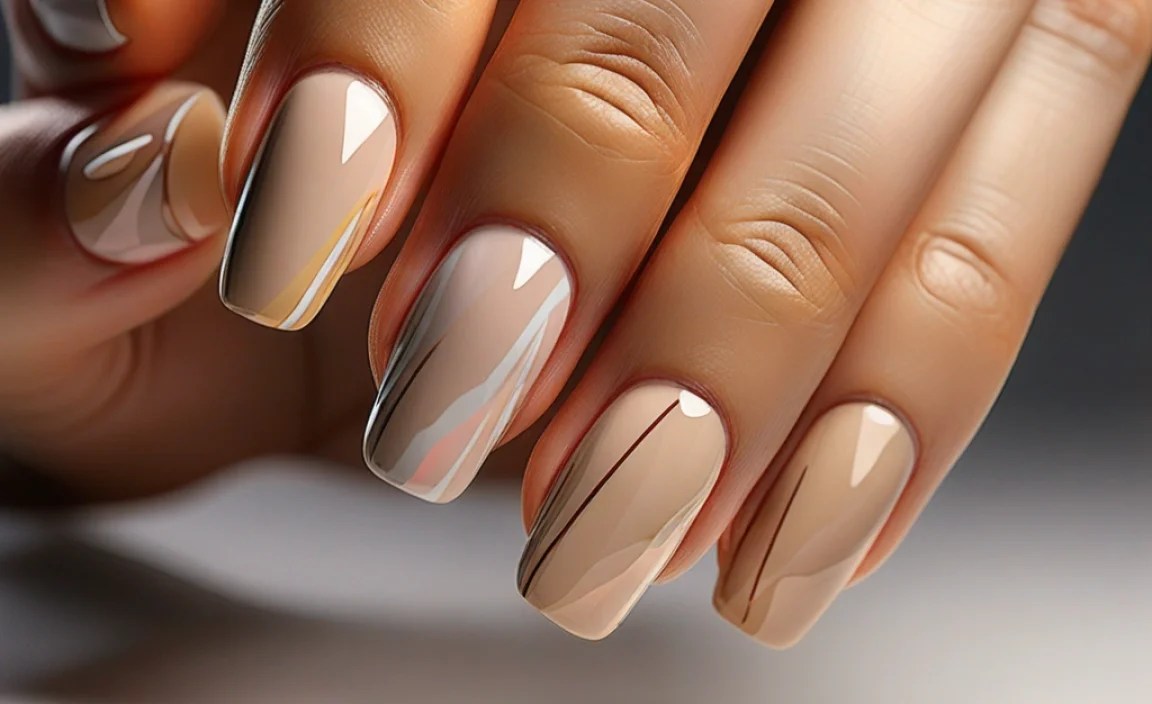
While the fine-liner brush is the go-to, other methods can achieve similar or complementary effects. Knowing these can expand your nail art repertoire!
1. Striping Tape
This is a fantastic tool for beginners and pros alike! Adhesive striping tape comes in various widths and metallic colors (gold, silver, rose gold are popular).
- How to use: Apply your base color and let it dry completely. Carefully lay the striping tape onto the nail to create your desired line or pattern. Press down firmly to ensure good adhesion. Paint over the tape with your second color or simply seal it with a top coat. Once the paint is dry, carefully peel away the tape using tweezers. For a clean finish, ensure you’re peeling the tape when the polish is fully dry, or it can lift.
Striping tape is great for perfectly straight, razor-sharp lines. You can find tutorials and examples on art supply websites, and retail stores. Websites like Better Mason offer insights into abrasive technologies that, while different, highlight the principle of precise cutting and material manipulation, which is analogous to how striping tape works to create defined edges.
2. Dotting Tools for Connecting Lines
Sometimes, fine lines are part of a larger design. You can use a dotting tool to create dots that your fine-liner brush can then connect, or vice versa!
- How to use: Use the dotting tool to place small, evenly spaced dots on your nail. Then, use your fine-liner brush loaded with polish to connect these dots, forming lines, curves, or intricate patterns.
3. Using a Regular Polish Brush (Carefully!)
If you don’t have a fine-liner brush, you can often create thin lines using a regular nail polish brush, but it requires more skill.
- How to use: Wipe almost all the polish off the brush onto the bottle’s neck. You want the brush to be almost dry. Then, use the very edge of the brush to carefully draw your line. This method is best for thicker, more abstract lines rather than delicate details.
Troubleshooting Common Fine Line Nail Problems
Even with the best intentions, you might run into a few snags. Here’s how to fix them!
| Problem | Solution |
|---|---|
| Lines are too thick | You’re using too much polish, or pressing too hard. Wipe off excess polish on the bottle rim. Use lighter pressure and try dabbing the polish on your brush onto a paper towel first. |
| Lines are broken or patchy | Apply polish more consistently, or reload your brush more frequently. Ensure your base color is fully dry before starting. |
| Smudging | Allow each step to dry completely. If smudging occurs, use a clean brush dipped in remover to carefully fix it before it sets. |
| Brush is drying out too fast | Dip your brush into a nail polish thinner or quick-dry solution, or re-dip into your polish more often. Work in smaller sections if needed. |
| Gel polish lines not curing properly | Ensure your gel polish lines are thin enough for your UV/LED lamp to cure effectively. Thicker lines may not cure properly. |
Caring for Your Fine Line Tools
Just like any good tool, your nail art brushes need proper care to perform their best. Taking a few moments to clean them after each use will extend their life and ensure your next manicure is just as easy.
Cleaning Your Brushes:
After you’ve finished your nail art, it’s essential to clean your fine-liner brush immediately.
- Wipe Off Excess Polish: Use a lint-free wipe or paper towel to gently wipe off as much polish from the brush as possible.
- Use Brush Cleaner or Acetone: Dip your brush into a dedicated nail art brush cleaner or a small amount of acetone. Swirl the brush gently to dissolve the remaining polish. Be careful not to bend the bristles out of shape.
