Absolutely! Starting a nail design business is exciting. Focus on mastering essential skills, understanding your niche, building a strong online presence, and creating a professional client experience. With the right tools and a passion for polish, you can turn your nail art dreams into a thriving business.
Ever dreamed of turning your passion for nail art into a booming business? It’s a fantastic goal! Many aspiring nail artists get overwhelmed by where to begin. You might wonder about the best tools, how to find clients, or even what designs are in demand. Don’t worry! It’s completely normal to feel a bit unsure at first. Think of this as your friendly guide to getting started, packed with easy-to-follow advice that makes building your nail design business feel fun and totally achievable. Let’s dive into the genius and essential tips that will help your nail art dreams take flight!
Your Nail Design Business: Laying the Foundation

Starting any business requires a solid plan, and a nail design venture is no different! It’s about more than just pretty polish; it’s about building a brand, understanding your customers, and creating a service they’ll love. Let’s walk through the crucial first steps that will set you up for success.
1. Define Your Niche & Services
What kind of nail artist do you want to be? Specializing can make you stand out. Do you love intricate freehand art? Are you amazing at gel extensions? Or perhaps you excel at classic, elegant manicures? Consider offering a few core services that you are passionate about and skilled in. This could include:
- Basic manicures and pedicures
- Gel polish application
- Acrylic or gel nail extensions
- Nail art (e.g., hand-painted designs, 3D art, abstract patterns)
- Nail repair
- Special occasion designs (weddings, parties)
Thinking about your target client will also help. Are you aiming for busy professionals who want quick, chic manicures? Or creative individuals who crave elaborate, artistic nail statements? Knowing your niche helps you tailor your services, pricing, and marketing.
2. Master Your Craft: Skill Development is Key
Even if you’re a natural, continuous learning is essential. Perfecting your technique ensures you can deliver flawless results, which leads to happy, repeat clients. Consider these options for sharpening your skills:
- Formal Education: Enrolling in nail technician courses can provide foundational knowledge and licensing requirements (which vary by location). Look for reputable schools in your area.
- Workshops & Masterclasses: Many industry professionals offer specialized workshops on advanced techniques, trending designs, or specific product lines. These are great for niche skill development.
- Practice, Practice, Practice: Offer free or discounted services to friends and family to build your portfolio and refine your speed and precision. Practice on yourself, too!
- Stay Updated: Follow top nail artists on social media, subscribe to beauty magazines, and watch online tutorials from trusted sources. The nail world is always evolving!
A great resource for understanding nail health and best practices is the American Academy of Dermatology. Their advice on nail care is invaluable for any professional. You can find general information on their site, often under “Patient Information.”
3. Business Fundamentals: The Smart Planner
You’re an artist, but you’re also running a business! Don’t shy away from the practical stuff. Even basic planning makes a huge difference.
- Business Plan (Simple!): You don’t need a 50-page document. Just outline your services, target market, pricing, and how you plan to operate.
- Pricing Strategy: Research what local competitors charge. Factor in your costs (supplies, time, overhead) and the value you provide. Don’t underprice yourself!
- Legal & Licensing: Check your local government and state board requirements for operating a nail business. This might include business licenses, permits, and health and safety regulations. The Small Business Administration (SBA) in the U.S. offers a wealth of resources for new entrepreneurs.
Essential Tools & Supplies for Your Nail Design Arsenal

Having the right tools can make all the difference between a struggle and a smooth, professional application. As a beginner, you don’t need everything at once, but investing in quality essentials will serve you well.
The Must-Have Kit
Here’s a breakdown of what you’ll likely need to get started. Remember, quality over quantity!
| Category | Essential Items | Why You Need Them |
|---|---|---|
| Basic Manicure Tools | Nail clippers, Cuticle pushers/nippers, Nail files (various grits), Buffers, Orangewood sticks | For shaping, cleaning, and preparing the nail plate. |
| Polishes & Gel Products | Base coat, Top coat, Assorted nail polish colors, Gel polish starter kit (if offering gel services) | Foundation for longevity, color, and desired finish. |
| Application & Art Tools | Various sized detail brushes, Dotting tools, Striping tape, Stencils, Rhinestone/charm applicator tool, Tweezers | For creating designs, adding embellishments, and precision work. |
| Cleanup & Prep | Nail polish remover, Lint-free wipes, Alcohol (for sanitizing), Cuticle oil | For cleaning mistakes, sanitizing tools and hands, and finishing the service. |
| Sanitation & Safety | Hand sanitizer, Disinfectant solution (for tools/surfaces), Disposable files/buffers (if applicable), Mask | Crucial for hygiene and preventing cross-contamination. |
Choosing Your Brands
For polishes, starting with a few reliable, good-quality brands is wise. Look for brands known for good pigmentation and longevity. For gel products, research brands that have good reviews for ease of application and durability. Many professional brands offer starter kits that can be cost-effective.
Don’t Forget Sanitation!
This cannot be stressed enough. A sterile, clean environment is paramount. Invest in a good quality disinfectant that meets at least EPA standards. For tools that can’t be autoclaved or fully disinfected, consider using high-quality disposable options for your clients. Always wash your hands thoroughly before and after each client.
Building Your Brand & Online Presence from Day One

In today’s digital world, your online presence is as important as your physical space. It’s how clients find you, see your work, and fall in love with your style!
Create a Stunning Portfolio
Your nail art is your advertisement! High-quality photos and videos are crucial. Invest in good lighting (natural light is often best!), an uncluttered background, and learn how to take clear, close-up shots of your work. Before and after photos are also compelling!
Social Media is Your Best Friend
Platforms like Instagram, Pinterest, and TikTok are perfect for nail artists.
- Instagram: Ideal for showcasing your portfolio with beautiful imagery. Use relevant hashtags like #naildesign #nailart #gelnails #lovenails #[yourcity]nails to reach a wider audience.
- Pinterest: Great for inspiration for you and clients. Pin your best work to attract attention.
- TikTok: Perfect for short, engaging videos of your creative process, quick tips, or before-and-after transformations.
Consistently posting high-quality content will build an audience and attract potential clients.
Develop Your Unique Style
What makes your nail art special? Do you lean towards minimalist chic, vibrant patterns, or intricate floral designs? Developing a signature style helps you attract clients who are specifically looking for what you offer. It also makes your brand more memorable.
Consider a Simple Website or Landing Page
Even a basic website can add professionalism. You can use platforms like Wix, Squarespace, or even just a well-optimized Facebook Business page to list your services, prices, hours, and contact information. Include a gallery of your best work!
Client Experience: The Key to Loyalty
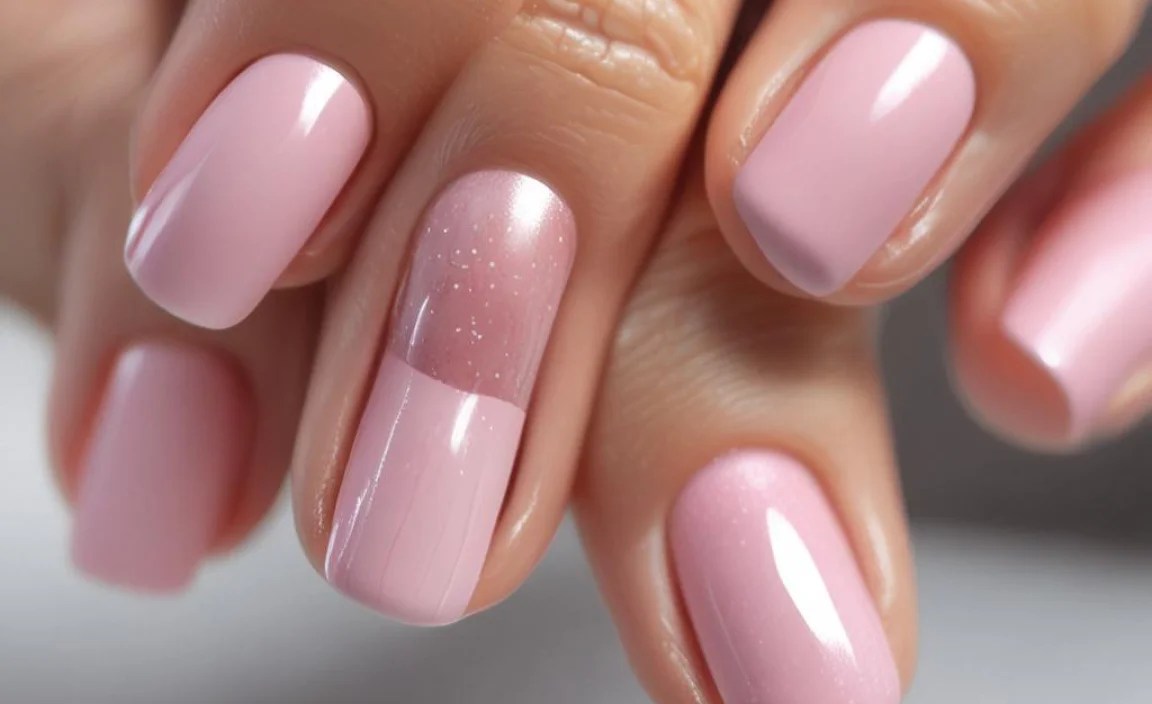
Nail design is a personal service. Making your clients feel comfortable, pampered, and valued will bring them back time and time again.
Consultation is Crucial
Before you start any service, have a brief consultation. Discuss their desired outcome, any allergies or concerns they might have, and what they like or dislike. This ensures you’re both on the same page and helps prevent misunderstandings.
Create a Welcoming Environment
Whether you work from home or a salon, ensure your space is clean, comfortable, and inviting. Good lighting, comfortable seating, and pleasant background music can make a big difference. If working from home, have a designated, professional-looking area that you can keep tidy and private.
Professionalism Above All
- Be Punctual: Start and end appointments on time.
- Communicate Clearly: Explain the process, pricing, and aftercare instructions.
- Offer Aftercare Advice: Advise clients on how to care for their nails between appointments to ensure longevity and health.
- Be Polite & Friendly: A positive attitude goes a long way.
Handle Issues Gracefully
Mistakes happen. If a client is unhappy, listen actively, apologize sincerely, and offer a reasonable solution (e.g., a complimentary touch-up, a discount on their next service). Turning a negative experience into a positive one can build immense loyalty.
Pricing Your Services: Finding the Sweet Spot
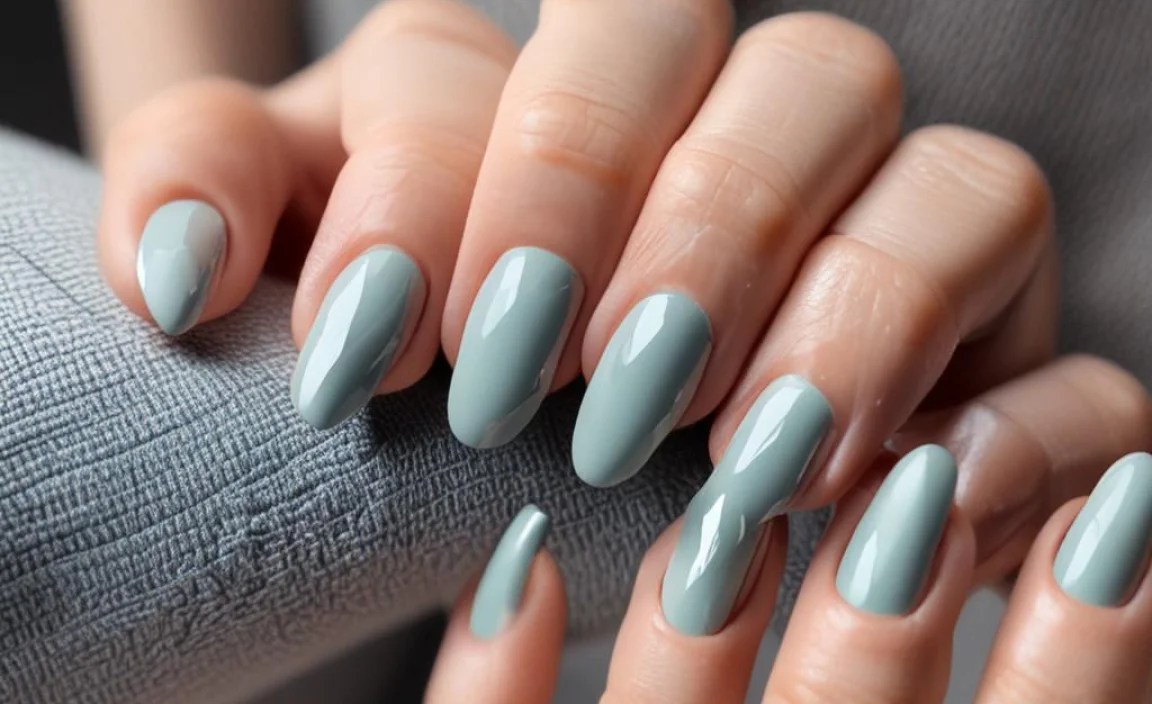
Pricing can be tricky, but it’s vital for your business’s financial health. Don’t guess; plan!
Factors to Consider for Pricing
- Your Time: How long does each service actually take? Factor in consultation, prep, application, and cleanup.
- Material Costs: Polishes, gels, acrylics, nail art supplies, files, buffers – these all add up.
- Overhead: If you have a dedicated space, consider rent, utilities, insurance, and marketing costs. Even working from home has some overhead (electricity, internet, supplies).
- Skill & Experience: As your skills grow and your reputation builds, you can command higher prices.
- Market Rates: Research what other nail artists in your area are charging for similar services. You want to be competitive but not undervalue your work.
- Complexity of Design: Intricate nail art takes more time and skill, so it should be priced higher than a simple polish application.
Common Pricing Models
- Hourly Rate: Less common for basic services but can be used for complex, custom nail art sessions where time is unpredictable.
- Per-Service Pricing: The most common. You set a fixed price for each service offered (e.g., basic manicure $30, gel manicure $45, full set of acrylics $70).
- Tiered Pricing: Offer different price points within a service. For example, simple nail art is included in a gel manicure price, but intricate designs or embellishments (rhinestones, 3D charms) are an additional charge per nail or per design element.
Example Pricing Table (Sample – Adjust to your local market and costs)
| Service | Base Price | Additional Charges (per nail/design) | Notes |
|---|---|---|---|
| Classic Manicure | $30 | N/A | Includes shaping, cuticle care, and polish application. |
| Gel Manicure | $45 | N/A | Includes shaping, cuticle care, gel polish application. |
| Acrylic Full Set (Short/Medium) | $70 | Extra length: +$10-20 | Includes one color of gel polish. |
| Gel Polish Soak-Off / Removal | $15 | If a new service follows | Free removal if receiving a new set or fill from you. |
| Nail Art – Basic (e.g., simple lines, dots) | +$5 per nail | N/A | |
| Nail Art – Intermediate (e.g., small hand-painted objects, French tip) | +$10 per nail | N/A | |
| Nail Art – Advanced (e.g., detailed portraits, complex patterns, 3D elements) | +$15+ per nail | Pricing may vary significantly by complexity. | Consultation required. |
When setting your prices, remember to include a buffer for unexpected costs or for when a service takes longer than anticipated. It’s better to slightly overprice and offer a discount or loyalty program than to underprice and struggle to meet your expenses.
Marketing & Getting Your First Clients
You’ve got the skills and the supplies – now let’s get people in your chair!
Leverage Your Network
Tell everyone you know! Friends, family, colleagues, neighbors – they are your first potential clients and your biggest advocates. Offer them an incentive to book, like a small discount on their first service, in exchange for honest feedback and testimonials.
Online Advertising (Start Small!)
Once you have a strong portfolio, consider running targeted ads on social media. Platforms like Facebook and Instagram allow you to define your audience by location, interests, and demographics. Start with a small budget and see what works best.
Local Partnerships
Connect with other local beauty professionals who don’t offer nail services. Think hair salons, lash technicians, or makeup artists. You can refer clients to each other, and perhaps even offer mobile services at their salon for an event.
Offer Introductory Promotions
A “first visit” discount is a classic for a reason. It encourages new clients to try your services without as much risk. You could also offer package deals, like a discount on booking three appointments upfront.
Client Reviews & Testimonials
Happy clients are your best marketing tool. After a successful appointment, politely ask clients if they’d be willing to leave a review on your Google Business page, Facebook, or Yelp. Positive reviews build trust and social proof.
FAQ: Your Beginner Nail Design Business Questions Answered
Q1: Do I need a license to do nail art from home?
A1: Licensing requirements vary greatly by state and country. Many places require you to have a cosmetology or nail technician license and operate out of a licensed salon or a dedicated home salon space that meets health and safety codes. Always check with your local health department and licensing board.
Q2: What’s the difference between nail polish and gel polish?
A2: Regular nail polish air dries and can chip easily, typically lasting a few days. Gel polish is cured under a UV/LED lamp, creating a durable, high-shine finish that can last 2-3 weeks without chipping or peeling.
Q3: How much should I invest in supplies when starting?
A3: For a basic home setup, you can start with around $200-$500 for essential tools, a small selection of polishes, a UV/LED lamp (if doing gel), and sanitation supplies. You can always expand your inventory as your business grows.
Q4: How do I price my nail art services?
A4: Price based on your time, the cost of supplies, your skill level, and local market rates. Intricate designs take more time and expertise, so they should be priced higher than simple art. Research competitors to stay competitive.
Q5: Should I specialize in a specific type of nail design?
A5: Specializing can help you stand out and attract a dedicated clientele. Consider what you enjoy most and excel at, whether it’s hand-painted art, 3D embellishments, or clean, classic manicures.
Q6: How often should I clean and disinfect my tools?
A6: All reusable tools that come into contact with clients’ skin or nails should be cleaned and disinfected after every client. Disposable tools should be discarded after a single use. Refer to manufacturer instructions for specific disinfection procedures and recommended products.
For more detailed guidance on sanitization, the U.S. Food and Drug Administration (FDA) provides information on medical device sterilization and disinfection, which offers a good overview of principles applicable to salon environments.
Conclusion
Embarking on your nail design business journey is an exciting adventure, and with these genius and essential tips, you’re well on your way to success! Remember that passion, skill, and professionalism are your superpowers. By defining your vision, honing your craft, building a strong online presence, and creating an unforgettable client experience, you’re not just offering beautiful.
