Matte vs Glossy Top Coat: The definitive guide to choosing the perfect finish for your manicure! Learn which one is best for your style and nail goals.
Picking the right top coat can totally transform your DIY manicure! It’s the shiny (or not-so-shiny) finishing touch that seals your nail polish, prevents chips, and adds that professional polish. But with so many options, how do you decide between a classic glossy finish and a trendy matte look? Don’t worry, we’re here to break it all down. This guide will help you understand the differences, benefits, and how to use both matte and glossy top coats like a pro. Get ready to elevate your nail game!
What Exactly is a Top Coat?
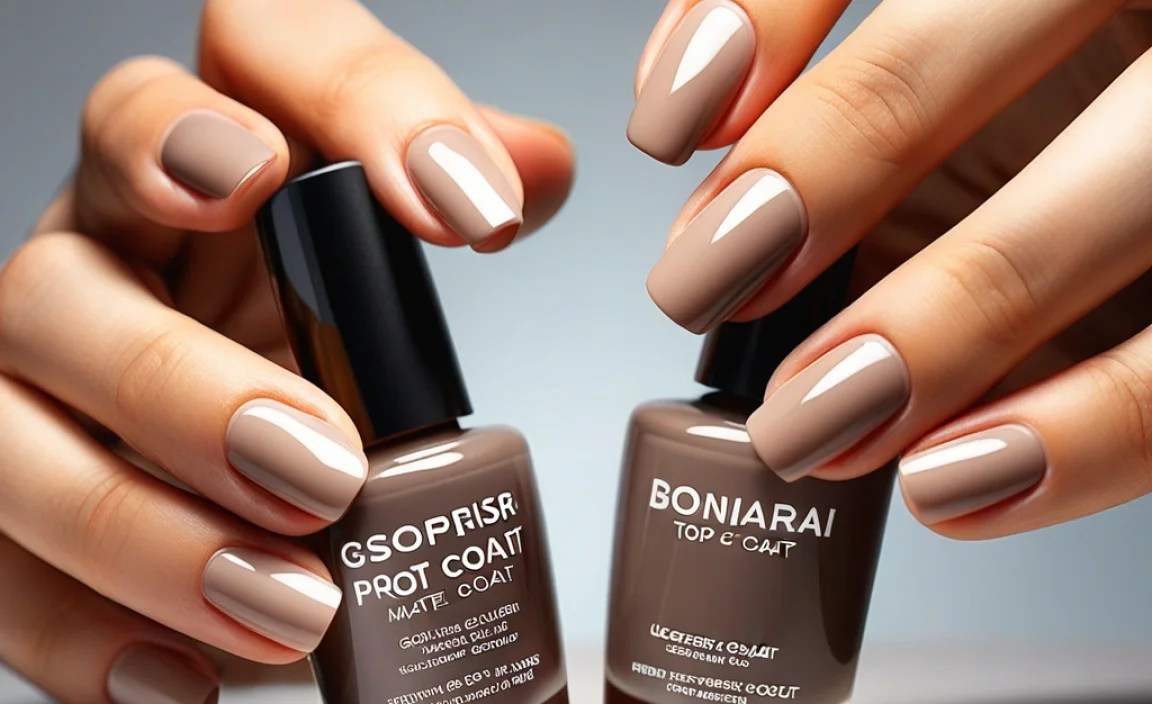
Think of a top coat as the protective superhero for your nail polish. It’s the final layer you apply after your color coats. Its main job is to add shine, prevent your manicure from chipping and fading, and help your polish dry faster. Nail experts agree, a good top coat is a must-have for any polished look, whether you’re rocking classic red or intricate nail art. It acts as a sealant, locking in your design and giving it that polished, finished appearance. Without it, your beautiful nail polish can be prone to scuffs and wear much faster.
Glossy Top Coat: The Classic Shine

The glossy top coat is the tried-and-true celebrity of the nail world. It’s what most people think of when they imagine a fresh manicure. This type of top coat provides a high-shine, reflective finish that makes your nail color pop. It’s like giving your polish a beautiful, clear glaze.
How Glossy Top Coats Work
Glossy top coats are typically formulated with resins and polymers that, when exposed to air, cure into a hard, smooth, and very shiny layer. This creates a barrier that reflects light beautifully, making your nails look vibrant and healthy. They are designed to be non-porous, which is key to their chip-resistant qualities.
Pros of Glossy Top Coat
- Vibrant Color Enhancement: They make nail polish colors appear richer and more intense.
- High Shine: Delivers that desirable, mirror-like finish.
- Excellent Durability: Offers great protection against chipping and wear.
- Fast Drying: Most formulas are quick-drying, saving you time.
- Versatility: Works well with virtually any nail polish color and design.
- Wet Look: Gives nails a healthy, “wet” appearance that many love.
Cons of Glossy Top Coat
- Can Yellow Over Time: Some formulas might slightly yellow, especially with prolonged sun exposure or if used over very light colors.
- Reflective: The shine can sometimes be too much for certain aesthetic preferences or intricate nail art that you don’t want to be overshadowed.
- Can Show Imperfections: The high shine can highlight any bumps or unevenness in the nail polish application underneath.
When to Use Glossy Top Coat
Glossy top coats are your go-to for:
- Achieving a classic, salon-quality manicure finish.
- Making bold or deep nail colors look extra luxurious.
- When you want maximum shine and protection.
- Most nail art, as the shine can make details pop.
- Anytime you want your nails to look impeccably polished.
Matte Top Coat: The Chic Finish
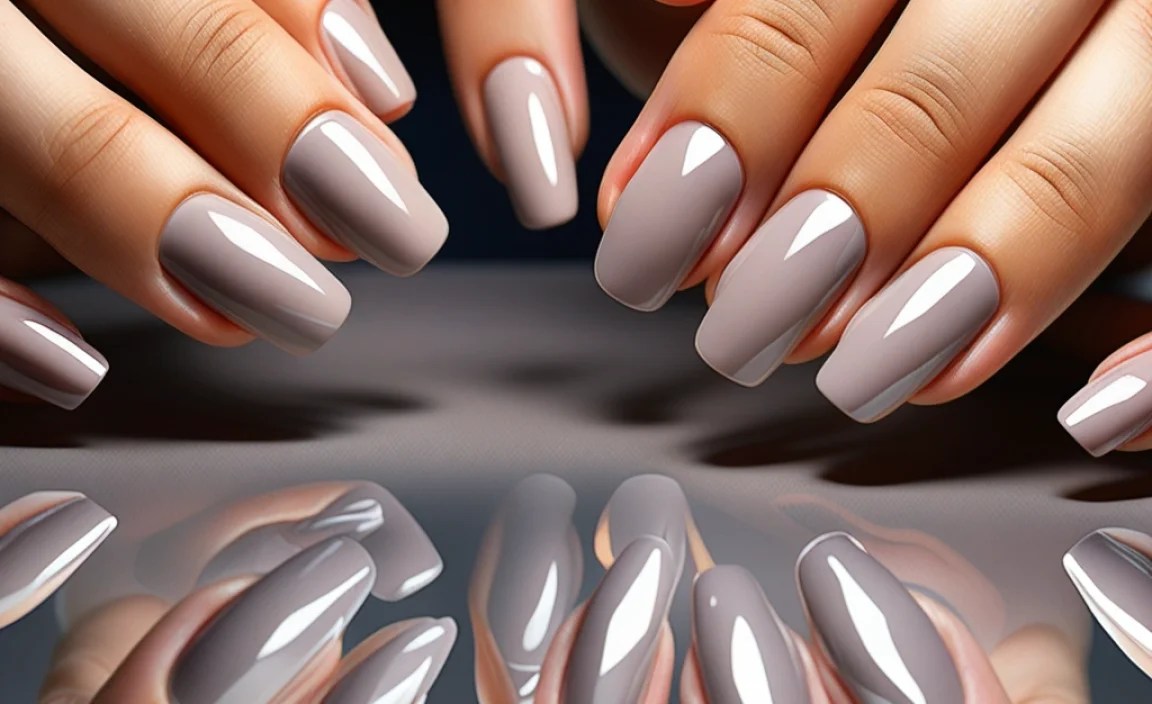
Matte top coats are the rebels of the top coat world, offering a sophisticated, velvety, non-reflective finish. Instead of shine, they give your nails a soft, suede-like appearance that’s super trendy and modern. It’s a look that can feel very chic and understated.
How Matte Top Coats Work
Matte top coats work by diffusing light rather than reflecting it. They contain ingredients, often silica particles or special polymers, that create a slightly uneven surface at a microscopic level. This unevenness scatters light rays, preventing a shiny reflection and resulting in that desirable matte look. The Science of Surfaces from Cornell University provides fascinating insights into how surface textures interact with light, which is essentially what a matte top coat manipulates.
Pros of Matte Top Coat
- Unique Finish: Provides a sophisticated, velvety, non-shiny look that stands out.
- Hides Imperfections: The diffused light can help to mask minor bumps or streaks in the polish underneath.
- Trendy Appeal: Offers a modern and chic aesthetic popular in nail art.
- Reduces Glare: Ideal for designs where you want the color and art to be the focus, not the shine.
- Can Alter Color Appearance: Some colors can look deeper or more muted with a matte finish, creating entirely new looks.
Cons of Matte Top Coat
- Less Glossy Shine: If you love a high-shine finish, this isn’t for you.
- Can Show Dirt/Oil More Easily: The porous nature can sometimes make them more susceptible to showing fingerprints or oils.
- Potential for Streaking: Application needs to be even to avoid a streaky or patchy matte finish.
- May Fade Over Time: The matte effect can wear down with heavy use or washing, sometimes revealing a slight sheen underneath.
- Not Always as Durable: While still protective, some matte formulas might not offer the same extreme chip resistance as top-tier glossy ones, though this varies greatly by brand.
When to Use Matte Top Coat
Matte top coats are perfect for:
- Creating sophisticated, modern nail looks.
- Accent nails where you want a textured contrast.
- Deep, rich nail polish colors that look stunning in a muted finish (like burgundy, navy, or forest green).
- Nail art designs where you want to emphasize intricate lines or patterns without glare.
- Achieving a “velvet” or “suede” nail effect.
Matte vs. Glossy Top Coat: A Side-by-Side Comparison

Let’s break down the key differences in a simple table. This will help you quickly see which option might be best for your next manicure project.
| Feature | Glossy Top Coat | Matte Top Coat |
|---|---|---|
| Finish: | High shine, reflective, mirror-like | Velvety, smooth, non-reflective, diffused light |
| Effect on Color: | Enhances depth and vibrance | Mutes and deepens colors, can create new shades |
| Durability: | Generally excellent chip and scratch resistance | Good protection, but shine can wear off; formula dependent |
| Application: | Forgiving, easy to apply evenly | Requires even application to avoid streaks |
| Best For: | Classic manicures, bold colors, maximum shine, general protection | Trendy looks, deep colors, intricate art, subtle elegance |
| Maintenance: | Less prone to showing fingerprints | Can sometimes show fingerprints or oils more easily |
How to Apply Your Top Coat Like a Pro
Whether you choose matte or glossy, the application technique is crucial for the best results. Here’s a simple, step-by-step guide to ensure your top coat application is flawless.
Step 1: Prepare Your Nails
This is the foundation for any great manicure! Ensure your nails are clean, dry, and free of oils or old polish residue. If you’ve just applied color coats, make sure they are completely dry to the touch. This is super important to prevent the top coat from dragging the color or causing streaks.
Step 2: Get the Right Amount of Product
Dip your brush into the top coat bottle and wipe one side of the brush on the neck of the bottle. You want a good amount of product on the brush, but not so much that it’s dripping. Too little product can lead to streaks, while too much can cause pooling near the cuticle.
Step 3: Apply from Base to Tip
Start your application at the base of your nail, just above the cuticle. Gently sweep the brush down towards the free edge. This is the classic “three-stroke” method: one stroke down the center, then one stroke down each side. This ensures even coverage.
Step 4: Cap the Free Edge
This is a pro tip that makes a HUGE difference in preventing chips! After your three main strokes, take a little bit of top coat on your brush and swipe it across the very tip of your nail. This seals the edge of your polish, creating a barrier that significantly boosts durability. You’ll want to do this for both glossy and matte top coats.
Step 5: Avoid the Cuticle Area
Try to keep the top coat slightly away from your cuticle and sidewalls. If it touches the skin, it can lift and peel away from the nail, leading to premature chipping. If you get any on your skin, use a small brush dipped in nail polish remover to clean it up immediately.
Step 6: Let it Cure
Allow your top coat to dry and cure completely. Glossy top coats often reach their full high-shine finish as they dry. Matte top coats will transform from a wet look to their velvety texture as they cure. Avoid touching your nails for at least a few minutes after application, even if they feel dry to the touch, as they can still be prone to smudges.
When to Use a Top Coat for Nail Art
Top coats are essential for almost all types of nail art. They not only protect your intricate designs but also refine the overall look. Here’s how each type fits into different nail art scenarios:
Glossy Top Coat for Nail Art
- Enhances Detail: The shine can make fine lines, glitter, and small embellishments pop, giving them depth.
- Creates a “Wet Look” for Decals: When applying nail art stickers or water decals, a glossy top coat can make them look like they’re painted on, seamlessly blending with the nail.
- Seals Glitter: It effectively smooths over glitter, preventing a gritty texture and locking those sparklers in place.
- Standard for Most Designs: It’s the default choice for most painted designs, gradients, and blingy manicures.
Matte Top Coat for Nail Art
- Creates Contrast: Use a matte top coat on a glossy base color, or vice versa, to create striking textural contrasts in a single design.
- Highlights Negative Space: For designs that incorporate unpainted areas (negative space), a matte finish can give these sections a sophisticated, intentional look.
- Softens Bold Colors: If you have a very vibrant or neon polish that you want to tone down for a more artistic feel, a matte top coat can achieve this beautifully.
- Specific Textures: Perfect for mimicking materials like suede, denim, or concrete in nail art.
- Subtle Designs: Ideal for delicate line art, minimalist dotting, or abstract washes of color where a subtle, artsy finish is desired.
Combining Glossy and Matte in One Manicure
One of the most creative uses of top coats is to combine them! You can create amazing contrast by applying a matte top coat over a design, and then adding glossy details on top, or by applying a glossy top coat to specific elements on a matte background. For example:
- A matte black base with glossy red lips painted on top.
- A glossy French tip on a matte nude nail.
- Matte polka dots on a glossy solid color.
This technique opens up a world of design possibilities and adds a professional, high-fashion edge to your DIY manicures.
Choosing the Right Top Coat for Your Needs
The choice between matte and glossy often comes down to personal preference and the look you’re aiming for. However, there are a few other factors to consider:
Durability and Wear Time
If your top priority is extending the life of your manicure and preventing chips, a high-quality glossy top coat is often the most reliable choice. Brands that specialize in gel-like finishes or long-wear formulas tend to offer superior protection. Matte top coats also protect your polish but their aesthetic finish might show wear differently.
Speed of Drying
Both matte and glossy top coats are designed to speed up drying time. “Quick-dry” formulas are available in both finishes and are a lifesaver for busy individuals. Always check the product description for claims about drying speed.
Nail Health Considerations
The top coat itself doesn’t typically impact nail health directly, but the removal process can. Ensure you use a gentle nail polish remover, especially for glitter polishes or dark colors that might stain. For added nail health, consider using a strengthening base coat before your color. According to the American Academy of Dermatology Association, good nail care habits are essential for healthy nails.
Personal Style and Trends
Are you a classicist who loves a high-shine finish, or do you enjoy experimenting with modern, sophisticated looks? Glossy is timeless, while matte offers a more contemporary edge. Both are fantastic for self-expression!
Expert Tips for Top Coat Success
Here are a few extra nuggets of wisdom from the nail art world to ensure your top coat application is always on point:
- Invest in Quality: A good top coat can perform wonders. Look for reputable brands known for their formulas.
- Don’t Shake Your Bottle: Gently roll the bottle between your hands instead. Shaking can introduce air bubbles that might transfer to your nails.
- Refresh Your Top Coat: If you notice your glossy top coat losing its shine or your matte top coat becoming a bit too shiny, you can carefully apply another thin layer to refresh the finish.
- Check Ingredients: Some people prefer top coats free from certain chemicals like formaldehyde, toluene, or DBP. Many brands offer “3-free,” “5-free,” or “10-free” options.
- Consider Specialty Top Coats: Beyond matte and glossy, there are top coats with glitter, shimmer, different levels of tackiness for powders, and even color-changing effects!
Frequently Asked Questions About Matte vs. Glossy Top Coats
What is the difference between matte and glossy top coat?
The primary difference is the finish: glossy top coats provide a high-shine, reflective surface, while matte top coats offer a velvety, non-reflective, diffused light finish.
