Yes, you can absolutely master nail art stamping with these proven, effortless techniques! Even as a beginner, you’ll learn to create stunning, intricate nail designs quickly and easily using simple tools and a few key tips. Get ready for salon-worthy nails from the comfort of your home!
Hey there, nail lovers! Lisa Drew here from Nailerguy. Ever look at those gorgeous, perfectly patterned nails and think, “There’s no way I can do that”? I totally get it! Nail art stamping can seem a little intimidating at first, with all those tiny designs and special tools. But what if I told you it’s actually one of the easiest ways to level up your manicure game?
It’s true! With the right approach, you can transfer beautiful, detailed images onto your nails in minutes. No more struggling with freehand designs that end up a little… wobbly. We’re going to break down the whole process into super simple steps, so you can feel confident and creative with your nail art.
Ready to unlock your inner nail artist? Let’s dive into how to make nail art stamping absolutely effortless!
Your Nail Art Stamping Starter Kit: What You’ll Need

Don’t worry, you don’t need a whole professional salon setup! A few key tools are all it takes to get started with nail art stamping. Think of these as your magic wands for creating amazing designs.
The Essentials:
- Stamping Plates: These are flat metal discs or squares with etched designs. They come in countless patterns, from elegant florals to geometric shapes and even cute characters!
- Stamping Polish: While regular nail polish can work in a pinch, specialized stamping polish is highly pigmented and thicker. This means it transfers cleanly and crisply onto your nail.
- Stamper: This is a silicone or jelly-like tool that picks up the design from the plate and transfers it to your nail. They usually come with a handle.
- Scraper Card/Tool: This is used to scrape off the excess polish from the stamping plate, leaving the design filled with polish. A old gift card or credit card can work too!
- Base Coat: Essential for protecting your natural nails and providing a smooth surface for your nail art.
- Top Coat: Seals your design, adding shine and ensuring longevity. Absolutely crucial for stamping!
- Nail Polish Remover & Cotton Pads/Lint-Free Wipes: For cleaning your plates and stamper between designs. Lint-free wipes are best to avoid fuzzies!
Optional, But Helpful:
- Nail Art Buffer: A fine-grit buffer can smooth out any ridges on your nails for a flawless application.
- Clean-Up Brush: A small, stiff-bristled brush (like a small eyeliner brush) dipped in nail polish remover is perfect for cleaning up any stray polish around your cuticle.
- Sticky Tape: For cleaning your stamper quickly between polishes if you’re doing multi-color designs.
How to Make Nail Art Stamping: Step-by-Step Guide for Beginners
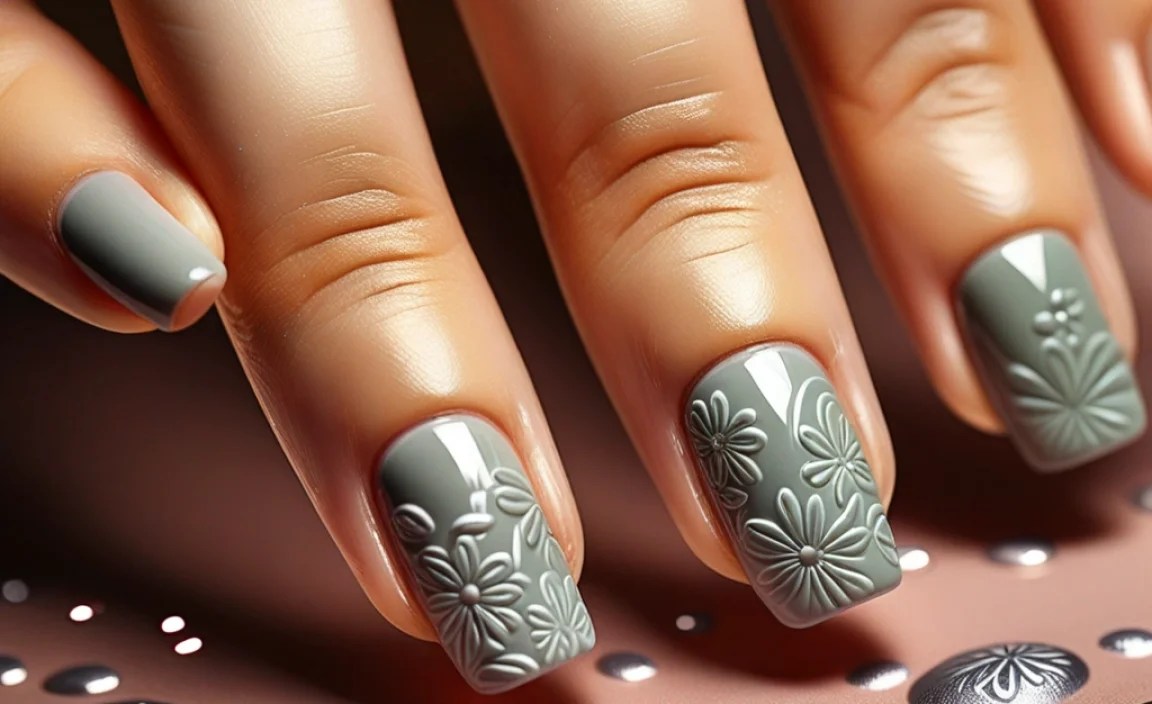
Let’s get stamping! This straightforward process will have you creating beautiful nail art in no time. Remember, practice makes perfect, so don’t be discouraged if your first try isn’t flawless!
Step 1: Prep Your Nails
This foundational step is crucial for a long-lasting and beautiful design. Clean, shape, and buff your nails. Apply a good quality base coat and let it dry completely. A smooth, dry surface is key!
Step 2: Apply Your Polish of Choice
Paint your nails with your desired base color. This is the polish that will show through the stamped design. Make sure it’s completely dry before moving on to stamping. This can take anywhere from 5 to 15 minutes depending on the polish formula and thickness.
Step 3: Prepare the Stamping Plate
Choose the design you want to use. Make sure the plate is clean. If you’ve used it before, give it a scrub with nail polish remover and a lint-free wipe. Place a drop of your highly pigmented stamping polish directly over the etched design you want to use.
Stamping Polish Tip: Don’t be shy with the polish! You need enough to fill the etched lines of the design. A generous bead works best.
Step 4: Scrape Off the Excess Polish
Immediately after applying the polish, take your scraper card or tool at about a 45-degree angle. With a quick, firm motion, scrape across the plate. The goal is to remove the excess polish from the surface, leaving polish only in the etched design. You might need to do this a couple of times, but be quick!
Pro Tip: Don’t press too hard, or you’ll pull the polish out of the etching. A light, swift angle is perfect.
Step 5: Pick Up the Design with the Stamper
Now for the magic! Hold your stamper at a slight angle and gently roll it over the design you just scraped. Again, a quick, firm rolling motion works best. The design should transfer instantly onto the silicone or jelly head of your stamper. If you miss a spot or get too much polish, don’t worry! Just clean your stamper with sticky tape (gently dab it) or polish remover and try again.
Troubleshooting Stamper Troubles: If the design isn’t picking up well, it could be your polish (try a different brand or thicker formula), or you might not be scraping fast enough. Also, ensure you’re not pressing down too hard with the stamper – it should be a gentle roll.
Step 6: Stamp Onto Your Nail
Once you have a clear image on your stamper, quickly and gently roll the stamper onto your prepared nail. Align the design where you want it and use the same rolling motion you used to pick up the design. If you’ve ever wondered why your stamped designs might look a bit smudged, it’s often because the stamping polish has started to dry on the stamper. Speed is your friend here!
For a cleaner stamp: Aim to transfer the image within about 10-20 seconds of scraping. Work from cuticle to free edge for a smoother application.
Step 7: Clean Up and Seal
This is where the magic of a clean finish happens! If you have any stray polish around your cuticles or fingertips, use your clean-up brush dipped in nail polish remover to carefully neaten the edges. Make sure all your stamped art is dry to the touch before applying a thick layer of good quality top coat. This will seal your design, add shine, and protect it from chipping.
Top Coat Trick: Apply your top coat in slightly thicker coats. This helps to ‘smooth over’ any texture from the stamping polish, giving you a perfectly seamless finish.
Advanced Techniques and Tips for Flawless Stamping

Once you’ve got the basics down, here are some ways to elevate your nail art stamping game:
Layering and Ombre Stamping
You can layer multiple stamped images on top of each other to create depth, or use different colors for a gradient effect. For ombres, you might stamp a lighter color over a darker base, or use a sponging technique for the gradient base color before stamping.
Using Different Stamper Heads
Some stamper heads are squishier than others, and some have a wider surface area. Experimenting with different types can help you achieve different results, especially for intricate designs or larger nails. A squishier stamper often works better for curved nails.
Reverse Stamping: A Creative Twist
This is a fun technique where you stamp a design onto a stamper, then fill in the colors within the design using nail polish and a small brush or dotting tool. Once the polish is dry on the stamper, you flip it and press it onto your nail. This allows for incredibly detailed, multi-colored designs!
How to Reverse Stamp:
- Stamp your chosen design onto your stamper using stamping polish.
- Immediately, before it dries, use a small nail art brush and regular nail polish (or special stamping polish) to carefully fill in the design on the stamper.
- Let the filled-in design on the stamper dry for a few minutes until it’s no longer tacky but not brittle.
- Carefully peel the dried image from the stamper.
- Apply a thin layer of nail polish to your nail (this acts as an adhesive for the stamped image).
- Gently press the peeled image onto your prepared nail with tweezers or your finger.
- Apply a top coat to seal.
Multi-Color Stamping
For a multi-color look, apply two or more different stamping polishes to your plate’s design and scrape only once. Then, quickly stamp! The colors will blend a bit on the plate, giving a unique effect.
Preventing Smudging
Speed is your best friend when stamping. Work quickly from applying the polish, scraping, to stamping on the nail. Also, ensure your base polish is completely dry before you start. A too-wet base polish will cause the stamped design to smudge.
Common Stamping Mistakes and How to Fix Them
Even the most seasoned nail artists encounter a few hiccups. Here’s how to tackle them:
| Problem | Cause | Solution |
|---|---|---|
| Design won’t transfer to stamper | Polish dried too fast; not enough polish; scraping incorrectly. | Work faster! Use more polish. Ensure a quick, firm scrape at 45 degrees. Try a different stamping polish known for good pickup. |
| Design transfers, but looks faint or incomplete | Not enough polish on the plate; excess polish not fully removed; weak stamping polish. | Apply a generous amount of polish. Scrape more carefully to remove excess without pulling polish from etching. Try a new, highly pigmented stamping polish. |
| Stamped design smudges on the nail | Base polish is too wet; top coat applied too soon or too heavily. | Ensure your base color is fully dry. Apply a thin layer of top coat first, let it set slightly, then apply a thicker, smoothing coat. |
| Polish gets all over the skin around the nail | Messy scraping or stamping; poor cleanup. | Practice cleaner scraping and rolling motions. Use a cleanup brush with polish remover for precise edge tidying after stamping and before top coat. |
| Stamping plate gets easily scratched | Using abrasive tools for cleaning. | Always use non-abrasive materials like cotton pads or lint-free wipes with nail polish remover. Never use harsh scrubbers or metal objects on your stamping plates. |
Why Stamping Plates Wear Out (And How to Make Them Last!)
Stamping plates are designed to last, but they aren’t indestructible. Understanding what affects them can help you keep your favorite designs in great condition. The etching on the plates is what holds the polish. Over time, especially with harsh cleaning or rough handling, these etchings can become shallow or scratched, making it harder to pick up designs.
What to Avoid:
- Harsh Scrubbing: Never use scouring pads, steel wool, or abrasive cleaners on your plates. These will damage the etching.
- Metal Tools: Don’t use metal scrapers directly on the plate if they feel sharp or rough – stick to plastic scraper cards or old gift cards.
- Dropping Plates: Metal plates are durable, but a significant drop can cause them to bend or scratch.
- Acetone Soak for Too Long: While acetone is great for cleaning, soaking plates for extended periods isn’t necessary and could theoretically affect coatings on some plates over a very long time. A quick wipe is usually sufficient.
How to Care for Your Plates:
- Gentle Cleaning: A quick swipe with a lint-free wipe dipped in nail polish remover is usually all you need.
- Dry Thoroughly: Ensure the plates are completely dry before storing them to prevent rust (though most modern plates are treated to resist this).
- Proper Storage: Keep plates separated to prevent scratching. Many stamping plates come with protective paper sleeves, or you can use dedicated stamping plate storage cases. Avoid just tossing them into a drawer where they can rub against each other.
Taking these small steps will significantly extend the life of your stamping plates, ensuring you can create beautiful nail art for years to come. For more insights into nail care and tool maintenance, resources from organizations like the Nailpro association offer valuable professional advice.
Stamping Polish vs. Regular Nail Polish: What’s the Difference?
This is a common question for beginners! While you can sometimes use regular nail polish for stamping, it’s often not ideal. There’s a reason stamping polish is a separate category. Let’s break down why:
| Feature | Stamping Polish | Regular Nail Polish |
|---|---|---|
| Pigmentation | Extremely high. Designed to be opaque in one thin layer. | Varies, often requires multiple coats for opacity. |
| Consistency | Thicker, more viscous. | Thinner, designed to spread evenly for brush application. |
| Drying Time | Dries relatively quickly, but not so fast it won’t transfer. | Can range from fast to slow, but often too slow for effective stamping pickup. |
| Transfer Quality | Crisp, clean lines and full coverage. | Can be patchy, faint, or have lines that break. |
| Purpose | Specifically formulated for picking up detailed etched designs. | Formulated for smooth application and wear on the nail. |
Think of it this way: Stamping polish is like ink for a rubber stamp – concentrated and designed for transfer. Regular nail polish is more like paint – meant to be applied smoothly and evenly, but not necessarily to hold fine detail when lifted. Investing in a few good stamping polishes will seriously improve your results and make the process much more enjoyable!
Frequently Asked Questions About Nail Art Stamping
Got more questions? We’ve got answers!
Q1: How long does nail art stamping take?
A: Once you get the hang of it, a full set of stamped nails can take anywhere from 15 to 30 minutes, depending on the complexity of the design and how many nails you’re doing. It’s much faster than intricate freehand art!
Q2: Can I use any nail polish for stamping?
A: While specialized stamping polishes are highly recommended for best results due to their pigmentation and consistency, you can sometimes use very highly pigmented, thick regular nail polishes. Experiment with what you have, but be prepared for potentially less crisp results.
Q3: How do I clean my stamping plates and stamper?
A: Use a lint-free wipe or cotton pad soaked in nail polish remover. For plates, a quick wipe is usually enough. For the stamper, gently dab it onto sticky tape or use a lint roller first to pick up excess polish, then follow with a very light wipe with polish remover if needed. Too much remover can damage some stamper heads.
Q4: My stamped image is smudged. What went wrong?
A: This is usually because your base nail polish is still too wet when you stamp, or your top coat is applied too aggressively. Ensure your base color is bone dry! For top coat, apply a thin layer first to slightly ‘set’ the design, then follow with a more generous, smooth coat.
Q5: I’m new to nail art. Where should I start with stamping plates?
A: Begin with designs that have bold, clear lines, like simple dots, stripes, or classic patterns. Avoid very fine lace or detailed images initially, as they can be trickier to pick up. As you gain confidence, you can explore more intricate designs.
Q6: Can I achieve full nail coverage with stamping?
A: Yes! Many stamping plates come with full nail designs. For these, you’ll want to apply the polish, scrape, and stamp very quickly to ensure the entire image transfers before it dries. A slightly larger stamper head can also be beneficial for full nail coverage.
