To maintain beautiful nail art after your service, protect your nails from harsh chemicals and physical damage, moisturize them regularly, and avoid picking or peeling. Gentle handling and a good top coat are key to keeping your designs looking salon-fresh for longer.
So, you just got your dream nail art! Whether it’s intricate hand-painted flowers, dazzling 3D embellishments, or a sleek minimalist design, you want it to last. It’s frustrating when that gorgeous manicure starts chipping or losing its shine after just a few days. But don’t worry, keeping your nail art looking fabulous is totally achievable, even for beginners! With a few simple habits and a little TLC, you can extend the life of your salon-worthy nails.
Think of it like taking care of any other beautiful creation – a little extra care goes a long way. I’m Lisa Drew, and here at Nailerguy, we believe everyone can rock stunning nails. Let’s dive into the easy, practical tips to make your nail art endure, so you can keep showing off those amazing designs!
Why Nail Art Maintenance Matters

You’ve invested time and money (and excitement!) into your nail art. It’s your personal style statement, a little piece of portable art that brightens your day. When it fades or gets damaged too quickly, it’s not just a bummer for your look; it can feel like a waste. Regular maintenance isn’t just about making your nails look good; it’s about prolonging the life of the polish, gels, or acrylics, preventing nicks and chips, and ensuring the art itself remains vibrant.
This also helps protect your natural nails underneath. When nail art starts to lift or chip, it can sometimes catch on things, leading to breaks or even damage to your natural nail. By taking consistent care, you’re essentially giving your nails a protective shield and allowing them to stay as beautiful as the art on top.
Understanding What Affects Your Nail Art
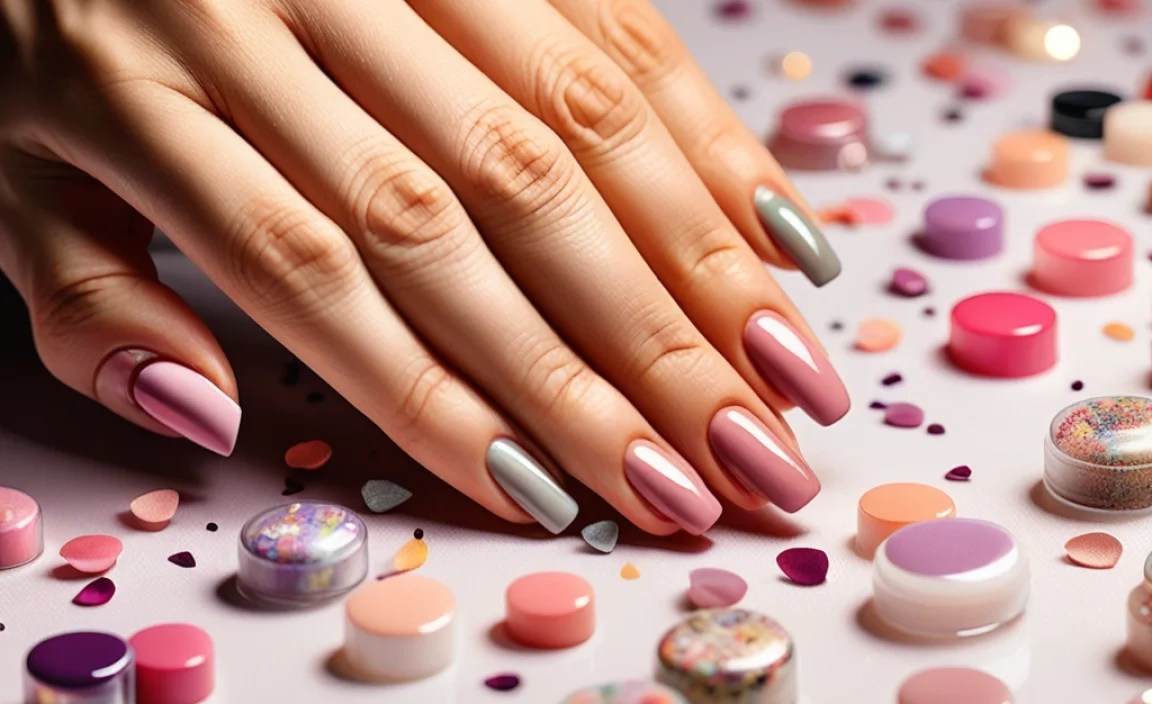
Before we get into the how-to, let’s quickly cover the common culprits that cause nail art to fade or damage:
- Water Exposure: Frequent and prolonged contact with water can weaken the polish or gel, leading to lifting and chipping. Think long showers, doing dishes without gloves, or swimming.
- Harsh Chemicals: Cleaning products, acetone-based nail polish removers, and even some lotions can break down the integrity of your nail art, causing it to become dull, chalky, or peel.
- Physical Damage: Using your nails as tools – to open cans, scrape labels, or type aggressively – can cause chips, cracks, and breaks in the art and the nail itself.
- Friction and Abrasion: Everyday activities like typing, handling rough surfaces, or even your phone screen can rub away at the top coat and the art, dulling the finish and causing wear.
- Sunlight: While less common, prolonged exposure to direct UV rays can sometimes cause certain nail polish colors to fade or yellow over time.
Your Essential Nail Art Maintenance Toolkit

You don’t need a whole salon’s worth of products to keep your nail art looking its best. Here are a few key items that will make a big difference:
| Item | Why It’s Helpful | Lisa’s Tip |
|---|---|---|
| High-Quality Top Coat | Reapplication strengthens the protective layer, adds shine, and seals the art. | Look for quick-dry, chip-resistant formulas. A gel-like finish often lasts longer! |
| Cuticle Oil | Keeps cuticles hydrated, which in turn keeps your nails and the art flexible and less prone to breakage. | Apply daily, especially overnight, for best results. My favorite is a jojoba-based oil. |
| Gloves (Dishwashing/Cleaning) | Physical barrier against water and harsh chemicals. This is HUGE for longevity! | Keep a pair handy by your sink. It takes two seconds and saves so much heartache. |
| Gentle Hand Cream | Moisturizes the nail and surrounding skin, preventing dryness that can lead to brittleness. | Apply after washing hands and always after using sanitizer, but try to avoid excessive rubbing on the art itself. |
| Non-Acetone Nail Polish Remover | Safer for nail art (especially if you have gems or specific finishes) than harsh acetone. | Always use this for touch-ups or removing polish from other nails if you have art on some. |
| Buffer Block | For gentle touch-ups and to restore shine if the top coat gets dull. | Use the finest grit side and buff very lightly. |
Step-by-Step Guide: How to Maintain Nail Art After Service

Now for the good stuff! Here’s how to pamper your nails and keep that art looking fresh:
1. The Crucial First 24-48 Hours: Let It Cure!
This is often the most overlooked step, but it’s vital! Whether you got traditional polish, gel, or acrylics, the first day or two are crucial for the product to fully harden and bond. Think of it as the “settling in” period for your nail art.
- Avoid: Hot water (long baths, steam rooms), saunas, harsh cleaning, and applying lotions or oils directly onto the art.
- Gentle Handling: Be extra careful with your hands during this time.
- Why? Even if the surface feels dry, the layers underneath might still be soft and susceptible to damage. Rushing this can lead to dents, smudges, or premature lifting.
2. Hydration is Key: Moisturize, Moisturize, Moisturize!
Dryness is your nail art’s enemy. When your nails and cuticles are dry, they become brittle and more prone to cracking or breaking, which can chip your design. Hydration keeps everything supple and strong.
- Cuticle Oil: This is your best friend! Apply cuticle oil at least once a day, ideally before bed. Gently massage it into your cuticles and the surrounding nail plate. This not only keeps your cuticles looking neat but also nourishes the nail itself. Think of it as feeding your nails!
- Hand Cream: After washing your hands, always follow up with a good hand cream. While you want to avoid rubbing the art excessively, a light application is fine. Moisturizing your skin helps indirectly by keeping the overall hand healthy. A brand like EPA-approved moisturizers can offer peace of mind regarding ingredient safety.
- Don’t Forget: If you use hand sanitizer, follow up with a tiny bit of cuticle oil or hand cream afterwards, as sanitizers can be drying.
3. Water & Chemical Warriors: Glove Up!
This is probably the single most effective tip for long-term nail art maintenance. Water and household chemicals are the primary culprits behind polish lifting and gel/acrylic dullness.
- Dishwashing: Always wear rubber or nitrile gloves when doing dishes, even for a quick rinse.
- Cleaning: Any task involving cleaning sprays, bleach, or other harsh chemicals requires gloves. Yes, even wiping down your kitchen counter!
- Gardening/Crafts: If your hands will be exposed to dirt or potentially damaging substances, gloves are your go-to.
- The Science: Water can seep into microscopic imperfections in the polish or gel, causing it to swell and lose adhesion. Chemicals can break down the polish’s structure. Gloves create a protective barrier.
4. Gentle Hands, Happy Nails: Avoid “Nail Abuse”
Our nails can be strong, but they’re not indestructible tools! Using them for tasks they weren’t designed for is a fast track to chipping and breaking.
- Nail Etiquette: Resist the urge to use your nails to:
- Open cans or soda tabs
- Scrape off stickers or price tags
- Pry things open
- Type aggressively (use the pads of your fingers!)
- Be Mindful: Simply being more aware of how you use your hands throughout the day can make a huge difference.
- Protecting Art with Embellishments: If you have gems, rhinestones, or 3D elements, be extra gentle. Avoid snagging them on clothes or jewelry.
5. Top Coat Touch-Ups: Your Secret Weapon
Your initial top coat is great, but it can wear down over time. Regularly refreshing it is like giving your nail art a new shield.
- Frequency: Aim to reapply a thin layer of high-quality top coat every 2-3 days.
- How-To:
- Ensure your nails are clean and dry.
- Apply one thin layer of your favorite top coat.
- Avoid thick layers, as they can look lumpy and be prone to chipping themselves.
- Let it dry completely before touching anything significant.
- Benefits: This seals in the art, adds gloss, and reinforces the protective barrier against everyday wear and tear. It can even fill in tiny scratches on the surface!
6. The Art of Removal (When Needed): Be Kind!
Eventually, even the best nail art needs to be removed. How you do this impacts your nail health and the potential for future art.
- Avoid Peeling/Picking: This is the absolute worst thing you can do! Peeling off nail polish, gel, or acrylics rips away layers of your natural nail, causing damage, weakness, and unevenness.
- Use the Right Remover:
- For traditional polish: Use a non-acetone remover.
- For gel polish: Soak-off methods with acetone are usually required, but it’s best to have this done professionally or follow proper at-home soak-off procedures to minimize damage.
- For acrylics: Similar to gel, professional removal is recommended.
- Professional Help: If you’re unsure, always visit a nail technician. They can remove your art safely and prepare your nails for their next fabulous design. The Centers for Disease Control and Prevention (CDC) emphasizes proper hygiene, which extends to nail care practices, including safe removal.
Troubleshooting Common Nail Art Issues
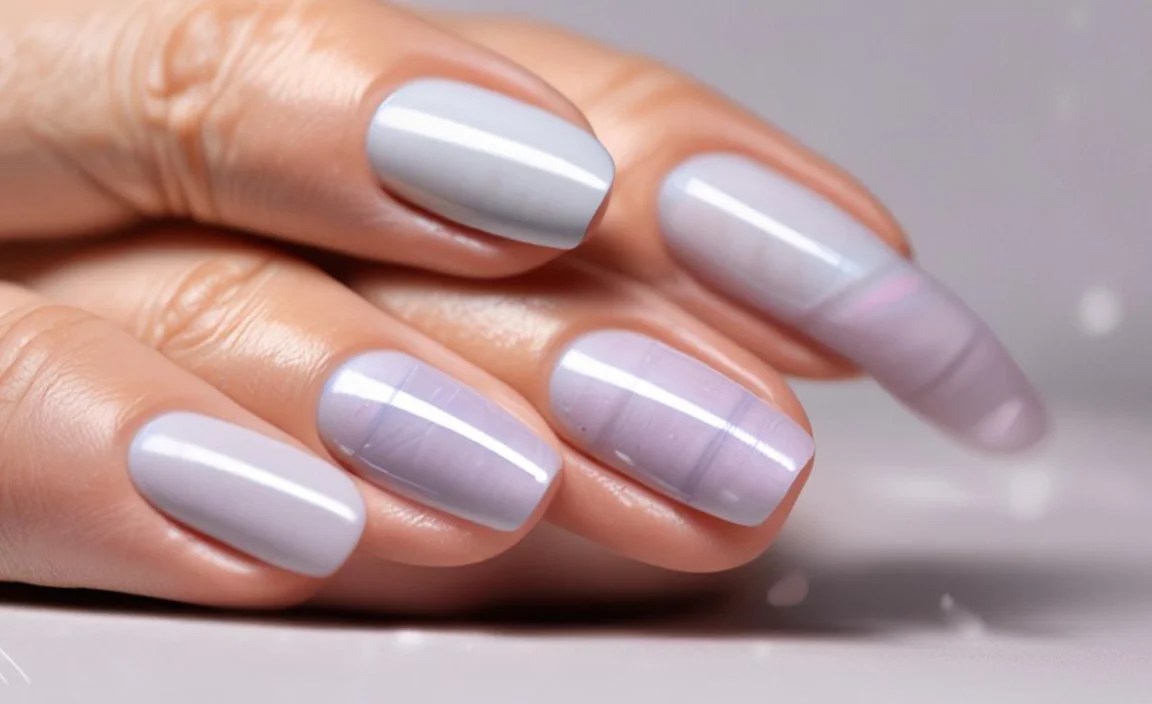
Even with the best care, a little hiccup can happen. Here’s how to fix them:
My Art is Looking Dull/Fried
The Culprit: This usually happens from friction, harsh chemicals, or the top coat wearing away. The shine gets buffed off!
The Fix: Reapply a thin layer of your favorite high-shine top coat. If the art itself is slightly damaged, a careful, light buffing with the finest grit of a buffer block might help restore some smoothness before the top coat, but be very gentle. If it’s really worn, it might be time for a refresh.
A Small Chip or Crack Appears
The Culprit: A minor bump or snag.
The Fix: If it’s a tiny chip and not lifting, you can try to carefully smooth the edge with a fine-grit buffer (very lightly!) and then apply a thin layer of top coat to seal it. For larger chips, you might need to touch up with a matching polish color or, if it’s a design element like a sticker, see if you can carefully reapply it. If it’s a significant issue, a professional touch-up is best.
Gems or Embellishments Are Coming Loose
The Culprit: Snagging, water exposure, or the adhesive wearing off.
The Fix: If it’s a small gem and still attached on one side, try to gently push it back into place. You can use a tiny dot of nail glue (specifically for nail art) or a bit of top coat on the underside of the gem to re-secure it. Be very precise and careful not to get glue on surrounding art you want to keep. If it’s completely fallen off, you might be able to reapply it with glue or top coat if you can find it!
A Table of “Do’s” and “Don’ts” for Nail Art Longevity

Here’s a quick reference guide to summarize our best practices:
| DO’S | DON’TS |
|---|---|
| Wear gloves for water-based and chemical tasks. | Use your nails as tools (e.g., to scrape, pry, open). |
| Moisturize with cuticle oil and hand cream daily. | Pick, peel, or bite your nail art or nails. |
| Reapply top coat every 2-3 days. | Soak your nails for extended periods (long baths, hot tubs). |
| Handle your hands gently. | Use harsh, acetone-based nail polish removers on your art. |
| Be mindful of friction and abrasion. | Expose nails to direct chemicals without protection. |
| Seek professional removal when in doubt. | Ignore early signs of chipping or lifting. |
The Long-Term Health of Your Nails

Maintaining your nail art isn’t just about aesthetics; it’s also about fostering healthy nails. By protecting your nails from harsh elements and physical trauma, you’re allowing them to grow stronger and healthier underneath.
A consistent routine of moisturizing and gentle handling means your nail bed and cuticles are well-nourished. This reduces the likelihood of issues like dryness, brittleness, and hangnails, which can detract from even the most beautiful nail art. When your natural nails are healthy, they provide a better canvas for future manicures, ensuring your nail art always looks its absolute best.
Remember, the goal is to enjoy your nail art for as long as possible while promoting the overall well-being of your hands and nails. It’s a beautiful synergy!
Nail Art Maintenance: FAQ
Q1: How long should I wait before getting my hands wet after a manicure?
A1: It’s best to wait at least 24 hours, and ideally 48 hours, before prolonged exposure to water. This allows the polish or gel to fully cure and harden.
Q2: Can I use regular nail polish remover to clean up mistakes on my nail art?
A2: It’s much safer to use a non-acetone nail polish remover. Acetone is very harsh and can break down the integrity of gel polish, acrylics, and even some designs on traditional polish, causing them to lift or become dull.
Q3: My nail art with gems keeps falling off. What can I do?
A3: Be extra gentle with embellished nails. If a gem is loose, try carefully reapplying it with a tiny dot of nail glue or a strong top coat. For future art, ensure your technician uses a good quality adhesive and consider adding an extra layer of top coat around the base of the gems if possible, avoiding the gem itself.
Q4: Is it okay to wear gel polish under nail art if I want it to last longer?
A4: Yes! Applying gel polish as your base layer is an excellent way to increase the longevity of your nail art. Gel is more durable and chip-resistant than traditional polish, providing a sturdier foundation for your designs.
Q5: How often should I reapply my top coat?
A5: For maximum protection and shine, try reapplying a thin layer of top coat every 2 to 3 days. This reinforces the protective layer and keeps your nail art looking fresh and glossy.
Q6: Can I swim with my nail art?
A6: While short dips are usually fine, prolonged swimming, especially in chlorinated pools or saltwater, can be tough on nail art. The chemicals and constant water exposure can weaken the polish or gel. Wearing gloves for chores and being mindful during leisure activities will help.
Q7: What’s the best way to revive dull-looking nail art?
A7: A fresh layer of a high-quality, glossy top coat is usually the best remedy. Make sure your nails are clean and dry before applying. This will restore shine and seal the surface.
