Leafy botanical nail art is achievable for beginners with the right tools, simple techniques, and practice. Focus on delicate strokes, layered colors, and a steady hand for beautiful, nature-inspired designs that elevate your manicure.
Dreaming of elegant, nature-inspired nails? Leafy botanical nail art can seem intricate, but it’s totally doable, even if you’re just starting out. Forget complicated steps; we’re here to show you how to bring the beauty of the outdoors to your fingertips. Let’s make your nails look like they’ve stepped right out of a lush garden!
Why We Love Leafy Botanical Nail Art
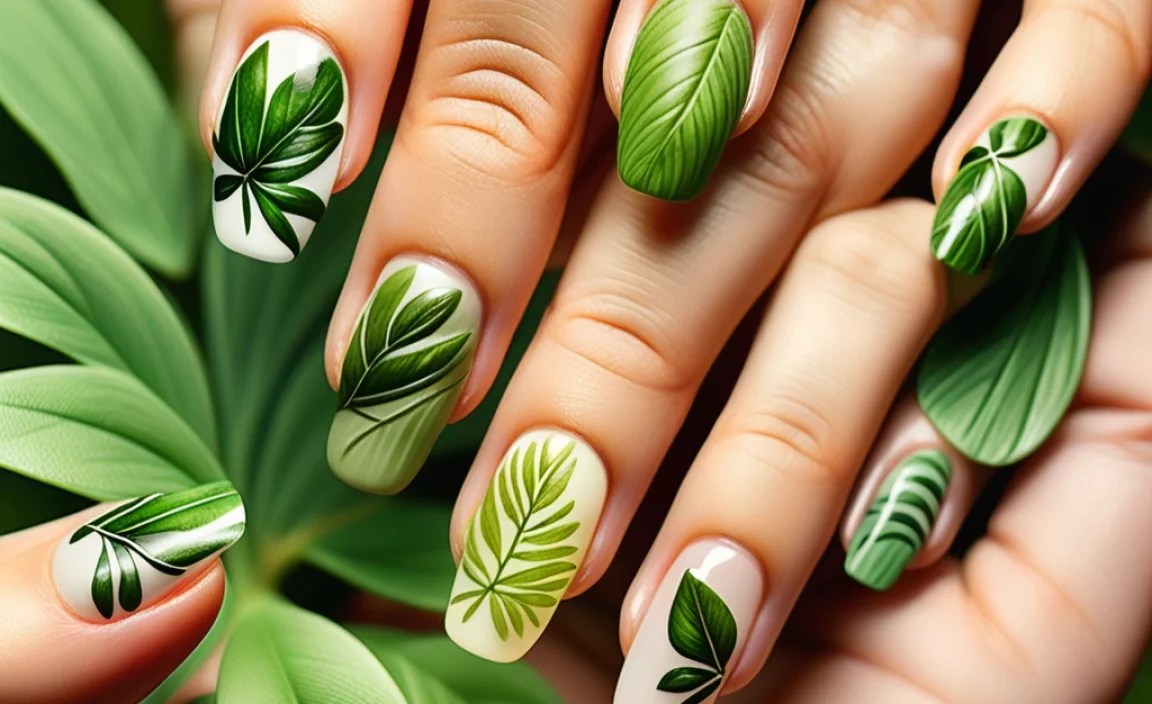
Leafy botanical nail art is a timeless trend that brings a touch of nature’s serenity to your look. It’s incredibly versatile, ranging from subtle accents to bold statements. Whether you’re aiming for a delicate vine or a tropical leaf, this style offers endless creative possibilities. It’s a fantastic way to express your personality and connect with the natural world, all while rocking a gorgeous manicure.
Essential Tools for Your Botanical Journey

To achieve stunning leafy designs, having the right tools makes all the difference. Don’t worry if you don’t have everything right away; you can build your collection over time. Here’s a breakdown of what you’ll need to get started on your leafy botanical nail art adventures:
- Fine-tipped Detail Brushes: These are your absolute best friends for creating delicate lines and intricate leaf shapes. Look for synthetic bristles that hold their shape well.
- Dotting Tools: Perfect for adding berries, small flower centers, or even creating a stippled effect for texture on your leaves.
- Nail Polish in Green Hues: You’ll want a variety of greens – from deep forest greens to bright emeralds and soft mints – to create depth and dimension in your leaves.
- Base Coat and Top Coat: Crucial for protecting your natural nails and ensuring your beautiful art lasts. A good top coat will also give your designs a professional, glossy finish.
- Nail Polish Remover and Cotton Pads: For cleaning up any mistakes and ensuring clean lines.
- Tweezers: Handy for applying small embellishments like glitter or tiny charms if you decide to get fancy.
- Palette or Old Nail Polish Cap: A non-porous surface to mix colors and place tiny dots of polish for your brush.
Beginner-Friendly Techniques for Leafy Designs
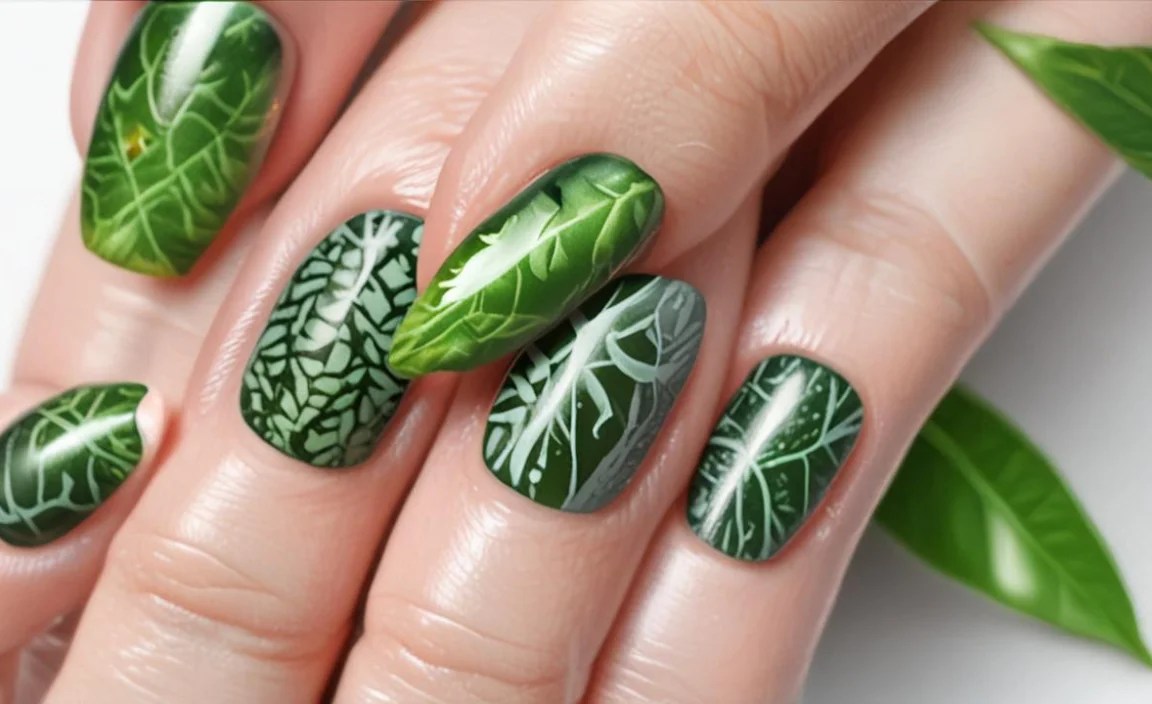
Getting started with leafy botanical nail art doesn’t require a degree in art! These simple techniques will help you create beautiful designs with confidence. Remember, practice is key, and it’s okay if your first few attempts aren’t perfect. Each try is a learning experience!
1. The Basic Leaf Stroke
This is the foundation of most leaf designs. It’s a simple stroke that tapers at both ends.
- Start with your chosen polish color on your fine-tipped brush.
- Gently press the brush onto the nail, then lightly pull it away, creating a teardrop or elongated oval shape.
- Lift the brush at the end of the stroke to create a natural taper.
- Repeat this motion to build up single leaves or groups of leaves.
2. Layering for Depth
Adding layers of green makes your leaves look more realistic and dimensional.
- Paint your base leaf shape using a lighter shade of green. Let it dry completely.
- Using a slightly darker green and a finer brush, draw thin lines within the base shape to mimic veins or add a slightly darker outline.
- You can even add a touch of a lighter green or white to the center of the leaf to create a highlight.
3. Creating Vines and Branches
Vines are essentially connected leaf strokes or simple, curved lines.
- Use a fine-tipped brush with a long-wear polish (like a dark green or brown) to draw a thin, flowing line across your nail. This is your vine.
- Add small leaf shapes along the vine using the basic leaf stroke technique.
- Experiment with different curves and lengths for your vines to create a natural, organic look.
4. Dotting for Accents
Tiny dots can add a lot of charm and realism.
- Use a dotting tool dipped in a contrasting color (like red for berries or yellow for small flowers) to place dots strategically around your leaves.
- Smaller dots can also be used to create texture or the appearance of dew drops on your leaves.
Step-by-Step: Creating a Simple Leafy Botanical Design
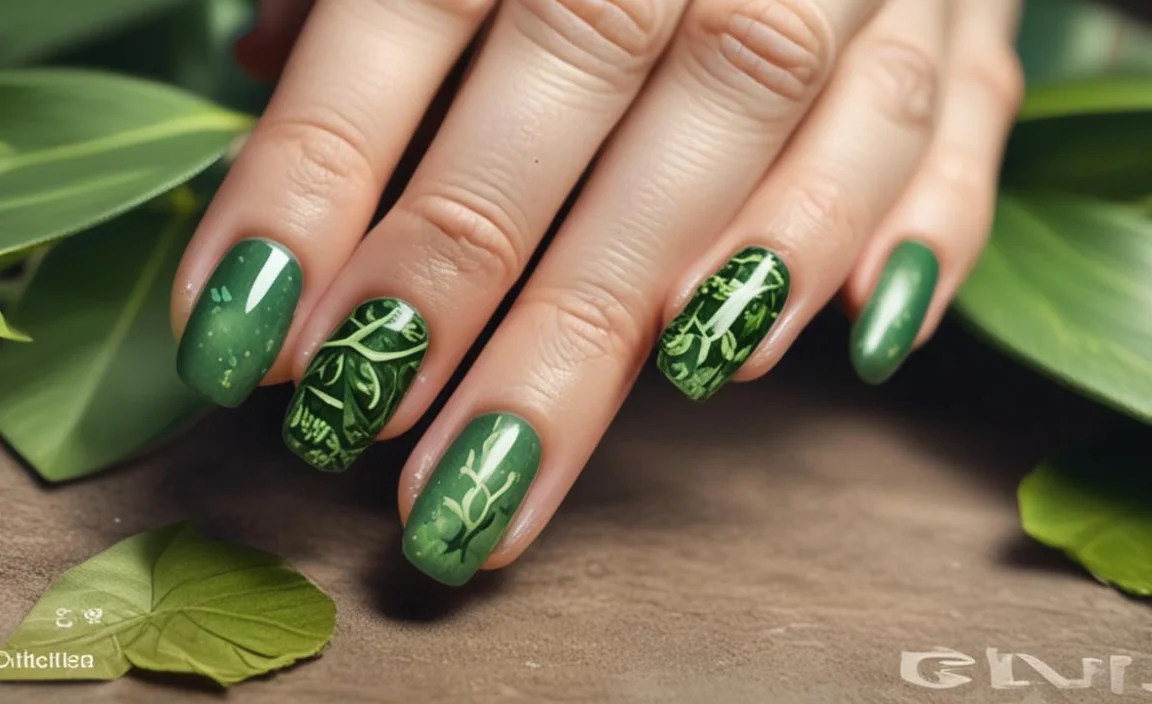
Let’s put these tips into practice with a straightforward design that’s perfect for beginners. This design focuses on creating a few elegant leaves on a clean background.
Step 1: Prep Your Nails
Start with clean, dry nails. Apply your favorite base coat and let it dry completely. This protects your nails and helps your polish adhere better.
Step 2: Apply Your Base Color
Choose a base polish color. Neutrals like soft beige, pale pink, or even a sheer white work beautifully and make the green leaves pop. Apply one or two thin coats and let it dry thoroughly.
Step 3: Mixing Your Greens
For a more natural look, it’s great to have a couple of shades of green. You can use two different green polishes or create a lighter shade by mixing a darker green with a tiny bit of white or yellow on your palette.
Step 4: Creating the First Leaf
Dip your fine-tipped brush into your lighter green polish. On a clean part of your nail (or a separate palette), practice a single leaf stroke to get a feel for it. Then, on your nail, gently press and pull to create a leaf shape. Don’t aim for perfection; a slightly imperfect leaf looks more natural!
Step 5: Adding More Leaves
Repeat the leaf stroke technique to add a few more leaves. You can place them close together, overlapping slightly, or spread them out. Vary the size and direction of your leaves to make the design interesting.
Step 6: Adding Veins (Optional, but Recommended!)
Once your base leaves are dry, take a finer brush and your darker green polish. Carefully draw a thin line down the center of each leaf to create a vein. You can add a few even finer lines branching off the center vein for extra detail.
Step 7: Finishing Touches
Carefully apply a good quality top coat over your entire nail, making sure to cap the free edge. This seals in your design and gives it a beautiful shine. Allow it to dry completely.
Choosing the Right Greens for Your Designs

The greens you choose will greatly impact the final look of your botanical nail art. Think about the type of foliage you want to create.
| Green Shade | Effect/Use | Best For |
|---|---|---|
| Deep Forest Green | Adds depth, shadow, and mature foliage. | Outlines, veins, and base for darker leaves. |
| Emerald/Jade Green | Vibrant, rich color. | Main leaf color for a bold look. |
| Mint/Sage Green | Soft, delicate, and airy. | Base for lighter leaves, accents, or a subtle effect. |
| Olive Green | Earthy, natural, and subtle. | Can be used as a base or for a more muted botanical theme. |
| Teal/Blue-Green | Adds an exotic or floral touch. | Unique leaf varieties, accents. |
Don’t be afraid to mix your own shades! A tiny drop of yellow can warm up a green, while a touch of blue can cool it down. Experimenting is part of the fun!
Tips for Achieving Salon-Quality Results at Home

Want your leafy botanical nail art to look like you just stepped out of a professional salon? Follow these pro-tip inspired tricks:
- Thin Coats are Key: Always apply polish in thin, even coats. This prevents bubbling and creasing, and makes it easier to control your brush strokes.
- Clean Your Brush: After each stroke or when switching colors, gently wipe your brush on a lint-free cloth or paper towel to remove excess polish. This ensures clean lines and prevents color muddling.
- Steady Your Hand: Rest your elbows on a stable surface while painting. You can also rest your pinky finger on the nail you’re not painting to create a stable support.
- Use a Cleanup Brush: A small, flat brush (like a small concealer brush or an angled eyeliner brush) dipped in nail polish remover is excellent for cleaning up any stray polish around your cuticles and sidewalls. It creates super crisp edges.
- Practice on Nail Tips: Before painting on your actual nails, practice your strokes and designs on artificial nail tips. This helps you refine your technique without the pressure of making a mistake on your manicure. Learn more about nail tips here from the University of Northampton.
- Patience Pays Off: Allow each layer and design element to dry completely before moving on to the next. Rushing through the process is a common cause of smudges and mistakes.
- Don’t Forget the Cap: When applying your top coat, make sure to “cap” the free edge of your nail by running the brush along the very tip. This seals the polish and design, preventing chips and extending the life of your manicure.
Troubleshooting Common Nail Art Issues
Even with the best intentions, you might run into a few snags. Here’s how to fix them:
- Smudged Polish: If you smudge a design before it’s dry, gently try to smooth it out with your brush or a lint-free wipe. If it’s too bad, don’t fret! A quick swipe of remover and start again. Once dry, a little cleanup around the edges can often fix minor imperfections.
- Thick, Gloopy Polish: Old polish can become thick and difficult to work with, leading to streaky designs. Try adding a drop or two of nail polish thinner (not remover!) to revive it. If that doesn’t work, it might be time to replace it.
- Brush Strokes are Too Visible: Ensure you’re using thin coats of polish. If your brush strokes are still prominent, try a different polish formula, or consider using a top coat with a polish leveller.
- Designs Won’t Stick/Peel Off: This usually means the base polish or the design layer wasn’t fully dry before the next layer was applied, or the top coat wasn’t applied correctly. Patience is crucial here! Ensure each layer is dry before the next.
Expanding Your Botanical Repertoire
Once you’re comfortable with basic leaves, you can explore more advanced techniques and elements to enhance your botanical nail art:
Adding Flowers and Berries
Use your dotting tools or a small brush to add tiny dots of red, pink, or purple for berries, or create simple floral shapes with dots and small petal strokes. A little pop of color can transform your leafy design.
Incorporating Other Elements
Consider adding delicate ferns, curling tendrils, or even small mushrooms for a more complex forest floor scene. Research different types of foliage for inspiration.
Experimenting with Different Backgrounds
While neutrals look great, try a soft pastel, a muted blue, or even a deep black background for a dramatic effect. The background color significantly influences the mood of your design.
3D Botanical Elements
For the more adventurous, consider using acrylic gel or even small dried flowers encased in clear gel or acrylic to add a tangible 3D element to your nails. This takes practice and is best for experienced artists or salon visits.
Frequently Asked Questions (FAQ)
Q1: What is the best type of brush for leafy botanical nail art?
A: A fine-tipped detail brush with synthetic bristles is ideal. Look for one that is long and thin, allowing for precise strokes needed to create delicate leaf veins and shapes.
Q2: How do I prevent my nail polish from getting streaky?
A: Apply polish in thin, even coats. Ensure your brush is not overloaded with polish and use smooth, consistent strokes. Letting each thin coat dry slightly before applying the next also helps.
Q3: Can I use regular nail polish or do I need special gel polishes?
A: Regular nail polish works perfectly for leafy botanical nail art, especially for beginners! Gel polishes require a UV/LED lamp for curing but offer longer wear and a high-gloss finish, which can also be stunning for this style.
Q4: My leaves look too flat. How can I add dimension?
A: Layering is key! Start with a lighter green base leaf. Once dry, use a slightly darker green to add thin vein lines and an outline, or even a touch of a lighter shade and white for highlights. This creates depth and makes the leaves pop.
Q5: How long does it take to learn this technique?
A: Like any skill, it takes practice. You can create simple, recognizable leafy designs within your first few tries. For highly detailed and intricate work, it might take weeks or months of consistent practice.
Q6: What if I don’t have multiple shades of green polish?
A: You don’t need many! You can create a lighter green by mixing any green polish with a small amount of white or yellow polish on a palette. Even two slightly different greens can give you enough contrast for a beautiful design.
Q7: How can I make my botanical nail art last longer?
A: Always start with a good base coat and finish with a high-quality top coat. Crucially, “cap” the free edge of your nail with the top coat to seal in the design and prevent chipping. Avoid harsh chemicals and prolonged water exposure when possible.
Conclusion
Bringing the beauty of leafy botanical designs to your nails is a wonderfully rewarding and creative process. We’ve covered the essential tools, simple yet effective techniques, and how to troubleshoot common issues, all to help you achieve those elegant, nature-inspired looks. Remember to be patient with yourself, practice regularly, and most importantly, have fun experimenting with colors and designs. Your nails are a canvas for self-expression, and with these tips, you’re well on your way to creating breathtaking botanical art that you’ll love to show off. Happy painting!
