Glossy nude to white gradient nails offer a sophisticated, effortlessly chic look that’s perfect for any occasion. This easy-to-achieve DIY manicure blends a soft nude base into a crisp white tip, creating a clean, modern, and flattering effect that elongates the fingers. Follow our simple steps for salon-worthy results at home!
Dreaming of nails that look polished, stylish, and oh-so-chic without a fuss? You’ve landed in the right spot! The glossy nude to white gradient nail look is a favorite for a reason. It’s sophisticated, versatile, and instantly elevates your style.
Sometimes, achieving that perfect blended effect looks intimidating. You might think intricate nail art is only for the pros. But guess what? With a few simple tools and a little guidance, you can totally master this trend right at your kitchen table. No need for fancy appointments or expensive salon visits!
We’re going to break down exactly how to create these beautiful gradient nails step-by-step. You’ll learn the tricks to getting a smooth transition so your nails look both natural and stunningly done. Get ready to impress yourself (and everyone else!) with your new favorite manicure.
Why We Love Glossy Nude to White Gradient Nails
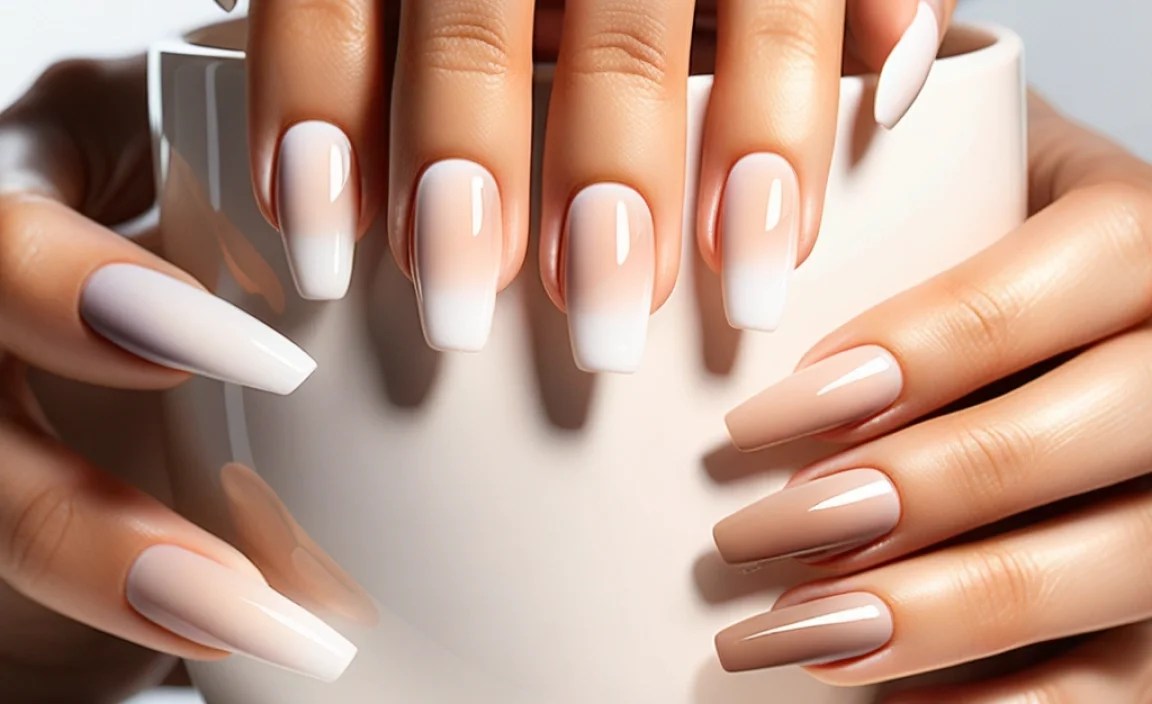
This design is a true chameleon. It’s subtle enough for the office, chic enough for a wedding, and stylish enough for a casual day out. The beauty of the nude to white gradient lies in its clean lines and soft blend, giving your nails a polished and refined appearance. It’s a modern twist on the classic French manicure, offering a touch more personality without being over the top.
Think of it as the ultimate neutral with a hint of something special. The glossy finish adds that extra touch of luxury, making your nails look healthy and well-cared for. It’s a look that complements any personal style and outfit, making it a go-to for busy individuals who want their nails to always look put-together.
Gather Your Nail Art Essentials

Before we dive into the fun part, let’s make sure you have everything you need. Don’t worry; most of these items are probably already in your nail polish collection! Having the right tools makes all the difference in achieving a smooth, professional-looking gradient.
What You’ll Need:
- Base Coat: To protect your natural nails and help polish adhere better.
- Nude Nail Polish: Choose a shade that complements your skin tone. A creamy, opaque nude works best.
- White Nail Polish: A bright, opaque white is ideal for a crisp contrast.
- Top Coat: For that high-gloss shine and to seal your design.
- Makeup Sponge or Nail Art Sponge: A clean, dense makeup sponge (like a beauty blender or a specific nail art sponge) is perfect for creating the gradient effect.
- Small Dish or Piece of Paper: To deposit your polish onto for the sponge.
- Nail Polish Remover: For those inevitable little mistakes.
- Cotton Swabs or Small Brush: For precise clean-up around the cuticles.
- Optional: Cuticle Oil: To nourish your cuticles after your manicure.
Having a good quality makeup sponge is key here. You want something that’s firm enough to pick up and deposit polish without absorbing too much. If you’re using a new makeup sponge, it’s a good idea to cut it into smaller pieces – a quarter or half of a sponge often works perfectly for nail art.
Pro Tip: Nude Shade Selection
Choosing the right nude polish is crucial for a flattering look. Consider your skin tone:
- Fair Skin: Look for nude polishes with pink or cool undertones.
- Medium Skin: Peachy or warm beige nudes often look stunning.
- Deep Skin: Rich, caramel, or brown-toned nudes provide a beautiful contrast.
Experimenting is part of the fun! You can even mix a tiny bit of white polish into a sheer nude to create a custom shade for your base if needed.
Step-by-Step Guide: Glossy Nude to White Gradient Nails
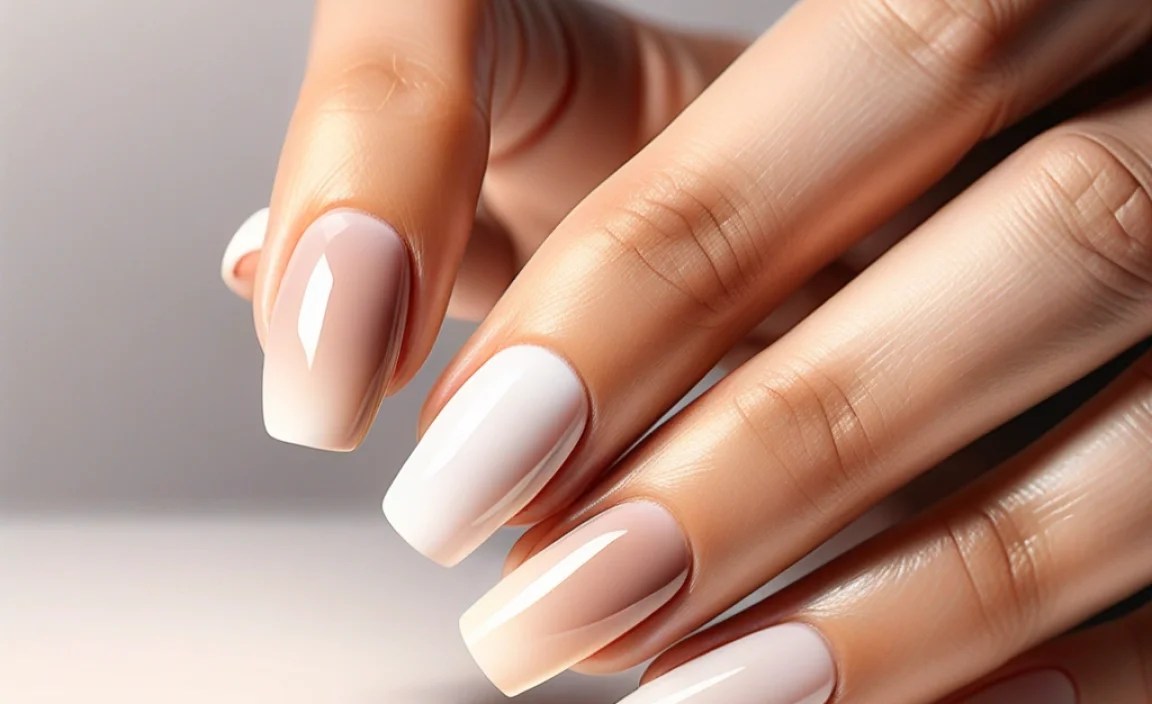
Ready to create some magic? Follow these easy steps for a flawless glossy nude to white gradient manicure. We’re keeping it simple so you can achieve beautiful nails with confidence!
Step 1: Prep Your Nails
Start with clean, dry nails. Push back your cuticles gently using a cuticle pusher. If needed, file your nails to your desired shape. Smooth out any ridges with a buffer. A smooth nail surface is essential for a flawless polish application.
Step 2: Apply Base Coat
Apply one thin layer of your favorite base coat. This protects your nails from staining and creates a smooth canvas for the polish. Let it dry completely, which usually takes about a minute.
Step 3: Apply the Nude Base Color
Apply two thin coats of your chosen nude nail polish. Make sure each coat is completely dry before applying the next. This opaque base will be the foundation of your gradient. A good opaque base ensures the gradient blend is smooth and impactful. Ensure you cap the free edge of your nail with each coat to prevent chipping.
Step 4: Prepare Your Sponge
Cut a small section of your makeup sponge. It’s best to use a fresh piece for each hand or even each nail to ensure the cleanest application. You can also rinse and dry your sponge if it’s a reusable makeup blender, or use a dedicated nail art sponge.
Step 5: Create the Gradient Blend
This is where the magic happens!
- Squeeze a small amount of your nude polish onto your piece of paper or into your small dish.
- Next to it, squeeze a small amount of white polish.
- Lightly tap your sponge into the nude polish, then immediately tap it onto the white polish, picking up both colors. You’re aiming to get a blend of both colors on the sponge.
- Gently dab the sponge onto the tip of your nail, starting from the middle of the nail and working your way upwards towards the free edge.
- Repeat the dabbing motion, layering the colors and building the gradient. You can re-apply polish to your sponge as needed, always dabbing into both nude and white.
- Focus on the top half of the nail blending down into the nude. The goal is a seamless transition from nude at the bottom to white at the top.
Don’t press too hard; a gentle dabbing motion is best. Don’t worry if it looks a little messy at first! That’s what clean-up is for.
You’ll likely need to re-apply polish to your sponge a few times and repeat the dabbing process. You can also experiment with the sponge placement. Sometimes, starting the dabbing slightly lower on the nail can help create a softer transition. It might take a couple of tries to get the perfect blend, so don’t be afraid to practice on a nail wheel or even a piece of paper first.
Step 6: Clean Up the Edges
Dip a cotton swab or a small, stiff brush into nail polish remover. Carefully clean up any polish that got onto your skin or cuticles. This step is essential for a professional, polished look. A clean-up brush is invaluable for precision. You can also use a fine-tipped orange stick dipped in remover.
Step 7: Apply Top Coat
Once the gradient polish is completely dry, apply a generous layer of glossy, high-shine top coat. This will not only seal your design and add incredible shine but also help to smooth out any texture from the sponge application. Make sure to cap the free edge of your nails with the top coat as well. Let it dry thoroughly, which can take a few minutes.
Step 8: Moisturize
Once your nails are completely dry, apply a drop of cuticle oil to each nail and gently massage it in. This adds a final touch of nourishment and makes your manicure look extra healthy and complete.
Table: Gradient Application Tips
Here’s a quick reference for troubleshooting and enhancing your gradient application:
| Problem | Solution |
|---|---|
| Uneven Gradient | Ensure you are dabbing gently and consistently. Reapply polish to the sponge and build the gradient in thin layers. Try a different density sponge. |
| Harsh Lines | Gently blend the transition line with a clean part of the sponge or a brush lightly dampened with remover (use very sparingly!). Ensure the polishes are still a bit wet when blending. |
| Spongy Texture | Apply a thicker top coat to smooth out the texture. Ensure each polish layer was dry before sponging. |
| Polish on Skin | Clean up immediately with a cotton swab or brush dipped in nail polish remover. For best results, pre-tape your cuticles with liquid latex tape before starting the gradient. |
| Gradient Too High/Low | Adjust the starting point of your sponging. For a higher gradient, start sponging closer to the cuticle. For a lower gradient, start further down the nail. |
Variations and Customization
The nude to white gradient is a fantastic canvas for creativity. Don’t be afraid to play around and make it your own!
Subtle Shimmer
For a hint of sparkle, add a layer of shimmering nude or iridescent top coat over your finished gradient. This adds depth and catches the light beautifully.
Matte Finish
Prefer a softer look? Swap your glossy top coat for a matte one! A matte nude to white gradient has a sophisticated, velvety finish that’s equally chic.
Accent Nail
Want to add a little extra flair? Try doing the gradient on all fingers, but add a simple accent nail on one or two fingers. This could be a solid white nail, a nude nail with a simple white line, or even a touch of glitter.
Color Twists
While nude to white is classic, you can adapt this technique with other color combinations. Think soft pink to white, or a light beige to cream. The principle remains the same!
Maintaining Your Gradient Nails
To keep your gorgeous gradient nails looking their best, follow these simple care tips:
- Wear Gloves: Protect your nails from harsh chemicals when doing chores like washing dishes or cleaning.
- Moisturize: Keep your hands and cuticles hydrated with lotion and cuticle oil. Healthy cuticles make polished nails look even better!
- Avoid Using Nails as Tools: Resist the urge to open cans or scrape things with your nails, as this can cause chipping and lifting.
- Touch-Ups: If you notice a small chip or wear along the free edge, you can sometimes touch it up with a bit of top coat to extend the life of your manicure.
Regularly applying cuticle oil is one of the easiest ways to ensure your nails look healthy and your manicure stays pristine. It helps prevent your cuticles from drying out and becoming ragged, which can detract from even the most beautiful nail art. You can find excellent resources on nail care from institutions like the American Academy of Dermatology, which offers tips on maintaining healthy nails and cuticles.
Frequently Asked Questions (FAQ)
Q1: How do I get a smooth blend between the nude and white polish with a sponge?
The key is to dab lightly and repeatedly. Apply both polishes to the sponge side-by-side, then gently tap them onto the nail, starting near the middle and working your way up. You may need to reapply polish to the sponge and repeat the dabbing motion a few times to build opacity and achieve a seamless look.
Q2: My gradient looks streaky. What can I do?
Streaks often happen if the polish dries too quickly on the sponge or the nail. Ensure you’re working quickly after applying polish to the sponge. If the lines are too harsh, a generous layer of top coat can help smooth them out. You can also try dabbing very lightly to build coverage gradually.
Q3: Can I achieve this look without a sponge?
Yes! While a sponge is easiest, you can try using a thin nail art brush to carefully blend the colors. Apply the nude polish first, then use the brush to gently dab and feather the white polish from the tip downwards. It requires more precision and patience.
Q4: How long do these gradient nails typically last?
With proper application, including a good base and top coat, and careful wear, your glossy nude to white gradient nails can last anywhere from 7 to 14 days. Consistent moisturizing and wearing gloves for chores will help extend their lifespan.
Q5: What kind of nude polish is best for this design?
An opaque, creamy nude polish works best. Sheer nudes might require more layers to achieve a solid base, which can make sponging trickier. Experiment to find a nude that complements your skin tone for the most flattering effect.
Q6: Is this design suitable for shorter nails?
Absolutely! The nude to white gradient can actually make shorter nails appear longer and more elegant. Focus on where you blend the colors; starting the gradient slightly higher up the nail can create a lengthening illusion.
Q7: My nails look a bit textured after using the sponge. How do I fix that?
This is common! A thick, high-shine top coat is your best friend here. Apply it generously, making sure to cap the free edge. The top coat will fill in the slight texture left by the sponge, creating a super smooth, glossy finish. You might need two layers of top coat for a perfectly smooth surface.
Conclusion
And there you have it! Creating stunning glossy nude to white gradient nails at home is not only achievable but incredibly rewarding. You’ve learned how to prep your nails, choose the perfect shades, use a sponge for that seamless blend, and finish with a high-shine top coat that makes the design pop.
This manicure offers a sophisticated, clean, and effortlessly chic look that’s perfect for any occasion. It’s a fantastic way to express your personal style and add a touch of elegance to your everyday. Remember, practice makes perfect, so don’t be discouraged if your first attempt isn’t flawless. Every time you try, you’ll get better and more confident.
Go forth and create your own beautiful gradient nails! We can’t wait to see how they turn out. Enjoy the process, embrace your creativity, and rock those gorgeous, polished fingertips!
