Compare gel vs acrylic nail design durability: Both offer impressive strength, but gel often provides a more natural look and flexible feel, while acrylics are known for their extreme hardness and longevity. The best choice depends on your lifestyle and desired finish for long-lasting, beautiful nails.
Hey lovelies, Lisa Drew here from Nailerguy! Ever stood at the nail salon, staring at two tempting options – gel and acrylic – and wondered which one will actually last? It’s a common question, and honestly, it can feel a bit overwhelming trying to figure out the real difference in durability between these popular nail enhancements. But don’t you worry! We’re going to break it all down, super simple, so you can pick the perfect option for your fabulous nails.
We’ll explore how long each typically stays put, how they stand up to daily life, and what makes them tick. Get ready to become a gel vs. acrylic durability expert and make your next manicure last!
Gel vs. Acrylic Nail Design Durability: Your Essential Guide
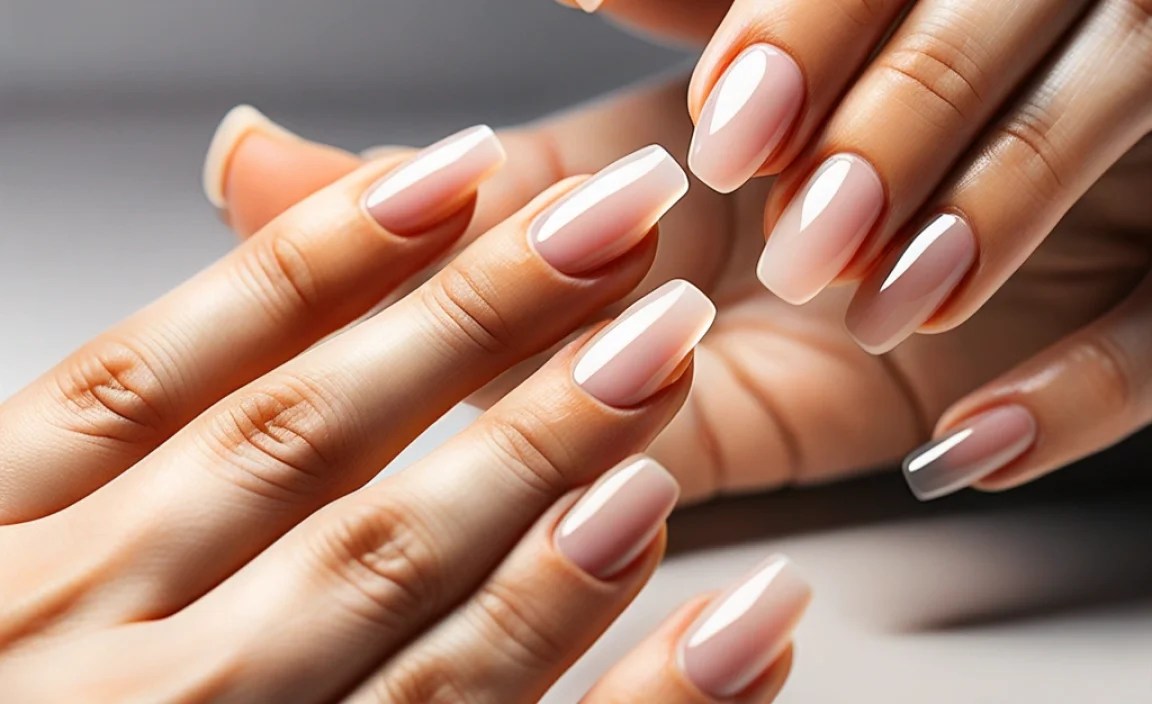
When it comes to creating stunning, long-lasting nail designs, gel and acrylics are the reigning champions. Both offer a fantastic way to extend your nails, add strength, and serve as a perfect canvas for intricate nail art. But they aren’t quite the same, especially when we talk about how they hold up against the daily hustle and bustle. This guide is all about comparing gel vs. acrylic nail design durability, so you can confidently choose the best fit for your lifestyle and keep those nails looking gorgeous for weeks.
Understanding the Basics: What Are Gel and Acrylic Nails?

Before we dive into durability, let’s quickly cover what gel and acrylic nails are. Think of it as getting to know our contenders!
Gel Nails
Gel nails are created using a special gel polish that cures (hardens) under an ultraviolet (UV) or LED lamp. There are different types of gel systems:
- Soft Gel (Gel Polish): This is the most common type. It’s applied like regular polish but requires curing under a lamp. It’s more flexible and can be soaked off with acetone.
- Hard Gel: This is a more rigid gel that is typically used to create extensions or overlays. It’s also cured under a lamp but is usually filed off rather than soaked.
Gel nails are known for their high shine, natural look, and flexibility.
Acrylic Nails
Acrylic nails are formed by mixing a liquid monomer with a powdered polymer to create a dough-like consistency. This mixture is then sculpted onto the natural nail or a tip to create an extension. Once exposed to air, it hardens on its own. Acrylics are known for their strength and hardness.
Comparing Durability: The Nitty-Gritty
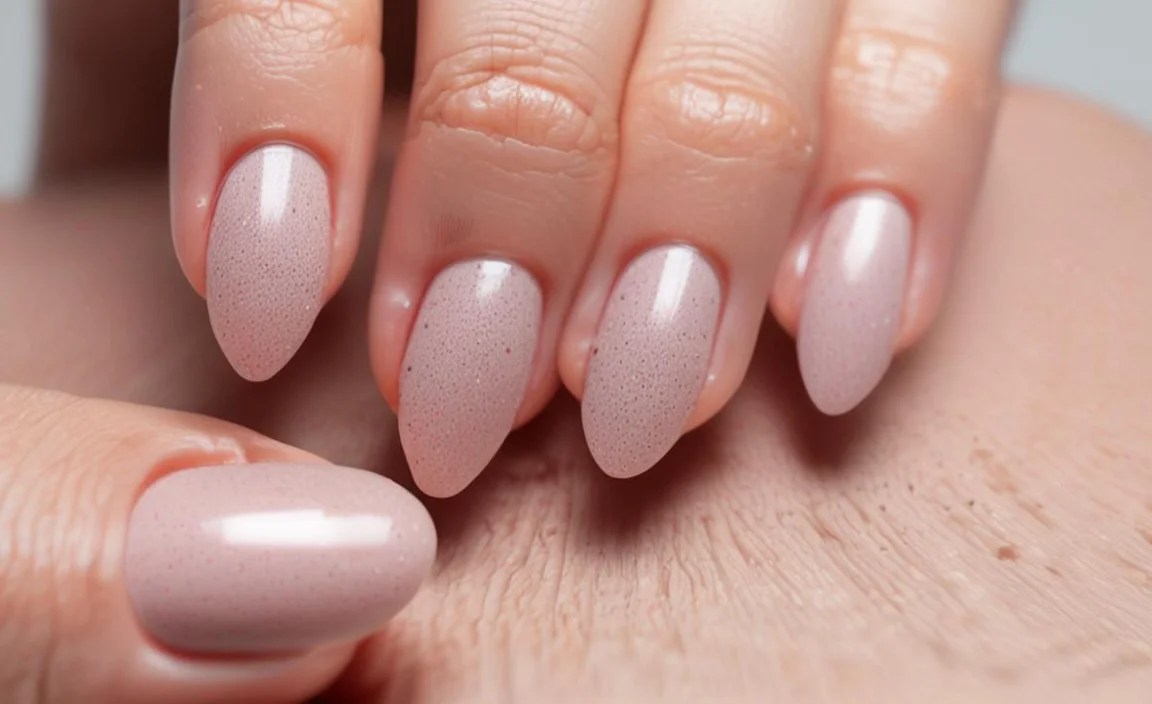
So, which one is tougher? The answer is… it depends! Both gel and acrylics are very durable, but they handle stress and wear differently. Let’s break down the comparison:
How Long Do They Typically Last?
For both gel and acrylics, the general lifespan is similar, usually ranging from 2 to 3 weeks before a fill or removal is needed. However, “last” can mean different things:
- Gel Nails: Often called “gel polish,” these can last 2-3 weeks without chipping or peeling. The flexibility of gel means it’s less likely to snap, but it might eventually lift at the edges if not applied perfectly.
- Acrylic Nails: Acrylics are incredibly hard and can easily last 2-3 weeks. Because they are less flexible, they are more prone to breaking or cracking if subjected to a strong impact, which might mean needing a repair sooner than with gel.
Durability Against Daily Wear and Tear
This is where the nuances really show. How well do they cope with your everyday life? Let’s consider common activities:
Chipping and Brushing:
- Gel: Because gel polish is more flexible, it often bends with your natural nail. This makes it much more resistant to chipping and cracking from minor bumps. Think of it like a strong, yet slightly bendy, shield.
- Acrylic: Acrylics are rigid and hard. While this makes them very protective, if something hits your nail with enough force, the rigidity can cause them to snap or break rather than just chip. This means acrylics might be more susceptible to a dramatic breakage if you’re very active.
Lifting and Peeling:
Lifting happens when the enhancement separates from the natural nail. Poor application is the main culprit for both:
- Gel: Improper curing or inadequate nail prep can lead to lifting. However, the natural flexibility of gel can sometimes help it “stay put” better than a rigid acrylic if there’s a slight imperfection.
- Acrylic: Air bubbles or gaps during application are common causes of lifting in acrylics. Thanks to their hardness, once an acrylic starts to lift, it can be more prone to snagging and further lifting or breaking.
Scratching and Surface Damage:
This is where acrylics often get the edge.
- Gel: While gel has a beautiful high shine, the surface can be more prone to scratching or dulling over time with heavy use, especially if it’s a softer gel polish.
- Acrylic: The hardness of acrylic makes the surface inherently more resistant to scratches. This means your acrylics might maintain that smooth, flawless look for longer, even with significant contact with surfaces.
Strength and Impact Resistance
When we talk ‘strength,’ it often means resistance to breaking, snapping, or cracking.
- Gel: Gel’s flexibility allows it to absorb some impact without breaking. This can be a huge advantage for those who are a bit rough with their hands or have naturally weaker nails. A strong gel overlay can mimic the strength of acrylic while offering more bounce.
- Acrylic: Acrylics are incredibly strong and rigid. They provide a substantial barrier against impact. However, this very rigidity means that if the force exceeds their threshold, they are more likely to break or snap clean off rather than bend. This is why aggressive filing is crucial for their removal, as filing is safer than forceful breaking.
Pros and Cons: A Quick Comparison Table
To make it super easy to compare, here’s a handy table summarizing the durability aspects of gel vs. acrylic:
| Feature | Gel Nails | Acrylic Nails |
|---|---|---|
| Overall Durability (Lifespan) | 2-3 weeks | 2-3 weeks |
| Resistance to Chipping | High (due to flexibility) | Moderate (can chip or snap) |
| Resistance to Scratching | Moderate (can dull) | High (hard surface) |
| Strength Against Impact | Good (flexible, less prone to snapping) | Very High (rigid, but can snap if strong force applied) |
| Resistance to Lifting | Good (if prepped well) | Good (if prepped well) |
| Flexibility | High | Low |
| Natural Look | High (can look closer to natural nails) | Can be thicker, though can be filed thinly |
| Feel | Lighter, more flexible | Harder, more solid |
Factors Affecting Durability for Both
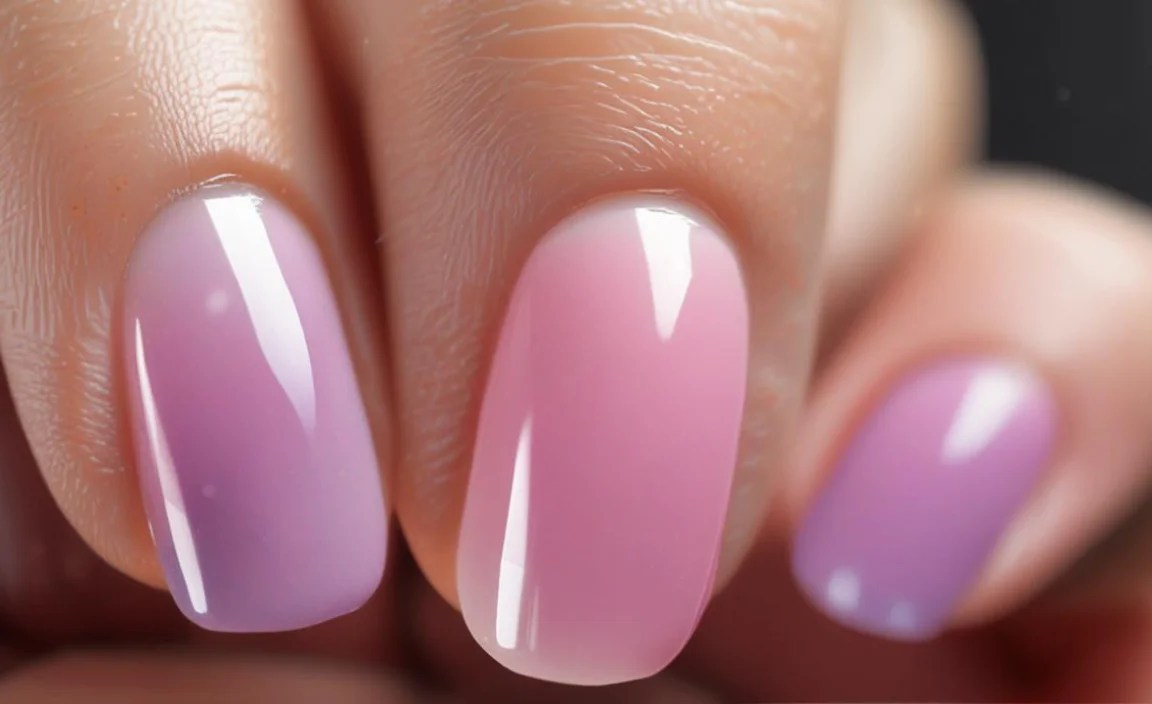
No matter if you choose gel or acrylic, several factors influence how long your manicure will truly last purely on durability:
- Nail Preparation: This is CRUCIAL for both. Proper buffing to remove shine, cleansing, and dehydrating the natural nail creates a perfect base for product adhesion. If this step is rushed or done poorly, expect lifting or premature failure.
- Application Technique: A skilled technician is key! Whether it’s the perfect cap of gel polish on the free edge or the precise bead of acrylic, technique matters for longevity.
- Your Lifestyle: Are you constantly typing, doing manual labor, or engaging in activities that put stress on your nails? Someone with a more hands-on lifestyle might find even the most durable enhancements need attention sooner. For instance, heavy use of keyboards can cause friction that dulls gel surfaces or stresses acrylic edges.
- Nail Health: The condition of your natural nail underneath plays a role. Oily nail beds can affect adhesion for both.
- Aftercare: Avoid using your nails as tools! Minimize prolonged exposure to water (like long baths or swimming), and wear gloves for household chores involving water or chemicals. Moisturizing your cuticles daily helps keep the surrounding skin healthy and less prone to dryness that can interfere with the nail enhancement seal.
Gel vs. Acrylic: Which is Better for Durability?

It’s not a simple win for either! Here’s Lisa’s take:
Choose Gel If:
- You want a more natural, flexible feel.
- You want a high-gloss finish that’s less prone to chipping.
- You’re concerned about nails snapping off completely.
- You prefer a lighter-feeling enhancement on your nails.
- You have very thin or naturally weak nails and want added strength without excessive bulk.
Choose Acrylic If:
- You want extreme hardness and rigidity.
- You need to build significant length or shape.
- You’re very active and want a surface that resists scratching.
- You don’t mind a slightly thicker or harder feel on your nails.
- You want the option for very dramatic nail shapes and lengths.
Nail Extension Durability: A Deeper Dive
When we talk about extending nails, both gel and acrylic shine in their own ways, and durability is a big part of that. For example, when adding length, acrylics are often favored for their sheer structural integrity and ability to hold a shape perfectly. You can sculpt almost anything with acrylic! On the other hand, hard gels can also be used for extensions and offer a strong yet more flexible alternative. The key is how the extension is applied and blended with the natural nail to ensure it’s not a weak point.
For instance, a well-applied acrylic extension can withstand daily tasks for weeks. However, if it’s too thick or not properly bonded, it’s more likely to snap. A gel extension can also be incredibly strong, but its flexibility means it might be a better choice if your natural nail is prone to flexing, as the gel will move with it.
When choosing, think about your natural nail structure and how you use your hands. If you tend to hit your nails hard, acrylic’s rigidity might protect them by being a solid shield. If your nails bend easily, gel’s flexibility might prevent cracks and breaks.
Maintenance and Longevity
To ensure maximum durability and longevity for both gel and acrylic enhancements, regular maintenance is key:
Fill-Ins:
As your natural nail grows, the “apex” or highest point of the enhancement moves with it, creating a gap near the cuticle. This is where fills are needed, typically every 2-3 weeks.
- Gel: Gels can be “filled.” The technician will file down the existing gel, shape, and reapply a new layer of gel around the cuticle area and buff the top to a shine.
- Acrylic: Acrylics are also filled by filing down the old product and reapplying new acrylic mixture to fill the gap.
Properly done fills are essential. If a fill is skipped or done incorrectly, the enhanced nail can become imbalanced, leading to lifting or potential breakage due to uneven stress.
Repairs:
Accidents happen! If a nail breaks or cracks between appointments:
- Gel: Minor chips can sometimes be patched with gel polish and cured. A significant break might require a small repair or even a removal and reapplication.
- Acrylic: Acrylics can often be repaired by a technician, re-sculpting the broken area. However, if the break is severe, removal might be the best option to ensure structural integrity.
Seeking professional repair is always recommended to maintain the strength and shape of your enhancements.
Environmental Factors and Durability
Interestingly, your environment can also play a role in how well your nails hold up:
| Environmental Factor | Effect on Gel | Effect on Acrylic |
|---|---|---|
| Moisture/Water Exposure | Prolonged soaking can weaken the bond, potentially leading to lifting. | While generally resistant, prolonged exposure can sometimes soften the acrylic or affect the top coat. |
| Heat | Extreme heat might affect the polish’s integrity over extended periods, but generally stable. | Acrylic is very stable to heat. |
| Chemicals (Household Cleaners, Acetone) | Acetone is used for gel removal, but harsh chemicals can dull or damage the surface if not careful. | Harsh chemicals can dull or degrade the acrylic surface over time; acetone is used to soak off acrylic. |
| UV Exposure (Sunlight) | Gel cures under UV/LED light, but excessive prolonged sunlight without protection can sometimes cause yellowing or brittleness in some formulations. | Generally stable, but some top coats might yellow with prolonged UV exposure. |
Wearing gloves when doing dishes or cleaning is a simple yet effective way to protect both gel and acrylic nails from damaging elements.
The Role of Top Coats in Durability
The top coat is the final layer of protection for both gel and acrylic nails, and its quality significantly impacts overall durability:
- For Gel: Gel top coats are designed to be super glossy and protect the color. They also contribute to the chip-free wear. Many are “no-wipe,” meaning they leave a shiny finish without needing to be cleaned.
- For Acrylic: After shaping and buffing, a gel top coat is often applied over acrylic for a high-gloss, protective finish. This top coat is crucial for preventing scratches and maintaining shine.
A good quality top coat will resist scratching, maintain its shine, and help seal the entire enhancement, preventing lifting and damage.
When to Choose What for Maximum Durability
To wrap up the comparison, let’s think about your daily life:
- For the Busy Bee Who Types a Lot: Gel might be your friend! Its flexibility means it’s less likely to snap from repetitive typing, and the high gloss is lovely. Just be mindful of potential surface scratching over time.
- For the Hands-On Creative: Acrylic could be the champion here. Its rigidity offers a strong barrier, and its resistance to scratching is a big plus if your work involves touching surfaces frequently. Just be cautious of strong impacts where snapping is a risk.
- For Minimalists: Both offer great longevity. If you love a natural look, gel is often preferred. If you want a nail that feels super solid and protective, acrylic is your go-to.
Remember, you can achieve incredible durability with both systems with the right application, maintenance, and aftercare. The “best” choice is truly the one that fits your lifestyle and aesthetic preferences best.
Frequently Asked Questions (FAQ)
Q1: Do acrylic nails last longer than gel nails?
A1: Both gel and acrylic nails typically last 2 to 3 weeks before needing a fill or removal. Their durability against different types of wear varies: gel is more flexible and chip-resistant, while acrylic is harder and more scratch-resistant but can snap.
Q2: Can gel nails chip easily?
A2: Gel nails are generally very chip-resistant due to their flexibility. They tend to bend with your natural nail, making them less prone to chipping compared to rigid materials. However, improper application or very rough use can still cause issues.
Q3: Are acrylic nails harder and more prone to breaking?
A3: Acrylic nails are known for their extreme hardness and rigidity. While this makes them very strong, this same rigidity means they can be more prone to snapping or breaking clean off if subjected to a strong, direct impact, rather than just chipping.
Q4: Which type of nail enhancement is better for protecting natural nails?
A4: Both gel and acrylic enhancements can protect your natural nails by acting as a barrier. The key is proper application. A well-applied overlay of either gel or acrylic, especially a flexible.
