Color block nail designs are a fun and modern way to wear bold colors on your nails. They involve using distinct blocks or shapes of solid color next to each other to create a striking, graphic look. This guide breaks down how to create these stunning looks, perfect for beginners wanting to add a pop of chic to their manicure.
Feeling like your nails could use a vibrant refresh? Maybe you’ve seen those super cool, geometric nail designs and thought, “That looks amazing, but is it too hard for me?” Well, I’ve got great news! Color block nails are totally achievable, even if you’re just starting out. They’re all about playing with solid colors in fun shapes right next to each other. No fancy art skills needed, just a willingness to experiment and have fun! We’re going to walk through everything, from picking your colors to making those clean lines that make this style pop. Get ready to transform your nails into mini works of art that are as easy to create as they are to admire.
What Exactly Are Color Block Nails?
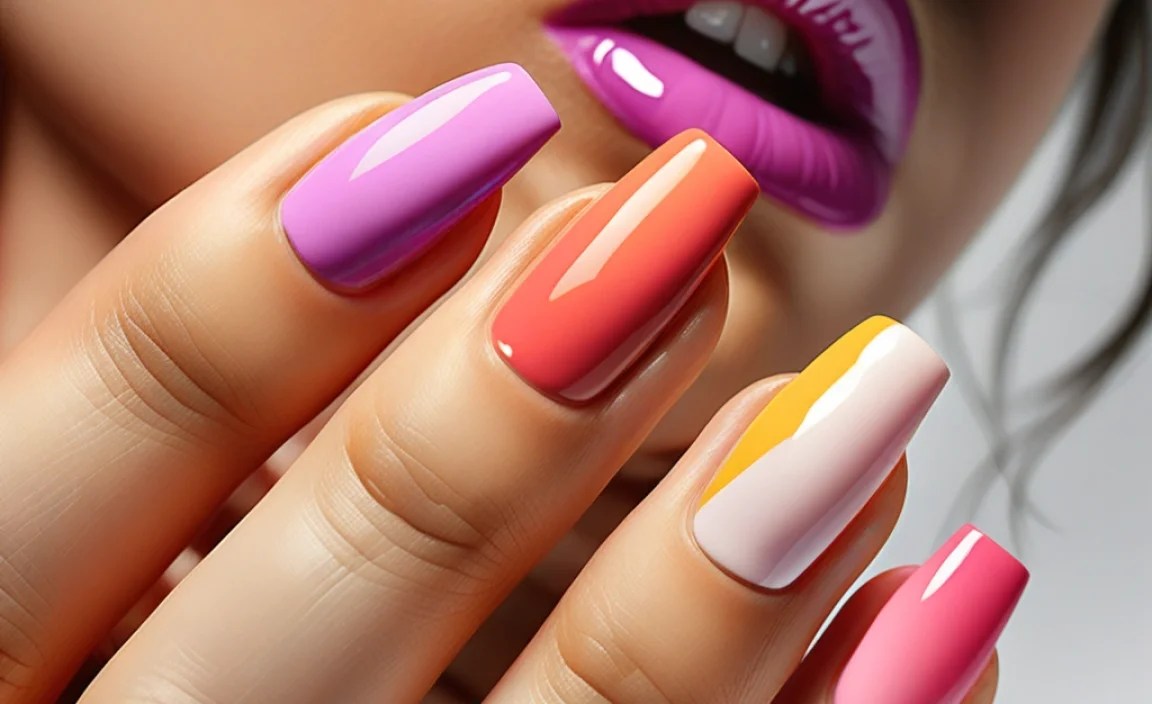
Color blocking on nails is like a modern art masterpiece for your fingertips! Instead of intricate paintings or glitter explosions, it uses bold, solid blocks of color placed next to each other. Think of it as abstract art or a stylish geometric pattern for your nails. The key is contrast and clean lines between the different color segments. It’s a trend that’s been around for a while in fashion, thanks to designers like Yves Saint Laurent in the 1960s with his iconic Mondrian dress, which heavily influenced this artistic approach to color.
The beauty of color block nails is their versatility. You can go for a bold, high-contrast look with black and white, or a softer, more playful vibe with pastels. The shapes can be simple squares, dynamic triangles, or even sleek stripes. It’s a fantastic way to showcase a few of your favorite nail polish colors all at once without feeling chaotic. Plus, it’s super adaptable to your personal style – whether you’re feeling minimalist, bold, or whimsical!
Why Are Color Block Nails So Popular?

Color block nails have captured the hearts of beauty lovers for several great reasons. They’re instantly eye-catching and add a sophisticated, modern edge to any look. Unlike some nail art trends that can be super complex, color blocking is surprisingly beginner-friendly and easy to customize.
- Chic & Modern Aesthetic: The clean lines and bold color combinations give nails a polished, contemporary vibe.
- Versatile Style: You can adapt color blocking to fit any outfit or mood, from subtle nudes to vibrant neons.
- Beginner-Friendly: The basic techniques are simple to learn, making it a great entry point into nail art.
- Creative Expression: It’s a fun canvas to experiment with color theory and create unique designs.
- Focus on Color: Great for showcasing a palette of your favorite polishes without overdoing it.
Essential Tools for Your Color Block Masterpiece

Before we dive into creating stunning color block designs, let’s gather our essential tools. Having the right supplies makes the process so much smoother and the results so much cleaner. Don’t worry, most of these are likely already in your nail kit or are easy to find!
- Base Coat: This protects your natural nails from staining and helps your polish adhere better.
- Top Coat: Seals in your design, adds a glossy finish, and makes your manicure last longer.
- Nail Polish in Your Chosen Colors: Select at least two contrasting or complementary colors.
- Fine-Tipped Detail Brush or Dotting Tool: For creating precise lines and filling in smaller areas.
- Nail Tape or Striping Tape: This is a game-changer for creating perfectly straight lines and sharp edges. It’s a thin, flexible tape designed for nail art.
- Scissors or a Precision Cutter: To cut the nail tape to the desired length.
- Lint-Free Wipes or Cotton Pads: For cleaning up any smudges.
- Nail Polish Remover: For correcting mistakes (we all make them!).
- Tweezers (Optional but helpful): For easily picking up and placing nail tape.
Using good quality tools can make a world of difference. For example, a decent base and top coat from brands like OPI or Essie can significantly improve chip resistance. When it comes to brushes, look for synthetic bristles that are easy to clean and hold polish well. Nail tape can be found in most beauty supply stores or online from brands specializing in nail art supplies.
Step-by-Step Guide: Creating Your First Color Block Nails
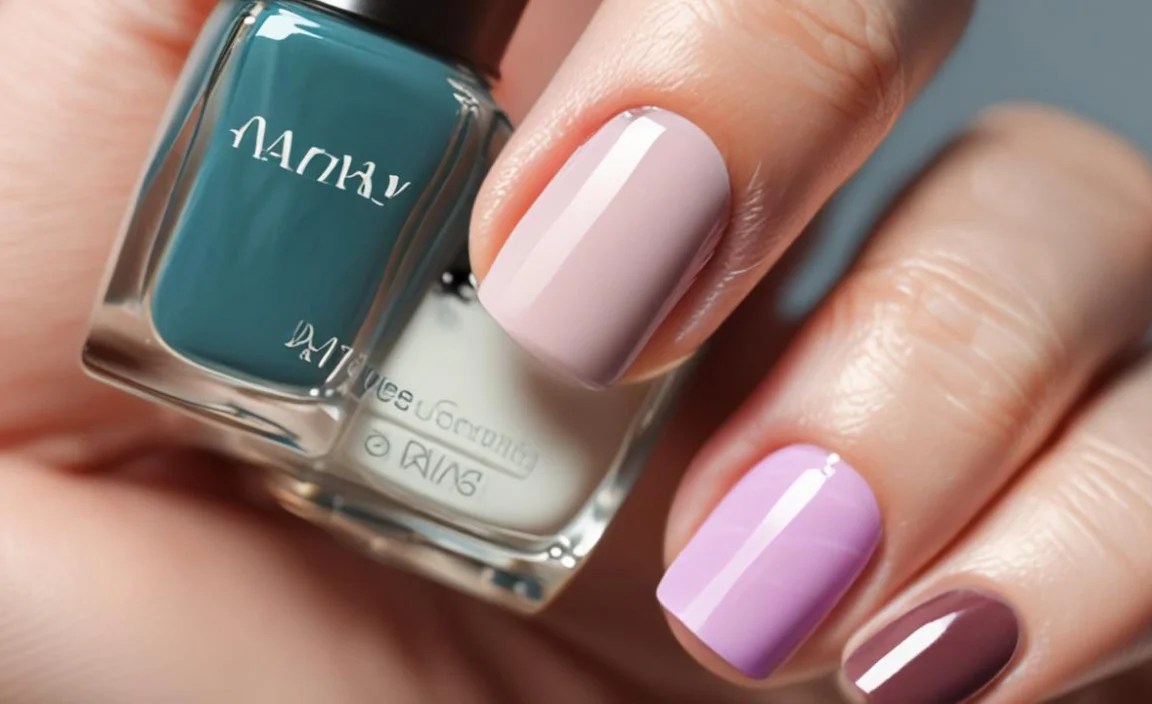
Ready to get your hands (and nails!) a little creative? This guide will walk you through the basic steps. We’ll focus on a simple diagonal color block design, perfect for beginners. You can adapt this for other shapes once you get the hang of it!
Step 1: Prep Your Nails
Just like any good painting, a good canvas is key! Start with clean, dry nails. Push back your cuticles gently. If you want a smooth surface, you can lightly buff your nails, but this isn’t strictly necessary for color blocking if your nails are already even.
- Apply a thin layer of your favorite base coat. Let it dry completely. This is crucial for protecting your nails and ensuring the polish lasts.
Step 2: Apply Your First Color
This will be the color that forms one section of your design. For a diagonal block, you’ll generally cover about half to two-thirds of your nail. Use thin, even coats for the best results. Allow each coat to dry partially before moving to the next part of the process.
- Apply your first nail polish color to your entire nail or to the section you’ve decided on.
- Let the first coat dry for a few minutes until it’s no longer wet to the touch. Apply a second coat for full opacity if needed, and let that dry thoroughly. Patience here is a virtue for crisp lines!
Step 3: Add Your Nail Tape
This is where the magic happens for those clean lines. If you’re using nail tape, cut a piece long enough to go diagonally across your nail, from one side to the other. Think of it like creating a stencil.
- Carefully place the strip of nail tape from one edge of your nail to the other, creating the diagonal line where your two colors will meet. Press down firmly along the edges to ensure there are no gaps where polish can seep through. You can use tweezers to help position it precisely.
Step 4: Apply Your Second Color
Now, apply your second color over the area of the nail that is not covered by the tape. Make sure to paint right up to the edge of the tape.
- Apply your second nail polish color to the exposed section of your nail, ensuring you paint right up to the edge of the nail tape.
- Apply a second coat of the second color if needed for full coverage, letting it dry for a few minutes until it’s tacky but not fully wet.
Step 5: Remove the Tape
This is the most satisfying step! Slowly and carefully peel off the nail tape. It’s best to do this when the second color is still slightly tacky, not completely dry. If it’s too wet, you risk smudging. If it’s too dry, you might pull off some of the polish underneath.
- Gently and slowly peel off the nail tape. Pull it away from your nail at a slight angle.
Step 6: Clean Up and Seal
Once the tape is off, you might see a tiny bit of polish that bled under the tape, or perhaps a bumpy edge. A quick swipe with a small brush dipped in nail polish remover along the cuticle line or around the edges can clean things up beautifully. Finally, apply a generous layer of top coat to seal everything in and add shine.
- Use a fine-tipped brush dipped in nail polish remover to clean up any stray polish around your cuticles or edges.
- Apply a generous layer of top coat to seal your design, add shine, and protect your manicure. Let it dry completely.
Popular Color Block Nail Design Ideas & Variations

Once you’ve mastered the basic diagonal block, the possibilities for color block nail designs are endless! Here are some popular ideas and variations to inspire your next manicure:
1. Geometric Shapes
Move beyond the diagonal and play with different geometric forms. Triangles, squares, and even abstract shapes create dynamic looks.
- Half-Moon (Retro Vibe): Block off the lunula (the half-moon at the base of your nail) with tape and paint the rest of the nail, or vice-versa.
- Triangle Tips: Create bold, colorful tips by blocking off a triangle shape at the tip of your nail.
- Abstract Blocks: Use thin tape to create irregular shapes that overlap or connect in interesting ways.
2. Two-Tone Elegance
Sometimes, less is more. A simple two-tone design can be incredibly chic and sophisticated.
- Nude and Bold: Pair a classic nude or beige with a vibrant jewel tone like emerald green or sapphire blue.
- Classic Contrast: Black and white is a timeless combination that’s always on-trend.
- Monochromatic Magic: Use two different shades of the same color, like a deep navy and a lighter sky blue, for a subtle yet stylish effect.
3. Multi-Color Pop
Why stick to two colors when you can use three or more? This is where you can really let your personality shine!
- Rainbow Blocks: Divide your nail into several sections and fill each with a different color of the rainbow.
- Gradient Blocks: Instead of stark lines, use a sponge or brush to blend colors slightly where they meet for a softer transition. This is a bit more advanced but stunning when done well.
- Color Blocking by Nail: Assign a different color block design or even a single solid color to each nail for a playful, mismatched look. Brands like ILNP offer a wide range of vibrant polishes perfect for this.
4. Accent Nail Color Blocking
Not ready for full-on color blocks on all your nails? Try it on just one or two accent nails!
- Paint the rest of your nails a solid complementary color or a classic nude.
- Then, apply a fun color block design on one or two nails for a subtle yet trendy touch.
5. Using Negative Space
Incorporate the natural color of your nail into the design. This keeps the look lighter and adds an interesting dimension.
- Apply nail tape to create your desired shapes, leaving some areas of the nail open.
- Paint the taped-off sections. When you remove the tape, the unpainted areas become part of the design.
Color Palette Inspiration

Choosing your colors is half the fun! Think about the mood you want to set and your personal style.
| Mood/Style | Color Combinations | Examples |
|---|---|---|
| Bold & Energetic | High contrast, vibrant hues | Electric blue & hot pink; Orange & yellow; Black & neon green |
| Chic & Sophisticated | Deep tones, neutrals, metallics | Navy & cream; Burgundy & gold; Grey & silver; Black & white |
| Playful & Sweet | Pastels, bright primaries | Mint green & lavender; Baby pink & sky blue; Primary red, yellow, blue |
| Earthy & Natural | Muted tones, warm shades | Terracotta & olive green; Beige & mustard yellow; Brown & cream |
| Modern Minimalist | Subtle contrasts, single accent | White & nude; Black & transparent; Light grey & cream |
Tips for Achieving Crisp Lines
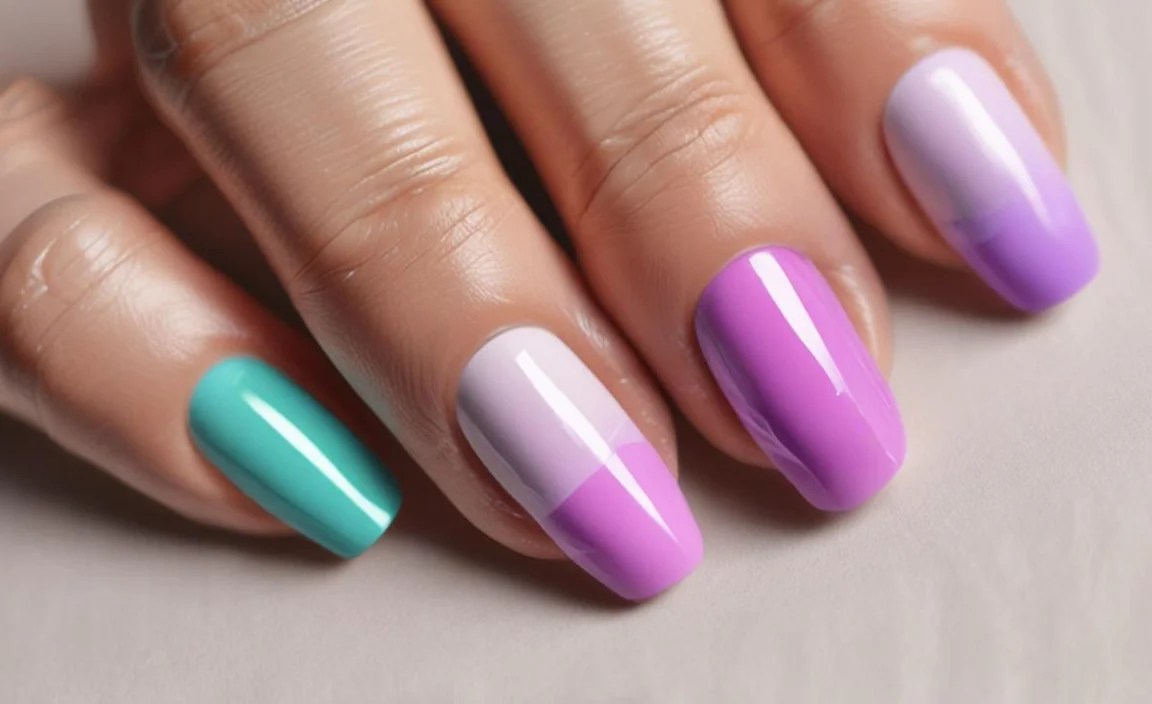
Crisp, clean lines are the hallmark of a great color block nail design. Here are some pro tips to help you achieve that flawless finish:
- Ensure Polish is DRY: This cannot be stressed enough. Make sure each layer of polish you apply is fully dry to the touch (or at least tacky and not wet) before applying tape or your next color.
- Press Tape Firmly: Any tiny gap will allow polish to seep underneath. Run your finger or a tool along the edge of the tape to create a seal.
- Apply Thin Coats: Thick layers of polish are more prone to chipping and smudging. Several thin coats are better than one thick one.
- Peel Tape Carefully: Remove the tape slowly and at an angle. If it feels like it’s sticking too much or lifting the polish, wait a few more minutes.
- Use Gel Polish (Optional): If you have a UV/LED lamp, gel polish can be a game-changer. It self-levels beautifully, and curing each layer provides a hard surface for tape. However, regular polish is perfectly fine for beginners!
- Clean Up Brush: A stiff, fine-tipped brush (like a liner brush) dipped in nail polish remover is invaluable for cleaning up any small mistakes or stray hairs.
Troubleshooting Common Issues
Even with the best intentions, things can go a little awry. Here’s how to fix common color blocking problems:
- Smudged Lines: If your lines smudge when removing tape, the polish layer was likely too wet. Try waiting a little longer next time. For minor smudges, you can sometimes use a clean-up brush with a tiny bit of remover to gently redefine the line, or carefully use your next polish color to retrace the edge.
- Polish Peeling Up with Tape: This means the polish underneath was either not dry enough, or you’re pulling the tape too quickly away from the nail. Try a slower peel, or let the polish dry a bit longer.
- Polish Seeped Under Tape: Your tape wasn’t sealed down properly. Make sure to press it firmly. If it’s a small bleed, a clean-up brush and remover can often fix it.
- Uneven Color Coverage: Apply your polish in thin, even coats. If you notice patches, wait until the first coat is dry before applying a second, making sure to get full opacity.
FAQs
Q1: What kind of polish is best for color blocking?
You can use standard nail polish for color blocking. However, for the crispest results, gel polish can be easier to work with as it cures to a harder finish, and it allows you to apply tape for multiple colors without damaging previous layers. But don’t let not having gel stop you – regular polish works great!
Q2: How do I get the colors to be really opaque?
The key to opaque color is applying thin, even coats. Let each coat dry completely before applying the next. Most nail polishes require at least two coats for full, rich coverage. Using a good quality base coat can also help your colors appear more vibrant.
Q3: Can I do color blocking without nail tape?
Yes, you can! For freehand designs, use a fine-tipped detail brush or a striper brush. You’ll need a steady hand and practice to get perfectly straight lines. You can also experiment with geometric shapes that don’t require perfectly straight lines, like organic blobs or curves.
Q4: How long should I let each color dry before applying the tape?
You want the polish to be dry to the touch, meaning it’s not sticky or wet, but it’s also not fully hardened. A slightly tacky surface is ideal. If it’s completely dry and hard, the tape might pull it off. If it’s too wet, it will smudge. Typically, waiting 5-10 minutes between coats is a good starting point, but it depends on the polish and your environment.
Q5: What if I mess up and smudge a line?
Don’t panic! A small, stiff brush (like a liner brush or even a clean-up brush) dipped in nail polish remover is your best friend. Carefully use the brush to clean up the smudged area. For more significant smudges, you might need to apply a tiny bit of the polish color that was originally there to tidy up the line, or even reapply tape and paint over the section.
Q6: How do I make my color block manicure last longer?
Always start with a good base coat and finish with a high-quality top coat. Reapply the top coat every 2-3 days to keep the shine and protect the polish from chipping. Avoid harsh chemicals and prolonged exposure to water, as these can break down the polish over time.
Conclusion
There you have it – your beginner’s guide to creating stunning color block nail designs! We’ve covered everything from understanding what color blocking is all about, to gathering your essential tools, and walking through the step-by-step process. You’ve seen how to achieve those crisp, envy-worthy lines and explored a variety of design ideas and color palettes.
