Build a stunning nail design portfolio to showcase your talent! Learn how to select your best work, photograph it beautifully, and present it professionally to attract clients or employers with these proven tips.
Feeling a little overwhelmed by the thought of putting your incredible nail art skills on display? You’re not alone! Many talented nail artists dream of landing their dream job or attracting more clients, but aren’t sure where to start when it comes to showcasing their work. It’s tough when you know you’re amazing, but you need a way to show it. Don’t worry, building a killer nail design portfolio is totally achievable, even if you’re just starting out. We’ll walk through it step-by-step, making it fun and easy. Get ready to shine!
Let’s dive in and discover exactly how you can create a portfolio that truly pops!
Why You Absolutely Need a Nail Design Portfolio

Think of your nail design portfolio as your personal billboard for creativity. It’s the most powerful tool you have to prove your skills, especially when you’re just starting out or looking to level up your career. Potential clients, salon owners, or even school admissions boards want to see what you can do. Words are great, but a visual demonstration of your talent speaks volumes! A well-curated portfolio shows your range, your unique style, and your attention to detail.
It’s your chance to make a fantastic first impression and convince others that you are the nail artist they’ve been searching for. It’s more than just a collection of pretty pictures; it’s a strategic presentation of your abilities.
What Belongs in Your Nail Design Portfolio?

The core of your portfolio should be your absolute best nail designs. This isn’t the place for every single set of nails you’ve ever done. It’s about quality over quantity!
Showcase Your Best Work
- Variety is Key: Include different styles, techniques, and themes. Think elegant French manicures, bold abstract art, intricate floral designs, seasonal themes, and perhaps a few trendy nail art looks you’ve mastered.
- Technical Skill: Ensure the designs you choose highlight your precision, clean lines, smooth application, and cuticle work. Even simple designs look professional when executed flawlessly.
- Your Signature Style: Don’t be afraid to let your unique aesthetic shine through! If you have a particular niche or a style you love to create, feature it prominently.
- Client-Friendly Designs: While artistic flair is important, also include designs that a broad range of clients would love. This shows you understand commercial appeal.
- Before & After (Optional): For some services like nail extensions or shape corrections, a before-and-after shot can powerfully demonstrate your transformative skills.
Nail Designs to Consider Featuring
- Classic Red Manicure
- French Manicure (with a twist!)
- Simple Dotting Art
- Ombre/Gradient Designs
- Floral Accents
- Geometric Patterns
- Seasonal Designs (e.g., holiday themes)
- Minimalist Nail Art
- Textured Nails (e.g., chrome, velvet)
- Character Art (if you excel at detail)
The “Don’ts” of Your Portfolio

Just as important as knowing what to include is knowing what to leave out. A few missteps can detract from your overall presentation.
- Outdated Designs: Features styles that are no longer relevant or popular.
- Poor Quality Photos: Blurry, dark, or poorly lit images are a huge no-no.
- Messy Cuticles or Application: Unless it’s a deliberate artistic choice, imperfections can hurt your credibility.
- Inconsistent Branding: If you’re showcasing for a professional purpose, keep your presentation polished.
- Too Many Designs: Overwhelming your audience with too many images can dilute the impact of your best work.
Step-by-Step Guide: How to Build Your Nail Design Portfolio

Ready to roll up your sleeves and create a portfolio that wows? Here’s your actionable plan!
Step 1: Assess Your Skillset and Style
Before you start snapping photos, take a honest look at what you do best. What kind of nail art do you enjoy creating the most? What techniques are you most confident in? Are you known for delicate florals, bold geometrics, or perhaps hyper-realistic portraits on tiny canvases?
Understanding your strengths will help you curate a focused collection that truly represents you. For instance, if you’re a whiz with intricate freehand drawing, make sure that’s a significant part of your portfolio. If you excel at flawless gel applications and classic French tips, showcase that precision.
Step 2: Plan Your Portfolio Content
Once you know your strengths, plan out the types of designs you want to include. Aim for a balanced representation of your abilities. If you’re building a portfolio for a specific job application, tailor your content to their specialties or requirements.
Consider different categories:
- Classic & Elegant: Timeless designs that appeal to a broad audience.
- Trendy & Modern: What’s hot right now in the nail world?
- Artistic & Creative: Showcase your unique flair and imagination.
- Nail Care & Health: If you specialize in healthy nail transformations.
Step 3: Practice and Perfect
If there are certain designs you want to include but need a little practice, now’s the time! Recreate some of your favorite looks or try out new techniques to expand your repertoire. Perfection is the goal here. Ensure every line is clean, every color is opaque, and the finish is smooth and glossy.
Step 4: Set Up Your Photography Area
This is CRUCIAL! Good photos are the backbone of a strong portfolio. You don’t need a professional studio, but you do need good lighting and a clean background.
- Lighting: Natural daylight is your best friend. Shoot near a window, but avoid direct harsh sunlight which can create glare. A ring light is an excellent investment for consistent, soft lighting if natural light isn’t always available.
- Background: Keep it simple and uncluttered. A plain white, grey, or neutral-colored surface works well. A marble slab, a piece of matte cardstock, or a simple fabric can make your nails pop. Avoid busy patterns or distracting objects.
- Angle: Experiment with different angles. A slightly overhead shot is common, but also try close-ups of the nail art detail and shots that show the full hand or finger.
- Focus: Make sure the nails are in sharp focus. Your phone’s camera can do wonders, but learn its settings for macro shots or portrait mode.
Step 5: Photograph Your Nail Designs
Now for the fun part! Capture stunning images of your best work.
- Cleanliness: Ensure the nail beds are clean, cuticles are tidy, and there are no stray pieces of polish or dust.
- Hand Positioning: Models should have relaxed hands. Avoid tense fingers or awkward poses. Sometimes, just showing the nails against a clean surface is best. You can use your own hands if they are well-maintained.
- Detail Shots: Get close-ups to highlight intricate details like hand-painted art, 3D embellishments, or perfect ombre transitions.
- Consistency: Try to maintain a similar style of lighting and background for all your photos to give your portfolio a cohesive look.
- Multiple Shots: Take several photos of each design. You can sometimes use a few different angles or close-ups to show off the full effect.
Step 6: Edit Your Photos (Subtly!)
Editing is about enhancement, not alteration. You want your photos to look their best, but still be true to the actual nail design.
- Brightness & Contrast: Adjust these to make the colors vibrant and the details clear.
- White Balance: Ensure the whites look white and the colors are true to life. This is especially important if you’re using artificial light.
- Cropping: Crop out any distracting background elements and frame the nails nicely.
- Retouching: Gently remove any minor specks of dust or lint you might have missed. Avoid airbrushing out natural skin texture unless it’s a specific artistic effect you’re going for.
Software like Adobe Lightroom or even free apps like Snapseed on your phone can be very helpful.
Step 7: Organize and Select Your Best Images
Go through all the photos you’ve taken and select the absolute best. Be ruthless! Choose images that:
- Showcase your skill and creativity.
- Represent the range of your work.
- Are high-quality and visually appealing.
- Are consistent in style and presentation.
Aim for a curated selection, perhaps 10-20 strong images to start. You can always add more later.
Step 8: Choose Your Presentation Method
How will people see your portfolio? There are several great options:
Digital Portfolio Options
- Social Media (Instagram/Pinterest): These platforms are perfect for visual artists. Use high-quality images, relevant hashtags, and engaging captions. Create dedicated “Portfolio” highlights on Instagram. Pinterest is also fantastic for discoverability as users actively search for inspiration.
- Dedicated Portfolio Website: Platforms like Wix, Squarespace, or even a free option like Behance allow you to create a professional, branded website. This gives you complete control over the layout and presentation.
- Online Portfolio Builders: Services like Journo Portfolio or Clippings.me are designed specifically for showcasing work.
- PDF Document: A well-designed PDF is great for sending directly to potential employers or clients. Keep it clean, concise, and easy to navigate.
Physical Portfolio Options
- Portfolio Book: A physical album or binder filled with high-quality printed photos. This is still a valuable option for in-person interviews or salon visits.
- Display Board/Album: A more tactile way to showcase your work, especially if you’re attending trade shows or local events.
Step 9: Add Essential Information
Your portfolio shouldn’t just be pretty pictures. Include:
- Your Name/Brand Name: Clearly displayed.
- Contact Information: Email, phone number, and links to your social media.
- About You (Optional but Recommended): A brief, engaging bio highlighting your passion and experience.
- Services Offered: If applicable for freelance work or salon applications.
- Testimonials (Optional): Quotes from happy clients can boost credibility.
For each design, consider adding a brief description: the techniques used, any specific products, or the inspiration behind it. This adds depth and shows your thought process.
Showcasing Different Skill Levels
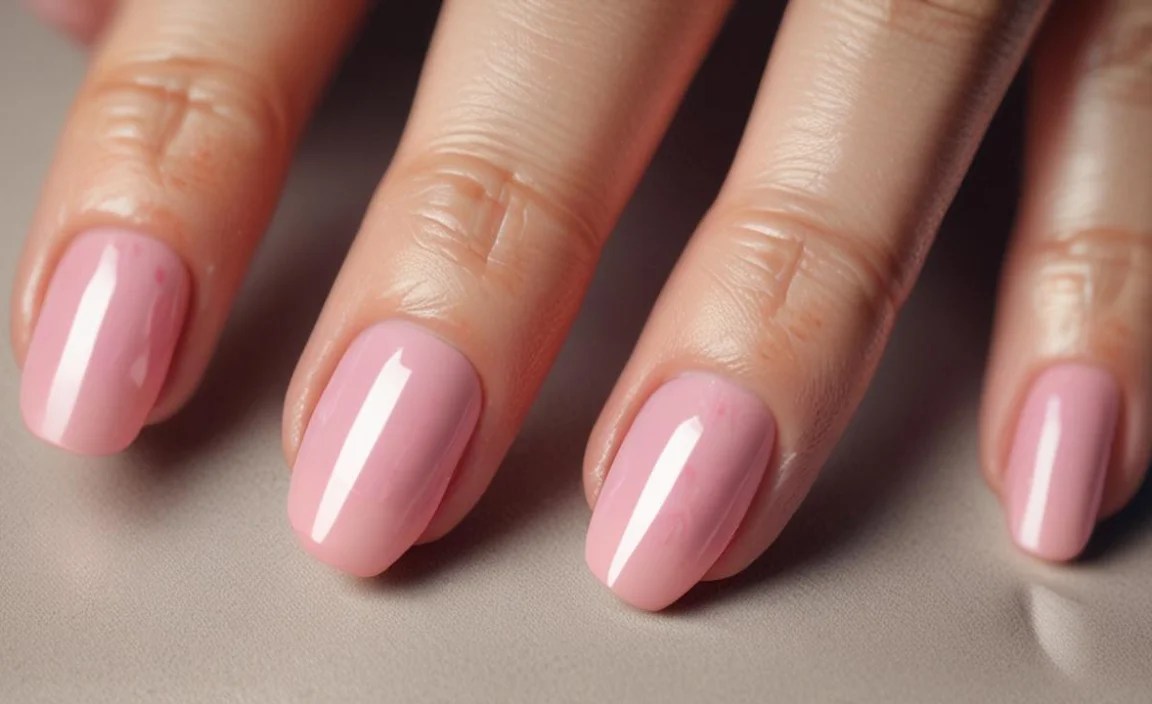
It’s important to remember that your portfolio can evolve as you do!
For Beginners: Building from Scratch
Don’t have a lot of client work yet? No problem! You can still build a fantastic portfolio.
- Practice on Yourself: Your own nails are a great canvas! Document your progress and experiments.
- Offer Free or Discounted Services: Ask friends, family, or even post on local community groups offering free or discounted services in exchange for permission to photograph their nails. Be upfront about your learning stage.
- Nail Training Models: Many nail schools or educators look for models for classes. This is a fantastic way to get professional-level work done and have it documented.
- Art Swatches: Create color swatches or practice designs on nail tips. You can arrange these artistically for photos. While not on a client, it shows your ability to execute designs.
- Focus on Fundamentals: Show that you can do a flawless classic manicure – perfect shape, smooth polish, immaculate cuticles. This foundational skill is highly valued.
For Experienced Nail Artists: Elevating Your Portfolio
If you’re an experienced artist, your portfolio should reflect your mastery and unique niche.
- Showcase Advanced Techniques: Feature your most complex 3D art, hyper-realistic portraits, intricate freehand details, or challenging color blends.
- Highlight Your Niche: If you specialize in bridal nails, avant-garde creations, or specific cultural art, make that abundantly clear.
- Client Transformations: If you excel at nail sculpting, reconstruction, or helping clients with nail biters, show dramatic before-and-after shots.
- Professional Photography: Consider investing in professional photos for a select few of your most stunning pieces.
- Video Content: Short, engaging process videos or satisfying nail ASMR clips can add a dynamic element to your digital portfolio.
Table: Portfolio Platform Comparison

Choosing where to host your portfolio is a key decision. Here’s a quick comparison to help you decide:
| Platform | Pros | Cons | Best For |
|---|---|---|---|
| Instagram/Pinterest | Free, easy to use, high discoverability, engages with community. | Less control over layout, can be noisy, algorithm dependent. | Beginners, daily showcases, building a following. |
| Dedicated Website (Wix, Squarespace) | Professional look, full control over design, branding opportunities. | Can have monthly costs, requires more setup time. | Professional nail techs, salon owners, serious freelancers. |
| Behance | Free, professional design focus, good for creative industries, networking. | Can attract a more “arty” crowd, less focused on commercial services. | Artistic nail technicians, those seeking creative roles. |
| PDF Document | Easy to share via email, offline access, controlled presentation. | Not interactive, less discoverable, can be bulky if large. | Job applications, direct client inquiries, formal proposals. |
Tips for Maintaining and Updating Your Portfolio

Your portfolio isn’t a static document; it’s a living representation of your growing skills!
- Regularly Add New Work: As soon as you create a design you’re proud of, photograph it and consider adding it to your portfolio.
- Remove Older/Weaker Pieces: Periodically review your portfolio and remove designs that no longer represent your best work or current style. This keeps it fresh and impactful.
- Update Contact Info: Ensure all your contact details are current.
- Seek Feedback: Ask trusted friends, fellow artists, or mentors to review your portfolio and offer constructive criticism.
- Archive Your Best “Then vs. Now”: Sometimes, it’s inspiring to keep a few older pieces to show how far you’ve come! This is great for your personal reflection or can be a bonus to share.
The Power of High-Quality Photography in Nail Art
Let’s reiterate: photography is paramount. Think of it as the frame for your masterpiece. Even the most intricate and beautiful nail art can be completely undermined by a poor photograph. Customers, salon managers, and educators rely on visuals to assess your talent. Good lighting can make colors pop, reveal the texture of the polish, and highlight the precision of your lines. Poor lighting can make colors look dull, hide intricate details, and even make your work appear amateurish. Investing time in learning basic photography and editing principles for your nail art will pay dividends. For example, understanding how ambient light affects color temperature can mean the difference between vibrant reds and muddy ones. Resources like the Photography Life guide to understanding light can offer foundational knowledge.
Remember, your portfolio is often the first physical or digital impression you make. Make it a beautiful one!
Frequently Asked Questions (FAQ)
Q1: How many nail designs should I include in my portfolio?
Start with 10-20 of your absolute best and most varied designs. It’s better to have fewer, high-quality images than many mediocre ones. You can always expand as you create more work.
Q2: Do I need a professional camera to take good photos?
No! Modern smartphone cameras are incredibly powerful. The key is good lighting, a clean background, and clear focus. Natural daylight is often better than a cheap built-in flash.
Q3: What if I’m just a beginner and don’t have many designs?
Focus on practicing techniques and offering services to friends and family in exchange for photos. Document your progress and any practice art on nail tips. Show your foundational skills like perfect application and cuticle care first.
