Want chic animal print nails? Master stunning leopard spots and bold zebra stripes easily with these beginner-friendly DIY guides. Perfect for adding a wild touch to any look!
Ready to unleash your inner wild child with some fabulous nail art? Animal prints are a timeless trend, bringing a touch of daring style to any outfit. But sometimes, achieving those perfect leopard spots or crisp zebra stripes can feel a bit… intimidating. Don’t worry! We’re here to show you just how simple and fun it can be to create your own head-turning animal print nail designs right at home. Get ready to give your nails a fierce, fashionable makeover that’s totally achievable, even if you’re just starting out!
Unleash Your Wild Side: Easy Animal Print Nail Designs for Beginners

Animal prints are iconic! They’re bold, they’re chic, and they instantly elevate your style. Think of a classic leopard print scarf or a sleek zebra-striped dress – they add that perfect pop of personality. Now, imagine bringing that same flair to your fingertips! Whether you’re aiming for the playful elegance of leopard or the striking simplicity of zebra, these designs are surprisingly easy to master. No need for a professional salon visit; we’re diving into DIY magic today, making these trendy looks accessible for everyone.
We’ll guide you through creating two of the most popular animal prints: leopard and zebra. We’ll break down the tools you’ll need, the simple steps involved, and offer tips to make your designs look salon-perfect. So grab your favorite nail polish colors, and let’s get creative!
Why Are Animal Prints So Popular for Nails?
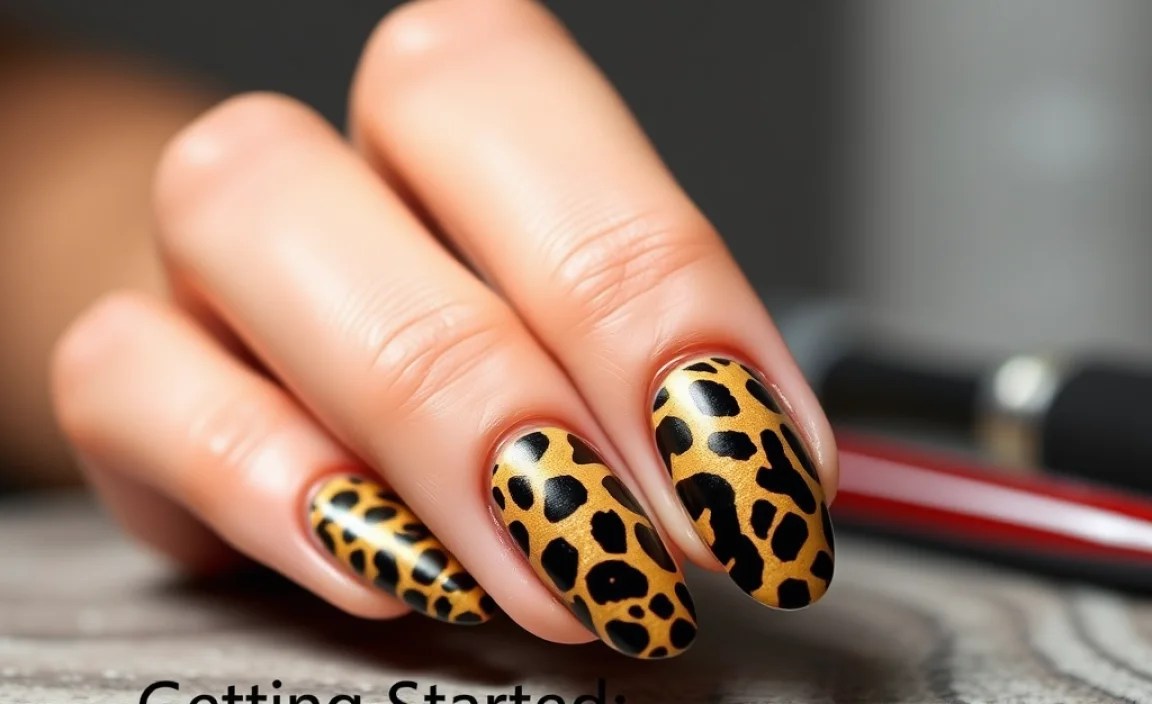
Animal prints have a way of making a statement without being overbearing. They’re versatile, meaning they can complement both casual and formal looks. On nails, they offer a fantastic way to express personality and add a touch of glamour. Plus, they’re incredibly fun to create! The beauty of these prints is their slight wildness – perfection isn’t required, which is fantastic for DIY nail art. A slightly imperfect spot here or there can actually enhance the organic feel of the print, making your nails look effortlessly cool.
Getting Started: Essential Tools You’ll Need

Before we dive into the how-to, let’s gather our supplies. Having the right tools makes the process so much smoother and the results so much better. Don’t feel overwhelmed; many of these are likely items you already have or can find easily and affordably.
For Any Animal Print Design:
- Base Coat: This protects your natural nails from staining and helps your color last longer. A good quality clear base coat is a must!
- Top Coat: Essential for sealing your design, adding shine, and preventing chips.
- Nail Polish Remover: For cleaning up any little mistakes (because they happen!) and for cleaning your brushes.
- Cotton Pads or Q-tips: For applying remover.
- Your chosen nail polish colors: We’ll discuss color palettes for leopard and zebra below.
For Leopard Print:
- A small, fine-tipped detail brush or a dotting tool: For painting the spots and speckles.
- Optional: A slightly darker or lighter shade of your base color: To add depth and dimension to your spots.
For Zebra Print:
- A very thin striping brush or a fine-tipped detail brush: For drawing those sharp, clean lines.
- A steady hand! (We’ll provide tips to help with this.)
Step-by-Step: Easy Leopard Print Nail Designs

Leopard print is all about spots! The beauty of this print is its organic nature. Imperfection is key, so don’t stress about making every spot identical. We’ll focus on creating a base color, then adding the characteristic “C” or comma-shaped spots, and finally, some speckles for depth.
What You’ll Need for Leopard Print:
- Base Coat
- Top Coat
- Your Base Nail Polish Color (e.g., nude, beige, light caramel, cream, or even a fun bright color!)
- A darker shade for the spots (e.g., brown, black, deep burgundy, navy)
- A slightly darker shade than your spot color for speckles (optional, but adds depth!)
- A small detail brush or a fine-tipped nail art brush
- Nail polish remover and a cotton pad for clean-up
Method 1: The Classic Leopard Spot
- Prep Your Nails: Start with clean, dry nails. Apply a thin layer of your base coat and let it dry completely. This is crucial for nail health and polish longevity.
- Apply Base Color: Paint your nails with your chosen base color. You’ll likely need two thin coats for opaque coverage. Ensure each coat is fully dry before moving on. Patience here saves smudges later!
- Create the Spots: Dip your detail brush into your darker spot color. Lightly dab or brush irregular “C” or comma shapes onto your nails. Don’t make them too perfect! Think about how real animal spots look – they vary in size and shape. Vary the size and placement of these spots across each nail.
- Add Speckles (Optional but Recommended!): Now, take a slightly darker shade than your spots (or even black for a classic look). Using the very tip of your detail brush, lightly dab tiny dots around some of the larger spots. This mimics the natural variegation in leopard print and adds a realistic touch. You can also use this color to outline some of your larger “C” shapes very lightly if you like.
- Seal the Deal: Once all the polish is completely dry (give it a few minutes to be sure!), apply a generous layer of your top coat. This will smooth out any texture and lock everything in place, giving you a glossy, professional finish.
Method 2: The “Reverse” Leopard Spot (Easier for Beginners!)
This method flips the technique, making it even simpler. You create the spots first, then add the outline!
- Prep and Base Color: Follow steps 1 and 2 from Method 1.
- Create the “Spots” (Which will be the outlines): Dip your detail brush into your darker spot color. Create irregular “C” or comma shapes on your nail. These will act as the outlines.
- Fill In the Spots: Now, take your base color (the lighter shade) and carefully fill in the inside of some of those “C” shapes. You can leave some “C” shapes unfilled for a more varied look.
- Add Speckles (Optional): Again, use a darker shade or black to add tiny speckles around the edges of your filled-in spots.
- Seal and Shine: Apply a generous top coat to seal your design.
Color Palette Ideas for Leopard Print:
While classic brown and black is always a winner, don’t be afraid to experiment! Consider these fun combinations:
| Base Color | Spot Color | Speckle Color (Optional) |
|---|---|---|
| Creamy Beige | Warm Brown | Dark Chocolate |
| Soft Peach | Taupe | Brown |
| Light Pink | Deep Pink or Burgundy | Dark Pink |
| Mint Green | Dark Green or Teal | Forest Green |
| Classic Nude | Black | Deep Brown |
For more inspiration on nail care and polish techniques, the Nail Care Guide offers a wealth of helpful information.
Step-by-Step: Trendy Zebra Print Nail Designs
Zebra print is characterized by its bold, black and white stripes. It has a graphic, modern feel that’s incredibly chic. Let’s break down how to get those crisp lines!
What You’ll Need for Zebra Print:
- Base Coat
- Top Coat
- White Nail Polish
- Black Nail Polish
- A very thin striping brush or a fine-tipped nail art brush
- Nail polish remover and cotton pads for cleanup
Method 1: The Classic Bold Stripes
- Prep and Base: Start with clean, dry nails. Apply your base coat and let it dry.
- Apply White Base: Paint your nails with white nail polish. You’ll likely need two coats for a completely opaque, clean-looking base. Let this dry thoroughly. A good white base will make your black stripes pop!
- Create the Stripes: Dip your striping brush into the black nail polish. Don’t overload the brush. Start near the cuticle and draw wavy, slightly irregular vertical lines up towards the tip of your nail. The key to zebra stripes is their organic, slightly jagged nature. Don’t make them perfectly straight or parallel; real zebra stripes have variation.
- Vary the Stripes: Create a few stripes on each nail, varying their thickness and spacing. You can have some lines closer together and others further apart. You can also add a few diagonal lines for extra flair.
- Clean Up Lines: If any lines are too thick or messy, you can very carefully use a fine brush dipped in nail polish remover to sharpen or clean them up. Do this while the polish is still wet for best results.
- Seal the Design: Once the black polish is completely dry, apply a generous layer of top coat. This seals the design and gives it a beautiful shine.
Method 2: The “Stripey French” Variation
This is a fun twist on the classic French manicure, incorporating zebra stripes.
- Prep and Base: Apply base coat and let it dry.
- Apply White Base: Paint your nails with your white polish (two coats for opacity) and let it dry completely.
- Create a Wavy White Tip: Using your white polish and a thin brush, create a wavy french tip line. You want a slightly irregular, almost cloud-like white line across the tip of your nail.
- Add Black Stripes to the White Tip: With your black polish and striping brush, carefully paint thin black zebra stripes over the white wavy tip. Follow the curve of the white line.
- Optional Black Stripes on Base: You can add a few thin black zebra stripes to the bare nail area below the white tip for a more integrated look.
- Seal the Design: Apply your top coat once everything is dry.
Color Palette Ideas for Zebra Print:
While black and white is the quintessential zebra look, you can absolutely play with variations!
| Base Color | Stripe Color |
|---|---|
| White | Black |
| Black | White |
| Hot Pink | Black |
| Electric Blue | White |
| Gold Metallic | Black |
| Silver Metallic | Black |
For tips on proper nail filing and shaping, which is essential before any design, check out this guide from the Mayo Clinic on nail care.
Pro Tips for Perfect Animal Print Nails
Even with the simplest steps, a few extra tricks can make your DIY animal print nails look like they came straight from a salon.
- Thin Coats are Key: Always apply polish in thin, even coats. They dry faster and are less prone to smudging.
- Let it Dry: This is the golden rule! Impatience is the enemy of good nail art. Let each layer dry – or at least be touch-dry – before adding the next.
- Clean Your Brush: After dipping your detail or striping brush into polish, wipe off excess on the edge of the bottle neck. If you get clumpy polish on your brush, clean it with nail polish remover.
- Use a Dotting Tool for Spots: If a brush feels too difficult, a dotting tool can be fantastic for creating leopard spots. Dip the ball end into polish and gently dab onto the nail.
- Steady Your Hand: Rest your wrists on a table or flat surface. You can also steady your painting hand by resting your pinky finger on the table.
- Practice Makes Progress: Don’t expect perfection on your first try. The more you practice, the steadier your hand will become, and the better your control over the brush will be.
- Clean Up Mistakes Swiftly: Keep a cotton pad with nail polish remover handy. Dip a Q-tip or a liner brush into remover to gently clean up any wobbly lines or smudges.
- Invest in a Good Top Coat: A high-quality, quick-drying top coat is your best friend. It seals your design, adds incredible shine, and protects your nail art from everyday wear and tear.
Troubleshooting Common Animal Print Nail Design Issues
Sometimes, even with the best intentions, things don’t go exactly as planned. Here’s how to fix common DIY nail art hiccups:
Problem: My leopard spots look like blobs.
Solution: Try using a smaller brush or a dotting tool for more control. Instead of painting a whole shape, try dabbing smaller “C” shapes. You can also thin out the polish on your brush before applying. For existing blobs, try gently cleaning up the edges with a fine brush dipped in nail polish remover while the polish is still wet.
Problem: My zebra stripes are too thick or uneven.
Solution: Use a very fine striping brush. Wipe off excess polish before painting. When drawing lines, use a light touch and try to keep the brush more parallel to the nail surface. For thicker lines, use the brush to create a thin line on one side and then a thin line on the other, leaving a gap in between, rather than trying to draw one thick line.
Problem: My polish smudged when I added the next color.
Solution: This is a classic sign of not letting the previous layer dry enough! Resist the urge to rush. If a smudge is minor, you might be able to carefully use a clean brush or Q-tip dipped in nail polish remover to gently smooth it out. If it’s a major smudge, it might be best to gently wipe it off with remover and start that nail again.
Problem: My animal print doesn’t look “wild” enough.
Solution: Embrace imperfection! Real animal prints aren’t perfectly symmetrical. Vary the size and placement of your spots or stripes. For leopard, add those irregular speckles. For zebra, make your lines slightly jagged and uneven.
Problem: My polish is too thick or too thin.
Solution: Nail polish thickness can be tricky. If it’s too thick, it’s hard to work with and can create bubbles; if it’s too thin, it’s streaky and opaque. Some brands are formulated differently. If your polish is too thick, you can try adding a drop or two of a nail polish thinner (don’t use remover, as it breaks down the polish!). If it’s too thin, try applying an extra coat of the base color or the design color.
Frequently Asked Questions (FAQ)
Q1: Can I really do animal print nails myself if I’m a beginner?
A: Absolutely! With a little patience and the right tools, these designs are very achievable. Our step-by-step guides are designed to make it easy for you. Don’t aim for perfection on your first try; focus on enjoying the process!
Q2: What are the best colors to use for leopard print?
A: Classic options include a nude or beige base with brown or black spots. However, feel free to experiment! Pastels with darker shades, or even bright colors, can create fun, modern takes on leopard print.
Q3: How do I get my zebra stripes straight?
A: Real zebra stripes aren’t perfectly straight! Embrace a little wobble. Use a very fine striping brush and a steady hand. Focus on creating thin, slightly wavy vertical lines. Resting your wrists on a surface can help improve your control.
