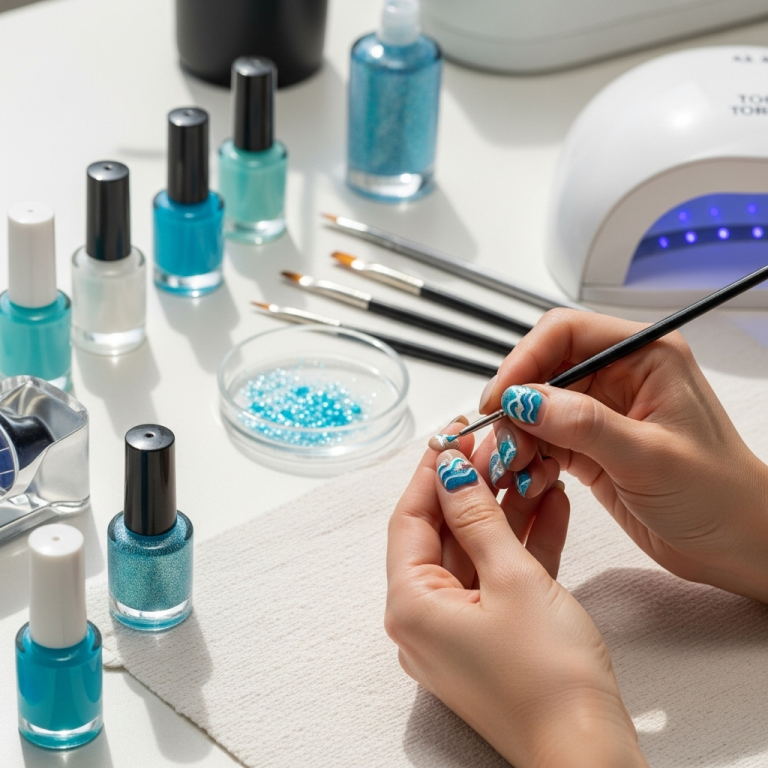
Quick Summary:
Vine and leaf accent nails offer a delicate, natural aesthetic perfect for any occasion. These designs use thin, flowing lines and botanical shapes to create elegant, eye-catching looks. They’re surprisingly easy to achieve, even for beginners, and allow for endless personalization with different colors and finishes. Get inspired to bring the beauty of nature to your fingertips!
Hey nail lovers, Lisa Drew here from Nailerguy! Are you looking for a nail design that’s both chic and effortlessly elegant? Sometimes, the simplest styles make the biggest statement. Vine and leaf accent nails are a perfect example. They bring a touch of nature’s grace right to your fingertips, adding a sophisticated and artistic flair to any manicure.
Maybe you’ve seen them on social media and thought, “That looks too complicated for me!” Or perhaps you’re feeling a little stuck in a nail art rut and want a fresh, natural-inspired look. I get it! But trust me, creating beautiful vine and leaf designs is more achievable than you might think. We’re going to break it down step-by-step.
Get ready to discover how to create these beautiful designs, explore tons of inspiration, and learn the simple tools you’ll need. Let’s get those nails looking like a botanical masterpiece!
Vine and Leaf Accent Nails: Your Guide to Nature-Inspired Manicures
Vine and leaf accent nails are a beautiful way to incorporate organic shapes and natural beauty into your personal style. They evoke a sense of calm, growth, and elegance. Whether you’re aiming for a minimalist look or a more intricate design, these botanical motifs can be adapted to suit any taste and skill level. They’re particularly popular because they look sophisticated without being overly loud, making them perfect for everyday wear, special events, or even professional settings.
The beauty of vine and leaf designs lies in their versatility. They can be painted in classic greens, sophisticated blacks or whites, or even metallic shades like gold and silver for a touch of glam. The “accent” part means you often focus these intricate designs on one or two nails, allowing them to stand out without overwhelming the whole manicure. This approach is also incredibly budget-friendly, as you don’t need to cover every nail in elaborate art!
Let’s dive into why this trend is so captivating and how you can start creating your own stunning vine and leaf nail art.
Why Vine and Leaf Designs Are a Nail Art Hit
- Timeless Appeal: Nature-inspired patterns are classic. Leaves and vines never truly go out of style, making these designs a safe bet for looking chic.
- Elegance and Sophistication: The delicate lines and organic curves of vines and leaves lend an air of refined beauty to any manicure.
- Versatility: They can be interpreted in countless ways – from simple, single vines to complex, intertwined foliage.
- Customization: Easily adapt colors, sizes, and styles to match your outfit, mood, or personal preference.
- Beginner-Friendly: While elaborate versions exist, simple vine and leaf designs are surprisingly achievable for those new to nail art.
Essential Tools for Your Vine and Leaf Masterpiece
Before we start painting, let’s gather our supplies! You don’t need a professional salon setup to create beautiful vine and leaf nails. With a few key items, you’ll be well on your way.
- Base Coat: Protects your natural nails and provides a smooth canvas.
- Top Coat: Seals your design, adds shine, and extends the life of your manicure.
- Nail Polish Colors: Your base color and the colors for your vines and leaves. Think greens, golds, silvers, blacks, whites, or even subtle nudes.
- Detail Brushes: This is key! A fine-tip or liner brush is essential for drawing those delicate lines. Look for brushes with long, thin bristles. For beginners, a set of nail art brushes with varying tip sizes can be very helpful.
- Dotting Tools: Small dots can add lovely accents, buds, or texture to your designs.
- Tweezers: Useful for precision work or applying small embellishments like tiny rhinestones or glitter.
- Nail Polish Remover and Cotton Swabs: For cleaning up any mistakes and perfecting your lines.
- Optional: Glitter or Gemstones: To add a little sparkle or dimension.
For those serious about nail art, investing in a good set of nail art brushes is a game-changer. You can find affordable sets online or at beauty supply stores. Many artists recommend synthetic bristles for better control with polish.
Getting Started: Preparing Your Nails
A flawless design starts with a flawless base. Proper nail preparation is crucial for both the longevity of your manicure and the ease of application.
- Cleanse: Start with clean, dry nails. Remove any old polish completely.
- Shape: File your nails to your desired shape. Ensure all nails are even in length and shape before you begin.
- Cuticle Care: Gently push back your cuticles. It’s best to avoid cutting them unless absolutely necessary, as they protect the nail bed from infection. For a cleaner look, you can use a cuticle trimmer very carefully.
- Buff (Optional): Lightly buff the surface of your nails to smooth out any ridges. This also helps polish adhere better.
- Wipe Down: Use a nail polish remover or alcohol wipe to remove any oils from the nail surface. This ensures your base coat and polish will stick properly.
- Base Coat: Apply a thin, even layer of your favorite base coat. Let it dry completely. This step is vital for preventing staining and ensuring a smooth application.
Beginner-Friendly Vine and Leaf Designs and How to Create Them
Let’s get creative! Here are a few easy approaches to nail art that will have you mastering vine and leaf designs in no time.
Design 1: The Simple Single Vine Accent
This is the perfect starting point. It’s minimalist, elegant, and incredibly easy to execute.
- Base Color: Apply your chosen base color to all nails and let it dry completely. A nude, pastel, or even a sheer pink works beautifully.
- The Stem: Using a fine-tip detail brush and a contrasting color (like black, white, or metallic gold), draw a single, thin, slightly curved line across one accent nail. This is your vine stem. Don’t worry if it’s not perfectly straight; organic lines are part of the charm!
- Add Leaves: With the same brush and color, or a slightly lighter shade, add small, simple leaf shapes branching off the vine. For easy leaves, try a “dot and drag” technique: place a tiny dot of polish near the vine and drag your brush away from it to create a tapered shape. You can make two small flicks from one point for a classic leaf look.
- Finishing Touches: Add a couple of tiny dots to the vine for a bud effect, if desired.
- Seal: Once completely dry, apply a top coat to seal the design.
Design 2: The Delicate Leaf Outline
This design uses the negative space of your nail to create stunning leaf shapes.
- Base Color: Apply a sheer or nude base polish to all nails and let it dry.
- Outline the Leaves: Using a fine-tip brush and a color like white, black, or even a metallic shade, draw the outline of simple leaf shapes directly onto the sheer base. Imagine elegant, elongated ovals with a slightly pointed tip. Let a few overlap or appear to grow from the edge of the nail.
- Add Veins: With the same brush and color, carefully draw a single line down the center of each outlined leaf to mimic a vein. You can also add a few tiny lines branching off the center vein.
- Small Buds/Dots: Add a few tiny dots at the base of some leaves or along the nail edge for a complete look.
- Seal: Apply a layer of top coat once everything is dry.
Design 3: The Dot Vine and Leaf Cluster
This technique uses dots to build up your botanical elements.
- Base Color: Apply your desired solid base color.
- Create the Vine: Using a detail brush and a contrasting color, paint a thin, winding line across your accent nail.
- Form Leaves: On either side of the vine, place a series of small dots using your detail brush or a dotting tool. You can arrange them in pairs or clusters to mimic leaves. For a more defined leaf, place two dots close together and gently connect them with your brush.
- Add Detail: Place a few more dots to represent berries or buds.
- Seal: Apply a top coat to protect your artwork.
Color Palette Inspiration for Your Botanical Nails
While greens are obvious choices for leaves, don’t limit yourself! The color palette you choose can dramatically change the mood of your vine and leaf accent nails.
| Style | Base Color Ideas | Vine/Leaf Color Ideas | Vibe |
|---|---|---|---|
| Classic Greenery | Nude, sheer pink, light beige | Forest green, emerald green, olive green | Natural, fresh, organic |
| Elegant Metallics | Deep navy, burgundy, black, sheer white | Gold, rose gold, silver, copper | Glamorous, sophisticated, modern |
| Monochromatic Chic | White, ivory, light grey | Black, charcoal grey, deep grey | Minimalist, chic, understated |
| Subtle Romance | Pale pink, dusty rose, soft peach | White, cream, light gold | Feminine, delicate, romantic |
| Bold Statement | Dark brown, deep plum, black | Bright green, neon yellow, electric blue (for a pop) | Edgy, artistic, unique |
Tips and Tricks for Perfecting Your Designs
Even with the simplest designs, a few pro tips can make a big difference:
- Thin Coats are Key: Always apply thin layers of polish. Thick coats take longer to dry and are more prone to smudging.
- Practice on Paper: Before attempting on your nails, practice drawing lines and leaf shapes with your detail brush on a piece of paper or a nail art mat. This helps you get a feel for the brush control and polish flow.
- Control Your Polish Load: Don’t overload your brush with polish. Dip the tip lightly and wipe off any excess on the side of the bottle or a lint-free wipe.
- Steady Your Hand: Rest your pinky fingers on a stable surface while you paint. You can even use specialized hand rests designed for nail art.
- Work in Sections: If a design feels complex, break it down. Paint the vine first, let it dry slightly, then add the leaves.
- Clean Up as You Go: Keep a small brush (like a clean-up brush or an old lip brush) dipped in nail polish remover handy. Dip the tip and use it to clean up any wobbly lines or stray polish around your nail edge or cuticle.
- Don’t Rush Drying: Allow each layer of polish to dry sufficiently before moving to the next step or applying a top coat. This is the most common cause of smudged designs!
- Use a Good Top Coat: A high-quality, quick-drying top coat will make your design look professional and last longer.
Advanced Inspiration for the More Adventurous
Once you feel comfortable with the basics, you can explore more intricate vine and leaf designs:
- Intertwined Vines: Create multiple vines that cross and weave around each other.
- 3D Elements: Use acrylic paint or gel polish to add subtle dimension to leaves.
- Gemstone Accents: Place tiny rhinestones or pearls at the base of leaves or along the vine for added sparkle.
- Gradient Leaves: Blend two colors within a single leaf shape for a more dynamic look.
- Foliage Borders: Create a delicate border of leaves and vines along the edge or cuticle of the nail.
- Combine with Other Motifs: Add small flowers, butterflies, or ladybugs to your vine designs for a more elaborate scene.
Nail Health Considerations While Doing Nail Art
While we love our nail art, it’s important to remember nail health! Fortunately, vine and leaf designs are relatively gentle.
- Avoid Harsh Removers: Opt for acetone-free nail polish removers when possible, as they are less drying for your nails and cuticles. The potential effects of excessive acetone exposure have been discussed in various health contexts, emphasizing moderation.
- Hydrate: Always rehydrate your cuticles and hands after removing polish and doing nail art. Use a good cuticle oil and hand cream.
- Give Your Nails a Break: If you notice your nails feeling weak or brittle, take a break from polish and nail art for a week or two. Focus on strengthening treatments.
- Proper Removal: When removing your nail art, be gentle. Soak if necessary rather than aggressively scraping, which can damage the nail plate.
How to Remove Vine and Leaf Nail Art Safely
Removing your beautiful art shouldn’t be a battle!
- Saturate a Cotton Ball: Soak a cotton ball or pad thoroughly with nail polish remover.
- Press and Hold: Place the soaked cotton ball on your nail, ensuring it covers the design. Hold it firmly in place for about 30-60 seconds. This allows the remover to break down the polish effectively.
- Wipe Away: Gently wipe the polish away from your cuticle towards the tip of the nail. You may need to repeat this process for stubborn colors or multiple layers of polish and top coat.
- Clean Up: Use a cotton swab dipped in remover to clean up any residue around your cuticles and nail edges.
- Wash and Hydrate: Wash your hands with soap and water, and then apply cuticle oil and hand cream immediately to replenish moisture.
Frequently Asked Questions About Vine and Leaf Accent Nails
Q1: Are vine and leaf nails hard to do for beginners?
Not at all! While intricate designs can be challenging, simple vine and leaf patterns are very beginner-friendly. The key is using a fine-tip brush and practicing on paper first. Starting with single lines and basic leaf shapes will build your confidence quickly.
Q2: What color is best for vine and leaf nails?
Classic green is always beautiful for a natural look. However, don’t be afraid to experiment! Metallics like gold, rose gold, or silver create a glamorous effect. Black or white offers a chic, minimalist vibe. The best color depends on your desired aesthetic and the base color you choose.
Q3: How long do vine and leaf nail designs last?
With proper application, including a good base coat and a durable top coat, vine and leaf accent nails can last as long as any standard manicure, typically 1-2 weeks. Ensure each layer is fully dry before applying the next, especially the