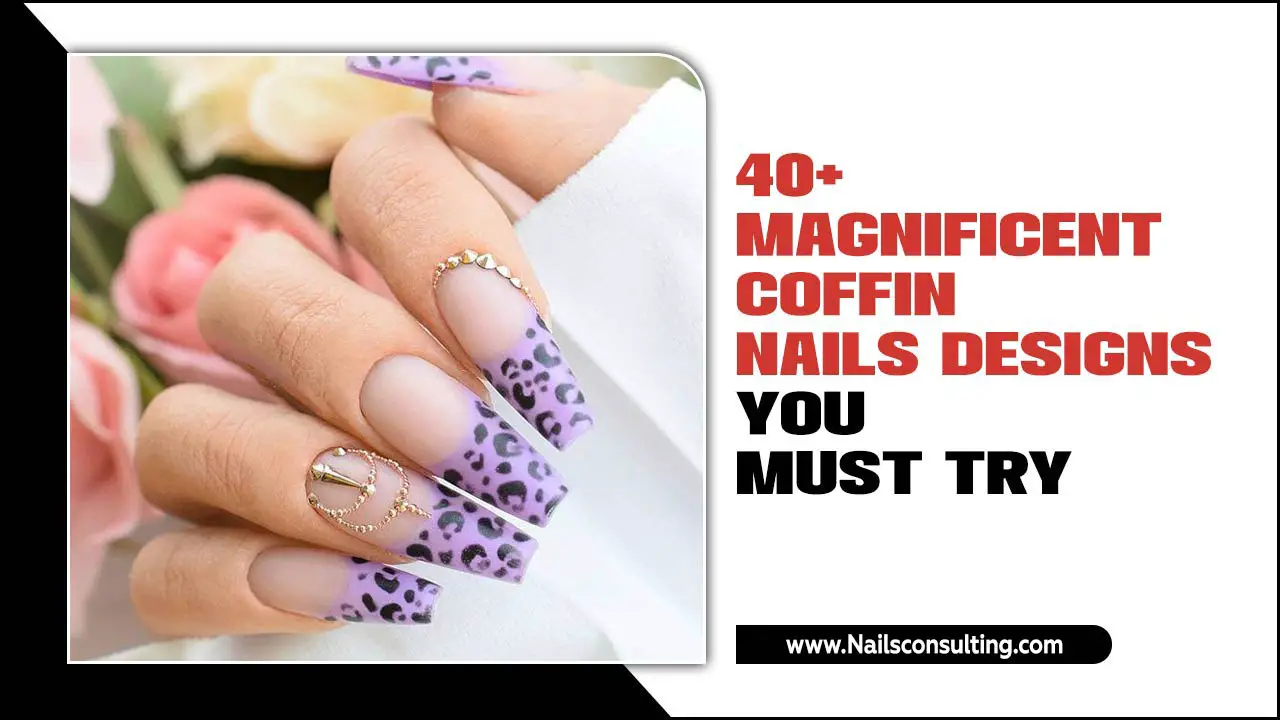
Starting a nail design business is achievable with the right plan! Focus on perfecting your skills, building a strong brand, understanding legalities, and marketing effectively. This guide offers genius tips for beginners to launch a thriving nail art venture from home or a salon space.
Dreaming of turning your passion for nail art into a business? You’re not alone! Many talented individuals find themselves with a knack for creating beautiful manicures but feel overwhelmed by the thought of actually starting their own nail design business. Where do you even begin? It can feel like a big leap from painting nails for fun to running a professional service. But don’t worry! With a little guidance and some smart strategies, you can transform your creative energy into a successful and rewarding career.
This isn’t about complicated business jargon or overwhelming steps. It’s about breaking down the process into simple, actionable tips designed just for you. We’ll cover everything from honing your craft to finding your first clients and making sure everything is legit. Ready to dive in and make your nail design dreams a reality? Let’s get started!
Your Creative Journey: From Passion to Profession
Starting a nail design business is more than just applying polish; it’s about building an experience for your clients. It’s about creativity, skill, and understanding your audience. Let’s explore how to lay a solid foundation for your entrepreneurial journey.
1. Master Your Craft: The Foundation of Your Business
Before you can sell nail designs, you need to be absolutely brilliant at creating them! This means continuous learning and practice. Think of yourself as an artist; your tools are your brushes, and nails are your canvas.
- Practice, Practice, Practice: Paint nails on practice hands, friends, and family. Experiment with different shapes, lengths, and techniques.
- Stay Updated on Trends: Follow nail artists on social media, read popular beauty blogs, and check out fashion magazines. What’s hot right now? What styles are clients asking for?
- Learn Different Techniques: Beyond basic polish, explore gel nails, acrylics, dip powder, nail extensions, and various art methods like freehand painting, stamping, stenciling, and embellishments (rhinestones, glitter, foils).
- Invest in Quality Tools & Products: Good tools make a huge difference. Start with a curated set of brushes, dotting tools, files, buffers, and high-quality polishes, gels, and acrylics. Your clients will notice the difference.
- Consider Formal Training: While not always mandatory for a home-based business, a nail technician certification can boost your credibility and knowledge, especially regarding sanitation and safety. Many community colleges and private beauty schools offer programs. Government resources like the Small Business Administration (SBA) can also offer guidance on business planning and general industry insights, even if they don’t offer direct nail training.
2. Define Your Niche: What Makes You Unique?
The nail design world is vast! Finding your niche helps you stand out and attract the right clients.
- Specialization: Are you amazing at intricate floral designs? Do you love creating sharp geometric patterns? Perhaps you excel at natural-looking enhancements or vibrant, bold artwork.
- Target Audience: Are you aiming for busy professionals, brides, students, or a more avant-garde clientele? Understanding your ideal customer helps tailor your services and marketing.
- Service Offerings: Will you focus solely on nail art, or offer a full suite of nail services like manicures, pedicures, extensions, and basic care?
3. Building Your Brand: Your Business Identity
Your brand is how people perceive your business. Make it memorable and professional.
- Business Name: Choose a name that is catchy, relevant, and easy to remember. Check if the name and its social media handles are available.
- Logo & Visuals: Create a simple, professional logo. Use beautiful, high-quality photos of your work for all your branding.
- Brand Voice: Decide on the tone of your communication – friendly, elegant, edgy, fun? This should be consistent across your website, social media, and in-person interactions.
Setting Up Your Business: The Practical Steps
Now, let’s get down to the nitty-gritty of setting up your nail design business. These are the essential steps that ensure you’re operating legally and efficiently.
4. Legal & Administrative Essentials
This might not be the most glamorous part, but it’s crucial for long-term success and peace of mind.
- Business License: Depending on your location, you’ll likely need a business license to operate. Check with your local city or county government.
- Permits & Regulations: Research any specific health and safety regulations for nail salons or home-based businesses in your area. The Occupational Safety and Health Administration (OSHA) provides general guidelines on workplace safety, including sanitation, which is paramount in the beauty industry.
- Insurance: General liability insurance is a must. It protects you if a client has an accident or an allergic reaction to a product.
- Business Structure: Decide if you’ll operate as a sole proprietorship, partnership, LLC, or corporation. A sole proprietorship is often the simplest for beginners.
- Taxes: Understand your tax obligations. Keep meticulous records of all income and expenses.
5. Setting Your Pricing Strategy
Pricing your services correctly is vital for profitability. Consider these factors:
Factors to Consider for Pricing:
| Factor | Description | Impact on Price |
|---|---|---|
| Skill & Experience | Your expertise in complex designs and techniques. | Higher price for advanced skills. |
| Time Spent | The duration of the service, especially for intricate art. | Longer service = higher price. |
| Product Costs | The price of high-quality polishes, gels, art supplies, etc. | Premium products can justify higher prices. |
| Overhead Costs | Rent (if applicable), utilities, insurance, marketing. | Costs need to be covered by revenue. |
| Market Rates | What are other nail artists in your area charging for similar services? | Be competitive yet fair. |
| Perceived Value | The overall quality of service, ambiance, and client experience. | Exceptional service commands a premium. |
It’s often helpful to categorize your pricing based on design complexity. A simple solid color won’t cost the same as a detailed hand-painted portrait on each nail!
6. Creating Your Workspace
Whether you’re working from home or a rented salon space, your workspace needs to be functional, clean, and inviting.
- Home-Based Setup: If working from home, designate a specific area. Ensure it’s well-ventilated and equipped with a comfortable table, good lighting, and storage for your supplies. You’ll also need to consider client privacy and how to separate your business space from your living space.
- Salon/Suite Setup: If you’re renting a space, focus on decor that matches your brand. Ensure it’s professional, clean, and comfortable for clients.
- Sanitation Station: This is NON-NEGOTIABLE. You need a dedicated area and protocol for disinfecting tools and surfaces. Invest in an autoclavable sterilizer if possible, or at least a high-quality disinfectant solution and UV sanitizer. Proper sanitation protects you and your clients.
Marketing Your Nail Design Business: Getting Clients
Talent alone isn’t enough; you need to let people know you exist and why they should choose YOU!
7. Showcase Your Art: The Power of Visuals
Your nail designs are your best advertisement. Make them shine!
- Build a Portfolio: Take high-quality photos and videos of your best work. Natural light is often best for nail photography.
- Use Social Media: Instagram, TikTok, and Pinterest are your best friends. Post regularly, use relevant hashtags (#naildesign #nailart #yourcitynails #gelnails #diynails), and engage with your followers.
- Create a Website or Online Portfolio: A professional website can host your portfolio, service menu, pricing, and booking information. Platforms like Wix, Squarespace, or Shopify can be user-friendly for beginners.
8. Network and Collaborate
Building connections is key in any service industry.
- Local Partnerships: Connect with local salons (if you’re not part of one), boutiques, fashion designers, or photographers. Offer to do nails for photoshoots in exchange for promotion.
- Attend Local Events: Set up a booth at craft fairs, beauty expos, or community events to showcase your work and offer mini-consultations or simple nail art.
- Referral Programs: Encourage existing clients to refer new ones by offering discounts.
9. Engage with Your Clients
Happy clients are repeat clients and your best marketers!
- Exceptional Customer Service: Be punctual, polite, and attentive. Listen to your clients’ requests and offer suggestions.
- Build Relationships: Remember their preferences, ask about their lives. A personal connection can make a huge difference.
- Gather Reviews: Encourage satisfied clients to leave reviews on your social media pages or website.
5. Booking and Payment Systems
Streamline the administrative side so you can focus on art.
- Online Booking: Use software like Acuity Scheduling, Calendly, or Square Appointments. This allows clients to see your availability and book slots easily, reducing back-and-forth communication.
- Payment Options: Offer various payment methods – cash, card (via Square, PayPal, etc.), and mobile payment apps.
- Clear Policies: Have a clear cancellation policy and payment terms in place, communicated to clients when they book.
Client Experience: Making Them Feel Special
A great client experience goes beyond just beautiful nails. It’s about making your clients feel pampered and valued.
11. Consultation is Key
Before you start, have a thorough consultation.
- Understand Their Vision: What do they want? What are their lifestyle needs (e.g., do they work with their hands a lot?)
- Offer Suggestions: Based on their nail health, lifestyle, and preferences, suggest designs or enhancements that will work best.
- Discuss Aftercare: Educate your clients on how to care for their nails to make the design last and keep their natural nails healthy.
12. The Comfort Factor
Ensure your client’s comfort throughout the service.
- Comfortable Seating: Whether it’s a salon chair or a comfortable spot at your home table, make sure it’s ergonomic and relaxing.
- Relaxing Ambiance: Consider soft music, pleasant (but not overpowering) scents, and a clean, tidy environment.
- Beverages: Offering a bottle of water or a cup of tea can be a nice touch.
13. Aftercare Guidance
Help your clients maintain their gorgeous nails even after they leave.
- Provide Written Tips: A small card with aftercare advice (avoiding harsh chemicals, wearing gloves, not picking at the nails) is helpful.
- Recommend Products: Suggest cuticle oils, hand creams, or protective topcoats that can help maintain the manicure.
- Follow Up: A quick text or email a few days later to see how they’re liking their nails can go a long way.
Nail Design Business: Startup Costs Overview
It’s helpful to have an idea of what you might need to invest. These costs can vary widely based on your location and business model (home-based vs. salon).
| Category | Estimated Cost Range (USD) | Notes |
|---|---|---|
| Initial Product Inventory | $300 – $1,500+ | Polishes, gels, acrylics, primers, top coats, removers. |
| Tools & Equipment | $200 – $1,000+ | Brushes, files, buffers, lamps, drill, sterilizer, manicure station. |
| Sanitation Supplies | $50 – $200 | Disinfectant, sanitizers, PPE (gloves, masks). |
| Business Licensing & Permits | $50 – $500 | Varies by municipality. |
| Insurance (Annual) | $300 – $1,000+ | General liability, professional liability. |
| Website/Online Presence | $0 – $500+ | Domain, hosting, platform fees, professional photos. |
| Marketing Materials | $50 – $300 | Business cards, brochures, social media ads. |
| Workspace Setup (if any) | $100 – $5,000+ | Furniture, decor, upgrades for home or salon. |
| Education & Training | $0 – $2,000+ | Online courses, workshops, certifications. |
Remember, you can start lean and expand your inventory and equipment as your business grows!
FAQ: Your Nail Design Business Questions Answered
Q1: Do I need a license to start a nail design business from home?
A1: It depends on your location. Many places require a cosmetologist or nail technician license, even for home-based businesses. Check with your local and state/provincial licensing board.
Q2: What are the most important tools for a beginner nail designer?
A2: High-quality brushes for detail work, dotting tools, a good set of files and buffers, a cuticle pusher, and a reliable UV/LED lamp for gel polish are essential. Start with the basics and add more as you explore techniques.
Q3: How much should I charge for my nail designs?
A3: Research local market rates. Consider your time, skill level, product costs, and the complexity of the design. It’s often beneficial to have a base price for services and add charges for intricate nail art.
Q4: How can I get my first clients if I have no experience?
A4: Offer services to friends and family for free or at a discount in exchange for honest feedback and photos for your portfolio. Post your work on social media and offer introductory specials to attract new clients.
Q5: What’s the most crucial aspect of sanitation for a nail business?
A5: Always disinfect all reusable tools between clients using an EPA-approved disinfectant. Ensure your workspace is clean and that you are using single-use items (like files and buffers) appropriately. Proper sanitation prevents the spread of infections.
Q6: How do I market my nail design business on a tight budget?
A6: Focus on free or low-cost social media marketing (Instagram, TikTok, Facebook), build a Google Business Profile, ask for client reviews, and network with other local businesses. High-quality photos of your work are your best marketing tool.
Q7: Should I specialize in one type of nail art, or offer a variety?
A7: Starting with a few specialties you excel at can help you build a strong reputation. As you grow, you can expand your offerings or hire other artists. However, being able to do a range of popular styles is also beneficial for attracting a wider client base.
Conclusion: Your Bright Future in Nail Design
Embarking on the journey to start your own nail design business is an exciting adventure! By focusing on honing your artistic skills, understanding the business fundamentals, and prioritizing client experience, you’re setting yourself up for success. Remember, every nail artist started somewhere, and with dedication, creativity, and these genius tips, you can build a thriving business that reflects your passion and talent. Keep learning, keep creating, and most importantly, keep shining!