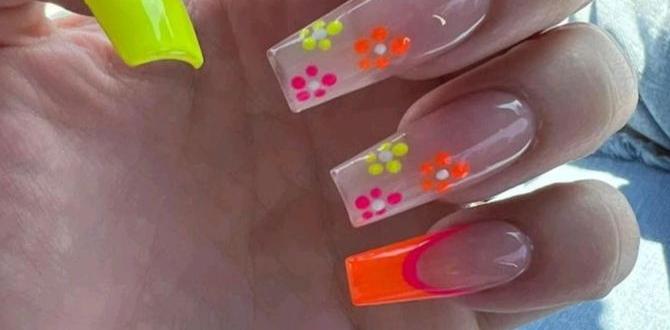
Spring floral manicure ideas are the perfect way to brighten your look! Discover gorgeous, easy-to-create designs that capture the season’s beauty, from delicate daisies to vibrant roses. Get inspired to bring the outdoors in with stunning, fresh nail art that’s a breeze to achieve.
Tired of the same old nail colors? Spring is here, and it’s time to let your fingertips bloom! Many of us love the idea of beautiful floral nails but feel a little intimidated by the thought of creating intricate designs. You might worry if it’s too complicated or if you have the right tools. But guess what? Creating stunning spring floral manicures is totally achievable, even for beginners! We’re going to break it all down into simple, fun steps. Get ready to unleash your inner artist and give your nails a gorgeous, springtime makeover that’s as unique as you are.
Why Floral Nails Are a Spring Staple
Spring whispers promises of blooming flowers, warmer days, and a fresh new start. What better way to embrace this joyful season than by adorning your nails with nature’s artistry? Floral nail designs aren’t just pretty; they’re an instant mood-booster, a playful expression of personal style, and a delightful way to celebrate the reawakening of nature. For many, they represent a departure from winter’s muted tones and a dive into a world of vibrant color and delicate beauty. Whether you’re heading to a garden party, a casual brunch, or just want to add a touch of spring cheer to your everyday look, floral manicures are an absolute must-have.
They offer endless versatility. Think tiny, minimalist buds scattered across a sheer polish for subtle elegance, or bold, tropical blooms bursting with color for a statement look. The beauty of floral nail art lies in its adaptability to any occasion and personal taste. Plus, with a few simple tools and techniques, you can recreate these beautiful designs right at home, saving a trip to the salon and giving you the freedom to experiment!
Essential Tools for Your Floral Manicure Journey
Getting started with floral nail art doesn’t require a professional kit. A few basic items can set you up for success. Having the right tools makes the process much smoother and enjoyable. Think of this as your starter pack for blooming nails!
Must-Have Nail Art Supplies:
- Base Coat: Protects your natural nails and helps your polish last longer.
- Top Coat: Seals in your design and adds a glossy shine.
- Nail Polish: A variety of colors for your base and floral elements. Think pastels, brights, whites, and greens!
- Dotting Tools: These have round tips of various sizes, perfect for creating dots that form petals and centers.
- Fine-Tipped Nail Art Brushes: Essential for drawing delicate lines, stems, leaves, and small flower details.
- Toothpicks: A budget-friendly alternative for creating small dots or blending colors.
- Nail Polish Remover: For cleaning up any mistakes.
- Cotton Swabs/Pads: For precise cleanup around the cuticles.
- Optional: Rhinestones or Glitter: To add a touch of extra sparkle!
Starting with a good base coat is crucial for healthy nails and a smooth application. And don’t forget a quality top coat to keep your beautiful floral designs looking fresh for as long as possible! For more tips on nail care, the American Academy of Dermatology Association offers some great advice on keeping your nails healthy.
Beginner-Friendly Spring Floral Manicure Ideas
Ready to get your hands-on experience? These designs are perfect for beginners. They focus on simple shapes and techniques that deliver maximum floral impact without the fuss. Let’s dive in!
1. The Dotted Daisy Delight
This is a classic for a reason! It’s super simple and instantly recognizable as spring. You only need a couple of colors and a dotting tool.
How to Create Dotted Daisies:
- Prep: Start with clean, dry nails. Apply a base coat, let it dry completely.
- Base Color: Apply your desired base polish. A soft pastel blue, a creamy white, or a light lavender looks lovely. Let it dry thoroughly.
- Yellow Center: Using a medium-sized dotting tool and yellow polish, create a small, solid dot on your nail where you want the center of your daisy to be.
- White Petals: Dip a smaller dotting tool (or even the tip of a toothpick) into white polish. Carefully add small dots around the yellow center, creating a circle of petals. Don’t worry about perfection; slightly uneven dots add a charming, handmade feel!
- Optional Green Leaves: With a tiny nail art brush or toothpick, add small green leaf shapes near the daisies if you wish.
- Seal: Once completely dry, apply a generous layer of top coat to protect your lovely daisies.
This technique is also fantastic for creating other simple flowers like forget-me-nots (using blue dots around a tiny yellow center) or tiny rosebuds (a spiral of pink dots).
2. The Simple Stamped Bloom
Nail stamping is a game-changer for intricate designs made easy! You’ll need a stamping plate with floral patterns and a stamper.
What You Need for Stamping:
- Nail stamping plates (look for ones with floral or leaf designs)
- A stamper and scraper
- A “special” polish for stamping (often more opaque than regular polish)
- Base and top coats
- Nail polish remover and a brush for cleanup
How to Stamp Floral Designs:
- Prep: Apply base coat and your chosen color polish. Let it dry until tacky but not fully hardened.
- Apply Stamping Polish: Apply a generous amount of your stamping polish over the floral design on your plate.
- Scrape: Quickly scrape off the excess polish using the scraper at a 45-degree angle.
- Roll/Stamp: Immediately place your stamper onto the plate and gently roll or press down to pick up the design.
- Transfer: Carefully roll or press the stamper onto your nail to transfer the floral image.
- Clean Up: Use a brush dipped in nail polish remover to clean any polish smudges around your cuticle.
- Seal: Wait a minute for the stamped polish to set, then apply a top coat, being careful not to smudge the design.
Nail stamping plates are widely available online and come with endless pattern possibilities. Many reputable beauty supply stores also carry them. You can find some great beginner-friendly guides on nail stamping from sites like Nail Stamping Queen, which offers clear tutorials.
3. The Gradient Petal Effect
This technique creates a soft, watercolor-like effect that’s effortlessly chic and perfect for a more artistic floral look.
Creating the Gradient Petals:
- Base: Apply your base coat and a sheer or light-colored polish as your base. Let it dry.
- Color Palette: Choose 2-3 complementary colors for your petals (e.g., pinks, corals, or purples).
- Sponge Application: Lightly dab small amounts of your chosen petal colors onto a makeup sponge or nail art sponge. Blend them slightly where they meet.
- Gradient Press: Gently press the sponged section onto the tip of your nail, working downwards. You can do this once or twice to build color. The idea is to feather the colors softly.
- Refine: Once dry, use a fine brush dipped in a slightly lighter shade or white to outline soft petal shapes if desired, or add tiny dots for a floral center.
- Optional Greenery: Add subtle green stems or leaves with a fine brush.
- Seal: Apply a clear top coat to smooth the gradient and protect your design.
This method is wonderful for capturing the softness of spring blossoms without needing to draw individual petals perfectly.
4. The Minimalist Floral Accent
Don’t feel like doing full floral designs on every nail? An accent nail is your best friend! This is perfect for busy bees or those who prefer a touch of subtle flair.
Accent Nail Magic:
- Choose Your Accent Nail: Typically, the ring finger is used, but pick whichever feels right for you!
- Base Color: Paint all your nails in a single color. A nude, a soft pink, or even a classic red works beautifully. Your accent nail can be the same color or a complementary one.
- Simple Design: On your accent nail, add a single, small floral element. This could be:
- A tiny cluster of dots forming a flower.
- A single sketched flower with fine lines.
- A delicate vine winding up the nail.
- A small, detailed sticker or decal.
- Tool Tip: A fine-tipped nail art brush is your best friend here for creating those delicate lines and small details.
- Seal: Finish all nails with a top coat.
This approach is fantastic for those just starting out, as it limits the area for detailed work and makes the overall manicure appear polished and intentional.
5. The French Tip Flower Twist
Give your classic French manicure a spring makeover! Instead of a plain white tip, we’re adding a floral touch.
Floral French Tips:
- Classic French Base: Start with your usual French manicure. Apply a sheer nude or pink base on all nails, and then paint crisp white tips. Let this dry completely.
- Floral Addition: On the tip of one or two nails (or just your accent nail), add a small floral design. You could:
- Draw a tiny cluster of flowers on one side of the white tip.
- Add a small vine or leaves that subtly blend into the white tip.
- Place a tiny dot flower right on the curve of the tip.
- Color Choice: Use soft pastel colors like pink, lavender, or peach for your floral accents to complement the white tips.
- Seal: Apply a final top coat over all nails.
This is a sophisticated way to incorporate floral elements without them being overpowering. It’s perfect for professional settings or when you want something elegant yet seasonally appropriate.
Spring Color Palettes to Inspire Your Blooms
Choosing the right colors can instantly set the mood for your spring floral manicure. Think about the flowers you see coming to life around you!
Popular Spring Color Combinations:
| Theme/Inspiration | Base Colors | Floral Accent Colors | Leaf/Stem Colors |
|---|---|---|---|
| Pastel Garden | Soft Lavender, Baby Blue, Mint Green, Creamy White | Pale Pink, Peach, Light Yellow, Lilac | Sage Green, Light Olive |
| Sunny Meadow | Butter Yellow, Sky Blue, Light Coral, White | Bright Yellow, Orange, Pink, White Daisies | Grass Green, Forest Green |
| Charming Cherry Blossoms | Soft Pink, White, Light Gray | Deeper Pink, White, Coral | Pale Green |
| Bold Botanicals | Deep Teal, Burgundy, Navy | Vibrant Fuchsia, Coral, Yellow, White | Emerald Green, Black accents |
| Sweet & Simple | Nude, Sheer Pink, Light Beige | White, Pastel Pink, Tiny Yellow Dots | Light Green |
Don’t be afraid to mix and match! The beauty of DIY manicures is the freedom to experiment. For great inspiration on color theory and combinations, you can explore resources like those offered by ColorKit, which explains color relationships in a simple way.
Tips for Long-Lasting Floral Manicures
You’ve put in the effort to create beautiful floral nails, so let’s make them last! A few key steps can significantly extend the life of your manicure.
- Clean Nails are Key: Ensure your nails are free of any old polish or oils before starting.
- Proper Base Coat: Apply a thin, even layer of base coat and let it dry completely. This creates grip for your color and prevents staining.
- Thin Coats of Polish: Apply color polish in thin, even layers. Thick coats take longer to dry and are more prone to chipping. Two thin coats are better than one thick one.
- Cap the Free Edge: When applying your color polish and especially your top coat, swipe the brush horizontally across the very tip (the free edge) of your nail. This seals the polish and prevents water from seeping underneath, which can cause lifting and chipping.
- Let it Dry (Really!): Patience is crucial. Allow each layer of polish to dry partially before adding the next. Rushing this step is a common cause of smudges and dents.
- Generous Top Coat: Apply a thick, glossy top coat as your final step. Make sure to cap the free edge here too. Consider a quick-dry top coat if you’re short on time.
- Be Gentle: Treat your nails with care. Avoid using them as tools (like opening cans or scraping) as this can damage the polish and your natural nail.
- Regular Top Coat Application: If you notice your shine fading after a few days, you can apply another thin layer of top coat to refresh the look and add extra protection.
Following these tips can help your beautiful floral designs stay looking salon-fresh for longer, making your efforts even more rewarding!
Troubleshooting Common Nail Art Issues
Even the most seasoned nail artists run into little hiccups now and then. Don’t get discouraged! Here are some common issues and super simple fixes.
Common Problems & Solutions:
| Problem | Why it Happens | Easy Fix |
|---|---|---|
| Smudged Polish | Nails weren’t dry enough when touched. | Dip a fine brush in nail polish remover and carefully smooth over the smudge. It’s not a perfect fix but often looks much better than leaving it. If it’s a major smudge, sometimes it’s best to re-paint the nail. |
| Polish is Too Thick/Goopy | Polish is old, or too much was applied. | Add one or two drops of nail polish thinner (not remover, as that can break down the polish) to revive it. Always apply polish in thin coats to avoid this. |
| Uneven Lines or Dots | Tool slipped, or polish consistency wasn’t right. | Use a clean, fine brush dipped in nail polish remover to carefully neaten the edges. For dots, practice making consistent pressure with your dotting tool. |
| Top Coat Smears Design | Top coat applied too soon or too roughly. | Wait longer for the underlying design to dry. Use a gentler touch when applying top coat. A “quick-dry” top coat can sometimes help by drying the surface faster, but be careful not to pull the design. |
| Bubbles in Polish | Polish applied too thickly, or polish was shaken vigorously. | Apply polish in thin coats. Roll the polish bottle gently between your hands instead of shaking to mix. |
Remember, practice makes perfect! Each time you do your nails, you’ll get a little better and learn more about how the polish and tools work. The most important thing is to have fun with it!
Frequently Asked Questions (FAQ) About Spring Floral Manicures
Here are some common questions beginners have about floral nail art.
Q1: How do I make my floral nail art look less “childish”?
A: Use sophisticated color palettes (think muted tones or jewel shades), keep designs clean and intentional (like a single accent flower instead of many small ones), and