Quick Summary:
Mastering simple nail designs for beginners is easy with the right techniques and tools. Discover effortless ways to elevate your manicure with basic patterns, color blocking, and accent nails. These beginner-friendly ideas require minimal effort but deliver maximum style, boosting your confidence and creativity.
Are you dreaming of beautiful, decorated nails but feel a bit intimidated by complex designs? You’re not alone! Many of us see stunning nail art online and think, “I could never do that.” The good news is, you absolutely can! Achieving chic and simple nail designs for beginners is totally within reach. It’s all about starting with the basics and building your confidence. Forget the fancy tools and hours of practice for now. We’re focusing on easy-to-recreate looks that will make your nails pop without the stress.
Ready to transform your nails from plain to pretty? Let’s dive into the world of effortless nail art that anyone can do. We’ll cover the essential tools, simple techniques, and stylish designs that will have you feeling like a pro in no time. Get ready to unleash your inner nail artist!
Essential Tools for Your Beginner Nail Art Journey
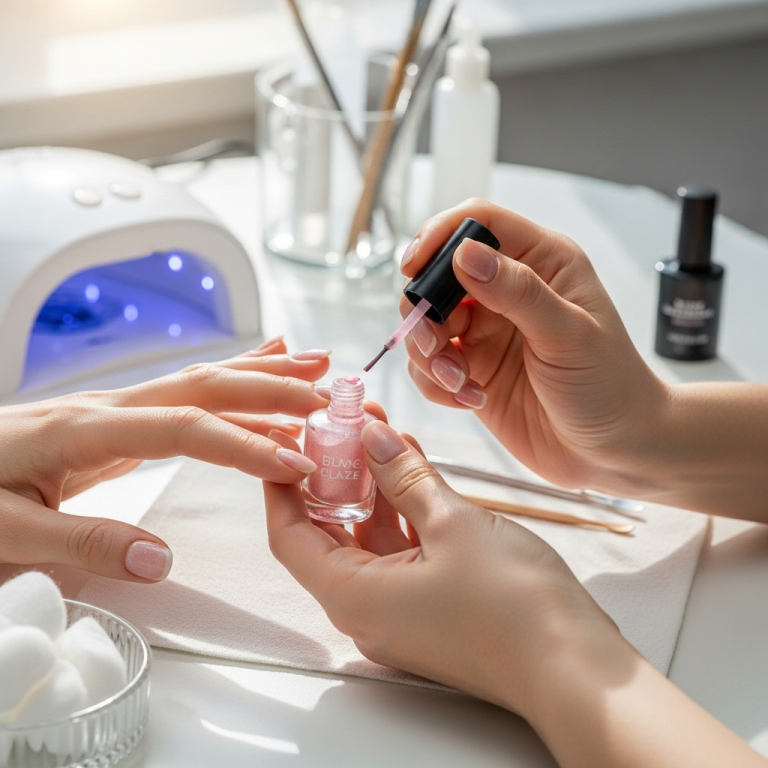
Before we jump into the fun designs, let’s talk about the tools that will be your best friends on this nail art adventure. You don’t need a whole professional kit to start! A few key items will make a huge difference in achieving clean and impressive results. Having the right supplies makes all the difference in creating polished looks, even for absolute beginners. Think of these as your starter pack for creative manicures.
Here’s a breakdown of the must-have tools:
- Base Coat: This is crucial! A good base coat protects your natural nails from staining and helps your polish adhere better, making your manicure last longer. It’s the foundation of any great nail look.
- Top Coat: Just as important as the base coat, a top coat seals your design, adds shine, and prevents chips and smudges. A good shiny top coat can make even the simplest design look professionally done.
- Nail Polish in Various Colors: Start with a few of your favorite colors. You’ll want a neutral base, a bright pop of color, and perhaps a darker shade for contrast. Don’t feel the need to buy dozens at once!
- Thin Nail Art Brush or Dotting Tool: These are your magic wands for detailing. A thin brush is perfect for drawing lines and delicate patterns, while a dotting tool creates perfect little dots every time. You can find affordable sets online or at beauty supply stores. For a super simple start, even a toothpick can work for dots!
- Acetone Nail Polish Remover: For quick clean-ups and mistakes. It’s your best friend for tidying up edges and fixing slip-ups without ruining your design. Always have some cotton pads or balls handy too.
- Cuticle Pusher or Orangewood Stick: To gently push back your cuticles before applying polish. This creates a cleaner canvas and makes your nail polish application look much neater.
- Nail File: To shape your nails. A smooth, consistent shape is the perfect start for any design.
- Optional: Striping Tape or Washi Tape: Perfect for creating crisp lines and geometric patterns with ease.
Remember, you can find great deals on these tools at drugstores, beauty supply stores, and online retailers. Don’t hesitate to start with basics and gradually add to your collection as your skills and creativity grow.
Prep Work: The Secret to a Flawless Finish
Great nail art starts with great nails! No matter how simple the design, taking a few minutes for proper prep work will dramatically improve the look and longevity of your manicure. This is where the magic truly begins, setting the stage for your creative masterpiece. Think of this as the essential foundation for a salon-worthy finish, right at home.
Here’s how to prep your nails:
- Clean Your Nails: Start with clean, dry nails. Remove any old polish thoroughly using your acetone remover.
- Shape Your Nails: Use a nail file to shape your nails to your desired length and shape. Always file in one direction to prevent snagging and splitting.
- Gently Push Back Cuticles: Apply a cuticle remover (optional) and then use your cuticle pusher or orangewood stick to gently push back the cuticles. This exposes more of your nail plate for a larger design canvas and gives a cleaner appearance. Make sure not to cut your cuticles; this can lead to infection. For more on proper cuticle care, check out resources from the American Academy of Dermatology.
- Buff Your Nails (Optional): If you have ridges or unevenness, a gentle buff can create a smoother surface. Don’t over-buff, as this can weaken your nails.
- Wipe Nails Clean: After filing and buffing, wipe your nails with a damp cloth or an alcohol wipe to remove any dust. This ensures no oils interfere with polish adhesion.
- Apply Base Coat: Apply one thin, even coat of your base coat and let it dry completely. This protects your nails and helps polish last longer.
Taking these simple steps will make applying your polish and designs so much easier and give you professional-looking results!
10 Simple Nail Designs for Beginners
Now for the fun part! These designs are perfect for beginners because they’re easy to execute, require minimal specialized tools, and still look super stylish. We’ll go from super simple single-color upgrades to easy patterns you can master in minutes. Get ready to impress yourself (and everyone else!) with your newfound nail art skills.
1. The Chic Solid Color with a Twist
This is the easiest way to elevate a simple manicure. Instead of just applying a single color, add one small detail to one nail.
How-To:
- Paint all your nails with your chosen color. Apply two coats for opacity.
- On your ring finger (or any accent nail of your choice), use your thin nail art brush or toothpick to add a simple dot, a tiny line, or a small heart at the base of the nail.
- Let it dry, then apply your top coat to all nails.
Why it’s great: It’s incredibly low-effort but adds a sophisticated touch that’s instantly noticeable. It’s the perfect entry point into nail art.
2. Effortless Ombre Nails
Ombre nails create a beautiful gradient effect, and the beginner-friendly sponge method is incredibly forgiving.
How-To:
- Apply your base coat and let it dry.
- Paint your nails with your lighter color. Let it dry completely.
- Apply your darker color to a makeup sponge – you can do one color or two side-by-side.
- Gently dab the sponge onto your nail, starting from the cuticle area and moving upwards. You might need to reapply polish to the sponge and dab a few times to build up the color.
- While the polish is still a bit wet and before it fully dries, carefully dab the sponge over the transition area again to blend.
- Clean up any polish that got on your skin with your acetone remover.
- Once dry, apply a generous top coat. This helps melt the layers together for a smoother look.
Tip: Use two colors that are close in shade for a subtler effect, or contrasting colors for a bolder statement.
3. Simple Stripes Using Tape
Stripes are classic and surprisingly easy to achieve with striping tape or even regular washi tape.
How-To:
- Apply your base color to all nails and let it dry completely. This is crucial for the tape to adhere properly and not lift the polish.
- Cut small pieces of striping tape or washi tape and carefully apply them onto your nails in the pattern you desire (straight lines, diagonal, criss-cross). Press down the edges firmly to prevent polish from seeping underneath.
- Paint over the tape with your second color. For crisp lines, apply one thin coat and let it dry slightly before removing the tape.
- Carefully peel off the tape while the polish is still slightly wet. If you wait until it’s fully dry, it can sometimes pull the underlying polish off with it.
- Let the polish dry completely, then apply your top coat.
Resource: For more advanced tape art ideas and tips on getting clean lines, sites like Nailpro offer valuable insights.
4. Cute Polka Dots
Dots are fun, versatile, and oh-so-easy to create with a dotting tool or even the tip of a bobby pin or toothpick.
How-To:
- Apply your base color and let it dry.
- Dip your dotting tool (or toothpick/bobby pin tip) into your contrasting polish color.
- Gently press the dotting tool onto your nail to create a dot. Reload the tool as needed.
- You can create a pattern of evenly spaced dots, random dots, or even make larger ‘blobs’ by pressing the tool down harder.
- Let the dots dry completely, then seal with a top coat.
Variations: Try scattering tiny dots all over, or making a line of dots along your smile line or at the base of your nail.
5. Classic French Tips Made Easy
The French manicure is a timeless look, and there are simple ways to achieve it without a steady hand.
How-To Using a Stamp or Guide:
- Apply a sheer nude or pink polish as your base and let it dry.
- Use French tip guide stickers (available at most beauty stores) or a stamper designed for French tips.
- Apply white polish to the tip of your nail using the guide or stamper.
- Let it dry, then apply your top coat.
How-To With a Brush:
- Apply your sheer base color and let it dry completely.
- Dip your thin nail art brush into white polish.
- Gently draw a curved line along the free edge of your nail. Hold your hand steady and use small, deliberate strokes.
- Clean up any mistakes with your acetone remover.
- Apply a top coat once dry.
Tip: If you’re struggling with freehand, try dabbing a very small amount of polish onto the tip of your nail with the brush and then shaping it into a curve. It’s less about drawing and more about placement.
6. Minimalist Lines
Simple vertical, horizontal, or diagonal lines add a modern touch without being overly complicated.
How-To:
- Paint your nails with your base color and let them dry completely.
- Using your thin nail art brush dipped in a contrasting color, draw a single, clean line. You can place it vertically down the center, diagonally, or horizontally across the nail.
- For bolder lines, you can use the edge of a striping tape piece as a guide.
- Let dry and apply a top coat.
Pro Tip: For extra steady lines, rest your pinky finger on a stable surface while you paint.
7. Color Blocking
This design involves dividing your nail into sections and filling each with a different color. It’s bold and modern!
How-To:
- Paint your nails with your first color and let them dry completely.
- Use striping tape or washi tape to create a division on your nail. For example, you could tape off the top half, the bottom half, or create a diagonal split.
- Paint the exposed section with your second color.
- While the second color is still slightly wet, carefully remove the tape.
- Let dry, then apply a top coat. You can repeat this with a third color if you’re daring!
Combination Ideas: Try matte and glossy finishes together, or mix a metallic polish with a cream shade.
8. The Accent Nail with Glitter
Glitter is always a good idea, and applying it to just one nail is a fantastic way for beginners to experiment with sparkle.
How-To:
- Paint all your nails with your chosen base color.
- On your accent nail, apply a layer of glitter polish. You can use one coat for a subtle shimmer or multiple for full-on sparkle.
- Alternatively, paint your accent nail with a solid color, then apply a thin layer of glitter polish over it for a different effect.
- Let dry completely, then apply your top coat to all nails. A glitter top coat can help smooth out any rough texture from chunky glitter polishes.
Tip: If you only have loose glitter, apply a layer of top coat or base coat on your accent nail and then carefully sprinkle the glitter over it. Tap off the excess and seal with another top coat.
9. Simple Half-Moon Manicure
This retro-inspired design is chic and relatively easy to achieve.
How-To:
- Paint your nails with your base color and let it dry.
- Place a round sticker or a guide for a French tip (the curved part) at the base of your nail, just above the cuticle.
- Paint the exposed half of your nail with a contrasting color.
- Carefully remove the sticker while the polish is still slightly wet.
- Let dry and apply your top coat.
Why it works: The sticker acts as a barrier, giving you a clean edge for the half-moon shape.
10. Two-Tone French Tips
A fun twist on the classic French manicure, this uses two colors for the tips.
How-To:
- Paint your nails with your base color and let it dry completely.
- Use your thin nail art brush or a small stencil to paint a tip in your first color.
- Once that’s dry, use another thin brush or stencil to paint a second, slightly smaller tip right on top, in your second color.
- Let dry and apply your top coat.
Color Combos: Try a black tip over a red base, or a metallic tip over a nude base for a sophisticated look. You can also do a double-line effect with two thin lines in different colors.
Troubleshooting Common Beginner Nail Art Issues
Even with the simplest designs, sometimes things don’t go exactly as planned. Don’t get discouraged! Every nail artist runs into occasional hiccups. Here’s how to tackle some common beginner problems:
Problem: Polish is too thick or streaky.
Solution: Apply thinner coats. It’s much better to do two or three thin coats that dry evenly than one thick, goopy one. Ensure each coat is dry before applying the next. If polish is getting old and thick, it might be time to replace it.
Problem: Lines smudge when removing tape or guides.
Solution: Patience is key! Make sure each layer of polish is completely dry before applying tape or guides. When removing the tape, peel it off slowly and at an angle. If you removed it while polish was wet, you risked smudging what was underneath.
Problem: My dots aren’t round or I have blobs instead of dots.
Solution: Practice makes perfect! For consistent dots, try loading your dotting tool or toothpick with just a small amount of polish at a time. Wipe off excess polish from the tool between dots. If you’re using a toothpick, try to use a fresh tip for each dot.
Problem: Polish spills onto my skin.
Solution: Acetone is your hero! Keep a small brush (like an old eyeliner brush) or a pointed cotton swab dipped in acetone handy. You can gently trace around your cuticle line to clean up any polish that went astray. Using a latex barrier or liquid tape around your cuticles before you start painting can also prevent this.
Problem: My designs don’t last.
Solution: Ensure you’re using a good quality base coat and top coat. Make sure to cap the free edge of your nail with your top coat – this means running the brush along the very tip of your nail. This seals the polish and helps prevent chipping.