Retro wave nail art is a fun, vibrant, and totally achievable way to add a pop of 80s and 90s flair to your look! This guide breaks down exactly how to master this cool trend, from choosing your colors to creating those iconic wavy lines, making it super easy for beginners to get stunning results at home. You’ll be creating eye-catching nails in no time!
Hey nail art lovers! Lisa Drew here from Nailerguy. Are you ready to dive into a nail trend that’s bursting with color and fun? I’m talking about retro wave nail art – those groovy, wavy lines that instantly transport you back to the vibrant days of the 80s and 90s. It might look super cool and complicated, but trust me, it’s completely doable, even if you’re just starting your nail art journey. We’re going to break it all down, step-by-step, so you can create your own amazing retro wave nails. Get ready to express your unique style and feel absolutely fabulous!
What is Retro Wave Nail Art?
Retro wave nail art is a style that borrows heavily from the aesthetics of the 1980s and 1990s. Think bold, often neon or pastel colors, geometric shapes, and, of course, those signature wavy lines that mimic sound waves, water ripples, or just pure groovy vibes. It’s all about embracing a playful, vibrant energy and bringing a touch of nostalgic fun to your fingertips. It’s less about intricate detail and more about bold, striking color combinations and dynamic patterns.
Why You’ll Love Retro Wave Nails
This trend is fantastic for so many reasons:
- Expressive & Fun: It’s a really playful way to show off your personality and get creative.
- Nostalgic Charm: Who doesn’t love a touch of cool retro vibes?
- Versatile: You can adapt it to any color palette, from subtle pastels to electric neons.
- Achievable for Beginners: With a few simple techniques, you can nail this look!
- Stands Out: It’s a unique design that’s sure to get compliments.
Essential Tools for Your Retro Wave Manicure
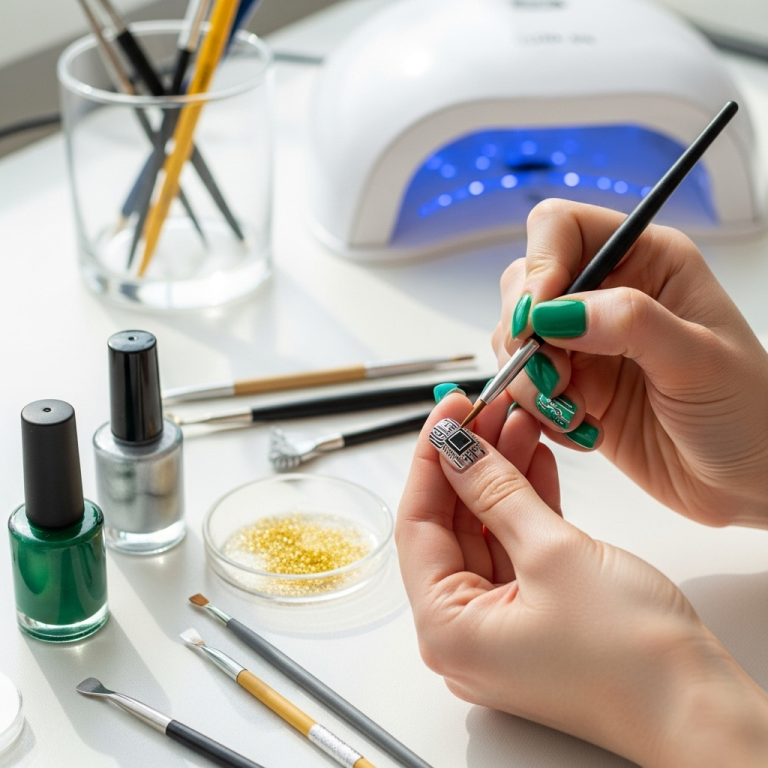
Before we get started, let’s gather our supplies. Don’t worry, you likely have some of these already, and they’re all pretty easy to find!
Here’s your handy checklist:
- Base Coat: To protect your natural nails and help polish adhere.
- Top Coat: To seal your design and add shine.
- Nail Polish Colors: Choose 2-4 colors that complement each other. Think bright neons, pastel shades, or classic black and white.
- Thin Nail Art Brush or Dotting Tool: For drawing the wavy lines. A striper brush with a long, fine tip is perfect for this.
- Cleanup Brush: An old, clean small makeup brush or a specialized cleanup brush with a fine tip, dampened with nail polish remover, for correcting mistakes.
- Nail Polish Remover: For cleanup.
- Cotton Pads or Balls: For applying remover to your cleanup brush.
- Optional: Cuticle Guard or Latex Tape: To keep polish off your skin and make cleanup easier.
Choosing Your Retro Color Palette
The color palette is at the heart of retro wave nail art. The 80s and 90s were all about boldness, so don’t be afraid to experiment! Here are some popular combinations to get you inspired:
| Vibe | Color Combinations | Description |
|---|---|---|
| Totally 80s Neon | Hot Pink, Electric Blue, Lime Green, Bright Yellow | Think vibrant, almost glowing colors. Perfect for a bold statement. |
| Pastel Dreams | Soft Lavender, Mint Green, Baby Pink, Sky Blue | A more muted, yet still fun, take on the retro look. Sweet and stylish. |
| Classic & Chic | Black, White, and a Pop of Red or Gold | A sophisticated twist on the retro theme. Timeless and elegant. |
| Sunset Hues | Orange, Pink, Purple, Yellow | Mimicking a vibrant sunset for a warm and energetic feel. |
| Monochrome Magic | Various shades of one color (e.g., light blue, medium blue, navy) | Subtle but effective. Creates depth and interest without being overwhelming. |
Step-by-Step: Creating Your Retro Wave Nail Art
Ready? Let’s get those nails looking totally tubular! Remember to work in a well-ventilated area.
Step 1: Prep Your Nails
Start with clean, dry nails. Push back your cuticles gently and file them to your desired shape. Apply a thin layer of base coat and let it dry completely. This is super important for preventing staining and making your polish last longer.
Step 2: Apply Your Base Color
Paint your nails with your chosen base color. Thin coats are key for a smooth finish. Let the first coat dry for a couple of minutes before applying a second coat for opaque coverage. Make sure the second coat is also dry before moving on. Patience is your best friend here!
Step 3: Draw the Wavy Lines
This is where the magic happens! Dip your thin nail art brush into your contrasting polish color. You want just enough polish on the brush to create a fine line. Start near one side of your nail and draw a smooth, continuous wavy line across your nail. Don’t worry if it’s not perfect – the imperfect, hand-drawn look is part of the charm!
Tips for Drawing Waves:
- Practice on paper: Before hitting your nails, try drawing a few waves on a piece of paper to get a feel for the brush.
- Vary the wave: Experiment with the height and width of your waves. Some can be gentle, while others can be more dramatic.
- Direction matters: Try drawing waves horizontally, vertically, or diagonally across the nail.
- Multiple Waves: Add more wavy lines next to your first one, alternating colors or using different shades of the same color for depth. You can also layer colors for a more complex look once the first layer is dry.
Step 4: Add More Waves (Optional)
Once your first wave is dry, you can add more lines. Try using a different color, or even the same color but a slightly different shade, to create dimension. You can layer waves over each other, or simply add more parallel waves. Again, embrace the freehand feel!
Step 5: Clean Up Your Edges
This step makes a huge difference! Dip your fine-tipped cleanup brush into nail polish remover. Gently brush away any polish that got onto your skin or cuticles. A clean edge makes your design look professional and polished. If you’re using a cuticle guard or latex tape, peel it off now before applying the top coat.
External Link: For more tips on achieving crisp nail art lines, check out this guide on nail prep from the American Academy of Dermatology Association: AAD Nail Care. Proper nail preparation is key to any great polish job.
Step 6: Apply Top Coat
Once all your polish is completely dry (and I mean completely dry – give it at least 5-10 minutes), apply a generous layer of top coat. This will seal your design, add a beautiful shine, and help your retro wave nails last longer. Make sure to cap the free edge of your nail by brushing the top coat along the tip.
Step 7: Let It Dry!
The final, most difficult step: patience! Let your top coat dry fully before doing anything that might smudge your artwork. A quick-dry top coat can be a lifesaver here.
Variations and Creative Ideas
Once you’ve mastered the basic retro wave, the sky’s the limit! Here are some ways to switch it up:
- Color Blocking Waves: Paint different sections of your nail with solid, bold colors, and then add wavy lines in between or on top.
- Abstract Waves: Instead of clean lines, try more painterly, smudged, or distorted waves for an abstract art feel.
- Glitter Waves: Use a glitter polish for your wavy lines over a solid base color.
- Ombre Waves: Blend two or three colors together on the nail before drawing your waves for a softer, blended effect.
- Accent Nail Waves: Keep most nails solid and use the retro wave design on just one or two accent nails.
- French Tip Waves: Instead of a traditional French tip, create a wavy line along the tip of the nail.
FAQ: Your Retro Wave Nail Art Questions Answered
Q1: I’m a total beginner. What’s the easiest way to start with retro wave nail art?
A1: Start with just two simple colors on a clean nail. Apply one solid base color, and then use your thin brush to draw one or two simple curved lines on top. Don’t aim for perfection; just have fun with it!
Q2: My wavy lines always end up looking shaky. How can I make them smoother?
A2: Try resting your pinky finger on the table or your other hand for stability. Also, avoid pressing too hard on your brush. Use a light touch and let the polish glide. Practicing on paper first really helps calibrate your hand.
Q3: What kind of brush is best for drawing these lines?
A3: A striper brush with a long, thin tip is ideal because it holds a good amount of polish and allows for smooth, continuous strokes. A fine-tipped dotting tool can also work in a pinch if you have a steady hand.
Q4: How long should I wait between applying colors and drawing lines?
A4: Wait until the base color is completely dry to the touch before drawing your wavy lines. If it’s still a bit soft, your brush can drag the color and create a messy look.
Q5: Can I do this with gel polish?
A5: Absolutely! The technique is the same, but you’ll need to cure under a UV/LED lamp after applying the base coat, each layer of color, and the top coat. Make sure your art brush and cleanup brush are gel-compatible.
Q6: My retro wave nails keep chipping. What can I do?
A6: Ensure your nails are clean and dry before starting. Apply a good quality base coat and top coat, and remember to cap the free edge of your nail with both. Avoid applying polish too thick, as it can be more prone to chipping. For long-lasting results, consider using a gel polish system.
Q7: What colors say “retro” the most?
A7: Think bright and bold! Neon pinks, electric blues, lime greens, and sunshine yellows are classic 80s. For a 90s feel, consider teal, purple, or even a mix of primary colors. Pastels also had their moment and can create a softer retro vibe.
Maintaining Your Retro Wave Nails
To keep your groovy designs looking fresh:
- Moisturize: Regularly apply cuticle oil and hand lotion. Dry hands can lead to polish chipping.
- Be Gentle: Avoid using your nails as tools for opening things or scraping.
- Gloves are Your Friend: Wear gloves when doing household chores, especially washing dishes or cleaning, to protect your nails from harsh chemicals and prolonged water exposure.
- Touch-Ups: If you get a tiny chip, you can sometimes carefully touch it up with a matching polish and a fine brush.
Conclusion
And there you have it – your beginner-friendly guide to creating stunning retro wave nail art! We’ve covered everything from picking out those iconic color combos to mastering the wavy line and adding that professional polish. Remember, nail art is all about self-expression and having fun. So, don’t be afraid to experiment with colors, play with different wave styles, and most importantly, enjoy the process!
You’ve got the tools, you’ve got the steps, and you’ve got the confidence. Go forth and create some totally tubular nails that showcase your unique style. Whether you’re channeling the neon explosion of the 80s or the bold graphics of the 90s, retro wave nail art is a fantastic way to add some playful energy to your look. Your nails are your canvas – now go make them a masterpiece!