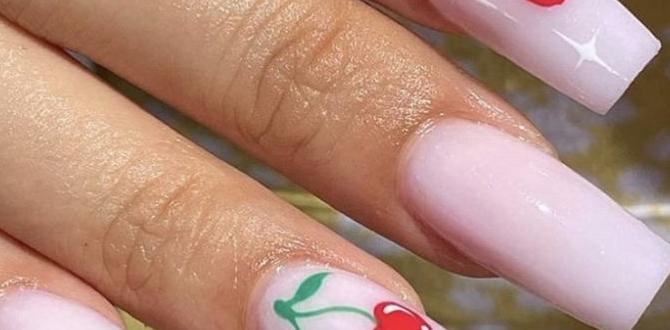
Get ready for dreamy, vibrant Pastel Neon Gradient Nails! This guide breaks down how to create this trendy look with easy steps and essential tips for flawless results, even if you’re a total beginner.
Dreamy Hues: Your Beginner’s Guide to Pastel Neon Gradient Nails
Ever scroll through nail inspo and feel a little intimidated by those seamless, blushing color blends? You’re not alone! Achieving a gorgeous gradient effect, especially with the fun pop of pastel neons, can seem tricky. But trust me, it’s totally doable! These shades are like a happy sigh for your nails, offering a soft yet striking look that’s perfect for any season. Forget complicated techniques; we’re going to demystify the pastel neon gradient, making it your new favorite DIY manicure. Get ready to unlock your inner nail artist and create nails that are as unique and vibrant as you are!
Why Pastel Neon Gradients Are a Must-Try
Pastel neon nails are the perfect blend of soft, dreamy pastels and the energetic vibrancy of neon. They offer a playful yet sophisticated look that’s incredibly versatile. Imagine soft lavenders melting into bright corals, or mint green fading into a subtle peach. It’s a trend that’s both eye-catching and surprisingly wearable. Great for spring and summer, these colors can also add a cheerful pop to any outfit during cooler months. Plus, the gradient effect adds a professional touch, making your nails look artfully done without hours of salon time.
What You’ll Need: Your Pastel Neon Gradient Toolkit
Gathering the right supplies is the first step to nail art success! Don’t worry if you don’t have everything – most of these are easy to find. We’ll focus on what makes these gradients truly pop.
Base Coat: Essential for protecting your natural nails and helping your polish adhere smoothly.
Pastel Neon Nail Polishes: Choose 2-4 colors that complement each other. Think about how they’ll blend. For example, a soft pink, a peachy orange, and a light yellow can create a beautiful sunrise effect.
Cosmetic Sponge or Makeup Sponge: This is your magic wand for blending! A regular kitchen sponge cut into small pieces works great too.
Top Coat: For sealing the design and adding that beautiful glossy shine.
Optional: Glitter Top Coat or Fine Glitter: To add extra sparkle to your gradient.
Clean-up Brush or Cotton Swabs: For tidying up any polish that gets on your skin. A small detail or angled brush works wonders here.
Nail Polish Remover: To clean up mistakes.
Paper Towel or Palette: To dab your polish onto before applying to the sponge.
Gloves (Optional): To keep your fingers clean.
Step-by-Step: Creating Your Pastel Neon Gradient Nails
Let’s dive into the fun part! Follow these simple steps to get those gorgeous, blended nails.
Step 1: Prep Your Canvas (Your Nails!)
Flawless nails start with proper prep. It ensures your polish lasts longer and looks smoother. Start by cleaning your nails. Remove any old polish with a good nail polish remover. Then, gently push back your cuticles using a cuticle pusher. If you need to, trim any hangnails. Shape your nails with a nail file to your desired length and shape. Finally, wipe down your nails with a lint-free cloth and a bit of rubbing alcohol to remove any oils. This makes sure your polish grips well.
Step 2: Apply Your Base Coat
This is a crucial step! Apply one thin layer of your favorite base coat. It protects your nails from staining, especially from vibrant colors like neon polishes, and creates a smooth surface for your colors to adhere to. Let it dry completely. A good base coat is like the primer for a painting – it makes all the difference!
Step 3: Choose Your Colors and Sponge Prep
Pick the 2 to 4 pastel neon colors you want to use. For a classic gradient, you’ll want colors that transition smoothly from one to another. Think about your color story! Lay out a piece of paper towel or a clean palette. Apply stripes of your chosen nail polishes next to each other on the paper towel or palette. Don’t be shy with the polish – you want enough to transfer to the sponge. Next, grab your cosmetic sponge. A slightly damp sponge can sometimes help with smoother blending, but a dry one works perfectly fine too. Many artists prefer to cut their sponge into small, manageable pieces, about 1-2 inches, so they can work on one nail at a time.
Step 4: The Gradient Application
Now for the magic! Gently press the sponge with the polish stripes onto your nail. Start at the base of your nail and roll or dab it upwards toward the tip. You might need to reapply polish to the sponge and repeat the dabbing motion a few times to build up the color and achieve the desired blend. The key is to use a light dabbing or rolling motion rather than a harsh swipe. This transfers the polished stripes onto your nail, creating a soft transition between the colors.
- For a smooth transition: Ensure the colors on your sponge slightly overlap.
- Build color gradually: It’s better to apply a few light coats than one heavy one.
- Reapply polish to the sponge: If your colors start to fade, add more polish to your sponge and continue dabbing.
Step 5: Clean Up Your Edges
Oops! Did some polish get on your skin? Don’t worry, it happens! Grab your clean-up brush or cotton swab. Dip it in nail polish remover, and carefully trace around your nail to clean up any excess polish. This step makes a huge difference in the final look, giving your nails a super polished and professional finish. Take your time here; precision is key for a clean, sharp edge.
Step 6: Apply Top Coat
Once you’re happy with your gradient and all the clean-up is done, it’s time for the top coat! Apply one or two layers of a good quality top coat. This seals your design, prevents chipping, and brings out the beautiful shine of your pastel neon colors. For an extra bit of flair, you can add a glitter top coat over the gradient for some sparkle!
Step 7: Let it Dry Completely
Patience is a virtue, especially with nail art! Make sure your nails are completely dry before doing anything else. This can take a good 15-20 minutes for the layers to fully set. Avoid touching anything with your nails to prevent smudges.
Tips for Pastel Neon Perfection
Want to elevate your gradient game? Here are some pro tips to help you achieve stunning results every time.
- Color Combinations: Don’t be afraid to experiment! Classic combinations include pink-to-orange, blue-to-purple, or yellow-to-green. For a bolder look, try contrasting pastels like a coral and a teal.
- Sponge Choice: Different sponges create slightly different textures. A denser sponge might give a more solid blend, while a porous one provides a lighter, airier effect. Try them out to see what you prefer!
- Polish Consistency: If your polish is too thick, it might be hard to blend. You can add a drop of nail polish thinner (never remover!) to revive old polish.
- Layering is Key: To achieve vibrant, opaque colors, you might need two coats of the gradient on top of each other. Apply thin layers of polish to the sponge for better control.
- One Nail at a Time: Work on one nail at a time, especially when you’re starting. This ensures the polish stays wet enough on the sponge for a good transfer and blend.
- Practice Makes Perfect: Your first attempt might not be salon-perfect, and that’s okay! The more you practice this technique, the better you’ll become at blending and clean-up.
Understanding Nail Polish Ingredients for Health and Longevity
When diving into DIY nail art, it’s good to be aware of what you’re putting on your nails. Many nail polishes are formulated without certain chemicals that can be harsh. For instance, the term “3-Free,” “5-Free,” “7-Free,” and even “10-Free” indicates that the polish is formulated without specific potentially harmful ingredients. “3-Free” typically means no Dibutyl Phthalate (DBP), Toluene, or Formaldehyde. As formulations evolve, more brands offer “10-Free” or higher, excluding additional chemicals like formaldehyde resin, camphor, ethyl tosylamide, xylene, and parabens. Choosing polishes with fewer harsh chemicals can be better for your nail health and can reduce the risk of allergic reactions. Always check the ingredient list if you have sensitivities or concerns. For more information on nail polish ingredients and safety, you can refer to resources from organizations like the U.S. Food and Drug Administration (FDA).
Alternative Gradient Techniques
While the sponge method is popular and effective, there are other ways to achieve a gradient look that might suit your style or available tools.
Alternative Gradient Techniques
| Technique | Description | Best For |
| :————— | :———————————————————————————— | :————————————————————————— |
| Sponge Method | Applying polish stripes to a sponge and dabbing onto the nail for blending. | Beginners, achieving soft, diffused gradients, pastel neons, and glitter effects. |
| Brush Method | Using a clean-up brush or fan brush to blend wet polish directly on the nail. | Achieving sharp lines, more control over placement, metallic or holographic finishes. |
| Airbrush Method| Using an airbrush tool to spray fine mist of polish for a seamless blend. | Advanced users, achieving ultra-smooth, flawless transitions, professional looks. |
| Striping Tape | Applying tape to create distinct color blocks that are then blended or layered. | Geometric designs, sharp color transitions, creating defined sections. |
The Brush Blending Method
For a different kind of control, try blending directly on the nail!
Step 1: Prep and Base Coat
Start with clean, prepped nails and a base coat, just like the sponge method. Let it dry completely.
Step 2: Apply Colors
Apply your chosen pastel neon polishes in stripes directly onto your nail. You can apply them side-by-side or in layers, depending on the look you want. Don’t worry if they look messy; the blending will fix that.
Step 3: Blend with a Brush
Immediately, before the polish dries, take a clean-up brush that has been slightly* dampened with nail polish remover (wipe off the excess remover on a paper towel so it’s just barely damp). Gently dab and swirl the brush where the colors meet to blend them together. Work quickly!
Step 4: Clean Up and Top Coat
Clean up any polish on your skin with your brush. Then, apply a top coat to seal the gradient and add shine.
This method offers a lot of control but requires working fast before the polish sets.
Maintaining Your Pastel Neon Gradient Nails
To keep your vibrant nails looking fresh and fabulous, follow these simple maintenance tips:
- Wear Gloves: Always wear gloves when doing chores, especially washing dishes or cleaning. Chemicals and prolonged water exposure can chip your polish and dull the colors.
- Touch-Up as Needed: If you notice any small chips, you can often touch them up with a bit of the corresponding polish color and a tiny brush.
- Moisturize: Keep your hands and cuticles hydrated. Dry cuticles can make any manicure look less polished. Use a good cuticle oil daily.
- Avoid Harsh Chemicals: Try to minimize contact with strong cleaning supplies or acetone-based products (other than for removal) as they can break down the polish.
Troubleshooting Common Gradient Nail Issues
Even with the best intentions, sometimes things don’t go as planned. Here are some common issues and how to fix them:
| Problem | Solution |
|---|---|
| Sponge marks are too visible | Apply another light layer of polish to the sponge and dab gently. A top coat can also help smooth out minor imperfections. |
| Colors aren’t blending well | Ensure you’re using enough polish on the sponge and dabbing with enough pressure. You might need to reapply polish to the sponge more often. For a brush method, ensure the polish is still wet and blend more thoroughly. |
| Polish is chipping quickly | Make sure your nails were properly prepped (cleaned and oil-free), you used a base coat, and sealed everything with a good top coat. Reapply top coat every 2-3 days. |
| Gradient looks too muddy or dark | Try using lighter, more sheer pastel shades. Also, ensure you’re not over-blending. Sometimes, less is more! Building color in thin layers also helps maintain vibrancy. |
| Clean-up is messy | Use a small, fine-tipped brush for clean-up. Dip it in nail polish remover, wipe off the excess on a paper towel, and then carefully outline your nail. Alternatively, apply a liquid latex around your nails before painting to create a barrier that peels off easily. |
Frequently Asked Questions About Pastel Neon Gradient Nails
Q1: Can I do pastel neon gradients with regular nail polish, or do I need special gel polish?
A1: You can absolutely do pastel neon gradients with regular nail polish! The sponge technique (or brush method) works well with both regular and gel polishes. For regular polish, just be sure to let each layer dry sufficiently before the next, and seal with a good top coat.
Q2: How many colors should I use for a pastel neon gradient?
A2: For beginners, starting with two or three colors is easiest. Two colors create a simple blend, while three allow for a more complex, multi-tonal effect. Most artists use between 2 to 4 colors.
Q3: What’s the best way to clean up polish mistakes?
A3: The easiest way is to use a small, angled or detail brush dipped in nail polish remover. Wipe off excess remover on a paper towel first so the brush is only slightly damp. Then, carefully trace around your nail edge to remove stray polish. Cotton swabs can also work, but brushes offer more precision.
Q4: Will pastel neon colors stain my natural nails?
A4: Neon colors, especially vibrant ones, can sometimes cause staining. Always start with a good quality base coat to protect your nails. If you do notice slight staining after removal, a nail polish that contains whitening agents or a gentle nail bleach might help, or a soak in hydrogen peroxide and baking soda.
Q5: How long should the sponge with polish sit on the nail? Do I press hard?
A5: You don’t need to press hard! A gentle dabbing or rolling motion is best. The polish transfers quickly, so you only need to hold it on the nail for a second or two. The key is to build the color gradually with multiple light dabs rather than one heavy press.
Q6: Can I add glitter to my pastel neon gradient?
A6: Absolutely! Glitter is a fantastic addition. You can either apply a glitter polish over the dried gradient for a uniform sparkle, or strategically place larger glitter pieces on the nail for a more ombré glitter effect. Some people