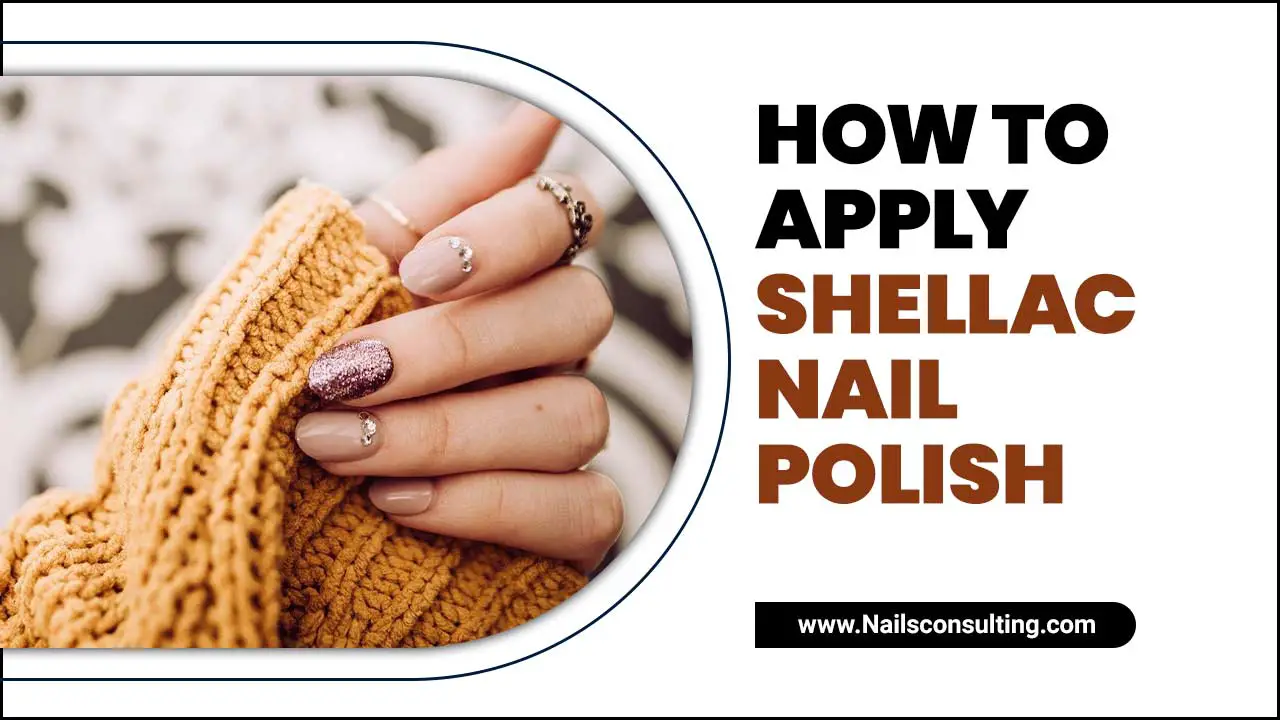
Unlock stunning nail designs with nail tape! This guide shows beginners how to master nail tape for creating crisp lines, geometric patterns, and French tips like a pro. It’s an essential tool for easy, salon-worthy manicures at home.
Hey nail lovers, Lisa Drew here from Nailerguy! Are you dreaming of French tips so sharp they could cut glass? Or maybe geometric patterns that look like tiny works of art? Sometimes, creating those clean lines can feel like solving a puzzle. But what if I told you there’s a secret weapon that makes these designs super simple? It’s called nail tape, and it’s an absolute game-changer for anyone who loves fun, polished nails. You don’t need to be a pro to get amazing results. Let’s dive into how this genius little tool can elevate your at-home manicures from basic to brilliant, step-by-step!
What is Nail Tape and Why is it Essential?
Nail tape, often called striping tape, is a thin, adhesive tape specifically designed for nail art. It typically comes in rolls and is available in various colors, though silver and gold are the most popular. Its magic lies in its ability to create incredibly precise, straight lines and sharp geometric shapes that are notoriously difficult to achieve freehand. Imagine crisp divides between colors, perfectly straight French tips, or intricate patterns that look professionally done. That’s the power of nail tape!
It’s essential for a few key reasons:
- Precision: It guarantees clean, sharp lines every single time.
- Ease of Use: Even beginners can achieve complex designs with minimal practice.
- Versatility: It can be used with any nail polish or gel polish.
- Time-Saving: It often speeds up the design process for intricate patterns.
- Cost-Effective: It’s a budget-friendly way to create salon-quality nail art at home.
Getting Started: Your Nail Tape Toolkit
Before we get our hands (and nails!) dirty, let’s gather what you’ll need. Don’t worry, it’s a short and sweet list, and most of these items are probably already in your nail polish stash!
Essential Tools for Nail Tape Designs:
- Nail Polish: Your base color(s) and the color for your design.
- Nail Tape: The star of the show! Choose your preferred color(s).
- Top Coat: To seal and protect your design.
- Base Coat: To protect your natural nails and help polish adhere.
- Nail Polish Remover & Cotton Pads: For cleanup mistakes.
- Tweezers: Especially helpful for picking up and placing the tape precisely.
- Cuticle Pusher or Orange Stick: To press down the tape firmly.
- Scissors or Nail Art Clippers: To cut the tape to size.
Having a good pair of fine-tipped tweezers can make a huge difference in handling the delicate tape. It’s like having tiny tweezers for your tiny art! Precision is key here.
Step-by-Step: Achieving Genius Nail Designs with Nail Tape
Ready to transform your nails? Let’s get started with the most popular and achievable nail tape designs. We’ll cover the classic French tip and a simple geometric pattern to get you comfortable.
Design 1: Crisp French Tips
The French manicure is timeless, but achieving that perfect smile line can be tricky. Nail tape makes it a breeze!
- Prep Your Nails: Start with clean, dry nails. Apply a base coat and let it dry completely.
- Apply Your Base Color: Paint your nails with a sheer nude, pink, or any color you like for the base. Let this dry thoroughly. A truly dry base is crucial so it doesn’t peel when you remove the tape.
- Apply the Nail Tape: Cut a piece of nail tape that is slightly longer than the width of your nail. Carefully peel it and place it across your nail, about 2-3 mm from the tip. Use your cuticle pusher or orange stick to firmly press down the edges of the tape, all the way to the sides and the tip of your nail. This is vital to prevent polish bleeding underneath.
- Apply Your Tip Color: Paint the tip of your nail (the part above the tape) with your chosen tip color (usually white or a contrasting color). Apply one or two thin coats, ensuring it dries a bit between coats.
- The Big Reveal: While the tip color is still slightly tacky (not fully dry), carefully and slowly peel off the nail tape using tweezers or by gently lifting an edge. If you wait too long for it to dry completely, you risk chipping the polish or pulling it off with the tape.
- Clean Up: Use a small brush dipped in nail polish remover to clean up any tiny smudges or mistakes along the cuticle line.
- Seal the Deal: Once the polish is dry, apply a generous layer of top coat to seal your design and add shine.
Design 2: Simple Geometric Lines
Geometric patterns look super modern and chic, and nail tape is perfect for creating them.
- Prep and Base Coat: As always, start with clean nails, a base coat, and let them dry completely.
- Apply Your First Color: Paint your nails with your desired base color. Let this dry completely. We’re talking bone dry!
- Apply Nail Tape Strategically: Cut pieces of nail tape and lay them down on your nail to create the sections for your pattern. For a simple chevron, you might place two pieces at an angle. For a blocked look, lay them straight across. Press down all edges firmly with your cuticle pusher.
- Paint the Sections: Paint the exposed sections of your nail with your contrasting color(s). Be careful not to get polish on the tape itself. If you’re using multiple colors, paint one section, let it dry slightly, and then apply the tape over that dried color to section off the next area. This prevents colors from bleeding against each other.
- Remove the Tape: Just like with the French tip, carefully peel off the tape while the last applied polish is still a bit tacky. Peel slowly and at an angle away from your design.
- Clean and Seal: Clean up any edges and apply a good layer of top coat to protect your beautiful geometric artwork!
Advanced Nail Tape Techniques and Tips
Once you’ve mastered the basics, you can experiment with more complex designs. Here are some tips to level up your nail tape game:
Creating Negative Space Designs
Negative space is a trendy element in nail art where parts of the natural nail are left uncovered. Nail tape is perfect for this!
- Apply a clear or sheer base coat and let it dry.
- Place nail tape on the nail in your desired pattern (e.g., stripes, a triangle).
- Paint over the entire nail with your main polish color.
- While the main color is still wet, carefully peel off the tape. This pulls the wet polish away from the taped areas, leaving the natural nail showing through.
- Let it dry fully, then apply a clear top coat over the entire nail – the exposed natural nail and the colored polish.
Layering Tape for Intricate Patterns
You can build amazing complexity by layering tape. The key is letting each layer of polish dry completely before adding more tape or polish.
- Start with a dry base color.
- Apply tape to create your first design. Paint over it.
- Once that paint is completely dry, carefully remove the first layer of tape.
- Now, apply a new layer of tape over your dried design, creating a new pattern.
- Paint again.
- Repeat the tape removal and application process for as many layers as you desire. Always ensure polish is fully dry before touching or applying more tape. This layered approach can create stunning dimensional effects.
Using Colored or Glitter Nail Tape
Don’t limit yourself to silver or gold! Colored and glitter nail tapes can add another dimension to your designs.
- Colored Tape: Use colored tape to create multi-colored stripes or blocks without needing multiple polish applications. Simply lay down different colored tapes next to each other to create a striped effect.
- Glitter Tape: Glitter tapes are fantastic for adding a touch of sparkle along nail edges, as a border for a French tip, or as a standalone accent. They are a quick way to add glamour without the mess of loose glitter.
Nail Tape vs. Other Nail Art Tools
You might be wondering how nail tape stacks up against other popular nail art tools. Let’s compare:
| Tool | Pros | Cons | Best For |
|---|---|---|---|
| Nail Tape | Extremely precise lines and shapes. Easy for beginners. Versatile. Minimal mess. | Requires careful application and removal. Can sometimes lift polish if removed incorrectly. | Geometric patterns, French tips, striped designs, negative space. |
| Stencils | Good for specific shapes (like dots, stars) and French tips. Reusable options. | Can be tricky to position perfectly. May not adhere well to curved nails. Polish can bleed under edges. | Repeating specific shapes, French tip guides. |
| Dotting Tools | Easy to create dots of various sizes. Good for flowers and polka dots. | Not suitable for lines or complex shapes. Requires practice for even dots. | Polka dots, simple floral designs, creating texture. |
| Nail Art Brushes | Ultimate control for freehand designs. Can create fine lines, swirls, and detailed art. | Requires significant skill and practice. Can be messy. | Complex freehand designs, illustrations, intricate details. |
Nail tape offers a unique advantage for straight lines and sharp edges. While brushes give endless creative freedom, they demand a steady hand. Stencils can be great for specific designs but often lack the crispness that tape provides. For beginners aiming for precision and clean finishes, nail tape is often the most user-friendly and essential tool.
Troubleshooting Common Nail Tape Issues
Even the best nail artists run into snags! If you encounter any problems, here are some quick fixes:
- Polish Bleeding Under the Tape: This almost always means the tape wasn’t pressed down firmly enough along all edges. Go over the tape edges with your cuticle pusher or orange stick before applying polish. Ensure there are no lifting edges. Also, make sure your base color is completely dry.
- Tape Lifting the Polish When Removing: You waited too long to remove the tape. Try removing it when the polish is still slightly tacky, not fully set. Also, when peeling, lift slowly and at an angle away from the design, not straight up.
- Tape Sticking to Itself or Being Difficult to Apply: Work in small sections. Cut only the length of tape you need for one nail at a time. Use tweezers to handle the end and carefully guide it into place.
- Tape Not Sticking Well: Ensure your nail surface is completely clean and free of oils or lotions. If using gel polish, make sure the gel surface is properly prepped according to the manufacturer’s instructions. Some very old or dried-out tapes might lose their adhesive quality.
Remember, practice makes perfect! Every time you do your nails, you’ll get a better feel for handling the tape and achieving your desired look.
Caring for Your Nail Tape Designs
Once your masterpiece is complete, proper care will ensure it lasts. A good top coat is your best friend here. It acts as a barrier against chips and wear. Avoid using your nails as tools – don’t peel stickers, open packages, or scratch things. If you tend to be rough with your hands, consider wearing gloves when doing chores. This simple habit can significantly extend the life of any manicure, especially detailed designs.
For those who like to take photos of their dazzling nails (and who doesn’t!), make sure you have good lighting. Natural light is often best for showing off the true colors and details of your nail tape designs. A quick tip for longevity with gel polish: ensure you cure each layer fully according to your lamp’s instructions, and use a quality gel top coat.
Frequently Asked Questions About Nail Tape Designs
Q1: Can I use regular Scotch tape or masking tape on my nails?
While you can, regular tapes are not ideal. They are thicker, have a stronger adhesive that can damage your nails, and don’t conform well to the nail’s curve, leading to bleeds. Nail tape is thin, flexible, and its adhesive is designed for polish.
Q2: How do I store my nail tape rolls?
Keep them in a cool, dry place, away from direct sunlight. Many people store them in a small drawer or a nail art supply case to keep them protected. Ensure the roll is closed properly so the tape doesn’t get dusty or kinked.
Q3: What’s the best way to cut nail tape?
Use sharp nail scissors or dedicated nail art clippers. You can also use a craft blade for very precise cuts, but be extremely careful. For simple straight cuts, good scissors will do wonderfully.
Q4: My nail tape comes off too easily. What am I doing wrong?
Ensure your nail polish or gel polish is completely dry before applying the tape. If you’re applying tape over wet polish, it won’t adhere properly. Also, pressing down the edges firmly is crucial for a good seal.
Q5: Can I use nail tape with gel polish?
Absolutely! Nail tape works wonderfully with gel polish. Just remember to cure each layer of gel polish as directed, and ensure your base gel color is fully cured and wiped if necessary (depending on your gel system) before applying the tape.
Q6: How do I remove nail tape designs if I make a mistake?
If the polish is still wet, gently try to peel off the tape and start that section again. If the polish is mostly dry, carefully remove the tape and use a small brush dipped in nail polish remover to clean up the edges. Sometimes, a full re-do is necessary, but a little cleanup can often save a design!
Q7: Can nail tape be used on acrylic or gel extensions?
Yes, nail tape is excellent for accentuating designs on acrylic or gel extensions. The principles are the same: ensure the surface is clean and dry (or properly cured for gel extensions) before applying the tape.
Conclusion: Your Go-To Tool for Flawless Nail Art
Nail design using nail tape truly is a genius and essential technique for anyone looking to up their nail art game. It demystifies complex designs, empowering beginners to create eye-catching patterns with confidence. From the perfect crisp French tip to sharp geometric patterns and even delicate negative space creations, nail tape offers unparalleled precision and ease. By stocking up on this simple yet powerful tool and following these steps, you’ll be well on your way to achieving salon-worthy manicures in the comfort of your own home. So grab your favorite polish, your roll of nail tape, and let your creativity shine. Happy nailing!