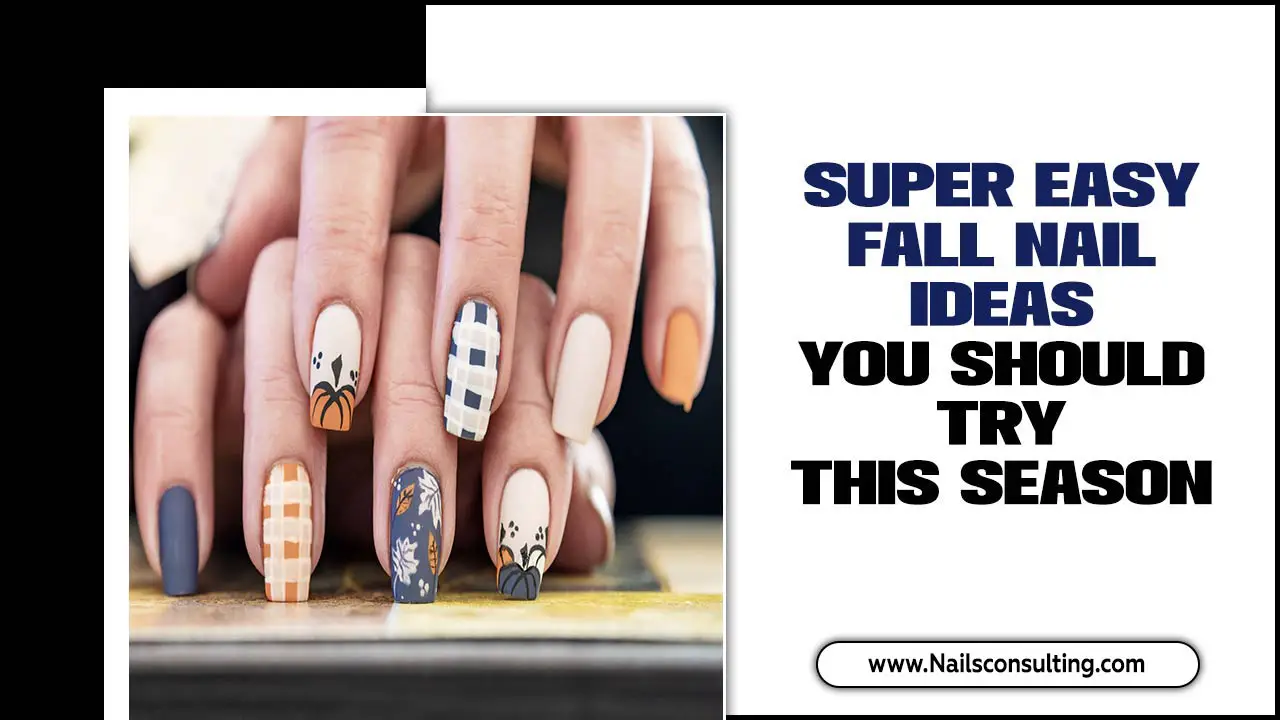
Unlock stunning nail art with acrylic paint! This guide shows you how easy it is to create beautiful designs on your nails, even if you’re a total beginner. Discover simple techniques, essential tools, and tips to make your manicure dreams a reality. Get ready to express your creativity and achieve salon-worthy looks at home!
Hey nail art lovers! Are you dreaming of intricate designs and vibrant patterns on your nails but feel intimidated by the thought of complex techniques? You’re not alone! Many of us admire stunning nail art but worry it’s too difficult to achieve at home. The good news? With acrylic paints, creating beautiful nail designs is surprisingly simple and incredibly fun! Forget expensive salon visits or tricky gel polishes; acrylic paint is your secret weapon for effortless creativity right at your fingertips. In this guide, we’ll break down everything you need to know, from gathering your supplies to perfecting your first masterpiece. Get ready to transform your nails into tiny canvases!
Why Acrylic Paint is Your New Best Friend for Nail Art
Acrylic paints are a game-changer for DIY nail art, and for good reason! They offer a unique blend of accessibility, versatility, and vibrant results that makes them ideal for beginners and seasoned artists alike. Unlike traditional nail polish, acrylics dry relatively quickly but give you enough working time to blend colors and adjust your designs. Plus, they come in a rainbow of colors, allowing for endless creative possibilities!
One of the biggest advantages of using acrylic paint for nail design is its forgiving nature. If you make a mistake, you can often wipe it away with a damp brush or cotton swab before it fully dries. This is a huge confidence booster for beginners who are still developing their fine motor skills for intricate work. Think of it like drawing or painting on paper – you have a little wiggle room to perfect your lines and shapes.
Furthermore, acrylic paints adhere well to a sealed nail surface, whether it’s natural or artificial. Once your design is complete and sealed with a top coat, it’s surprisingly durable. This makes acrylics a fantastic choice for creating long-lasting, custom nail art that doesn’t chip or fade easily, giving you that polished look for days.
Getting Started: Your Acrylic Nail Art Supply List
Before we dive into the fun designs, let’s make sure you have the right tools. Don’t worry, you don’t need to break the bank! The basics are quite affordable and readily available. Think of this as building your own mini nail art studio.
Essential Tools for Your Acrylic Nail Paint Adventure:
- Acrylic Paints: Look for non-toxic, craft-grade acrylic paints. You can buy individual colors or a handy multi-color set.
- Detail Brushes: A few fine-tipped brushes are crucial for precise lines and details. A set designed for nail art or model painting is perfect.
- Water Cup: You’ll need this to rinse your brushes between colors and to thin paints if necessary.
- Paper Towels or Palette: To hold your paints and to wipe excess water from your brushes.
- Top Coat: A good quality, non-smudge top coat is essential to seal your design and add shine.
- Base Coat: Always start with a base coat to protect your natural nails and help polish adhere better.
- Cotton Swabs & Rubbing Alcohol: For cleaning up any stray marks or mistakes.
- Optional: Dotting Tools: These are great for creating uniform dots and small circular designs.
- Optional: Clear Nail Polish for “Wet Look”: Sometimes, a tiny dab of clear polish can help blend edges or add a translucent effect.
You can find most of these items at craft stores, beauty supply stores, or online retailers like Amazon. Starting with a few key colors and a couple of good brushes is more than enough for your first few designs!
Preparing Your Nails for Acrylic Artistry
Just like any great painting, a smooth and clean canvas is key! Proper nail preparation ensures your acrylic designs will look their best and last longer. Follow these simple steps:
- Clean and Exfoliate: Wash your hands thoroughly and gently buff away any dead skin around your nail beds.
- Shape Your Nails: File your nails to your desired shape. Smooth edges are best for paint application.
- Push Back Cuticles: Gently push back your cuticles with an orange stick or cuticle pusher. This gives you more surface area to work with and a cleaner look.
- Buff Gently: Lightly buff the surface of your nails to create a smooth, slightly porous surface for the polish and paint to adhere to. Don’t over-buff, as this can weaken your nails.
- Apply Base Coat: This is a crucial step! Apply a thin, even layer of base coat and let it dry completely. This protects your nails from staining and creates a smooth, even surface for your design.
A well-prepared nail is the foundation of fantastic nail art. Taking these few extra minutes will make a world of difference in the final result and the longevity of your design.
Effortless Acrylic Nail Design Techniques for Beginners
Ready to unleash your inner artist? These techniques are super simple and produce stunning results. Let’s get painting!
1. The Dotted Delight: Easy Polka Dots
Polka dots are a classic for a reason – they’re fun, versatile, and incredibly easy to create with acrylics.
How to Create Dotted Nails:
- Choose your colors: Pick a base color and one or two accent colors for your dots.
- Paint your base: Apply your chosen base color to all nails and let it dry completely. A second coat might be needed for full opacity.
- Get dotting: Dip the tip of a detail brush or a dotting tool into your accent acrylic paint.
- Apply dots: Gently touch the tip to your nail to create a dot. You can vary the size by using more or less paint.
- Create patterns: Space dots evenly, randomly, or create a gradient effect. You can use one color or multiple colors for a playful look.
- Seal the deal: Once completely dry, apply a layer of top coat to seal your adorable dots.
Pro Tip: If your dots aren’t perfectly round, don’t worry! A slightly uneven look can add to the charm. For super uniform dots, use a dotting tool with a consistent ball size.
2. Simple Stripes: Chic Lines and Geometric Patterns
Stripes can add a touch of sophistication to any manicure. With a fine-tipped brush, you can create elegant vertical, horizontal, or diagonal lines.
How to Create Striped Nails:
- Apply base color: Paint your nails with a solid base color and let it dry fully.
- Load your brush: Dip your fine-tipped brush into your chosen accent color. You want enough paint for a smooth line but not so much that it blobs.
- Draw the line: Gently glide the brush across the nail to create a straight line. Start with short strokes if needed, then connect them.
- Experiment with patterns: Try thin lines, thick lines, alternating colors, or angled stripes for a dynamic look.
- Clean up mistakes: Use a cotton swab dipped in rubbing alcohol to gently clean up any wobbly lines before they dry.
- Finish with top coat: Once all lines are dry, apply a clear top coat.
Pro Tip: For perfectly straight lines without freehanding, you can use striping tape. Apply the tape after your base color is dry, paint over it, and carefully peel the tape away while the paint is still slightly wet for crisp edges.
3. Gradient/Ombre Magic: Seamless Color Transitions
Achieve a beautiful, blended effect that looks intricate but is surprisingly easy with acrylics. This technique creates a smooth transition from one color to another.
How to Create Gradient Nails:
- Base color: Paint your nails with a light, sheer color or just a clear base coat. White or nude works well as a base for vibrant gradients.
- Choose your colors: Select 2-3 colors that blend well together.
- Apply to sponge: Use a makeup sponge or a cosmetic sponge applicator. Apply stripes of your chosen colors directly onto the sponge, side-by-side.
- Dab onto nail: Lightly dab the sponge onto your nail, starting from where you want the darkest color and working upwards. Reapply paint to the sponge as needed.
- Repeat and blend: Repeat the dabbing process, layering colors to build intensity and blend them. A fine brush dipped in alcohol can help soften the lines where colors meet if needed.
- Clean edges: Use a small brush dipped in rubbing alcohol or polish remover to clean up any excess color around your cuticle and nail edges.
- Top coat: Once dry, apply a generous layer of top coat to smooth out the textured sponge finish and bring out the shine.
Pro Tip: A thin layer of petroleum jelly (like Vaseline) around your cuticle area can help prevent the sponge from staining your skin. You can wipe it off once the design is done.
4. Abstract Swirls and Blooms: Free-Flowing Designs
Let your creativity run wild with abstract designs! Swirls and floral-like shapes are perfect for beginners because they don’t need to be perfectly precise. The “messier,” the more artistic they can look!
Creating Abstract Designs:
- Start with a base: Apply your favorite solid color or a simple gradient.
- Mix your paint: You can use a drop of water to slightly thin your acrylic paint, making it easier to flow from your brush.
- Freehand it: Load your fine brush with paint. Start by drawing simple curves, loops, or petal-like shapes on your nail.
- Layer and combine: Use different colors and brush strokes. Overlap shapes, create swirls that intertwine, or add small dots to fill in gaps.
- Embrace imperfection: The beauty of abstract art is its unique, unplanned look. Don’t stress about perfection!
- Seal it: Apply a protective top coat once everything is dry.
Pro Tip: For a softer look, use a slightly damp brush to gently blend the edges of your painted shapes while they are still a bit wet. This creates a more diffused, watercolor-like effect.
Table: Acrylic Paint vs. Nail Polish for Nail Art
Choosing the right medium can make all the difference. Here’s a quick comparison to help you decide when to reach for acrylic paint versus traditional nail polish for your nail art projects:
| Feature | Acrylic Paint | Nail Polish |
|---|---|---|
| Drying Time | Dries relatively fast, but offers more working time for blending and corrections before fully setting. | Dries quickly, making quick application easy but blending or corrections difficult once applied. |
| Opacity & Vibrancy | Highly pigmented and opaque, offering vibrant, true-to-color results. Easily layered. | Varies widely; some are sheer, others opaque. Can require multiple coats for full coverage. |
| Workability & Corrections | Can be reactivated with water while wet, allowing for easy cleanup and blending. Good for fine details. | Once applied, it’s difficult to adjust without affecting the finish. Mistakes are harder to fix. |
| Medium | Water-based, non-toxic craft paint. Requires sealing with a top coat. | Comes in various finishes and formulations. Self-leveling to some extent. |
| Best For | Detailed designs, intricate patterns, bold colors, blending, learning fine motor skills. | Solid colors, simple designs (like basic dots/lines after practice), glossy finishes. |
| Water Resistance | Generally water-resistant once dry and sealed with a top coat. | Water-resistant once fully cured, but can be affected by prolonged exposure to water. |
Tips and Tricks for Flawless Acrylic Nail Designs
Mastering any new skill takes a little practice and a lot of good advice! Here are some pro tips to help your acrylic nail art journey be as smooth and successful as possible:
- Keep your brushes clean: Always rinse your brushes thoroughly after using each color and before switching to another. Dried acrylic paint can ruin your brushes.
- Control your paint consistency: Too much water can make your paint too sheer and difficult to control. Too little, and it can be clumpy. Experiment to find the right balance for different effects. A drop of water is usually enough to thin craft acrylics for nail art.
- Work in thin layers: It’s better to build up color coverage with multiple thin layers rather than one thick, gloppy layer. This helps prevent smudging and ensures a smoother finish.
- Take breaks: Don’t try to do your entire hand at once if you’re just starting. Focus on one or two nails at a time, let them dry, and then move on.
- Practice makes perfect: Your first few attempts might not be salon-perfect, and that’s totally okay! Practice on paper or even nail tips first to get a feel for the brushes and paint.
- Seal it all up: Always finish with a good quality top coat. This protects your artwork and gives it a glossy, finished look. Make sure your acrylic design is completely dry before applying the top coat to avoid smudging.
- Don’t be afraid to use different tools: Toothpicks, bobby pins, and even the end of a pen can be used to create dots and small details if you don’t have dotting tools.
For more on keeping your tools in top condition, check out resources on maintaining art supplies. Proper care ensures they’re ready for your next creative session!
Troubleshooting Common Acrylic Nail Design Issues
Even with the best intentions, sometimes things don’t go exactly as planned. Here are some common hiccups and how to fix them:
Issue: Smudged Design
Cause: Trying to apply the top coat too soon, or brushing too heavily over a freshly painted area. Acrylic paint can take a little longer to fully cure than nail polish.
Solution: Always ensure your acrylic design is completely dry before applying top coat. For thick designs, let them set for a few minutes. When applying top coat, use long, gentle strokes and avoid going over the same spot repeatedly. If you smudge a small area, you might be able to carefully touch it up with a fine brush once it dries a bit more, then reapply top coat.
Issue: Streaky Lines or Dots
Cause: Not enough paint on your brush, or the paint is too thin/watery.
Solution: Try loading your brush with a slightly thicker consistency of paint. Ensure you’re using enough paint on the brush to create a solid line or dot in one go. If the paint is too thin, it will be sheer and patchy. Adjust your water-to-paint ratio—you want it smooth and creamy, not watery.
Issue: Paint Not Sticking or Peeling
Cause: The nail surface wasn’t properly prepared, or the paint wasn’t sealed properly.
Solution: Make sure you’ve buffed your nails gently and applied a good base coat. Ensure the design is utterly dry before sealing. For acrylics, a quality top coat is essential for adhesion and longevity.
Issue: Brushes Getting Gunked Up
Cause: Not cleaning brushes immediately after use, or letting paint dry on the bristles.
Solution: Rinse your brushes thoroughly with water every time you switch colors or stop painting. After you’re finished, wash them gently with a bit of soap and water, reshape them, and let them dry flat or bristles-up. A brush cleaner solution can also help revive stubborn brushes.
Frequently Asked Questions About Acrylic Nail Design
Q1: Can I use any acrylic paint for nail art?
A1: It’s best to use non-toxic, craft-grade acrylic paints. While art-quality acrylics are vibrant, craft paints are often formulated for easier use and are readily available. Always ensure they are labeled non-toxic.
Q2: Do I need a special top coat for acrylic nail designs?
A2: A good quality, clear, chip-resistant top coat is essential. Look for one that is formulated not to smudge or react with other mediums. Most standard gel or regular top coats will work well once the acrylic paint is completely dry.
Q3: How long do acrylic nail designs last?