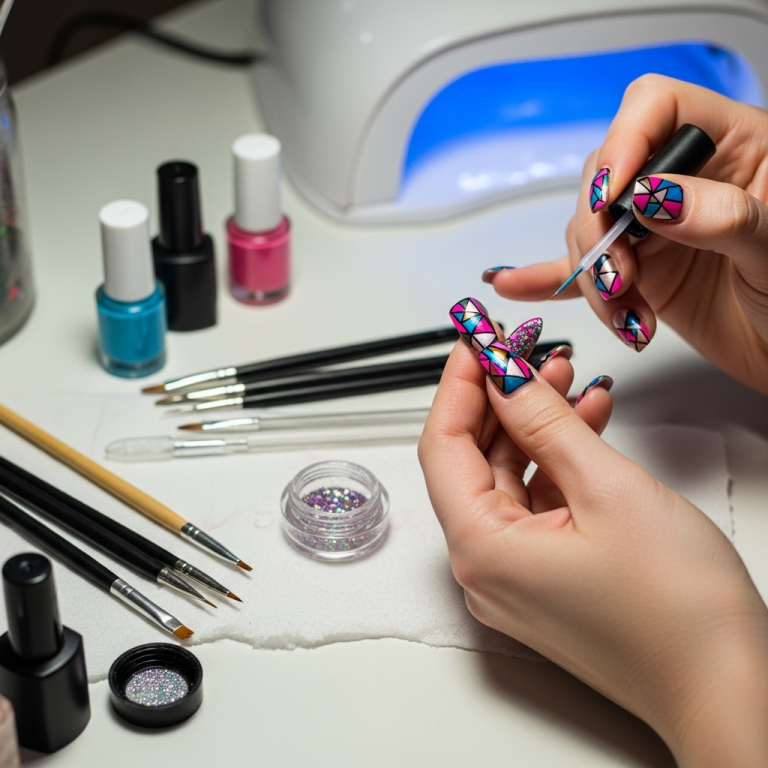
Nail design with pastel tones offers a soft, dreamy, and sophisticated look perfect for any occasion. This guide provides a beginner-friendly approach to creating beautiful pastel manicures, covering essential colors, simple techniques, and care tips to achieve flawless, chic results that express your personal style.
Dreaming of a manicure that whispers elegance and charm? Pastel nail designs are your answer! Think soft blues, gentle pinks, airy lavenders, and creamy mints. These lovely hues create a look that’s both sweet and stylish, making them a favorite for spring, summer, or anytime you want a touch of delicate beauty. Feeling a bit overwhelmed about where to start with these delicate shades? Don’t worry! This guide will walk you through everything you need to know, from picking your perfect pastels to creating simple yet stunning designs. Get ready to create a truly enchanting nail look that you’ll adore!
Why Pastel Nail Designs Are a Touch of Magic
Pastel nail designs are incredibly versatile. They can be subtle and sophisticated for work, playful and sweet for a weekend outing, or even chic and modern for a night out. Their gentle nature complements almost any outfit and skin tone, making them universally flattering. Unlike bold, bright colors, pastels offer a softer impact that still makes a statement. They’re perfect for those who love color but prefer a more understated approach. Plus, they evoke feelings of calm, serenity, and a touch of whimsy – who wouldn’t want that on their fingertips?
Choosing Your Perfect Pastel Palette
The beauty of pastels lies in their variety. From the palest blush pink to a whisper of mint green, there’s a shade for everyone. When building your pastel collection, consider these popular and versatile options that work beautifully together:
- Baby Pink: A timeless classic, offering sweetness and femininity.
- Powder Blue: Evokes a sense of calm and serenity, reminiscent of a clear sky.
- Lavender/Lilac: Adds a touch of royalty and a hint of mystery.
- Mint Green: Fresh, clean, and revitalizing, perfect for a spring vibe.
- Peach/Coral: A warm and inviting hue that brings a soft glow.
- Butter Yellow: Cheerful and bright, without being overpowering.
- Creamy White: A soft alternative to stark white, providing a clean base or a subtle accent.
When picking shades, look for polishes that have a milky or opaque finish. These tend to have better coverage and translate the pastel effect beautifully. Don’t be afraid to mix and match! A gradient of blues and pinks, or a combination of lavender and mint, can create a stunning, multi-dimensional look.
Essential Tools for Your Pastel Nail Journey
You don’t need a professional salon to create beautiful pastel nail designs. With a few basic tools, you can achieve salon-worthy results right at home. Here’s what you’ll want to have on hand:
| Tool | Purpose | Beginner Tip |
|---|---|---|
| Nail File and Buffer | To shape and smooth your nails, creating a perfect canvas. | Use a fine-grit file and a smooth buffer for gentle shaping. |
| Base Coat | Protects your natural nails from staining and helps polish adhere better. | Always apply a thin, even layer. |
| Pastel Nail Polishes | Your chosen colors! | Start with 2-3 shades to experiment. |
| Top Coat | Adds shine, protects your design, and extends wear. | Look for a quick-dry formula if you’re in a hurry. |
| Dotting Tools or Toothpicks | For creating small dots and simple patterns. | A simple toothpick can be surprisingly effective! |
| Thin Nail Art Brush | For drawing lines, swirls, or filling in small areas. | Clean it thoroughly after each use. |
| Cotton Pads & Nail Polish Remover | For cleanup and correcting mistakes. | Keep a steady hand for precise cleanup. |
| Cuticle Pusher/Orange Stick | To gently push back cuticles for a neat finish. | Be very gentle to avoid damage. |
Step-by-Step: Creating Simple Pastel Nail Designs
Let’s dive into some fun and easy pastel nail designs that even beginners can master. These techniques require minimal skill but deliver maximum impact!
1. The Effortless Pastel Gradient (Ombre)
This technique creates a beautiful blend of colors, giving your nails a seamless, watercolor-like effect. It looks chic and is deceptively simple to achieve!
- Prep Your Nails: Start with clean, filed, and buffed nails. Apply a thin layer of base coat and let it dry completely.
- Choose Your Colors: Select 2-3 pastel shades that complement each other (e.g., baby pink, peach, and a soft coral).
- Apply the Polish: Paint your first pastel color onto a makeup sponge, spreading it horizontally in stripes corresponding to how you want them to blend on your nail. For example, if you want pink at the cuticle and peach at the tip, put pink at the bottom of the sponge stripe and peach above it.
- Stamp the Color: Gently press the sponge onto your nail, starting from the cuticle and rolling it slightly towards the tip. You might need to dab it a few times to get good color transfer.
- Repeat and Blend: Apply a second layer of polish to the sponge and repeat the stamping process for more intense color. You can also use a clean section of the sponge to gently blend the edges where the colors meet.
- Clean Up the Edges: Use a small brush dipped in nail polish remover to carefully clean up any polish that got on your skin around the nail.
- Add a Top Coat: Once the polish is dry, apply a generous layer of top coat. This will smooth out any texture from the sponge and seal your gradient design.
Pro Tip: If the sponge technique feels tricky, you can also achieve a gradient by layering polishes in slightly different shades on your nail, then using a clean brush to gently blend the edges while the polish is still wet.
2. Dotted Delight
Dots are a classic for a reason! They add a playful touch and can be as simple or as intricate as you like.
- Base Coat: Apply your favorite pastel polish as a base color and let it dry completely.
- Prepare Your Dotting Tool: Dip the tip of your dotting tool (or a toothpick) into a contrasting pastel polish.
- Start Dotting: Gently touch the tip of the tool to your nail to create a dot. You can make them all the same size or vary them for a more organic look.
- Design Ideas:
- Full Nail Dots: Cover your entire nail with evenly spaced dots.
- Accent Dots: Place a few strategically placed dots on one or two accent nails.
- French Tip Dots: Create a row of dots along the free edge of your nail for a spin on the French manicure.
- Cluster Dots: Group several dots together on one side of the nail.
- Top Coat: Once your dots are dry, seal everything with a top coat.
3. Chic Stripes and Lines
Adding thin stripes or geometric lines can elevate a simple pastel color to something truly sophisticated.
- Base Color: Paint your nails with a solid pastel shade and let it dry thoroughly.
- Use a Thin Brush: Dip your thin nail art brush into a contrasting polish. Start with a lighter shade for a more subtle look or a darker pastel for more definition.
- Create Lines:
- Horizontal/Vertical Lines: Draw a single thin line across the nail, either horizontally near the tip or vertically down the center.
- Geometric Patterns: Create simple shapes like triangles or squares by drawing intersecting lines.
- French Tip Lines: Draw a crisp line along the free edge of your nail for a modern take on a French tip.
- Precision is Key: Go slowly and use a light touch. It’s better to do a few thin lines than one thick, wobbly one. If you make a mistake, use your cleanup brush with remover to fix it before it dries.
- Alternatively, Use Striping Tape: For perfectly straight lines, apply striping tape to your dry base color. Paint over the tape, let the polish partially dry, then carefully peel off the tape. This leaves a clean stripe of your base color.
- Top Coat: Apply a top coat to seal your masterpiece.
Adding Dimension: Embellishments and Details
Once you’re comfortable with basic techniques, you can experiment with adding extra flair to your pastel nail designs.
- Small Gems or Pearls: Tiny rhinestones or mini pearls placed strategically can add a touch of glamour. Use a dot of top coat or nail glue to adhere them.
- Glitter Accents: A subtle sweep of iridescent or holographic glitter over a pastel base can add sparkle without overpowering the soft tones.
- Water Marbling: This advanced technique can create stunning, organic patterns using pastel polishes. It takes practice but offers a unique look.
- Stamping Plates: Dedicated stamping plates often have delicate floral or abstract designs that look beautiful in pastel shades.
Maintaining Your Pastel Manicure
Keeping your beautiful pastel designs looking fresh is simple with a few good habits:
- Always Use Top Coat: This is your manicure’s best friend! It protects against chips and adds a brilliant shine that makes pastels pop. Reapply every few days for extended wear.
- Moisturize Regularly: Dry, cracked cuticles can quickly detract from even the most perfect manicure. Use cuticle oil or hand cream daily.
- Wear Gloves: When doing household chores, especially involving water or harsh chemicals, wearing rubber gloves is essential to protect your polish and your nails.
- Avoid Using Nails as Tools: Resist the urge to use your nails to open cans or scrape things. This is a quick way to cause chips and breakage.
- Touch Up When Needed: If you notice a small chip, you can sometimes touch it up with a bit of top coat to hold it over until your next manicure.
When Do Pastels Look Best?
Pastel nail designs are perfect for a variety of occasions and seasons. They’re a go-to for:
- Spring and Summer: Their soft, fresh hues complement lighter wardrobes and warmer weather beautifully.
- Weddings and Special Events: Pastels add an elegant and romantic touch without being too loud. Think bridesmaid nails or a sweet look for Easter or baby showers.
- Everyday Chic: They offer a polished and sophisticated look that’s appropriate for work or casual outings.
- When You Want a Subtle Pop of Color: If you love color but prefer something less intense than neons or darks, pastels are your perfect middle ground.
The versatility of pastels means you can wear them year-round! A soft mint or lavender can even look surprisingly chic during the fall or winter months, offering a gentle contrast to richer tones.
Frequently Asked Questions About Pastel Nail Designs
Q1: My pastel polish looks streaky. What can I do?
A1: Pastels can sometimes be more sheer than darker polishes. Ensure you’re using a good base coat and apply thin, even coats of your pastel polish. Letting each coat dry slightly before the next helps. If streaks persist, try a brand known for good opacity, or consider a slightly lighter shade for your base coat to minimize visible streaks.
Q2: Can I mix pastel nail polishes from different brands?
A2: Yes, you absolutely can! While brands formulate their polishes differently, mixing and matching colors from different brands for designs is generally fine. Just ensure they are completely dry before applying top coat to prevent any unwanted reactions.
Q3: How do I make my pastel manicure last longer?
A3: The key to longevity is a good prep and finish. Start with a quality base coat, apply thin layers of your pastel polish and top coat, and avoid using your nails as tools. Regular moisturizing of cuticles and hands also helps maintain the integrity of the polish.
Q4: What are some color combinations for pastel nail art that aren’t too “babyish”?
A4: To avoid a very “sweet” look, try pairing pastels with more sophisticated accents. Combine a muted pastel blue with a dusty rose, or a soft grey with a pale lilac. You can also use neutrals like beige or a creamy white as a base and add delicate pastel accents. For grown-up sophistication, opt for less vibrant pastels and more muted, dusty shades.
Q5: Is there a specific type of nail shape that looks best with pastel designs?
A5: Pastels are incredibly versatile and look fantastic on all nail shapes! Almond and oval shapes often lend themselves to elegant designs. Shorter, squoval nails can showcase a sweet, playful pastel look. Ultimately, choose the shape that you feel most comfortable and confident with – your pastel design will shine regardless.
Q6: Can I use pastel gel polish for these designs?
A6: Absolutely! Pastel gel polishes are perfect for these designs and offer superior longevity and chip resistance compared to traditional polish. The application techniques for designs remain similar, but remember to cure each layer under a UV/LED lamp as per the gel polish instructions.
Q7: How do I clean up messy edges with pastel polish?
A7: Use a fine-tipped brush (an old eyeliner brush works well!) dipped in nail polish remover. Gently trace the edge of your nail, removing any excess polish from your skin. For a super clean finish, you can also use a cuticle pusher or orange stick as a guide for your cleanup brush.
Dive Into Your Pastel Nail Art Adventure!
Nail design with pastel tones is a delightful way to express your creativity and add a touch of softness to your look. Whether you’re drawn to a single soft shade or love creating intricate gradients and dotted patterns, the world of pastels is your oyster. Remember, the most important thing is to have fun and let your personality shine through your manicure. Don’t be afraid to experiment, mix colors, and try out new techniques. From the gentle shimmer of lavender to the fresh vibe of mint green, pastels offer endless possibilities for beautiful, achievable nail art. So grab your favorite pastel polishes, gather your tools, and get ready to create a masterpiece that’s uniquely you!